
 EN
EN




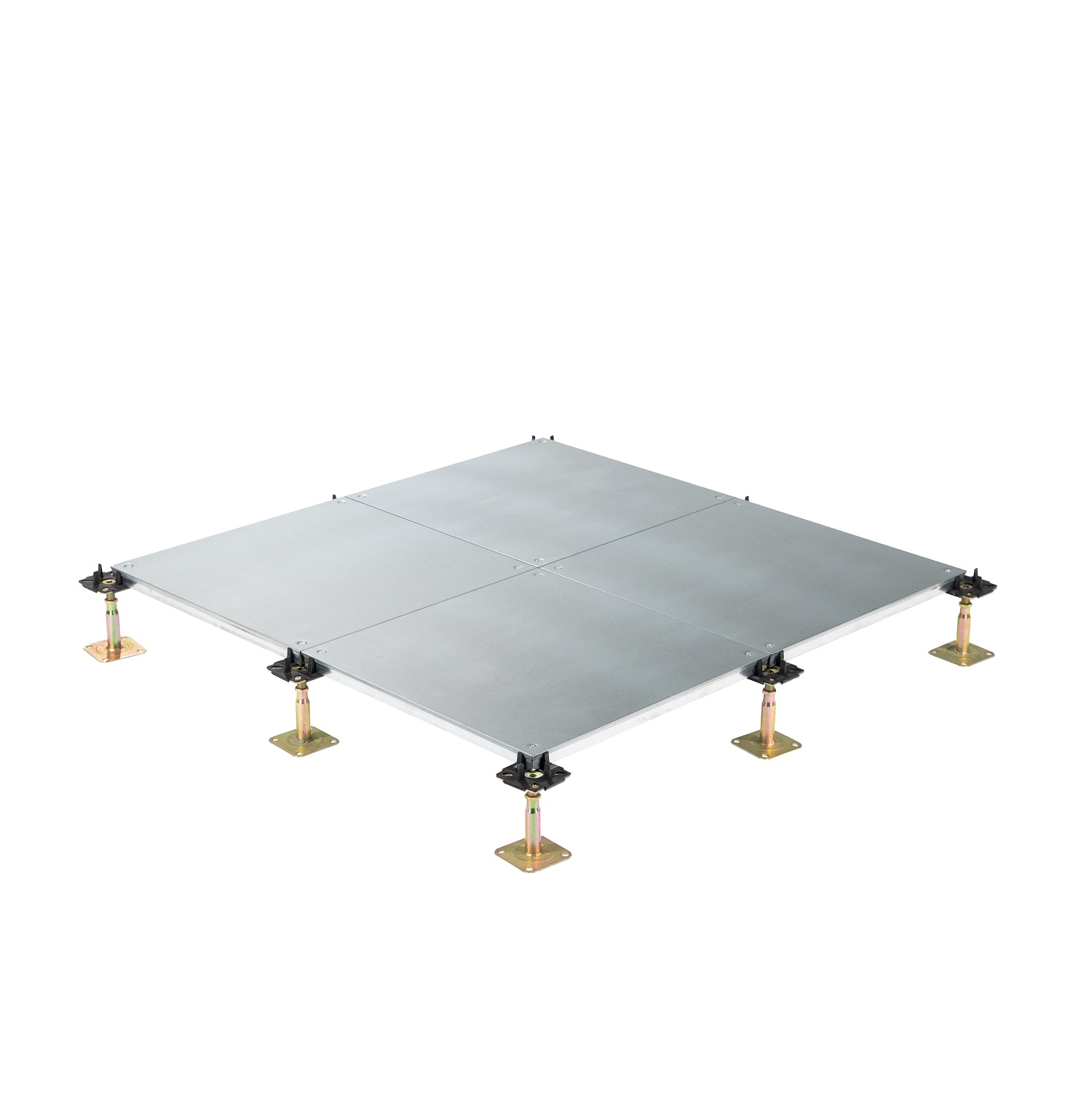
Better Cable Management and Integration of Systems
Power, data, and telecom cabling routed centrally below raised floor
Floors that are raised properly create a space beneath them that houses multiple types of cabling together, as opposed to being strewn about on the floor. With the use of easily removable panels, technicians are able to access and upgrade cabling without disassembling desks or workstations. Research shows that this type of floor system reduces the visibility of wiring by up to 45%. In addition, this type of flooring system reduces electromagnetic interference by separating cabling types such as copper and fiber. Once such systems are in place, businesses can readily adapt to changes in technology such as 5G, Wi-Fi, and smart devices by easily adding or changing connections and ports without having to tear down walls or elevated flooring access.
No more raceways overhead mounted to ceilings or expense of retrofitting them.
Raised flooring eliminates the headaches associated with retrofitting overhead raceways, which ultimately costs your company 30 to 50 percent more because of the troubles associated with legacy retrofitting raceways. Consider asbestos removal, the damage to ceilings that need repair, the loss of productivity from operational downtime. When we bring the services down to the floor, we preserve the essential fire barriers and avoid the invasive drilling of structures. Relocating a department or installing a new server room fabricated from the ceiling is no longer disruptive or invasive. Companies that implemented raised flooring reported typical savings of $74 per square foot when compared with the conventional ceiling finish. The changes are flexible, they allow new tenants to make modifications without disrupting the fundamental structural components of the building.
With the usage of Underfloor Air Distribution (UFAD) systems, there is increased efficiency in HVAC systems.
There are energy savings of 20-30% due to the use of Underfloor Air Distribution (UFAD) systems, as shown through research conducted by ASHRAE RP-1539.
A raised floor system provides the best operational conditions for the Underfloor Air Distribution ( UFAD) system. When there is the use of Underfloor Air Distribution ( UFAD) systems, research conducted by ASHRA states that there is 20-30% energy savings in comparison to traditional over-head HVAC systems in heating and cooling of buildings. The heating and cooling of buildings with an over-head HVAC system, the cool air that is provided through the over-head system is relatively lower than the warm air. When the UFAD systems are used, the warm air provided through the floor system is fanned. Therefore, the cooling system is under less strain and the operating costs are lower. The less operational strain results in a less strained cooling system and lower operational costs. Organizations that need to lower operational costs, while also boosting their environmentally friendly policies, have the greatest use of Underfloor Air Distribution ( UFAD ) systems in open office set ups with large numbers of employees
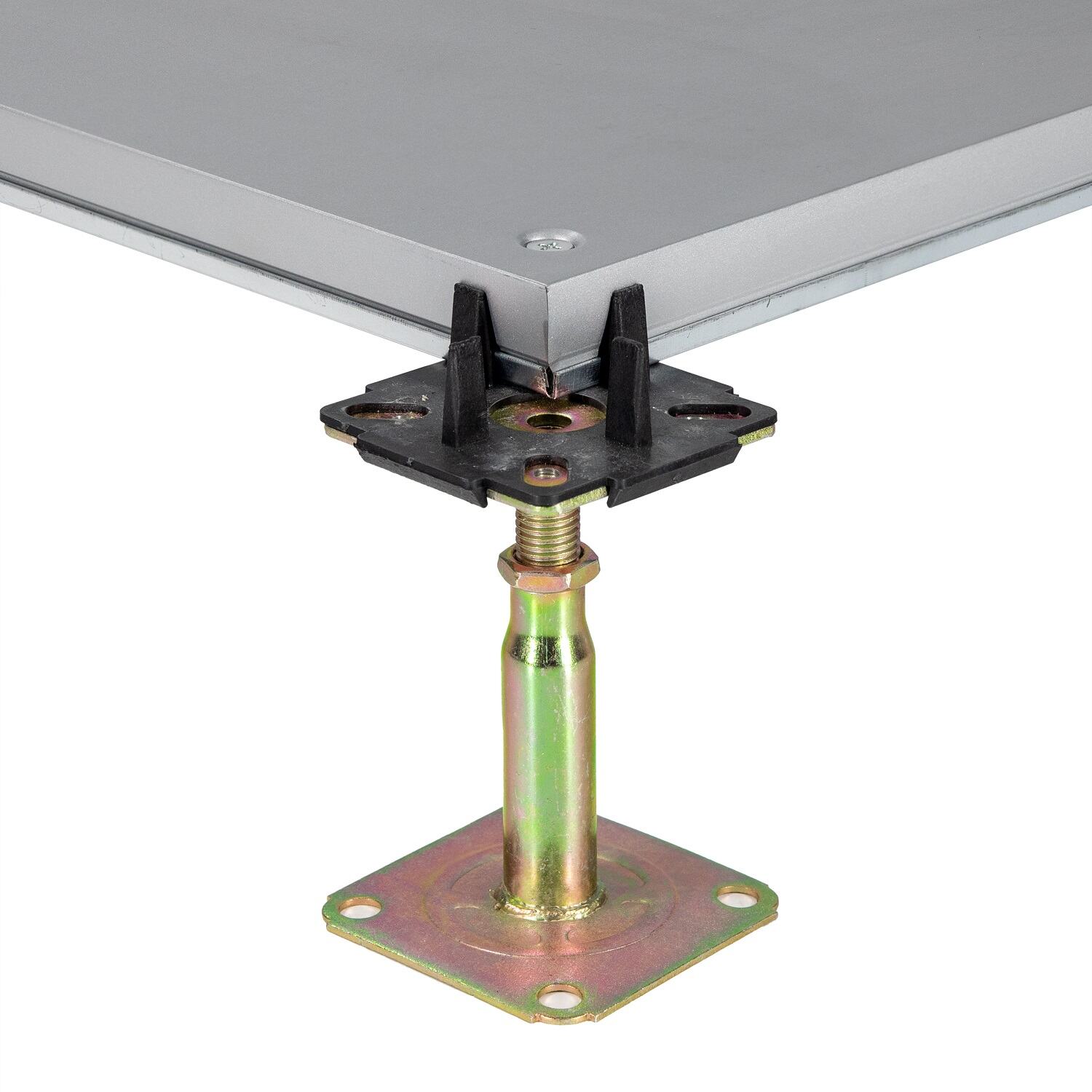
Design and Distribution of Stratified Thermal Comfort and Air Quality Systems
The principle for underfloor air distribution systems is that air is supplied into the space from the bottom and warm air resides at the top due to buoyancy forces and rises to the ceiling. This system uses stratification to minimize draft discomfort. The system is complemented with personal controls that allow temperature adjustment at the work stations. Thermal comfort is achieved with diffusive cooling from the ceiling. The movement of air transfers the energy to the higher layers thereby increasing ventilation effectiveness. Air is supplied to the floor and the clean air is distributed upwards. What is the impact on the occupants of the space? The occupants will have a better experience with the space. The occupants will be not be disturbed by temperature discomfort. The risk of germ dissemination is reduced.
Flexibility Built To Last
The systems built into raised floors are designed to withstand the test of time. Construction of any modern office begins with installing a raised flooring system. After the first layer of the system is put down, the office space can be designed however the architect chooses. After the first layer is down, all electric and plumbing along with any other necessary utilities can be installed. this allows the designers of the office the greatest flexibility and options. Additionally, any of the utilities can be moved with ease. Once design is finalized and other systems have been put in the office, the second layer can be installed. The second layer along with all moved utilities placces the office in a design. all items the are put in are adjustable. Companies have been able to move and change offices for almost 45% less total cost. This along with the time saved and flexibility has become a major selling point for raised flooring. It allows offices the necessary flexibility to change with the companies needs and the numerous disruptions.
Reduced Maintenance, Upgrades, and Lifecycle Costs
Quick, non-disruptive access to utilities allows for quick repairs and technology updates
The raised floor system allows direct access for maintenance to all the power, data, and HVAC services below the floor. This removes the need for access through the ceiling or cutting holes in the walls. Research conducted by BSRIA shows that for facility management, electrical work is completed 30% faster than with standard concrete floors, and in maintenance, speed is often the most critical factor. The Ponemon Institute found that unplanned downtime costs business 740,000 on average. Over a 10-year period, raised floors would save a business money. No more construction to update the buildings tech. The budget for the business is spent on tech updates instead of construction. The building is intact and modern with minimal disruption. The system provides longevity as technology evolves.
Questions Answered
What is a raised flooring system?
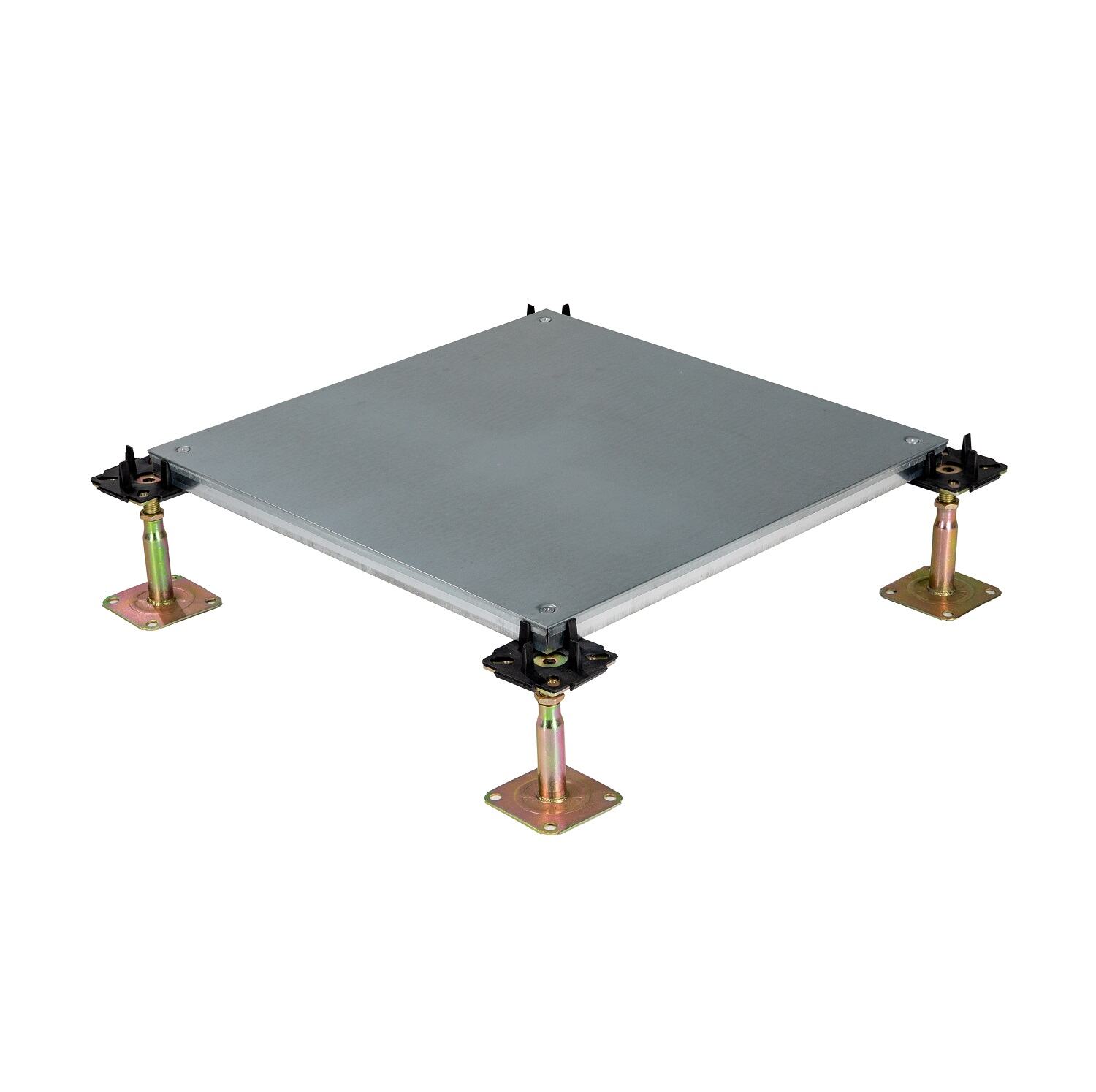
Raised flooring systems create a useful cavity for wiring and utilities and allow for ongoing modifications and easy disruption-free access to the workspace. They consist of flooring panels that are removable.
What is the case with Underfloor Air Distribution (UFAD)?
UFAD uses the principle that warm air naturally rises to provide thermal comfort and saves energy. UFAD is a distribution system that provides air in a stratified manner through the floor.
What makes raised flooring systems more flexible in upkeep?
Raised flooring systems provide a direct path for access to utilities and systems, and thus allow maintenance to be performed more quickly, reducing downtime costs.