
 EN
EN




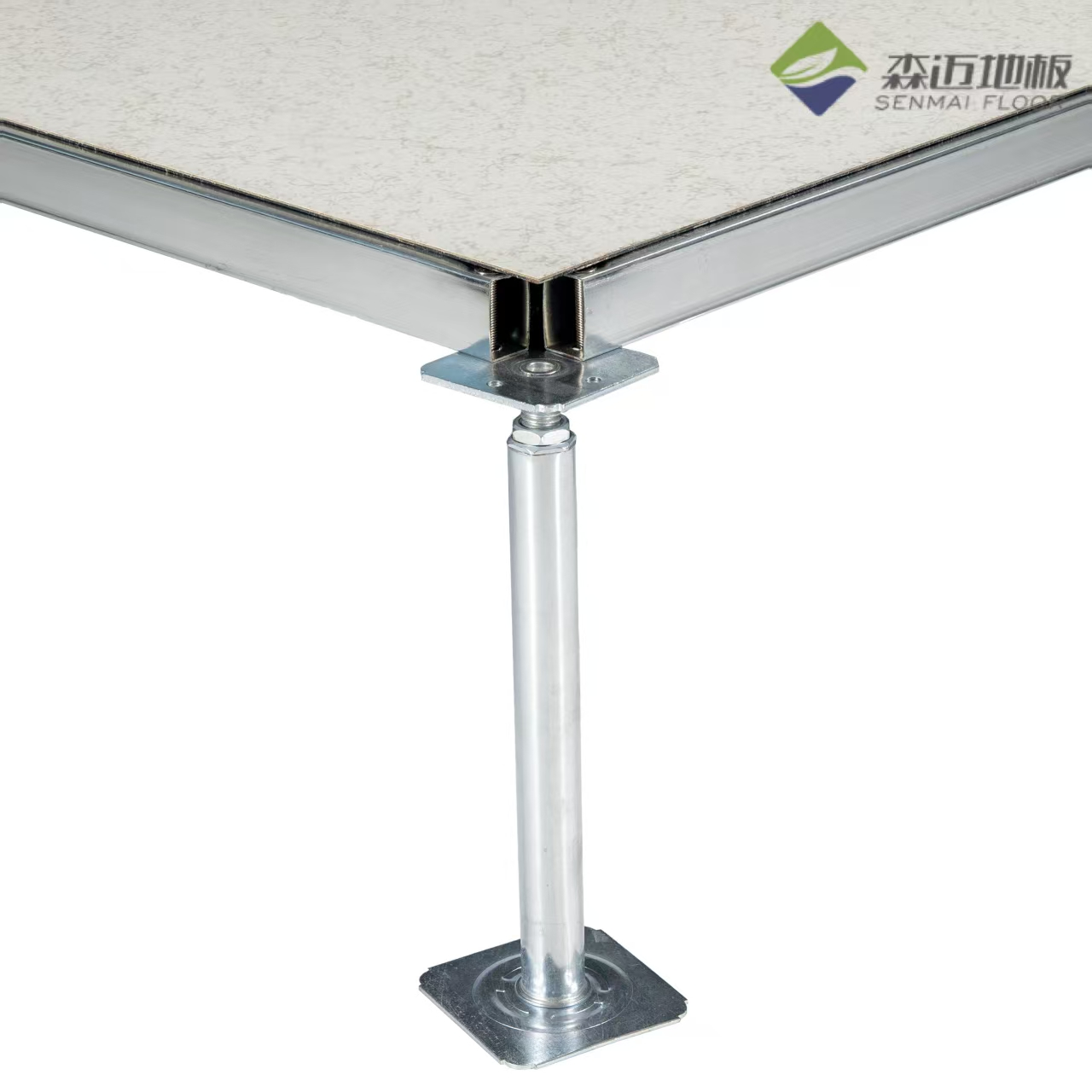
Demand Issues with HPL Raised Access Floors and Specialized Cleaners
Materials and Construction of HPL Floor Products: Balance of Durability and Damage
HPL (High-Pressure Laminate) raised access floor products contain layers of phenolic resin and embedded conductives, bringing excellent mechanical durability and reliable electrostatic discharge (ESD) protection. HPL is scratch and impact resistant, unlike vinyl or carpet tiles, but is vulnerable to chemicals. So it's sensitive to cleaners on the alkaline side of the pH scale. Robust surface integrity coupled with strict conductivity requirements means chemically engineered cleaning products are necessary. NEMA FG-1 standards say that floor materials must maintain surface resistance <10⁹ ohms and with the wrong cleaners, floors are either conductively grid corroded or left insulating residues to cause the failure.
Generic Cleaners = Loss of Static Dissipation, Surface Delamination, and NEMA FG-1 Noncompliance
Generic cleaners are the root cause of problems in HPL raised access floors. Solvent-based systems degenerate phenolic bonds with resins, leading to delamination of the top layer at applied loads of 3,500 psi. The residual ionics of alkaline and acidic cleaners increase the resistivity above NEMA FG-1’s 10⁹ ohm threshold, disabling the ESD protection that is particularly critical to Data Centers and other mission-critical applications. Persistent moisture also accelerates the corrosion of the steel pedestals and subfloor supports. A 2023 study found that organizations that used generic cleaners averaged 71% more electrostatic discharge events and 54% accelerated panel replacement, and the generic cleaners created $740,000 of downtime, repairs, and compliance costs annually.
Best practices for cleaning HPL Raised Access Floor Surfaces
Vacuuming and Microfiber Dry Mopping
Flooring cleaning is manufactured to resist the harmful effects of scratches that micro particles can cause when cleaning the flooring and removing the abrasive particles. Use cleaning industrial vacuums with soft-bristle attachments and mops that have the ability to capture (Facility Care Journal, 2023). The micro-scratching will degrade the appearance and the dissipative flooring. Efforts must be made to avoid the use of stiff-bristled brooms because of the impact with the floor and the potential for the development of generators to create excess electrostatic charges.
Internal Controlled Damp Mopping Cleaning
When cleaning has to be done because cleaning dirty oily spots and dirty adhesive residues, cleaning has to be done using non-ionic, pH-neutral cleaning (6.0-8.0) is NEMA FG-1 certified. The most critical of these parameters are
Moisture control: Apply water in a minimum of 300 mL water per 10m²
Technique: Use a unidirectional movement of the mop with the micro-fiber pad
Drying requirements: The surfaces contacted must reach less than 15% rh and be done in less than 10 minutes. Exceeding these thresholds subfloor components of the floor are affected by control migration electro-chemically and increase the risk for ESD related failures (Static Control Quarterly 2022).
Practices That Can Be Performed That Can Possibly Breach Integrity of HPL Raised Access Floors
Increased Surface Wear and Loss of Grounding
HPL raised access floors cannot be waxed, polished, or mechanically buffed. These techniques introduce insulating films which shield the conductive surface layer and subsequently eliminates ESD compliance. Additionally, these floors should not be cleaned with abrasive pads or aggressive scouring pads. These techniques erode the protective overlay and accelerated delamination, exposing subsequent layers to chemicals and moisture. Even a single pass with a buffing tool can increase surface resistances to values above NEMA FG-1 limits, posing an unacceptable risk to ESD sensitive components. For all dry cleaning, ONLY non-abrasive conductive microfiber tools should be used.
Excessive Water Exposure: Subfloor Corrosion, Gasket Dissolution, and Continuity Break
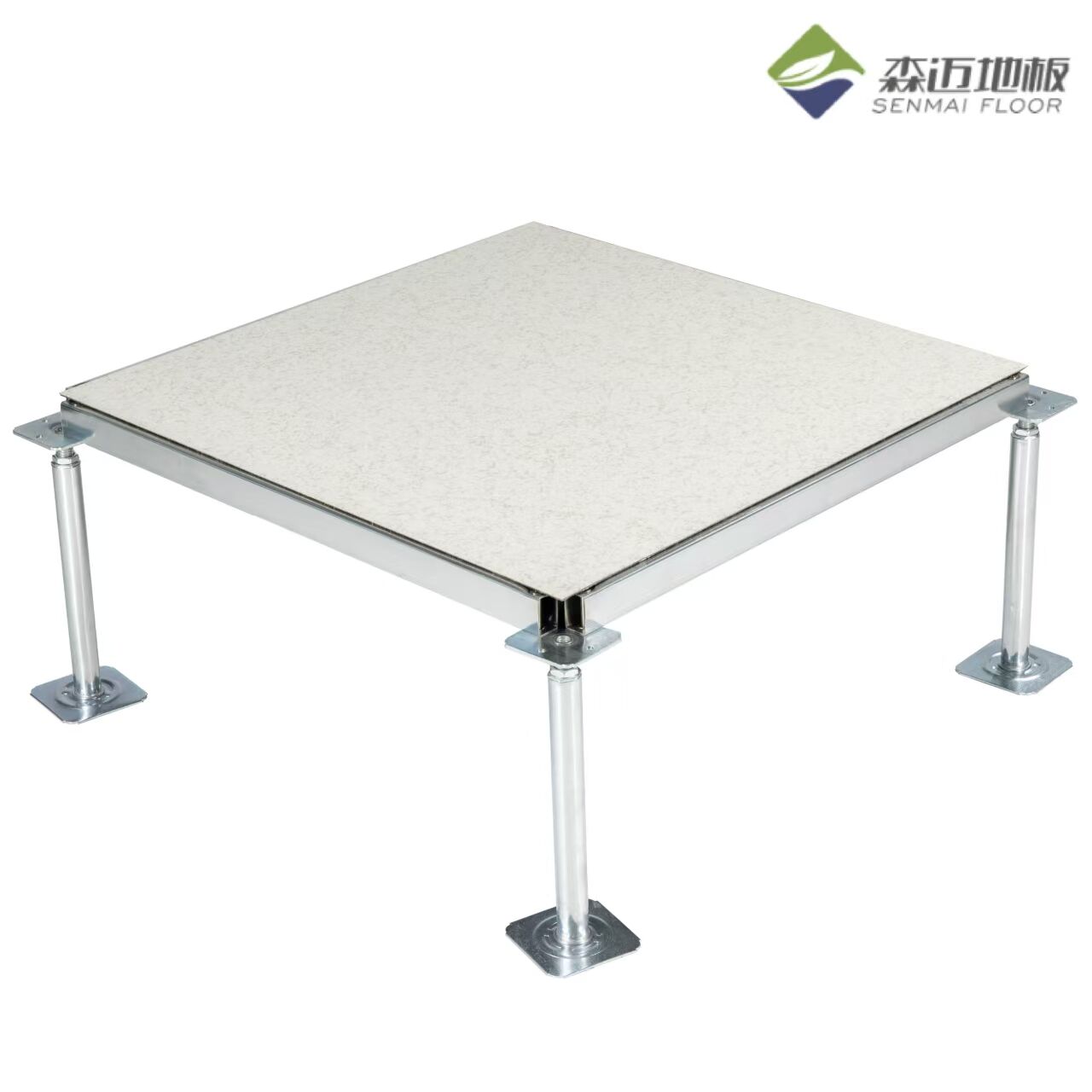
Cleaning and saturating panels presents a severe structural and electrical hazard. Water infiltration at the panel seams initiates corrosion to the steel support beneath the floor, leads to the adhesive-sealed gaskets swelling or failing, and results in uneven panel alignment and compromised load distribution. As little as 5 mL/m² of moisture can break the continuity of the ground at the seam interfaces, which voids the ESD certification. The pooling of liquids can migrate beneath panels and accelerate the corrosion of the pedestals, which is the leading cause of premature raised floor collapse. Therefore, all damp mopping must rely absolutely on the use of microfiber mops with excellent wringing properties and on a pH neutral, low residue cleaning system (with a moisture retention of less than 0.05%) to comply with these requirements.
Long-Term Maintenance Strategy to Sustain HPL Raised Access Floor Performance
NEMA FG-1 Validated Cleaners: Recommended Non-Ionic, Residue-Free Options
NEMA FG-1 validation for cleaners is considered a baseline, and for good reason. It centers on preserving ESD long-term. Non-ionic cleaners do not leave conductive residues which clog static pathways, and residue-free chemistry does not generate a dust-attracting, contaminating layer. Industry data shows improper cleaner use to accelerate visible degradation and decline functional performance by up to 40% within a two-year timeframe. Compatibility with ANSI/ESD S20.20 testing must be confirmed for safe grounding, and with chemically safe cleaner use.
Moisture Ingress at Junctions, Grounding Continuity Tests (measured resistance, target: <1 Ohm)
Trend documentation, particularly during maintenance audits, shows facilities with Formal Quarterly Inspection Programs aligned with the protocol as reporting 60% fewer unplanned repairs and sustaining NEMA FG-1 compliance for over 10+ years.
FAQ
What explains the chemical sensitivity of HPL floors?
HPL floors are chemically sensitive due to the composition of phenolic resins and are particularly sensitive to the use of alkaline cleaners, which can erode the conductive grids and negatively affect their performance.
What makes an HPL raised access floor different from other floors in regards to cleaning and maintenance?
HPL raised access floors have a polymer flooring system that incorporates resin-based binding agents that can be damaged by the proprietary cleaning agents (especially the solvent-based ones), causing delamination, increasing electrical resistance, and an overall loss of static dissipation resulting in the HPL floor not meeting NEMA FG-1 standards.
What are the best methods of routine damp cleaning of HPL floors?
The best methods of routine damp cleaning involves using cleaners that are non-ionic with a pH-neutral to control the amount of moisture to ensure that flooring surfaces have a humidity of less than 15% in less than 5 minutes to prevent electrochemical migration.