EN
EN



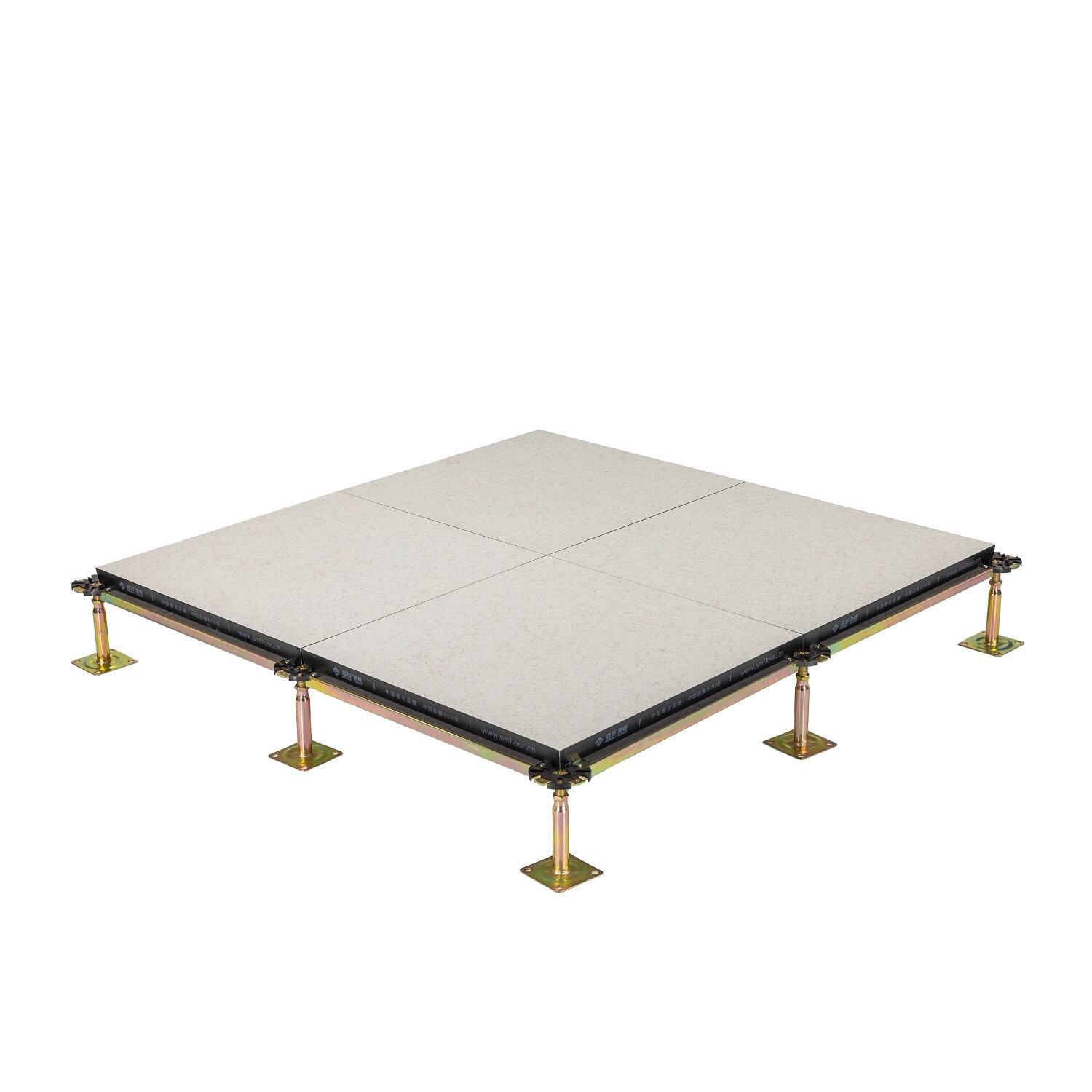
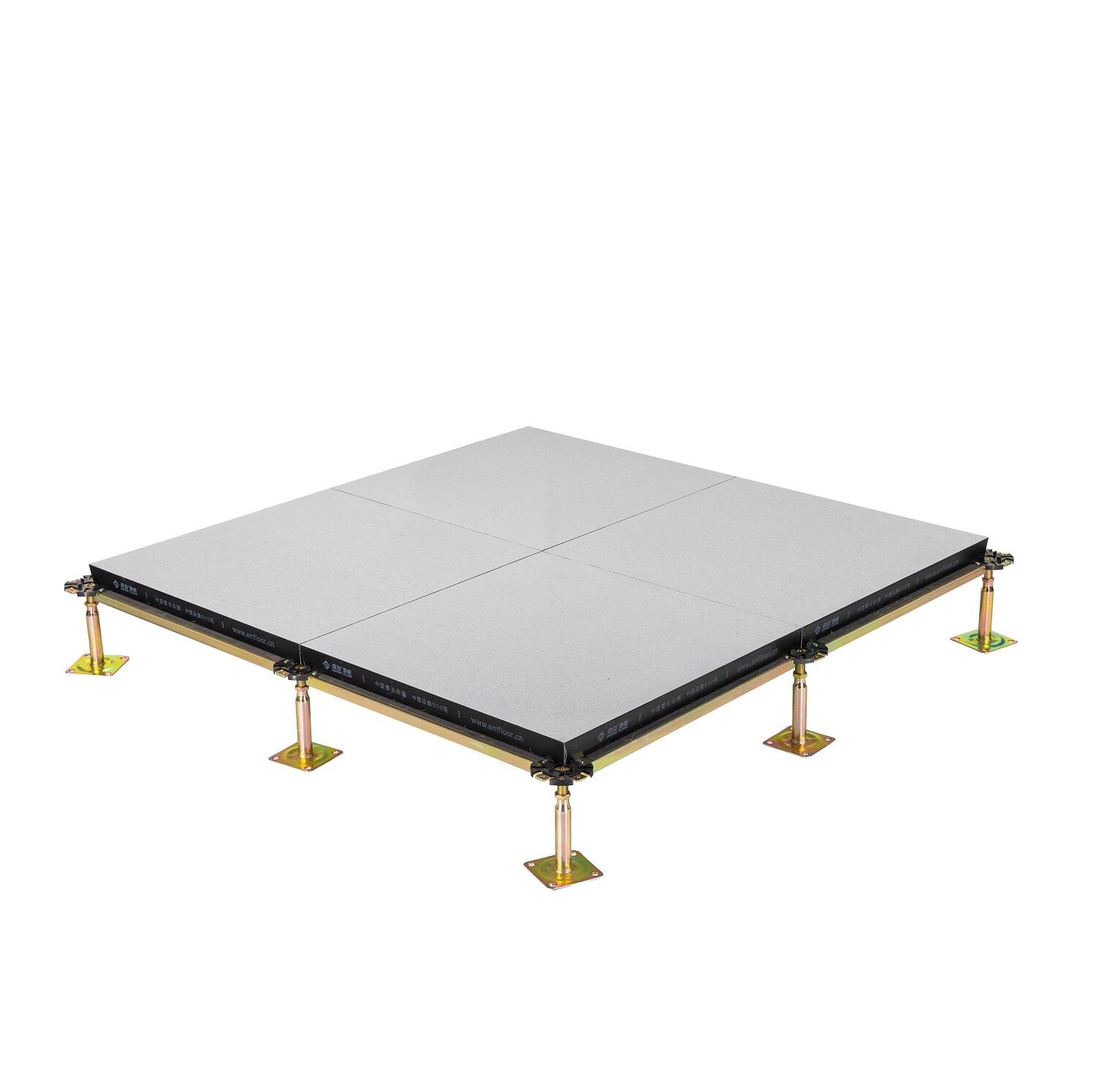
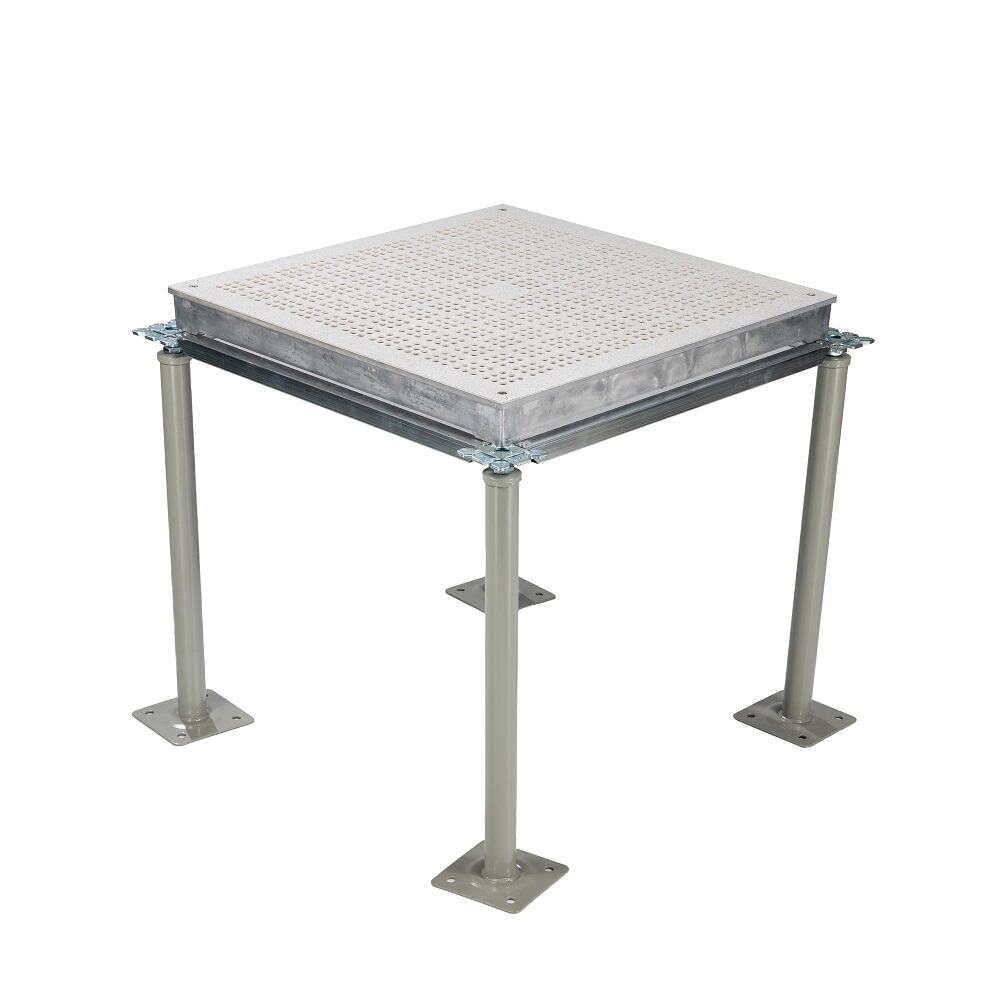
Anti-Static Woodcore Raised Access Flooring
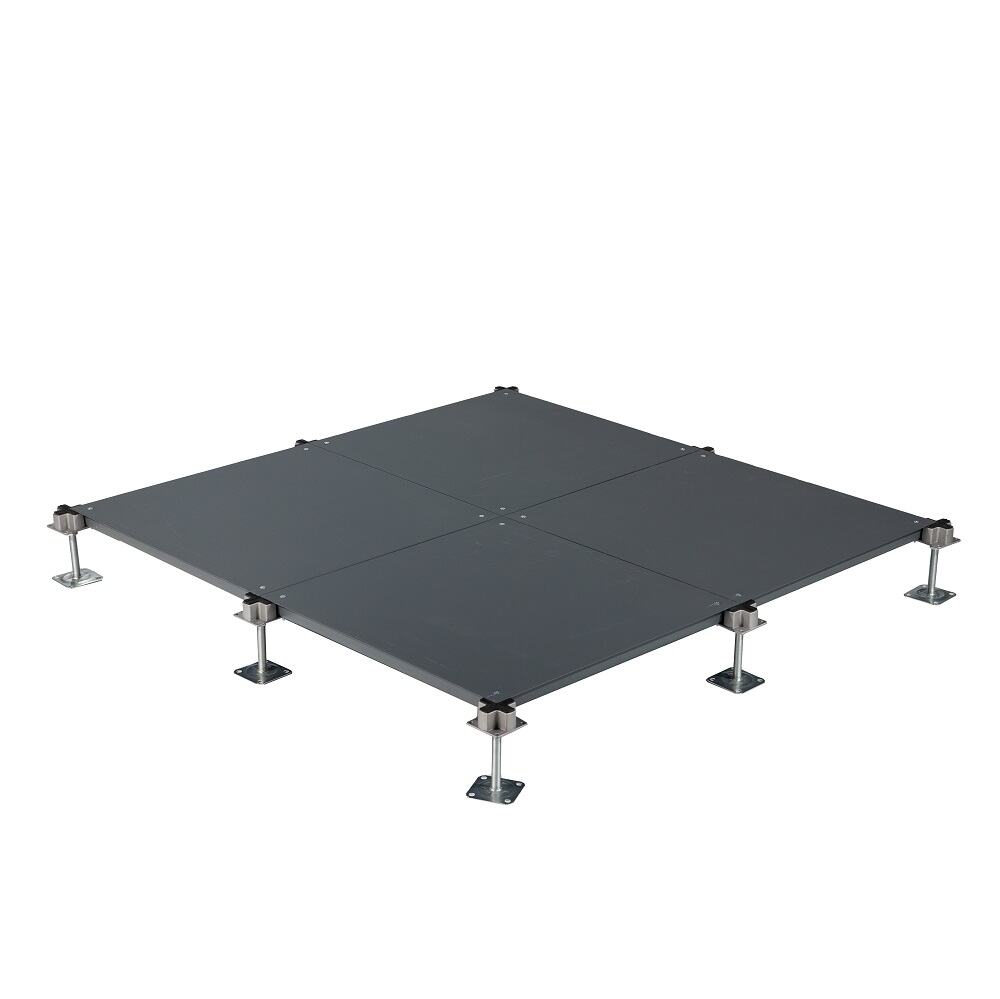
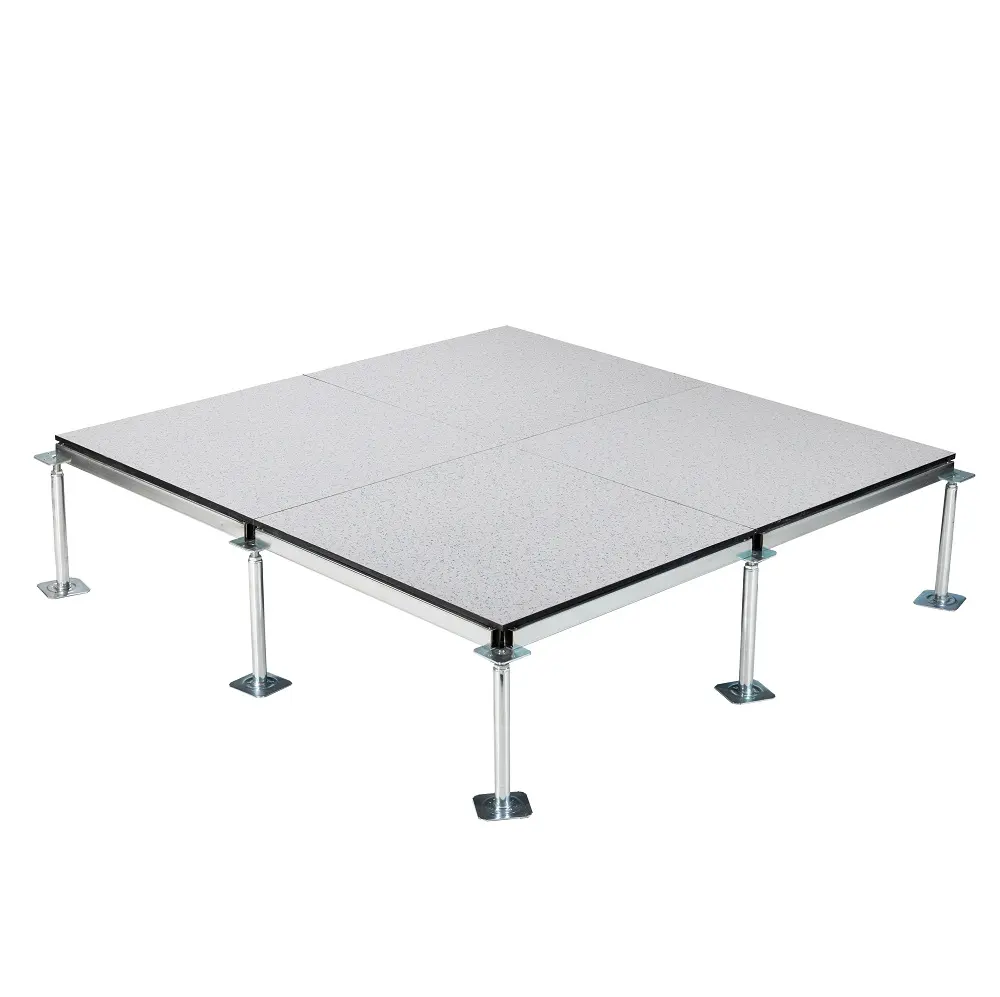
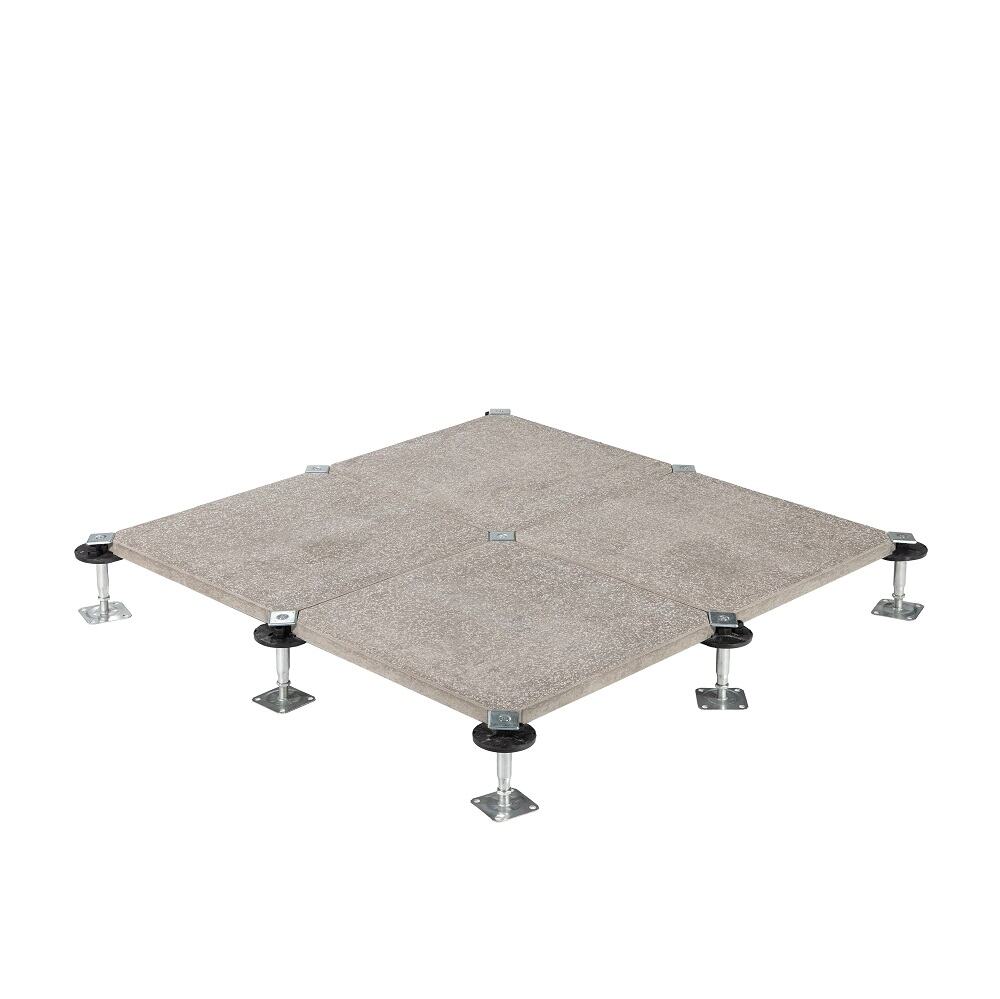
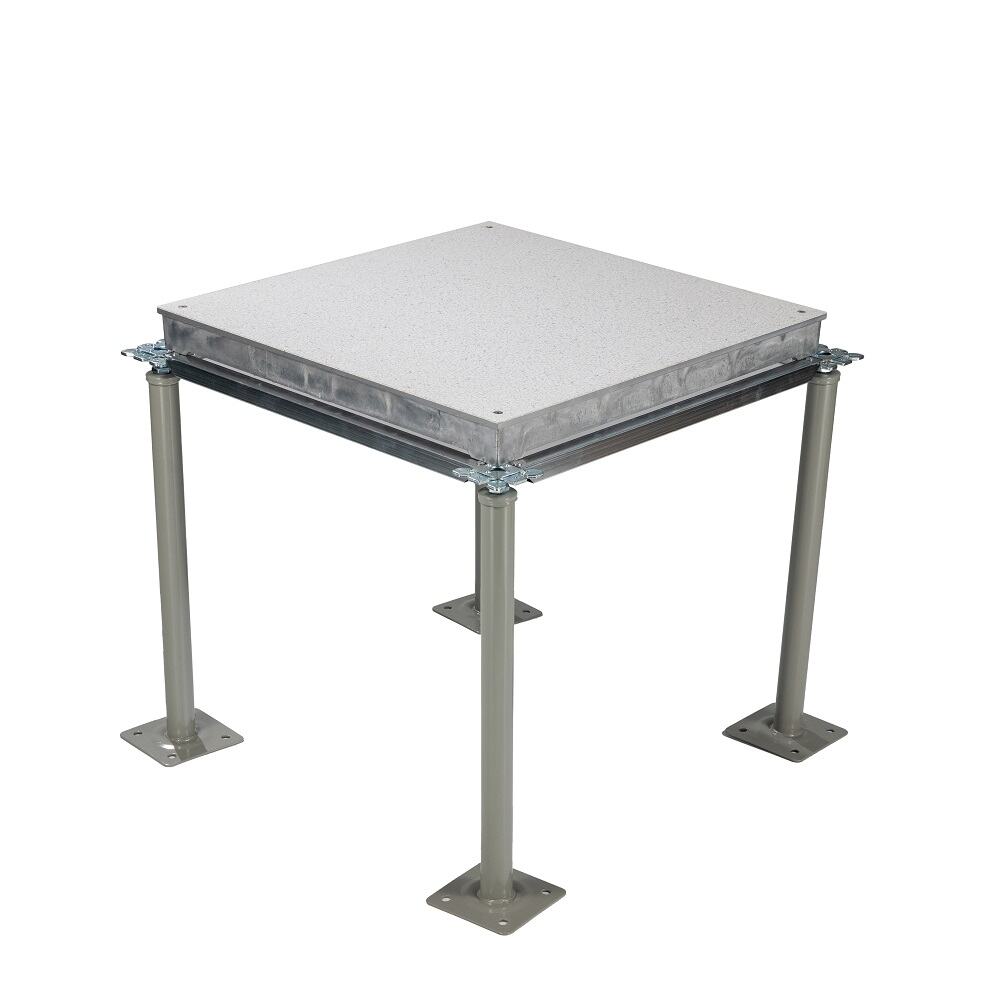
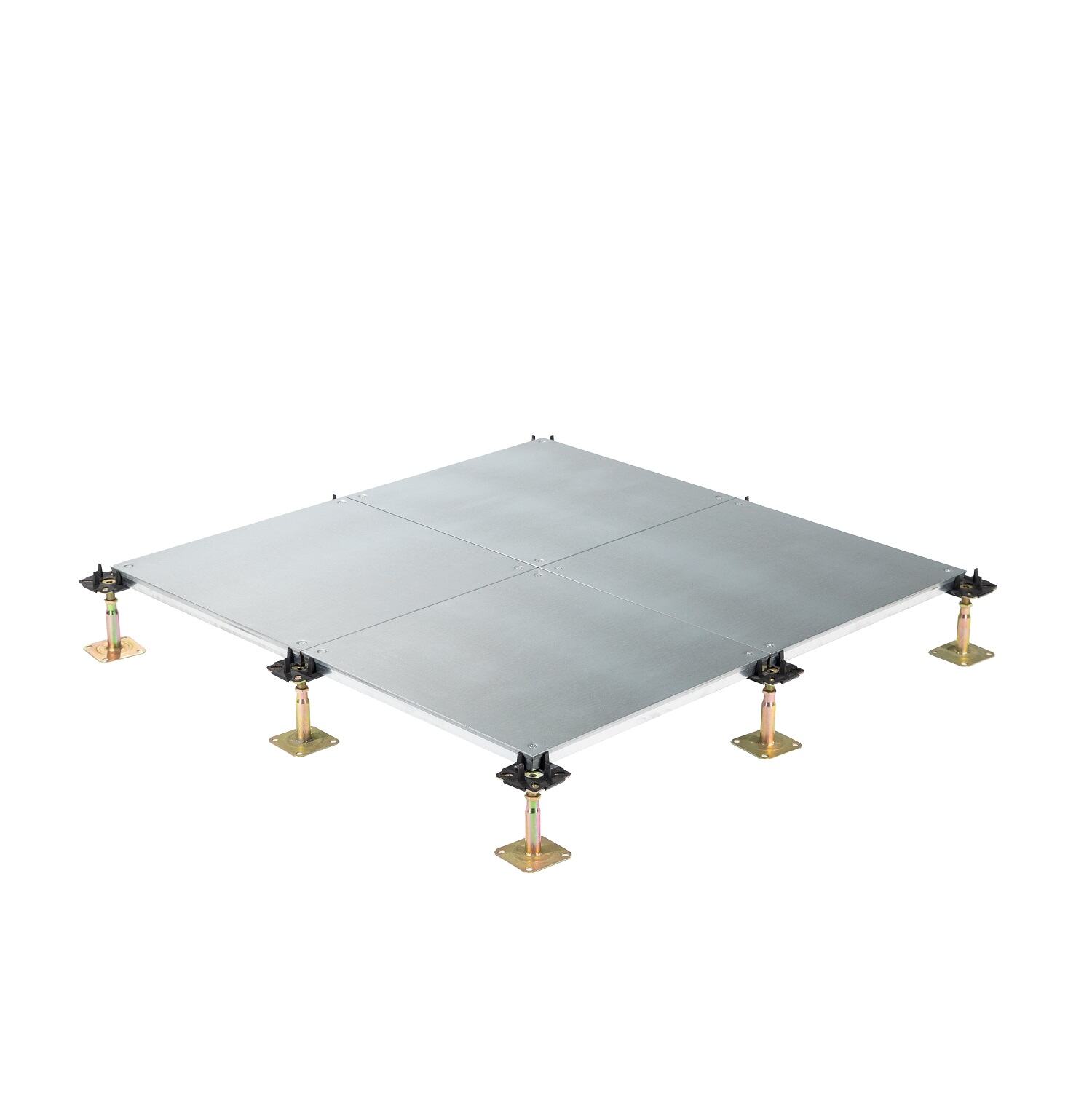
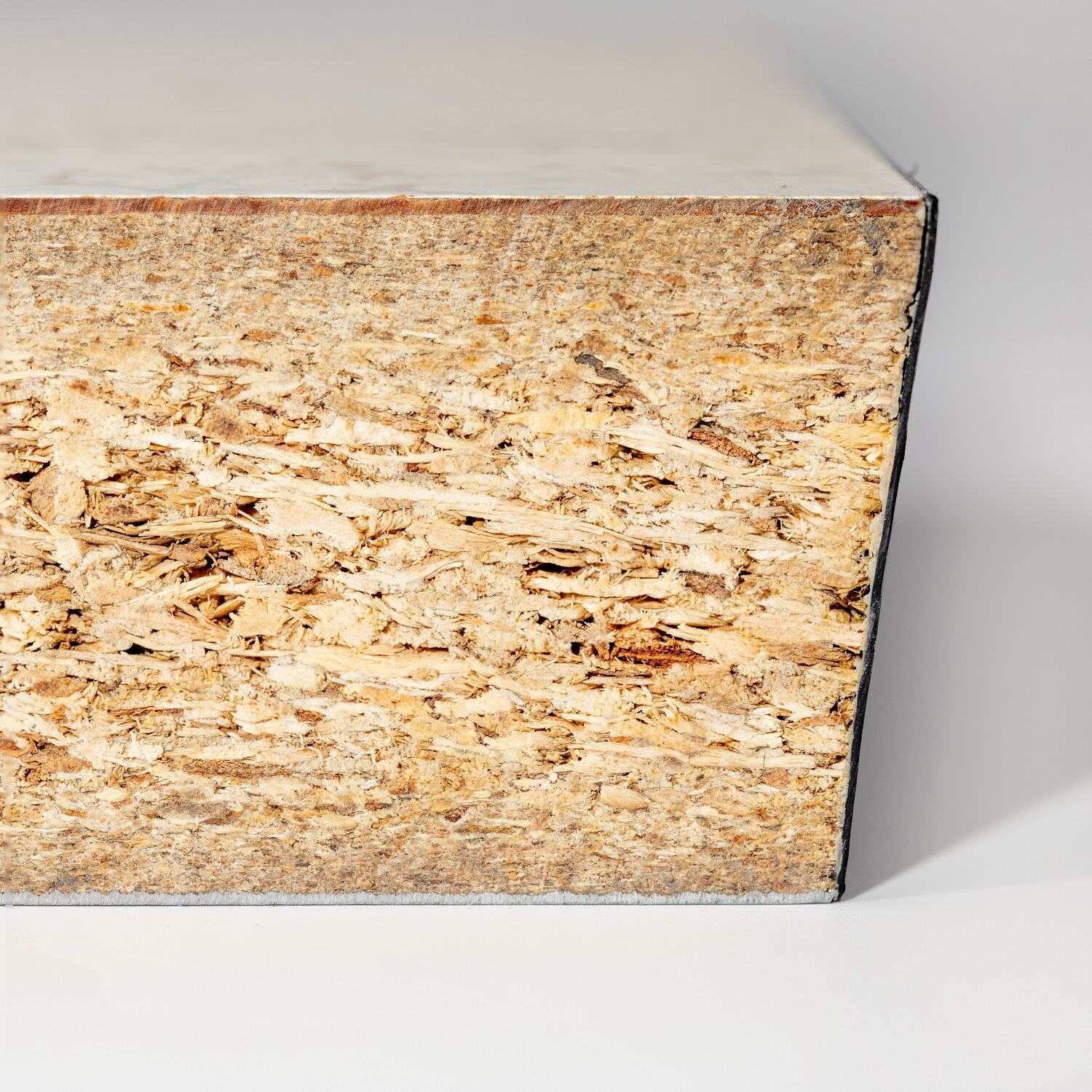
Anti-Static Woodcore Raised Access Flooring adopt high density flame retardant particleboard as center basematerial. Veneer with anti-static PVC / HPL material.Galvanized sheet or aluminum foil as bottom cover--Surround with conductive tape sealing edge. This structure delivers enhanced durability, dimensional stability, and reliable load performance, making it a safe and efficient flooring solution for modern technology-driven workspaces. It offers a practical and economical solution for projects seeking basic ESD protection with reliable everyday performance.
- Overview
- Recommended Products
Product Description
Anti-Static Woodcore Raised Access Flooring is a practical flooring solution developed to reduce electrostatic discharge in environments where basic ESD control is required. It features a high-density woodcore panel combined with anti-static surface finishes such as HPL or PVC, allowing static electricity to dissipate effectively and helping protect electronic equipment during daily operation.
The modular raised floor structure provides convenient access to underfloor cabling and services, making installation, maintenance, and future reconfiguration simple and efficient. Designed with a focus on stable performance and cost efficiency, this system is suitable for general data rooms and similar spaces where extreme load requirements are not necessary. It delivers reliable anti-static performance while maintaining the flexibility and economic advantages of woodcore access flooring systems.
Performance Parameter
| International Standards |
Uniform Load | Concentrated Load |
Rolling Load | Rolling Load | Impact Load | Ultimate Load |
| (10 PASS) | (10 KPAAASS) | |||||
| FS 800 | 17.78 KN/㎡ | 363 KG | 2.94 KN | 2.45 KN | 100LB/45 KG | 11.25 KN |
| FS 1000 | 22.22 KN/㎡ | 454 KG | 3.56 KN | 2.67 KN | 150LB/68 KG | 14.50 KN |
| FS 1250 | 27.78 KN/㎡ | 567 KG | 4.45 KN | 3.56 KN | 150LB/68 KG | 18.36 KN |
Product Features
· Effective Anti-Static Performance
· High-Density Flame-Retardant Woodcore
· Durable Panel Construction
· Reliable Load-Bearing Capacity
· Sealed Conductive Edge Design
· Flexible and Cost-Effective Solution
Application
Widely used in telecommunications, power, electronics, microelectronics, medicine and other industries of program:
· Control room
· Computer room
· Power dispatching room
· Clean purification plant, ect
Advantages
· Reliable Anti-Static Protection
Equipped with anti-static HPL or PVC coverings and conductive edge sealing, the system effectively dissipates electrostatic discharge (ESD), helping protect sensitive electronic equipment and ensuring safe operation in technical environments.
· Stable Structural Performance
The high-density, flame-retardant woodcore provides good load-bearing capacity, dimensional stability, and impact resistance, supporting daily foot traffic and office equipment.
· Flexible Underfloor Cable Management
The raised floor system creates a concealed space for power cables, data wiring, and other services, allowing easy access for maintenance, upgrades, and workspace reconfiguration.
· Lightweight & Easy Installation
Compared with many mineral-core flooring systems, woodcore panels are lighter and easier to handle, enabling faster installation and reducing overall construction time.
· Cost-Effective for Technical Workspaces
Combining basic ESD protection, reliable durability, and multiple surface finish options, this flooring system provides an economical solution for data rooms, control centers, telecommunications facilities, and similar environments.