EN
EN



GRC Network Raised Access Flooring
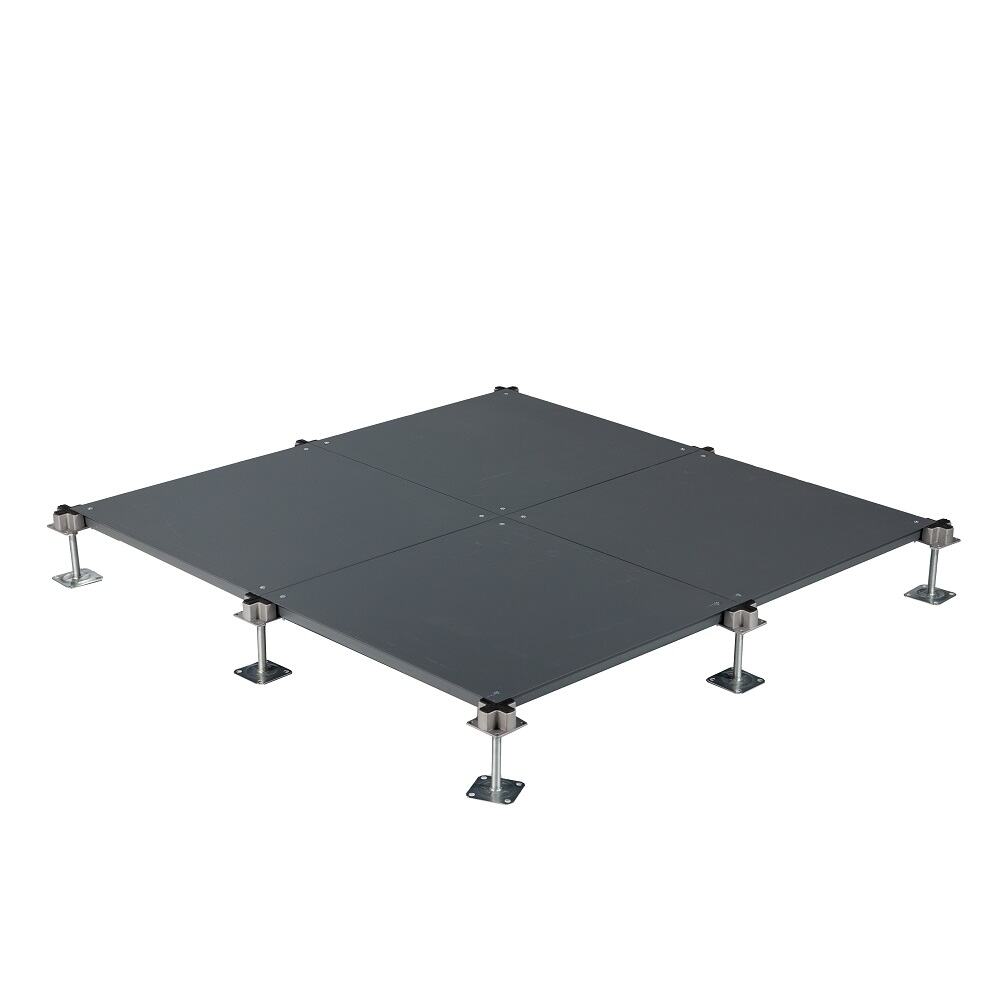
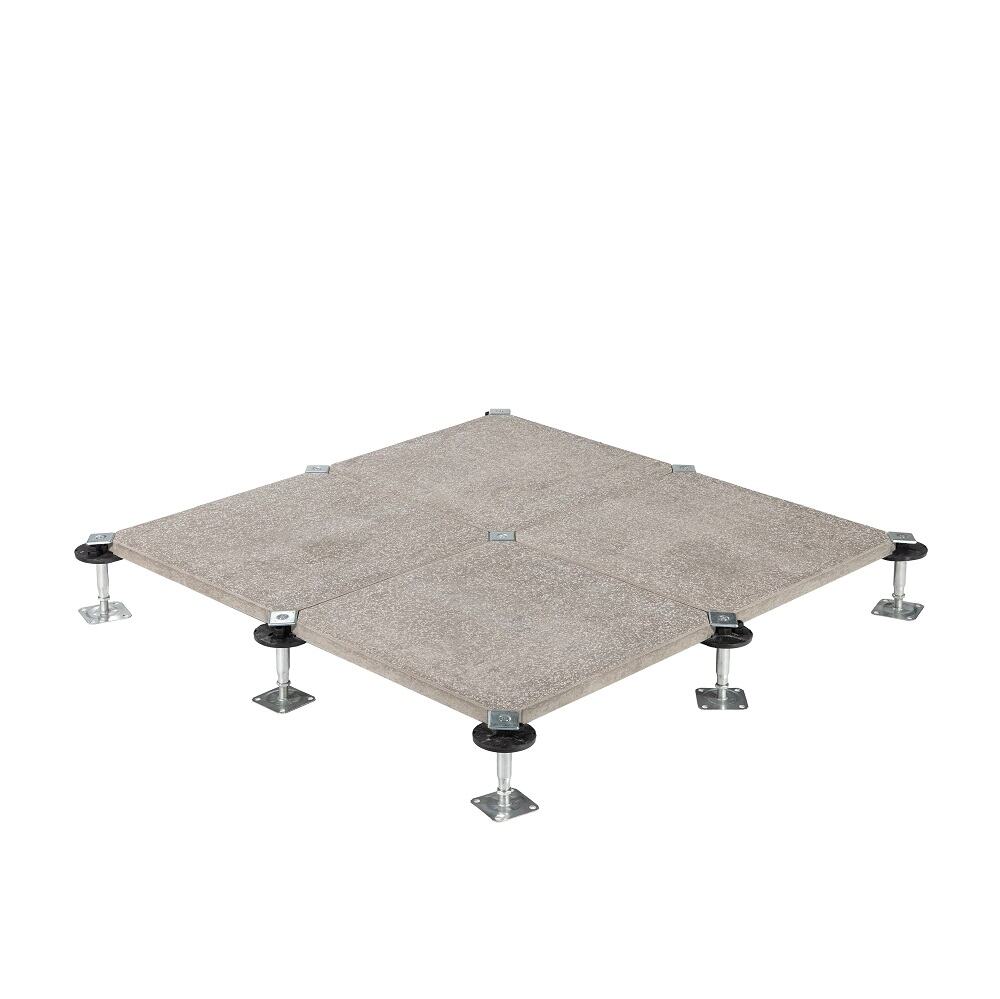
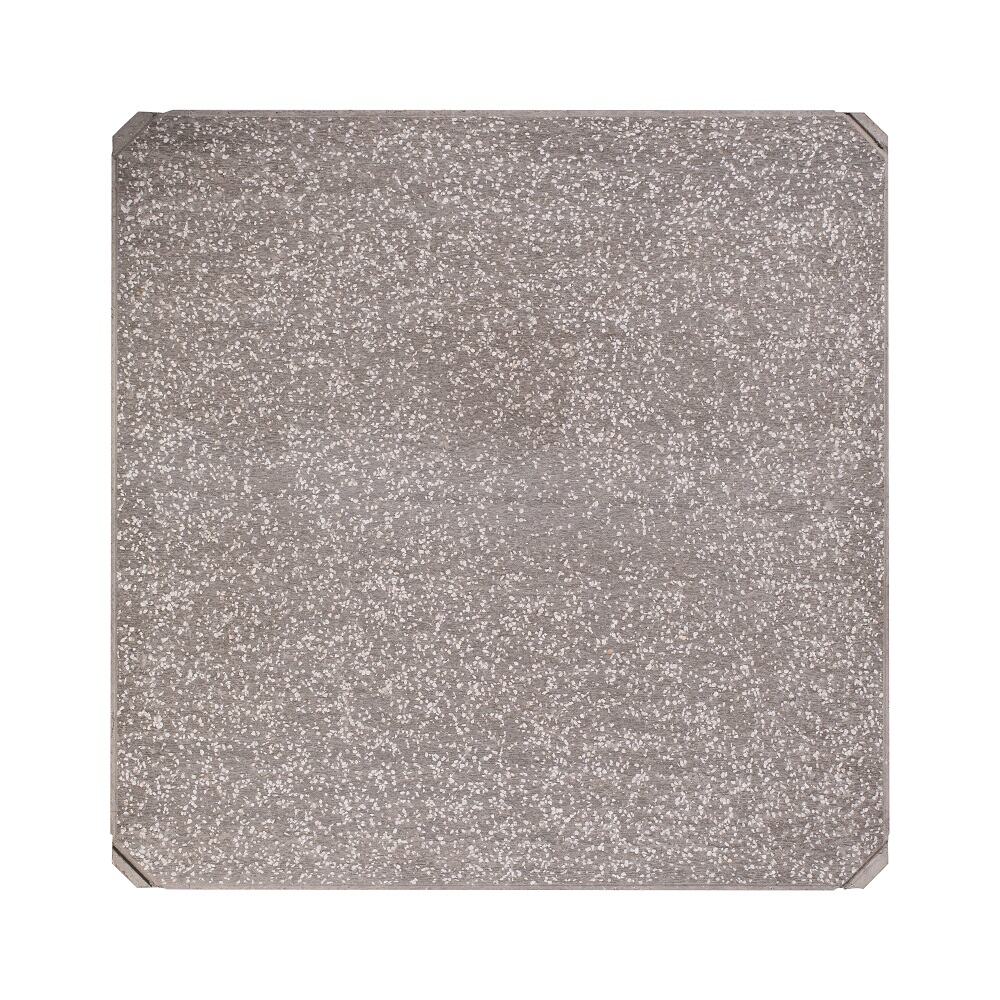
Inorganic network flooring (GRC) is a next-generation raised access flooring system developed to meet the growing demands of safety, durability, environmental responsibility, and long-term performance in modern buildings. Manufactured from inorganic silicate-based materials through a one-step high-pressure forming process, this flooring system represents a significant advancement over traditional steel network raised floors.
Developed by Senmai Flooring through the introduction of advanced Korean technology and years of application-driven optimization, inorganic network raised flooring is engineered to overcome the common limitations of conventional raised floor systems, including corrosion, limited service life, insufficient fire resistance, and environmental concerns.
This system has become an ideal flooring solution for office buildings, public facilities, commercial spaces, data rooms, and environments requiring high structural stability and green building performance.
- Overview
- Recommended Products
Product Description
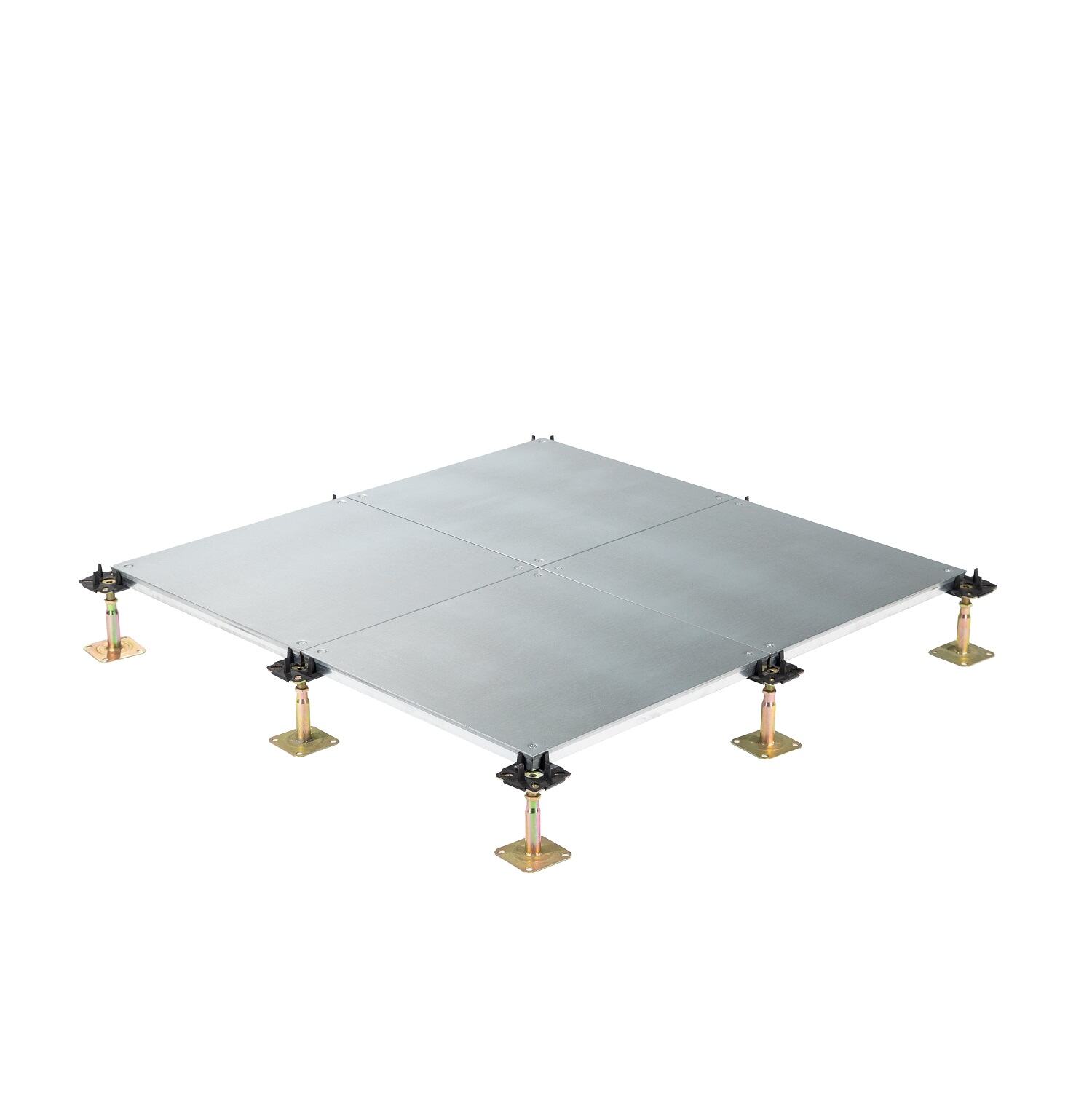
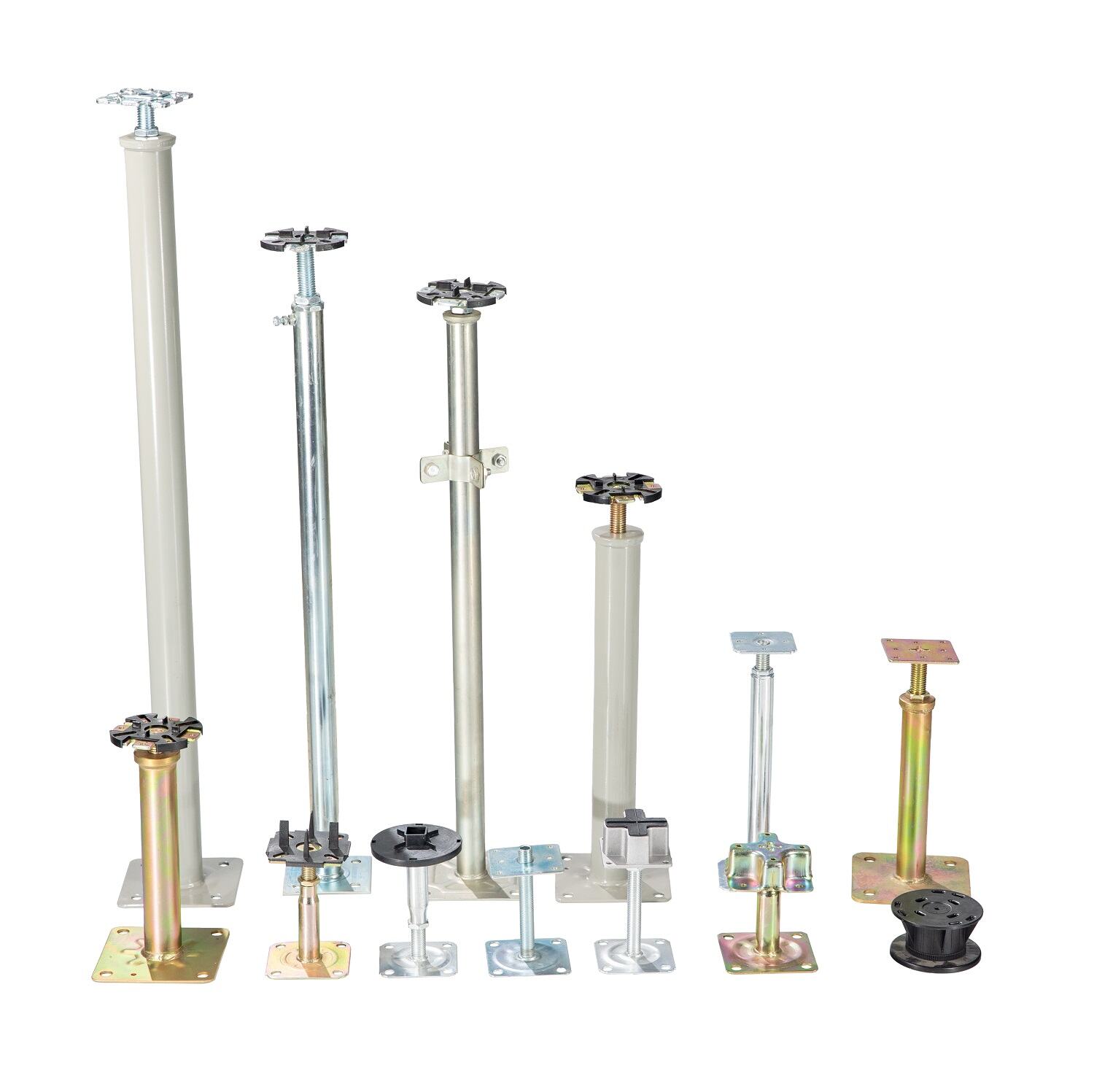
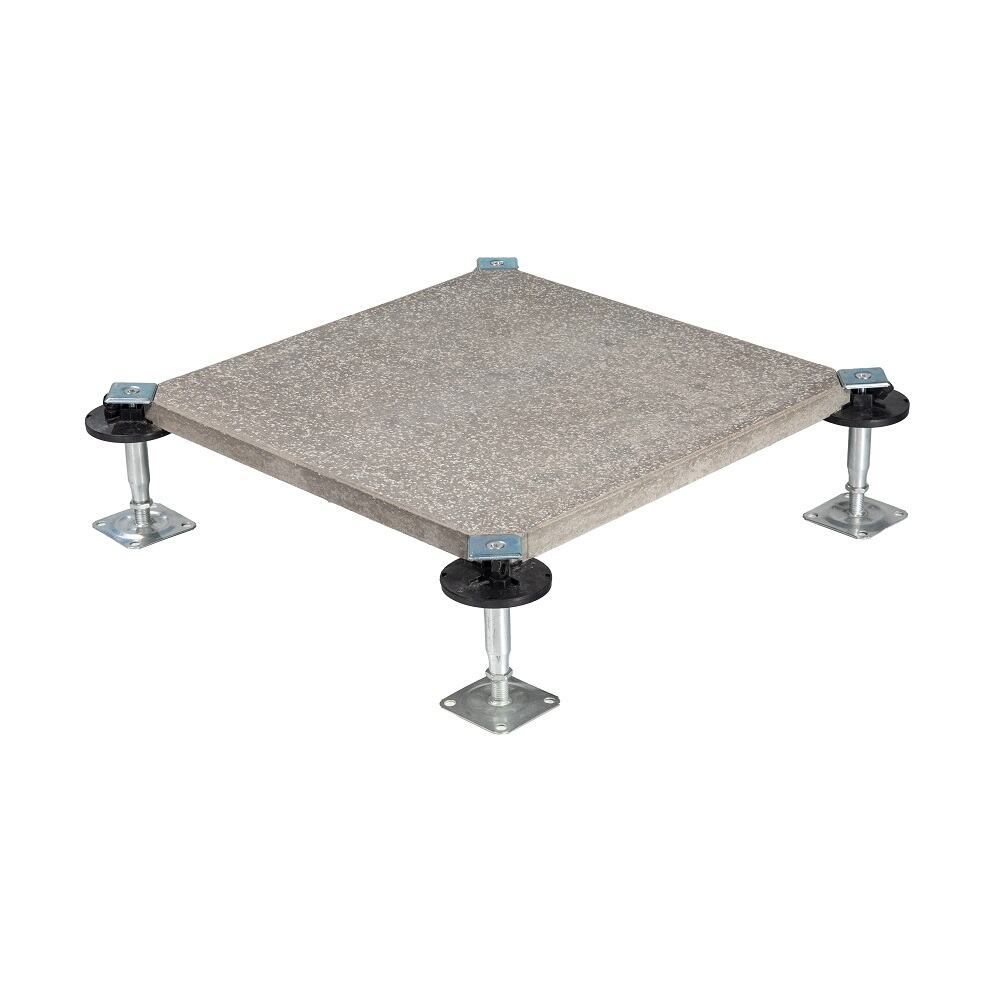
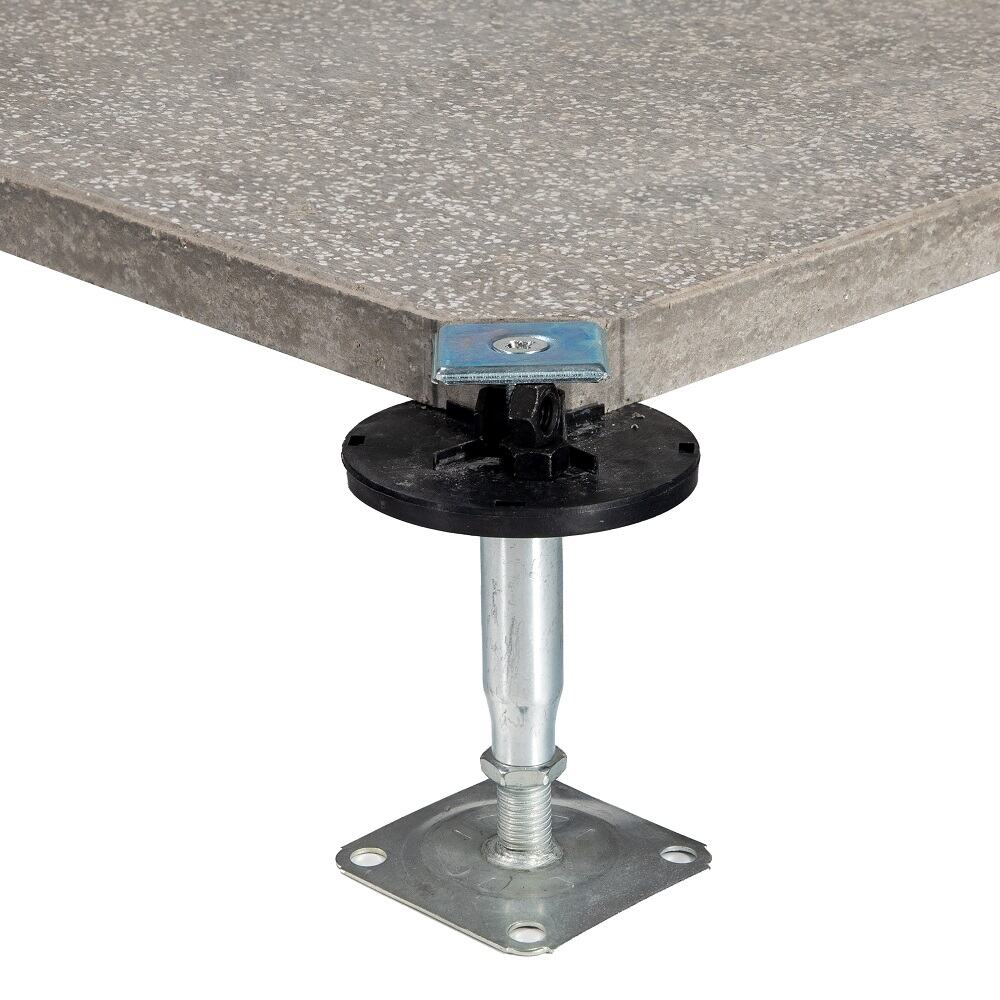
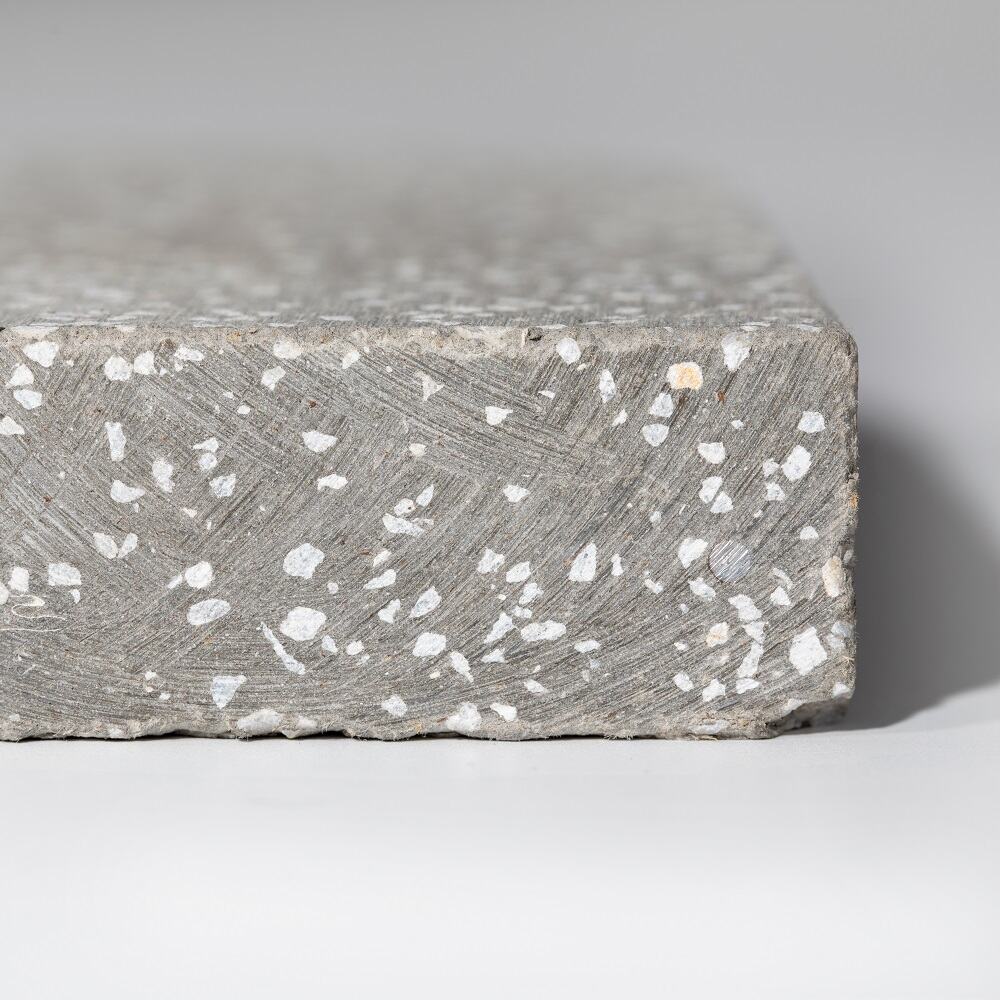
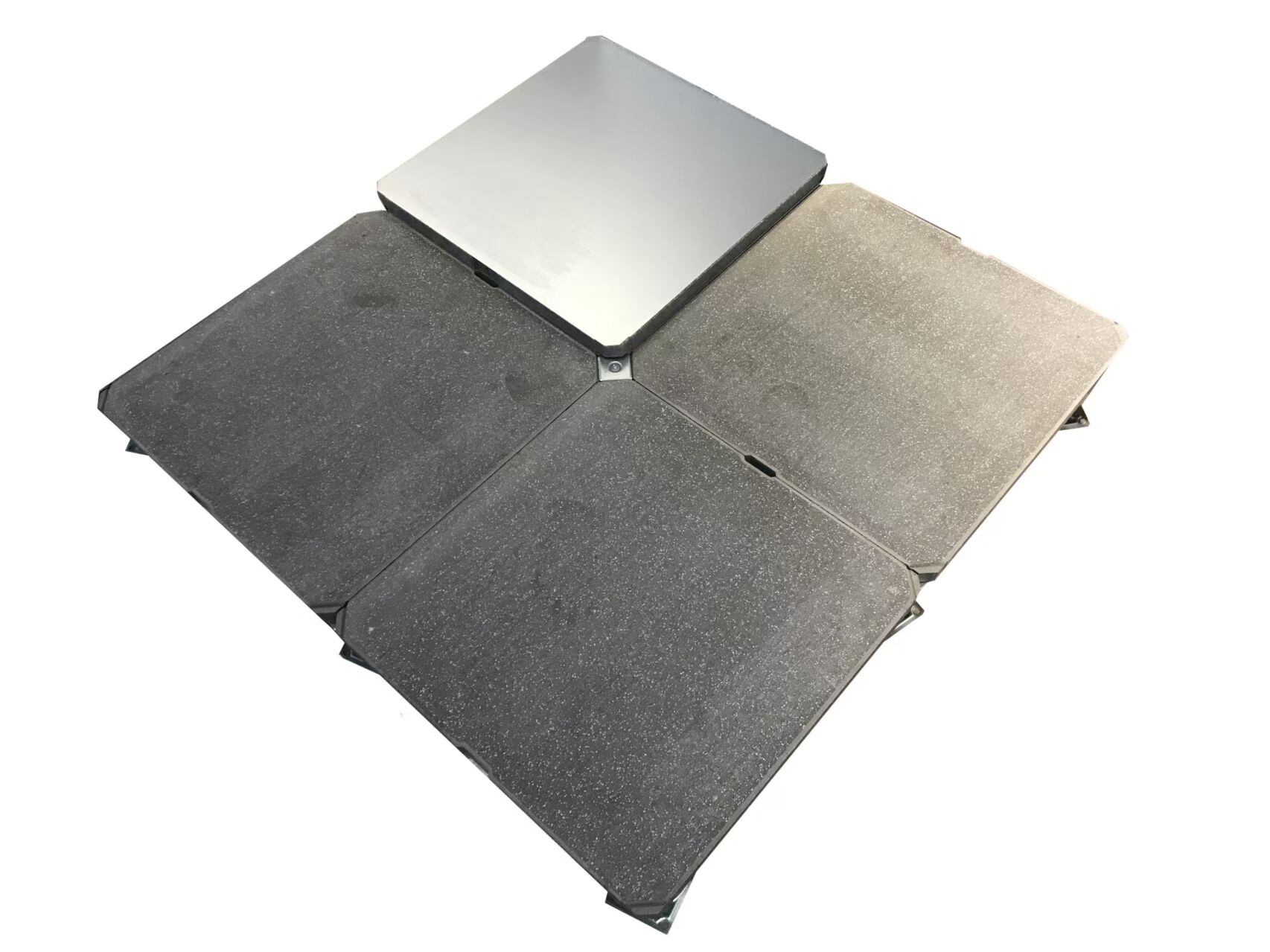
GRC Network Access Floor: Inorganic network flooring is an environmentally friendly flooring made of silicate, inorganic fiber, mineral fiber, quartz sand and other materials that are formed in a single process under high pressure.The flooring is supported by galvanized base at all four corners without cross beam system. Our patented technology is beveled at all four comers, and the four boards are combined into a square and fixed with square iron nuts.The support head is equipped with a round cushion positioning rubber pad to prevent the floor from shaking after the force caused by the sound,The height of the brace is adjustable: ±25mm.
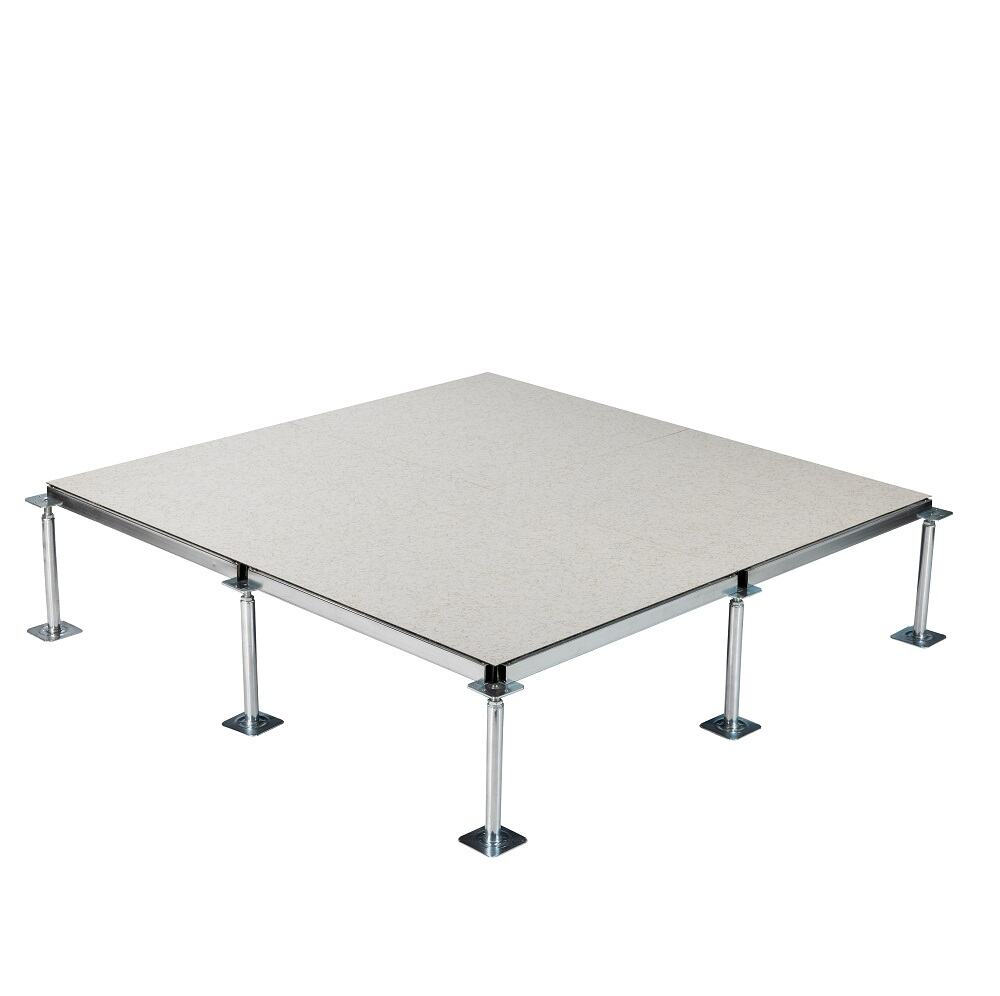
GRC Inorganic Cement Network Floor (Underside with Galvanized Sheet): The high quality GRC inorganic cement floor is used as the base material, and the base material is pasted with high qualty galvanized sheet. The system is a four-corner support type, that is, the four corners of the floor are directly laid on the suppor of the installation mode, which is mainly composed of ground plate, support, cushion and so on.
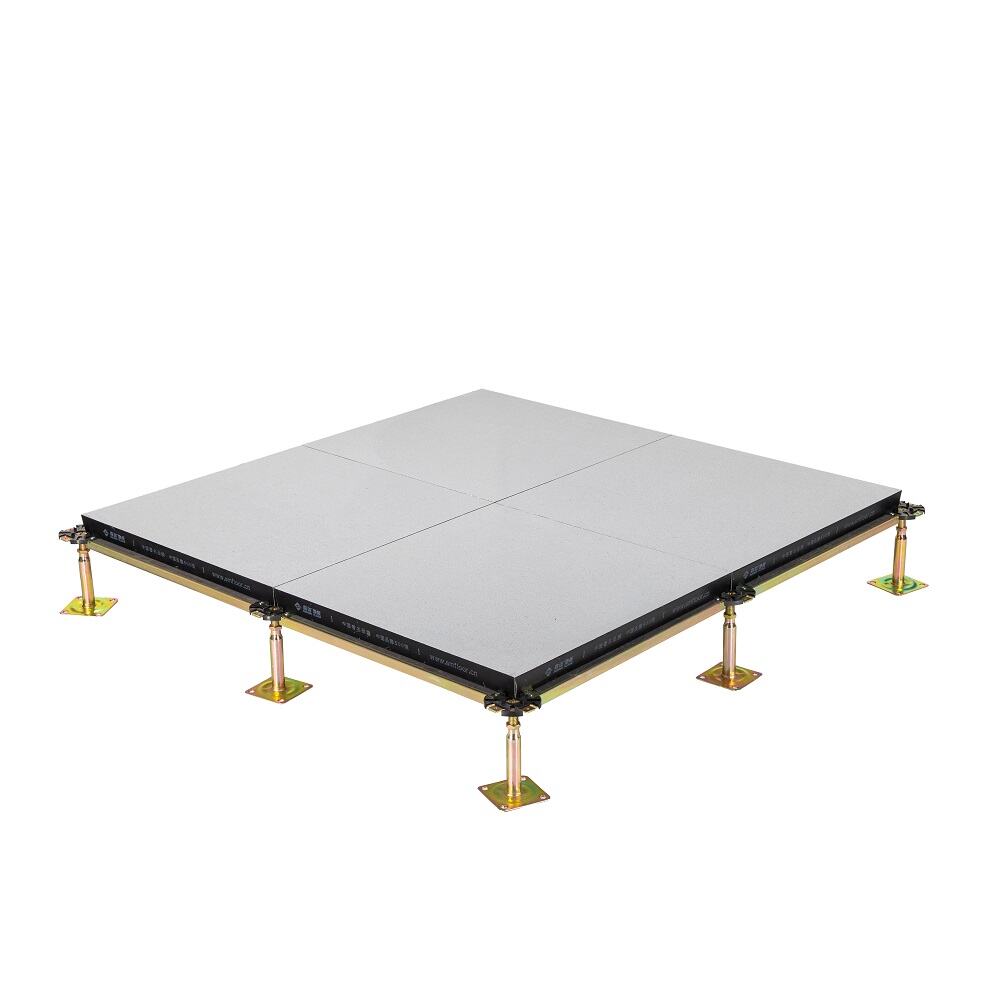
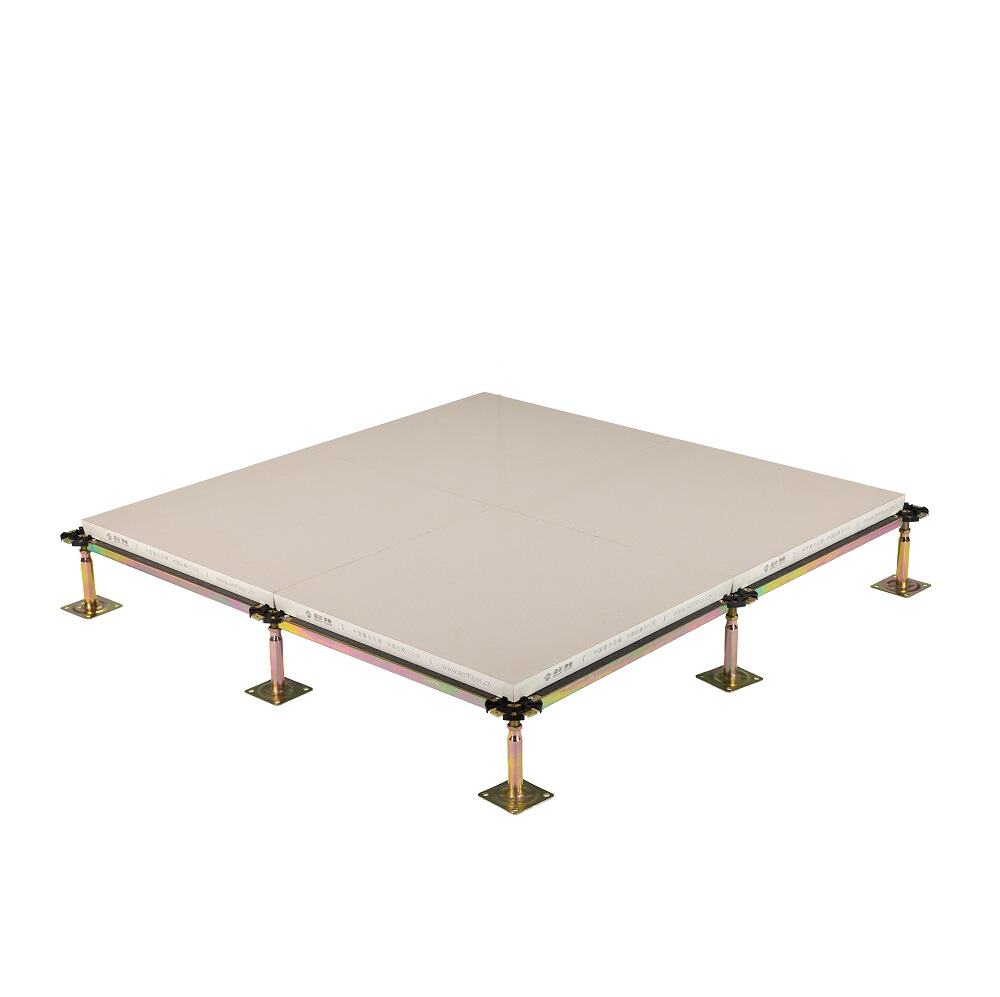
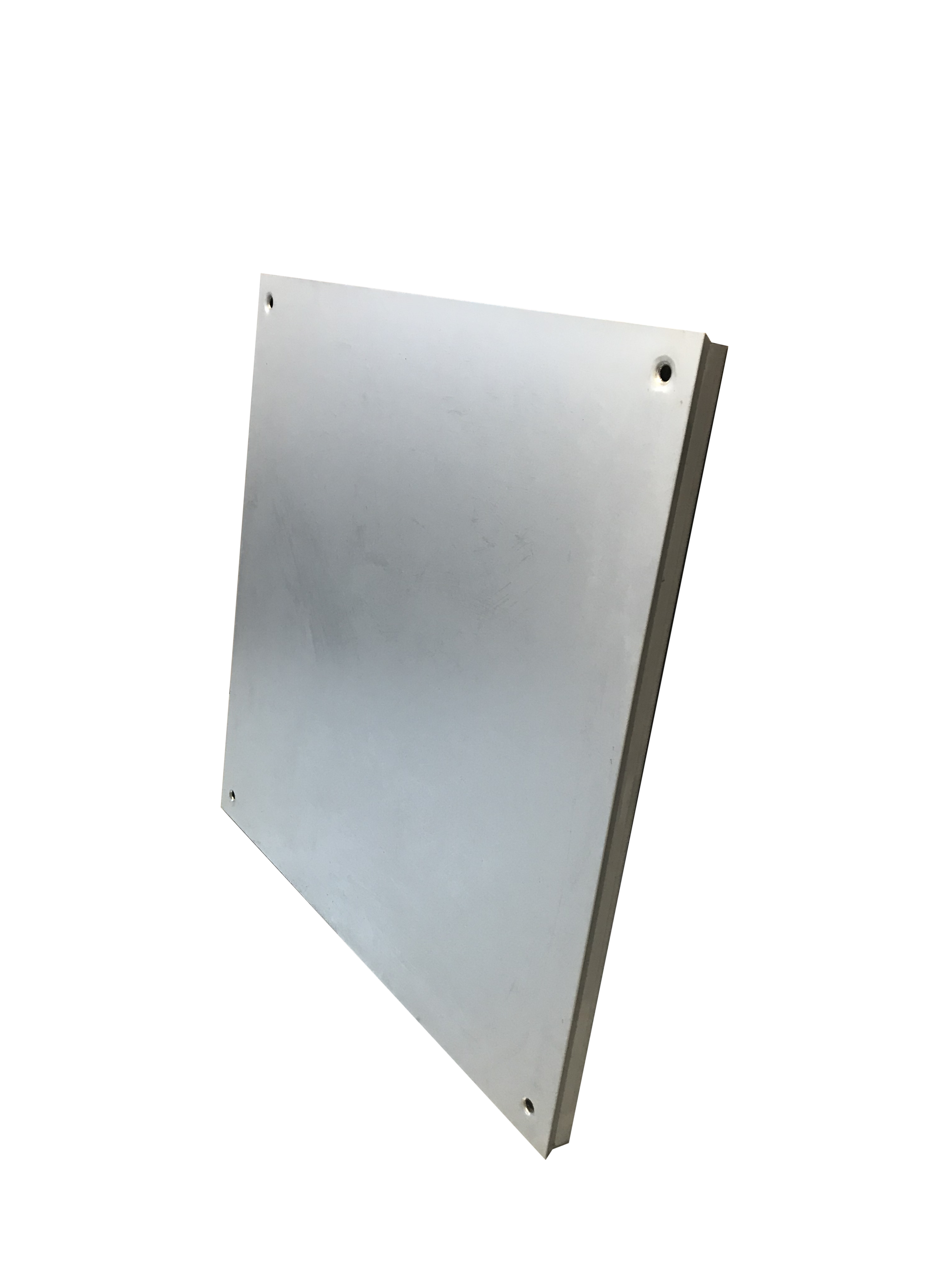
GRC Six-side All Inclusive Network Floor: High-qualtly GRC inorganic cement floor is used as the base malerial, high-quality galvanized sheet covers are used all around the base material, and the syslem is a four-corner supporting type, that is, the four corners of the floor are directly laid on the supporting installation, mainly has the floor plate, the support, the buffer pad and so on composition. Each floor can move freely, and can be replaced with other plates.
Performance Parameter
| International Standards |
Uniform Load | Concentrated Load |
Rolling Load | Rolling Load | Impact Load | Ultimate Load |
| (10 PASS) | (10 KPAAASS) | |||||
| FS 662 | 14.71 KN/㎡ | 300 KG | 2.45 KN | 2.00 KN | 100LB/45 KG | 8.85 KN |
| FS 800 | 17.78 KN/㎡ | 363 KG | 2.94 KN | 2.45 KN | 100LB/45 KG | 11.25 KN |
Product Features
• Inorganic network flooring has high flatness alter instalalion,no soft feeling,its surface laying materials can be used for laminate flooring, PVC, square carpet etc., while the surface of ordinary steel network flooring can only be laid sqauare carpet.
• Inorganic network flooing surface and the inner use of homogeneous materials, not afraid of hard obiects, metal objecs in the surface soratching, grinding once the damage can be repaired at any time, so the floor is suitable for cross-construction.
• The inorganic quality network will not have the phenamenon of rust and corrosion when cutting the edge when laying, and the floor is adapted to the marine environment and the room with heater.
Application
• Grade A office buildings
• Intelligent buildings
• Office buildings
• International shipping center
• Communication rooms
• All places where integrated wiring is required
Advantages
• Fireproof, waterproof, high bearing capacity and long life.
• lnorganic silicate has quite good heat barier effect and is non-combustible solid. when one side of the floor plus 600 ℃ flame intensity transfer to the other side takes 1H time. There is enough time to escape or salvage property.
• Inorganic quality silicate has the characteristic of insoluble in water if there is a leak and other situations this floor in the case of completely soaked in water still does not affect the quality of the floor, completely can be used.
• Inorganic flooring is tested in the deflection of 2mm, the bearing capacity can reach 350KG, while the national standard (steel plate thickness 0,8mm*0,8mm)steel network flooring can only reach 300KG.
• The main material of inorganic network flooring is similar to the main material of the building, so its service life is equal to that of the building.