EN
EN



Aluminum Anti- Static Air Flow Access Flooring
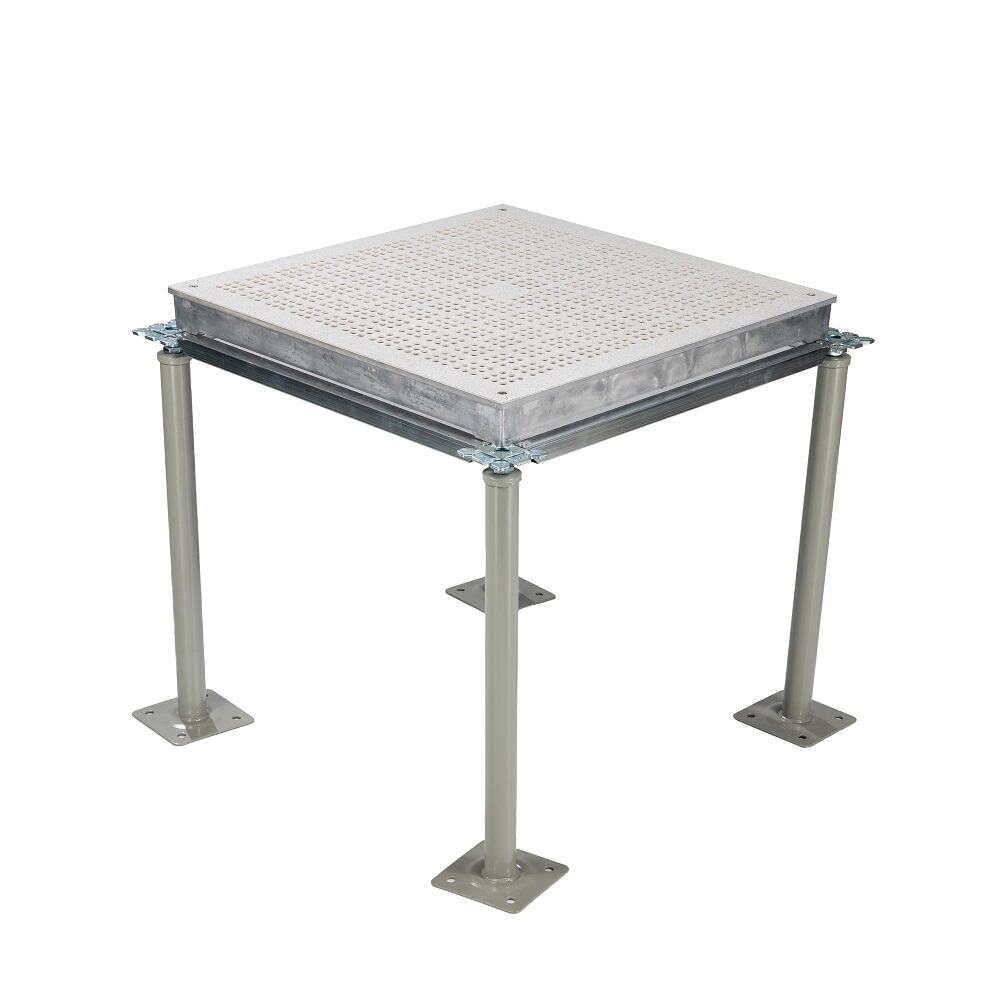
Aluminum air flow panel are high-performance flooring systems designed for cleanrooms, data centers, laboratories, and other technical environments requiring precise airflow management and reliable structural support. Manufactured from high-quality aluminum alloy using advanced high-pressure die-casting technology, the panels offer excellent dimensional accuracy, corrosion resistance, and long-term durability.
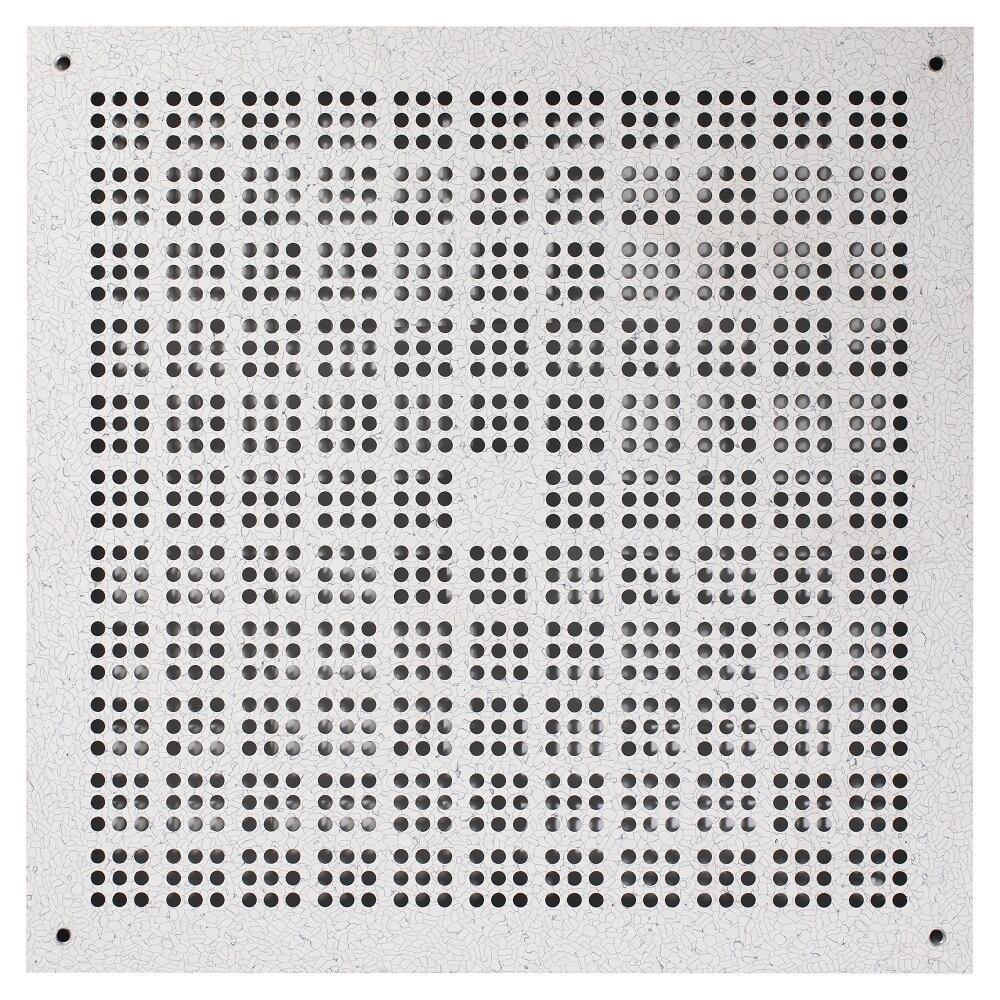
The covering of the aluminum anti-static air flow access floor the covering can use HPL, PVC, conductive electrostatic brick or others, while the surface of grate air flow panels can be epoxy powder coated or nickel-chromium electroplated as needed, so that the surface has a soft gloss, anti-corrosion and wear-resistant effect.
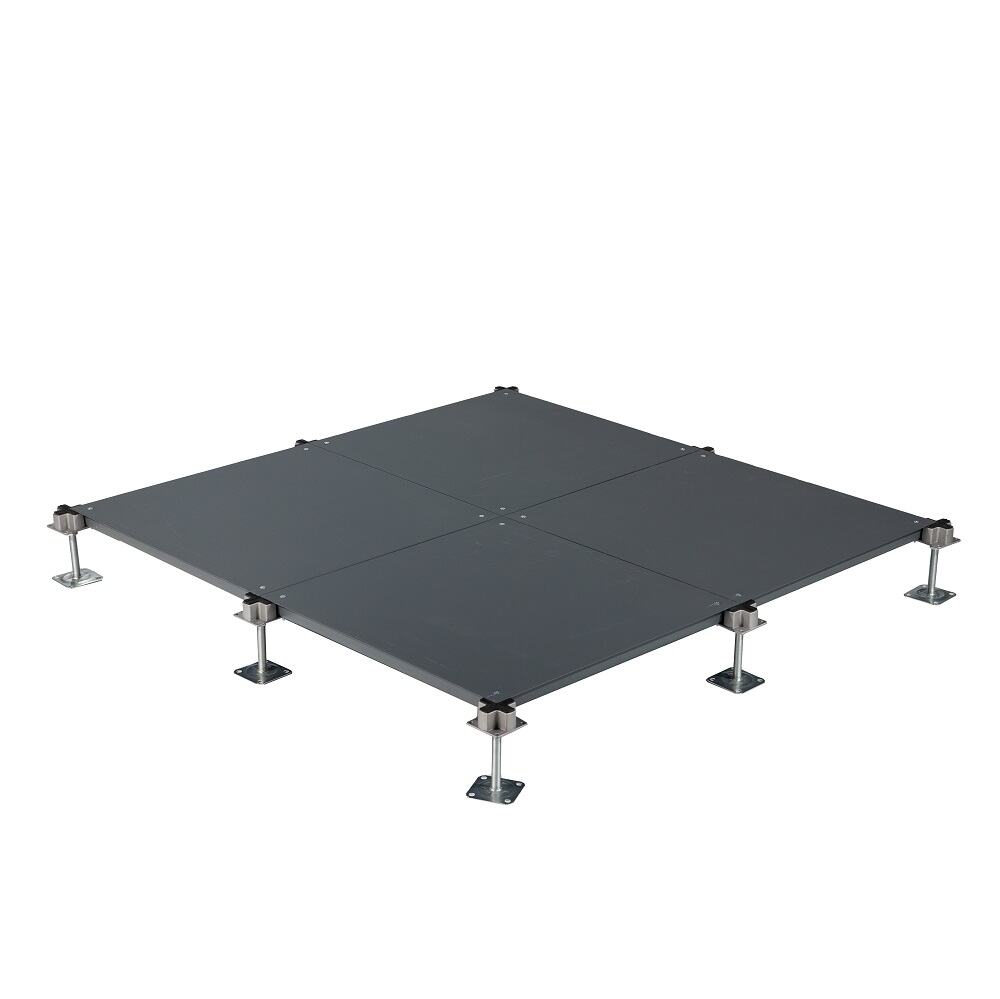
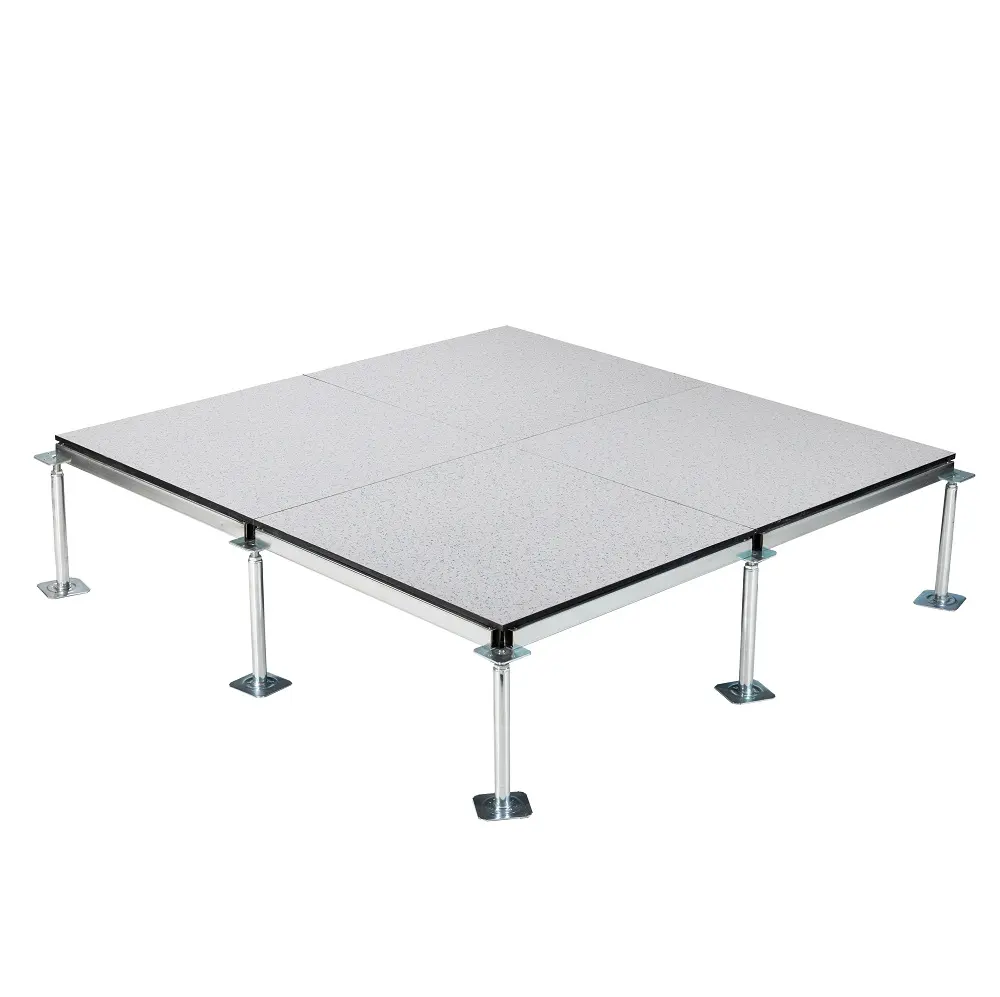
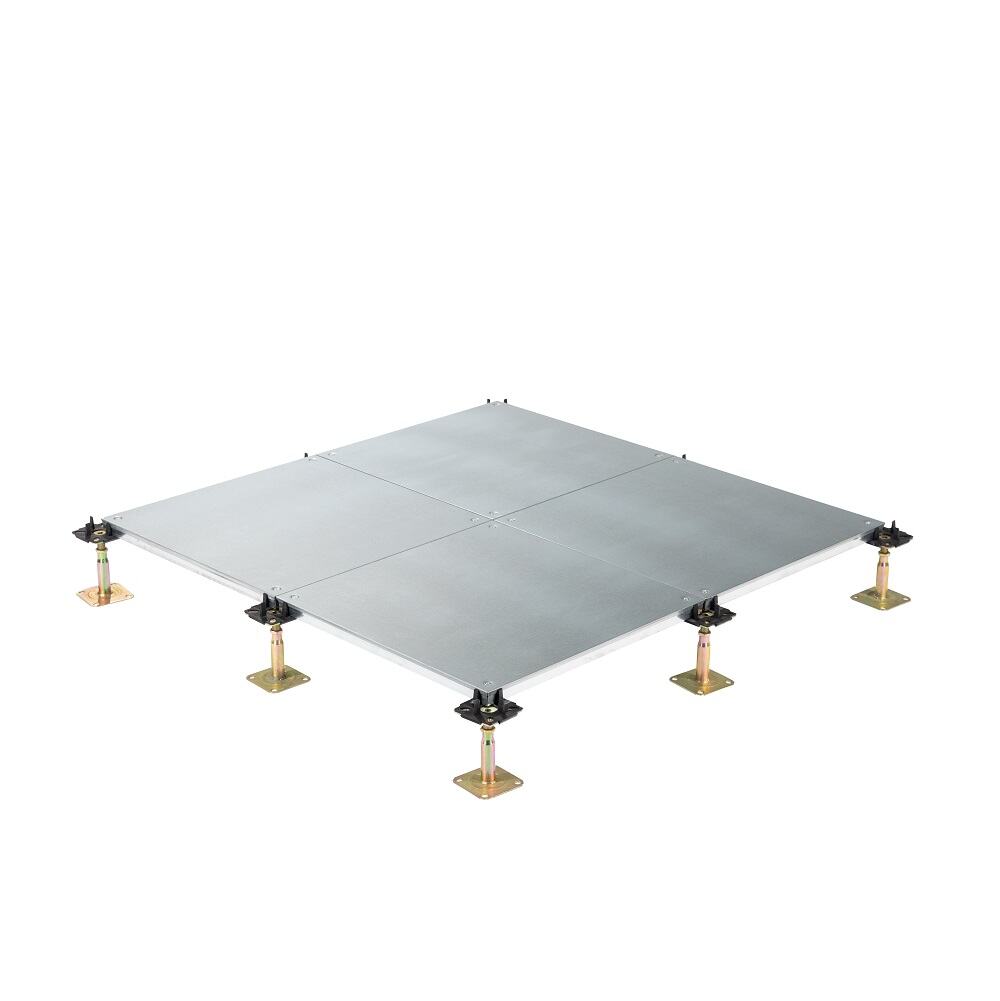
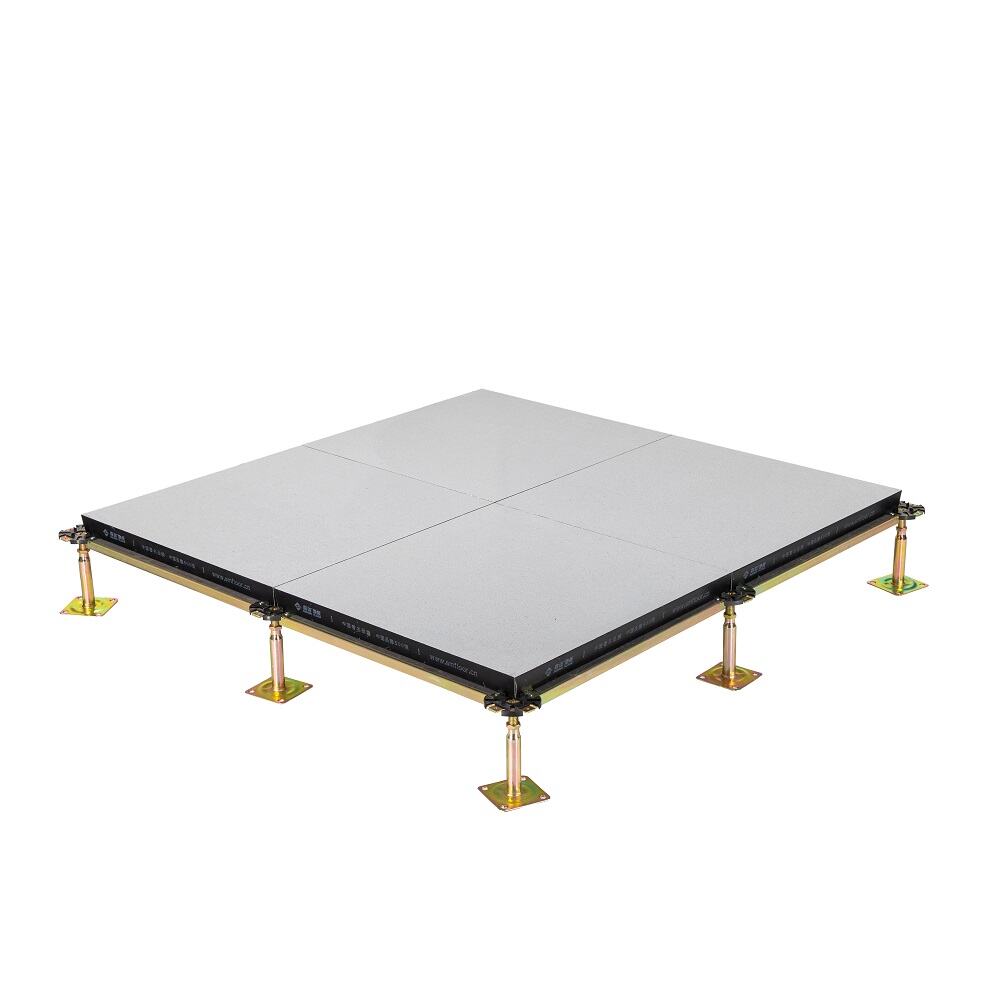
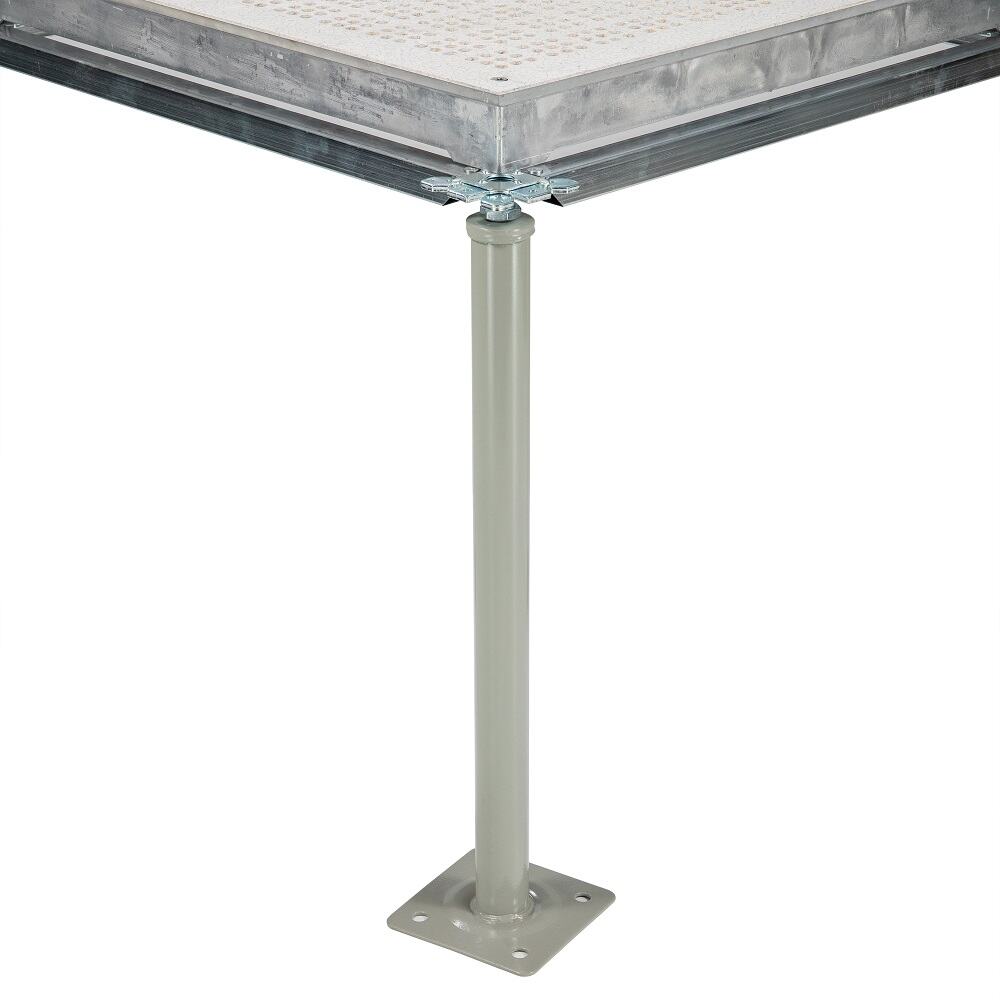
The raised access structure forms a stable system with adjustable pedestals, stringers, and sound-absorbing gaskets, creating an accessible underfloor space for cables, HVAC systems, and pipelines. With strong load-bearing capacity, lightweight construction, easy installation, and ventilation rates ranging from 17% to 50%, this flooring solution ensures flexible facility management, improved cooling efficiency, and stable performance in high-precision industrial and IT environments.
- Overview
- Recommended Products
Product Description
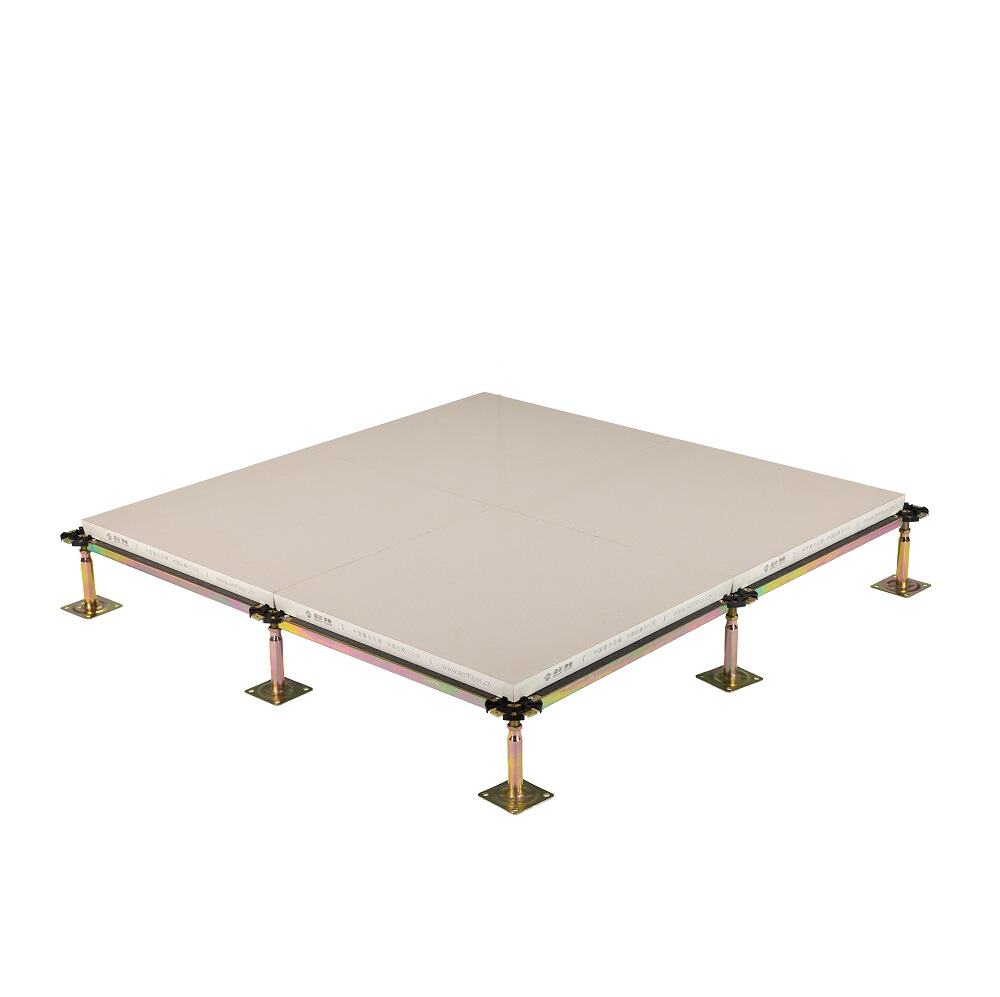
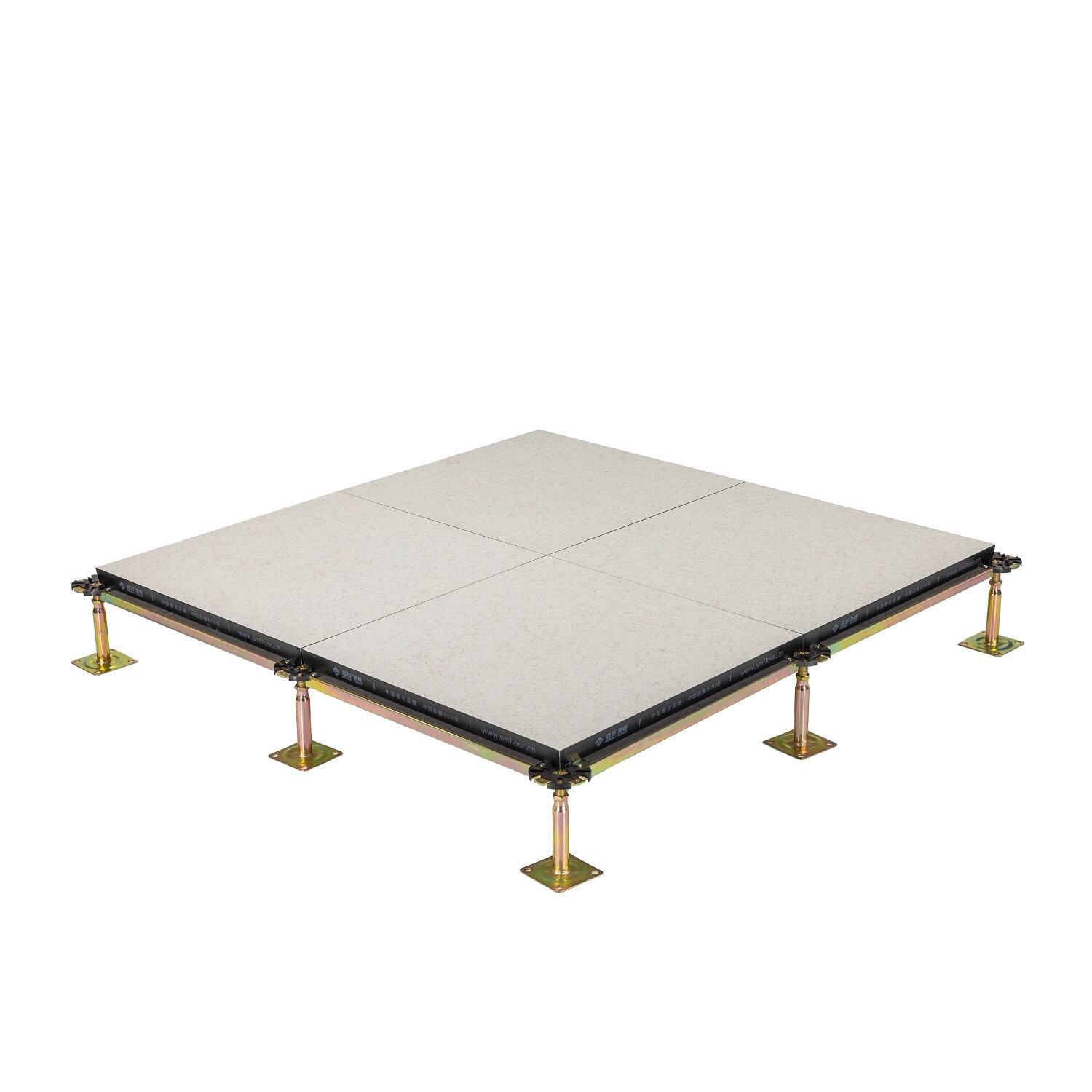
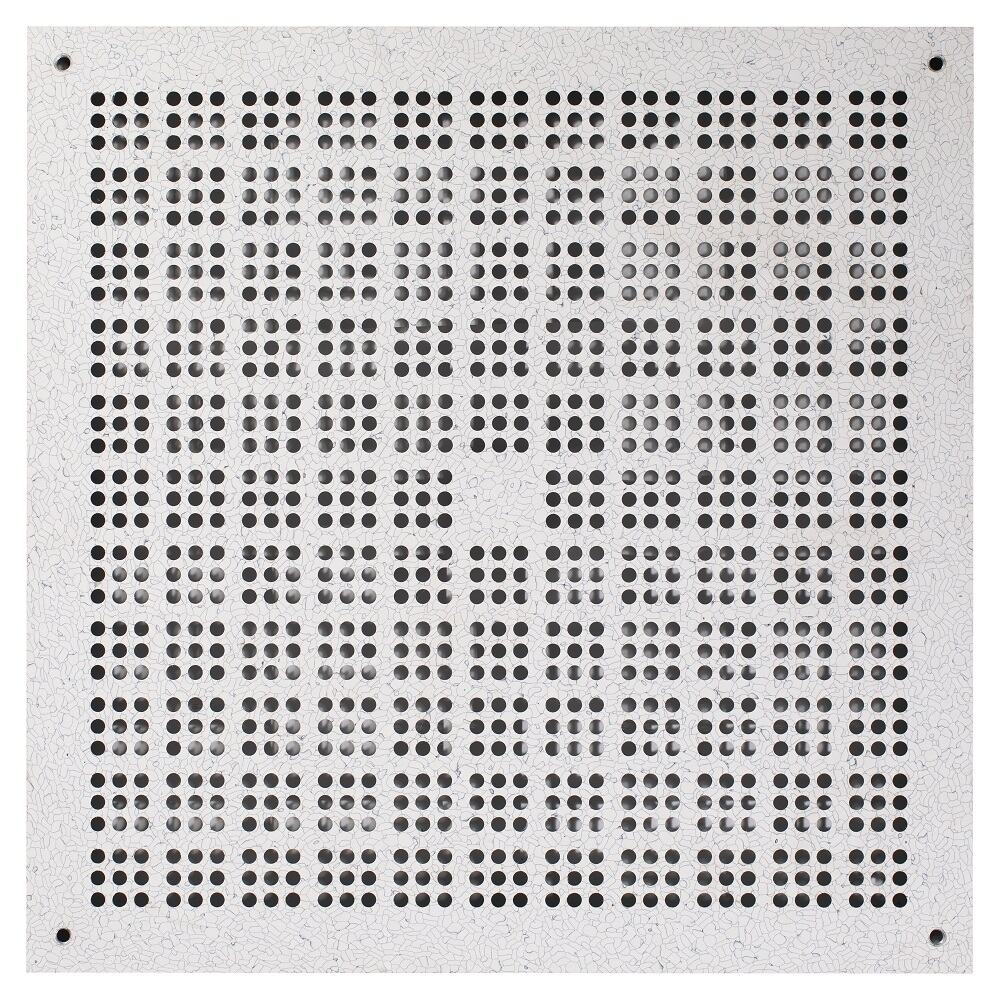
Aluminum Anti-static air flow access flooring is made of aluminum alloy ingot (ADC12) which is precision casted, integrated with high-load structure design, and then processed into air flow floors. The covering can use HPL, PVC, conductive electrostatic brick or others. Access floor system is a high stability structure with aluminum alloy anti-static floor panel, vertical support base, transverse pull stringer and sound-absorbing gasket. Precision die-cast aluminum panels with engineered perforations enable efficient air circulation for temperature regulation and particle control.
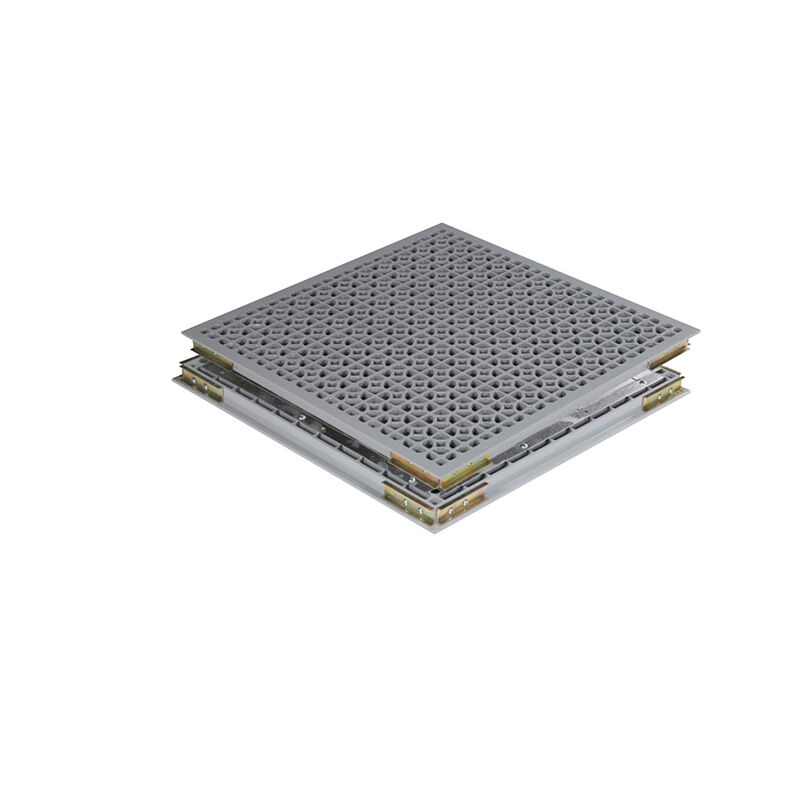
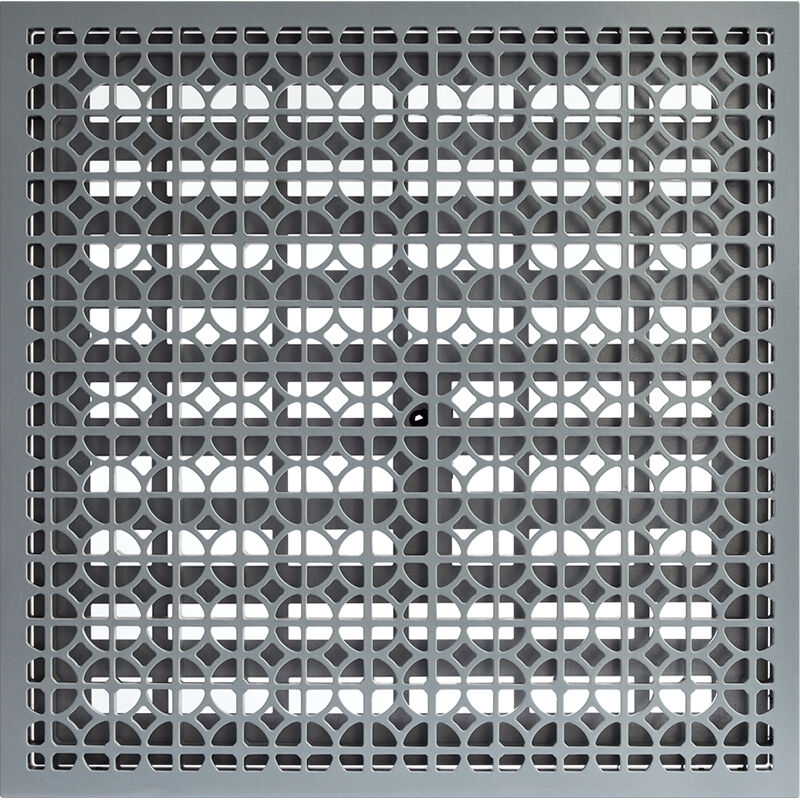
Aluminum Grate Anti- Static Air Flow Access Flooring use high pressure die casting process. Aluminum ingots are melted and formed by high pressure die casting machine in a vacuum. Which integrated the corrosion resistance and high strength of aluminum alloy. Thus the surface can achieve the effect of soft light, anti-corrosion and wear resistance.
Performance Parameter
| Project Detail | Finish | System Resistance |
Material |
Concentrated Load | Ultimate Load | Uniform Load |
| Deflection ≤ 2.0mm | Deflection≤ 1.0mm | |||||
| HLS 300 | HPL / PVC | Conductive 10^4 - 10^6Ω or Static Dissipative 10^6 - 10^9Ω | Die-cast Aluminum | 300kgf/6.45c㎡ | 600kgf/6.45c㎡ | 600kgf/6.45㎡ |
| HLS 500 | 500kgf/6.45c㎡ | 1000kgf/6.45c㎡ | 1000kgf/6.45㎡ | |||
| HLS 700 | 700kgf/6.45c㎡ | 1400kgf/6.45c㎡ | 1400kgf/6.45㎡ | |||
| HLS 1000 | 1000kgf/6.45c㎡ | 2000kgf/6.45c㎡ | 2000kgf/6.45㎡ | |||
| HLS 1200 | 1200kgf/6.45c㎡ | 2400kgf/6.45c㎡ | 2400kgf/6.45㎡ | |||
| HLS 1500 | 1500kgf/6.45c㎡ | 3000kgf/6.45c㎡ | 3000kgf/6.45㎡ | |||
| HLS 2000 | 2000kgf/6.45c㎡ | 4000kgf/6.45c㎡ | 4000kgf/6.45㎡ |
Product Features
Aluminum Anti-static air flow access flooring
• Floor component standard, high predsion, easy construction and good interchangeablity;
• High load structure design, erection height can be adjusted;
• High wear resistance of PVC covering, effectively solve the veneer fracture, warping and other problems;
• Customer can chocse panel color, material and function according to the requirements;
• Moisture proof. Rust - proof, fire - proof, durable, recycle long-tem used floor material;
• Good ventilation perfomance:15% -50%;
• The floor can be used for class 10 to class 100,000 purification rooms.
Aluminum Grate Anti- Static Air Flow Access Flooring
• Solid structure, strong bearing capacity and over striking capacity
• Complete accessories, flexible combination
• High flexiblity;
• Easy to handle and install floor materials;
• Lightweight floor and system weight;
• Adjustable floor height (up to 1000mm according to customer's requirement).
Application
Senmai Floor provide the best solution for the whole refrigeration cycle. According to the user's requirements, aluminum air flow panel can coordinate the different system, such as:
• Workshop
• Laboratories
• Clean room
• Measuring room
• Data center
• The print factory
• Computer center
Advantages
• High Strength & Load Capacity
Manufactured from high-quality ADC12 aluminum through precision die-casting, the panels provide excellent structural strength, stability, and reliable load-bearing performance for heavy equipment environments.
• Efficient Airflow & Cooling
Grate airflow panels allow controlled air distribution (15%–50% ventilation rate), improving cooling efficiency and temperature regulation in data centers, cleanrooms, and technical facilities.
• Excellent Cleanroom Performance
Smooth aluminum surfaces reduce dust accumulation and particle generation, helping maintain strict cleanliness standards in laboratories, semiconductor facilities, and pharmaceutical plants.
• Flexible Underfloor Infrastructure
The raised floor system creates an accessible space for power cables, data wiring, HVAC ducts, and pipelines, allowing convenient maintenance, upgrades, and system adjustments.
• Corrosion-Resistant & Long Service Life
Aluminum construction offers strong resistance to corrosion, moisture, and chemicals, ensuring long-term durability while remaining lightweight and fully recyclable.