EN
EN



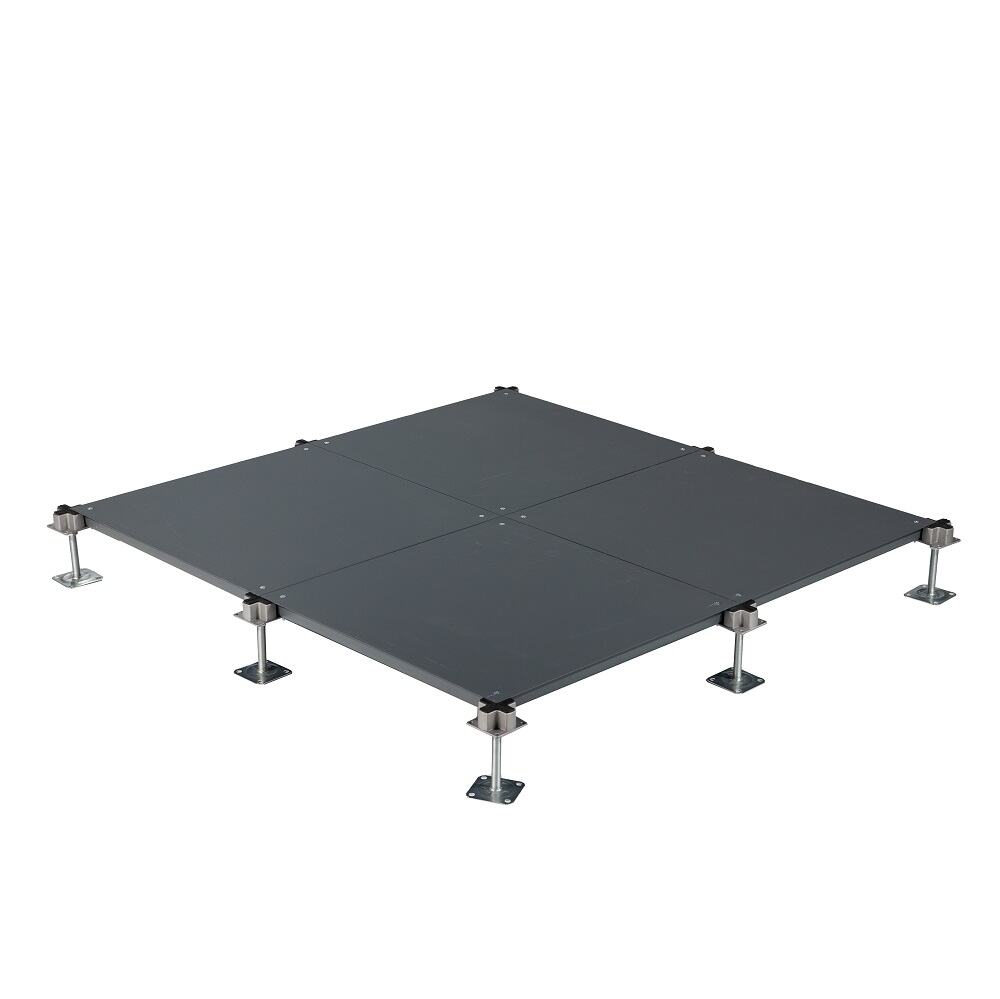
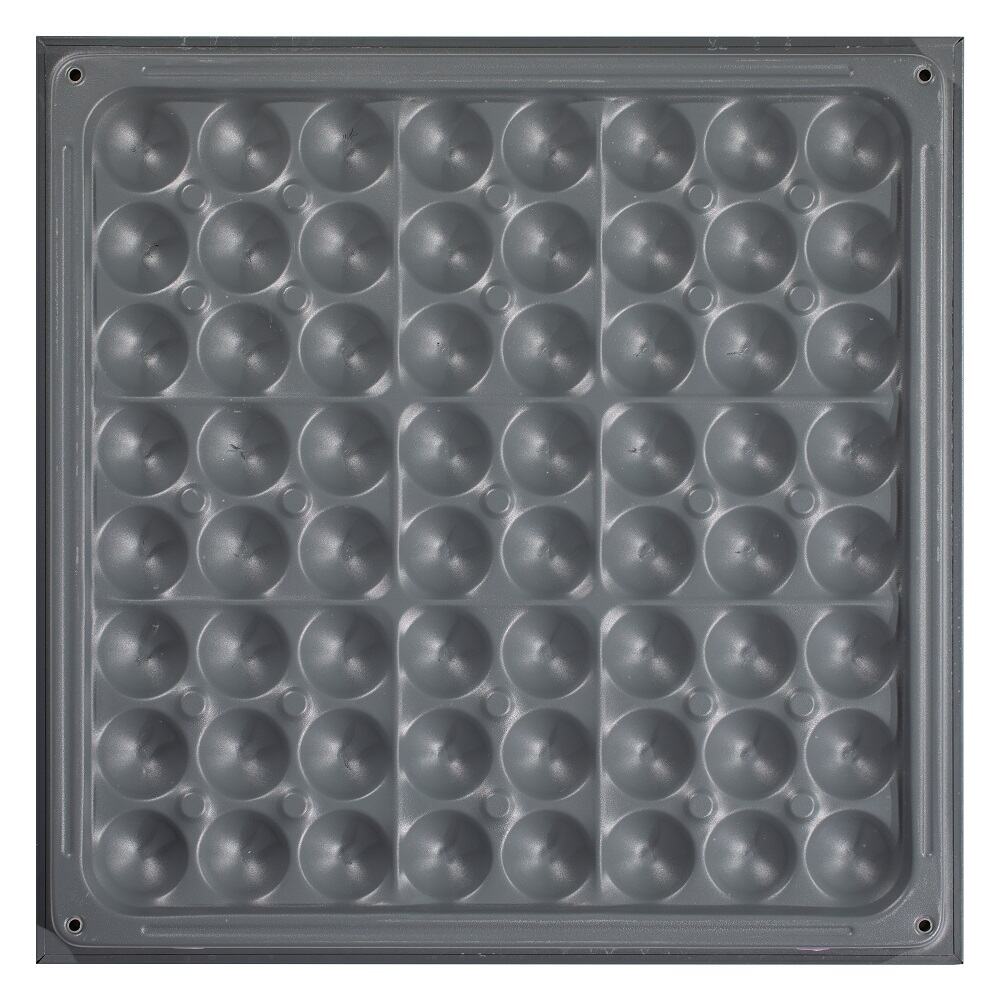
OA600 Steel Raised Access Flooring
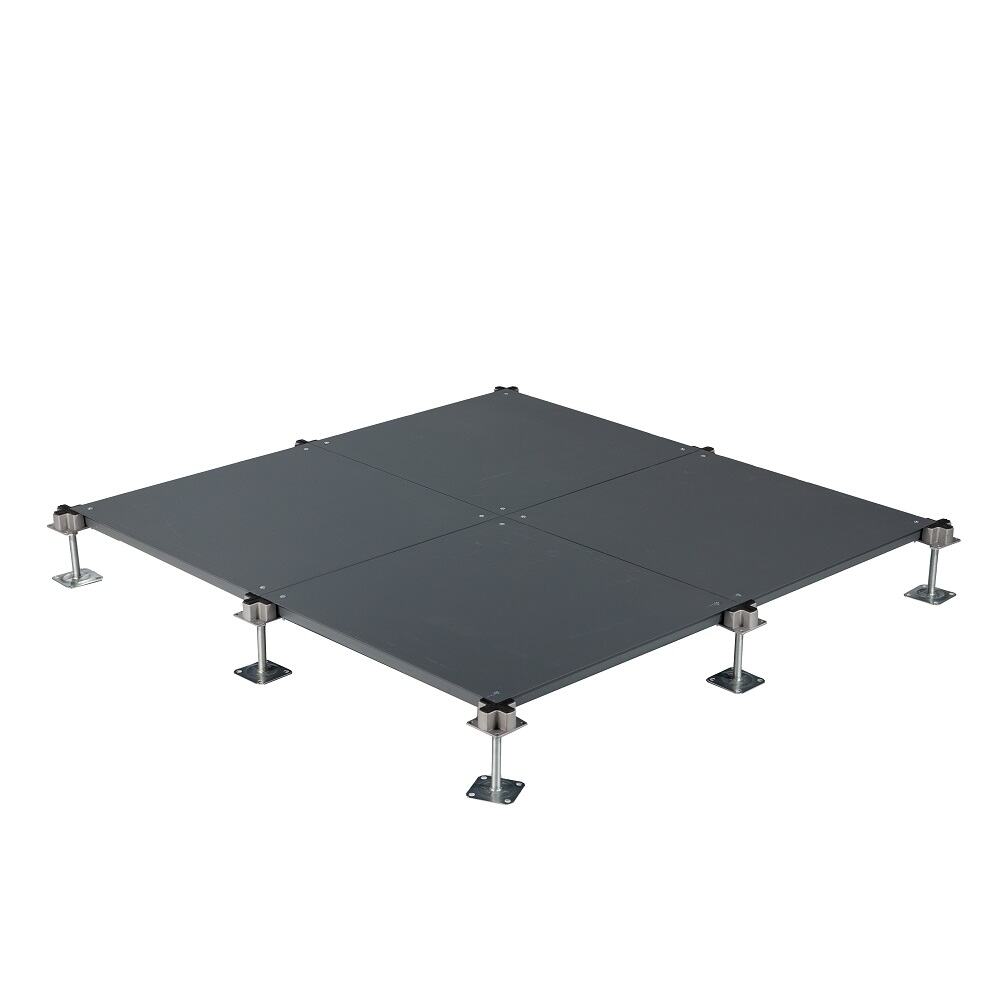
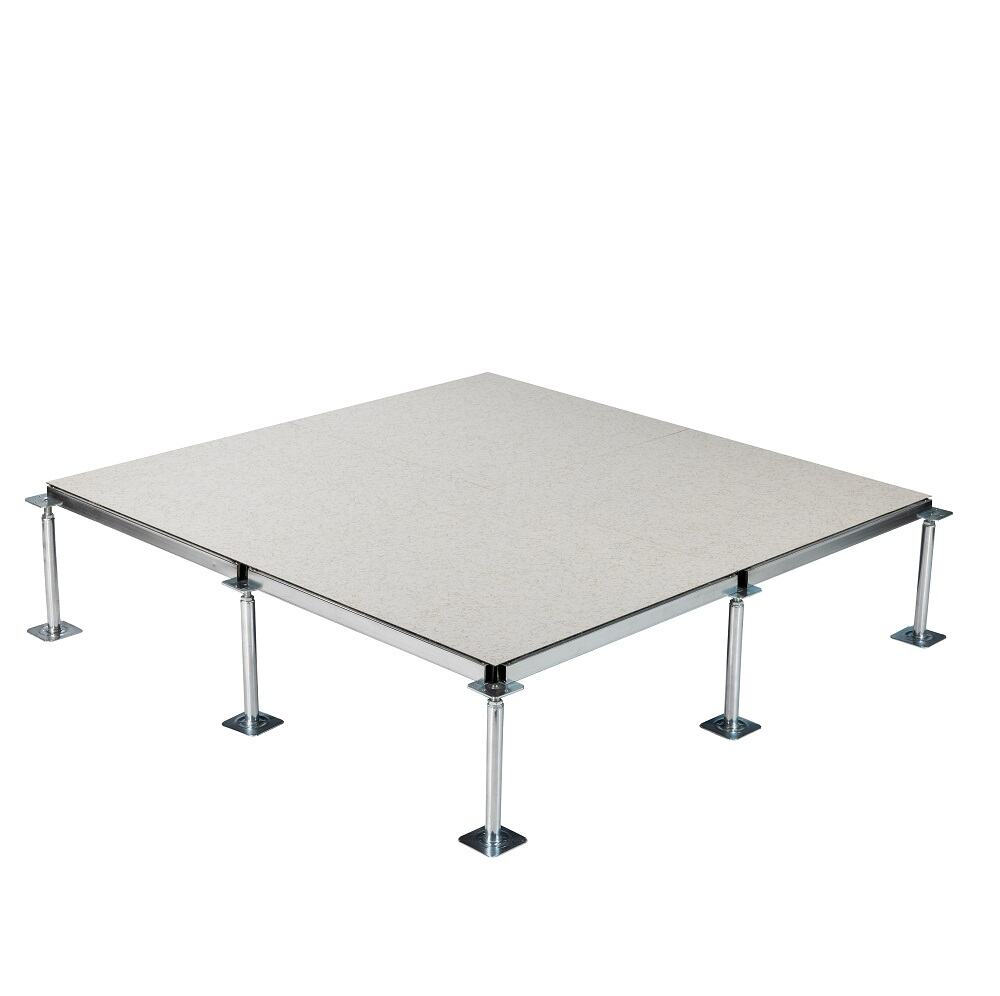
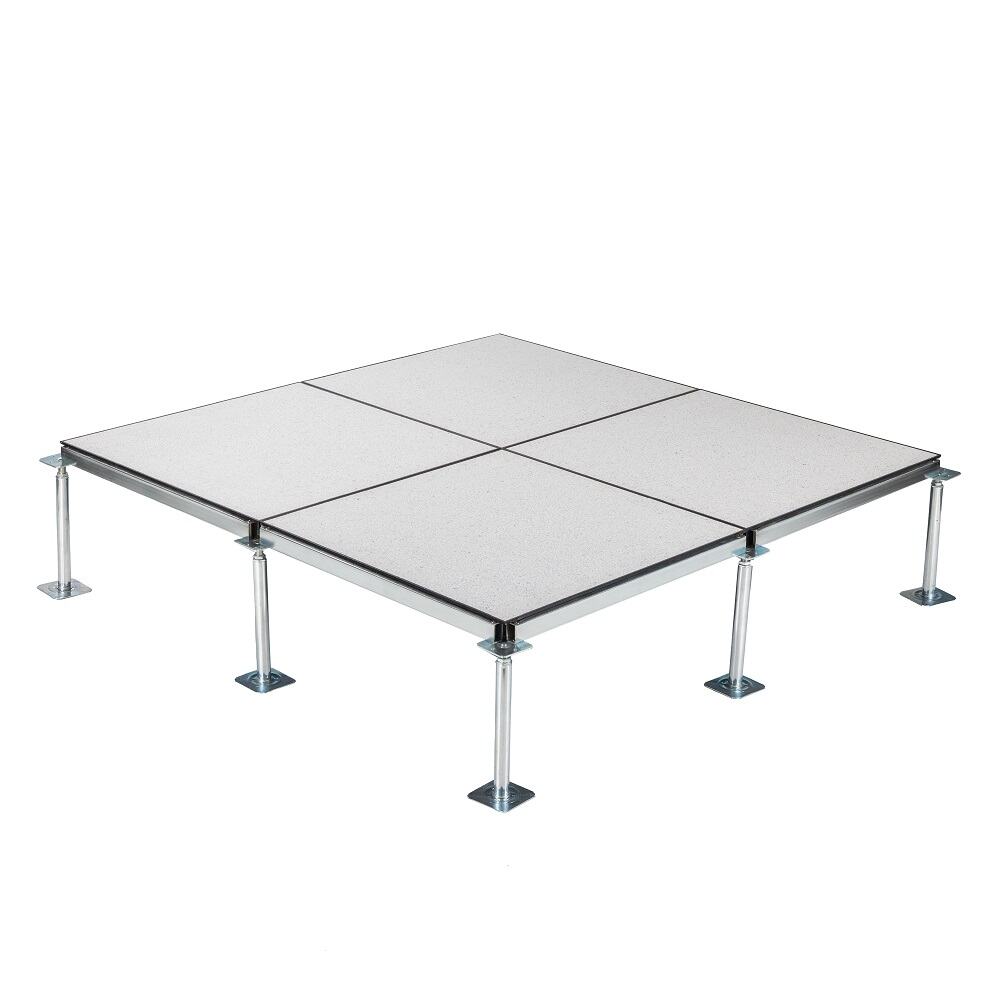
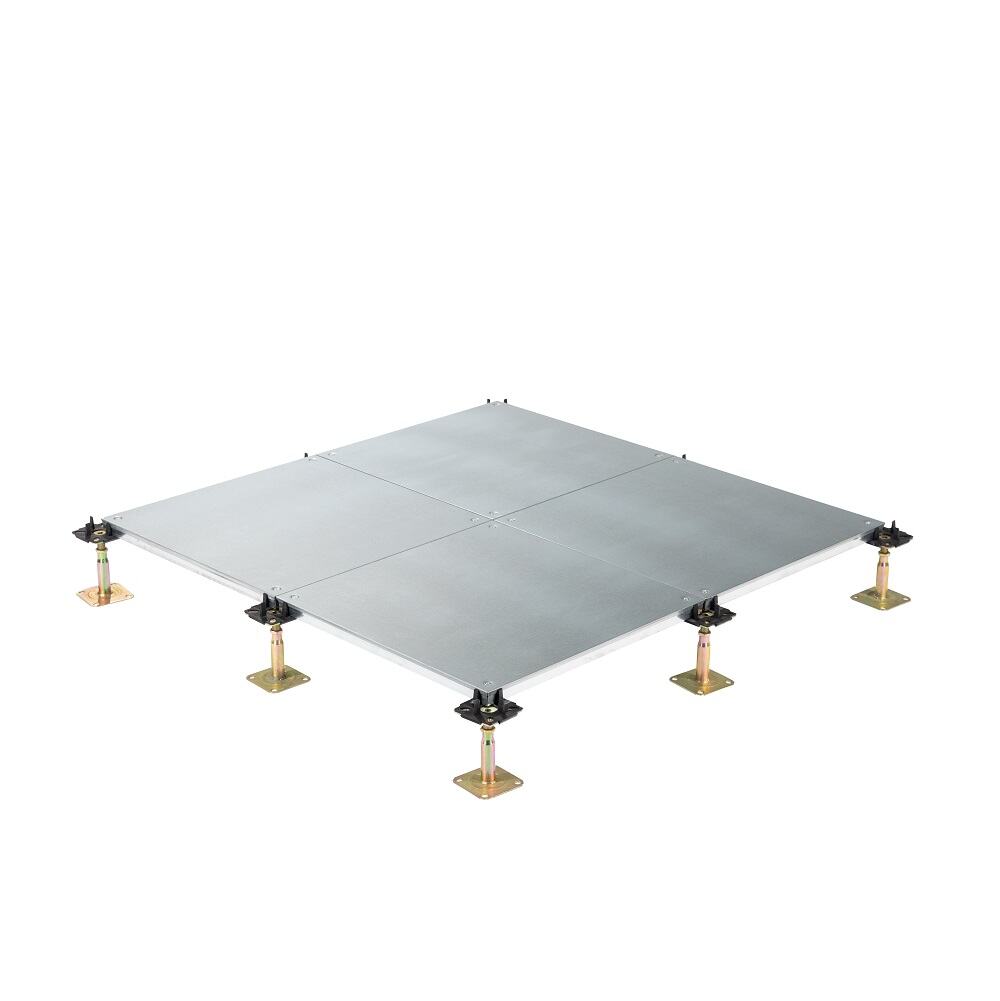
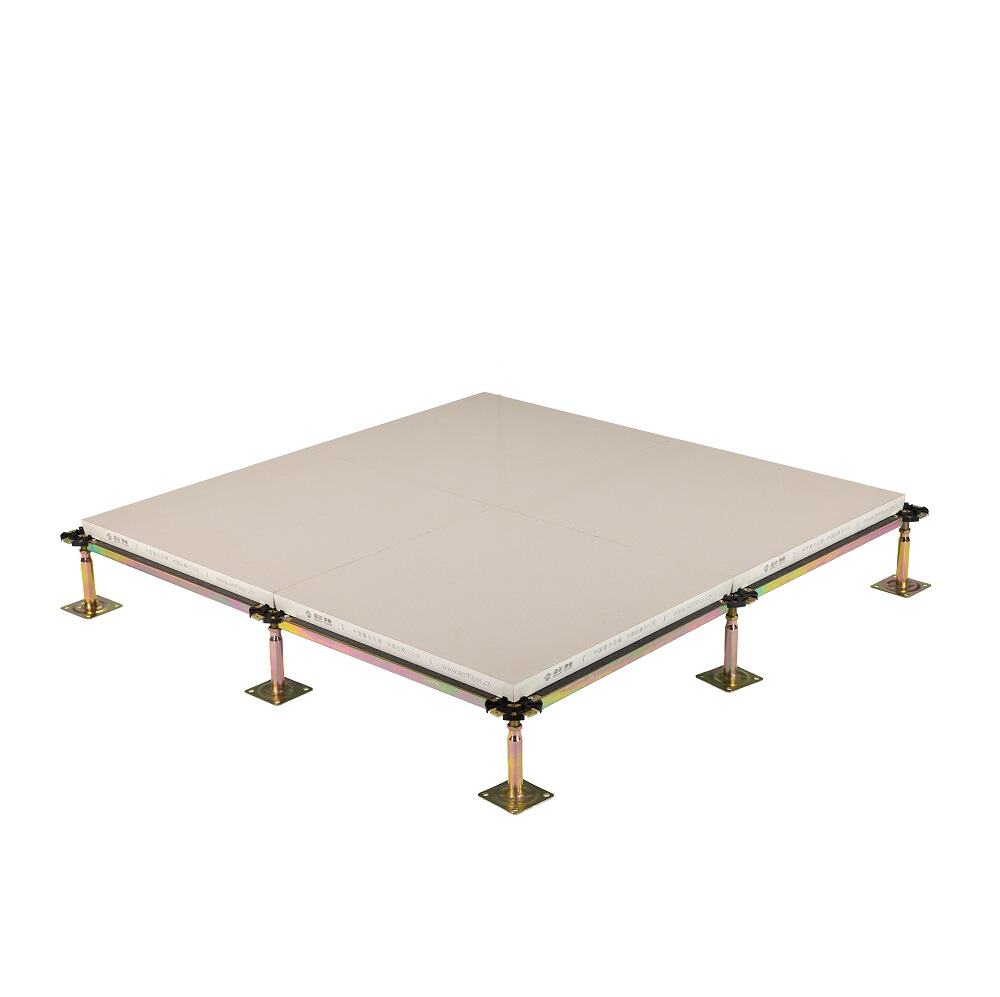
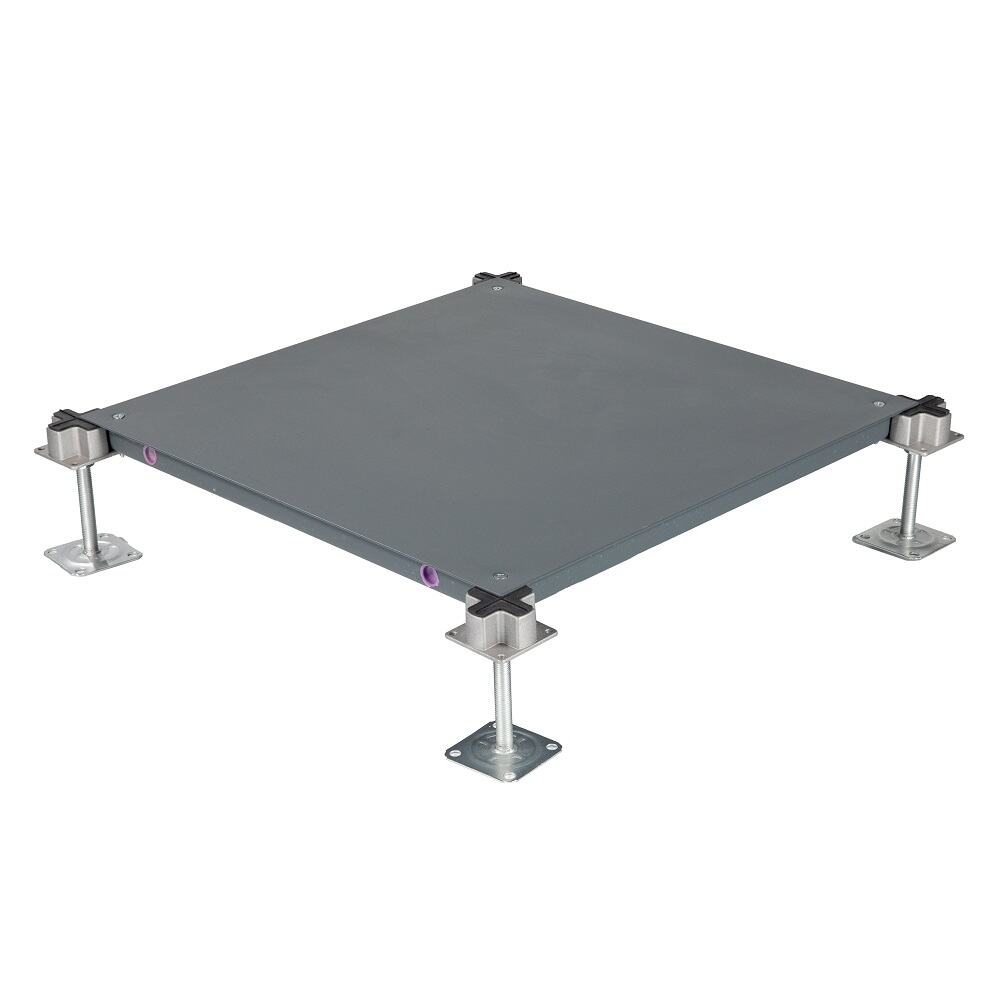
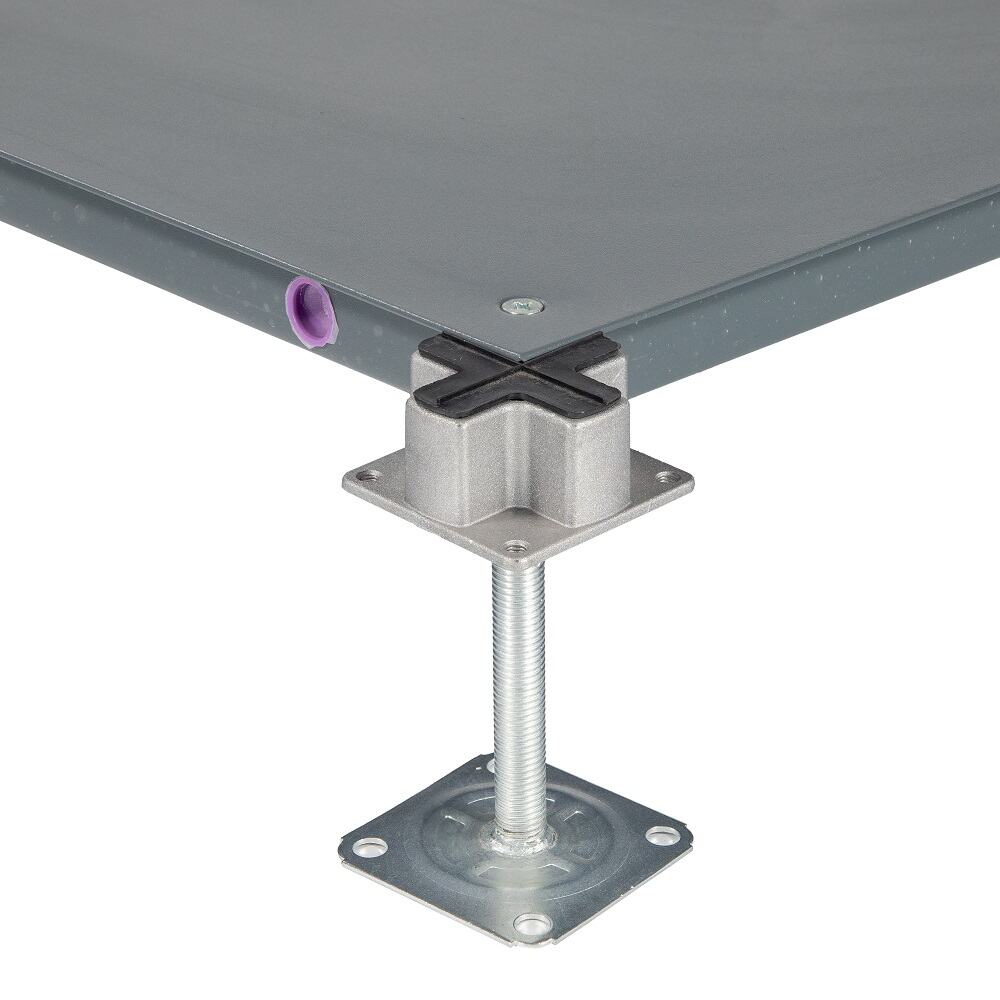
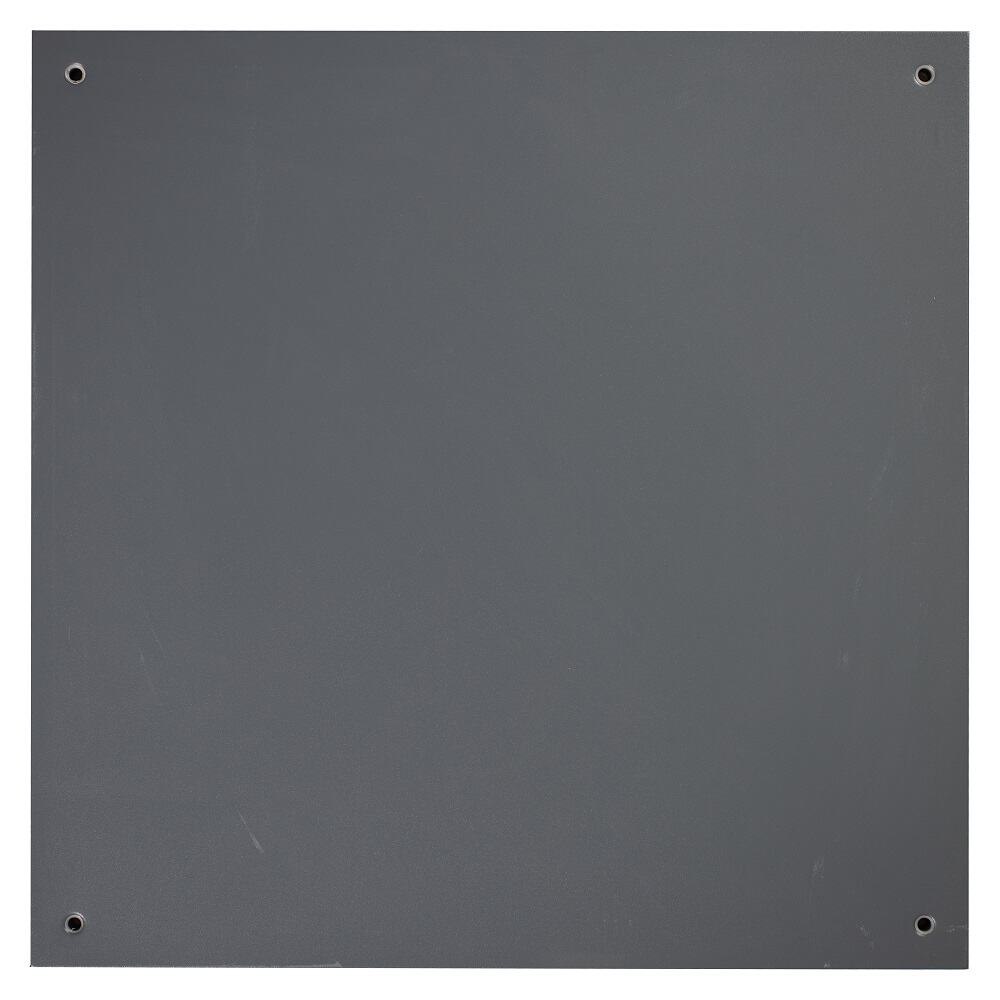
The OA600 steel raised access floor adopts a four-corner support structure. The high-quality cold-rolled steel sheet is stretched and spot welded.The outer surface is treated by spraying plastics after phosphating. The inner cavity is filled with foamed cement, and the four corners are provided with corner keyholes. Cable trunking can be added around the floor according to the use requirements. The wiring is more fiexible, which can separate strong and weak current, facilitate maintenance, save building space, and reflect the overhead function of the floor.
- Overview
- Recommended Products
Product Description
OA600 Steel Raised Access Flooring is engineered with a reinforced support design that ensures excellent stability and long-term performance in modern office and commercial environments. Each panel is fabricated from premium cold-rolled steel, precisely formed to achieve consistent strength and flatness, and the enclosed core structure enhances overall rigidity and load-bearing capacity.
The panel surface undergoes protective coating treatment, delivering a smooth finish with strong resistance to wear, corrosion, and daily abrasion. Inside, the solid core construction effectively improves impact resistance and sound insulation. Pre-designed four corner keyholes allow secure installation on the pedestal system and support flexible layout planning. Optional perimeter cable management and trunking systems can be integrated beneath the floor, enabling organized separation of power and data cables, easier inspection and upgrades, and more efficient use of building space. This system fully supports the functional demands of raised flooring while maintaining a clean, professional appearance.
Performance Parameter
| International Standards |
Specification | Concentrated Load |
Rolling Load | Rolling Load | Ultimate Load | Uniform Load |
| (10 PASS) | (10 KPAAASS) | |||||
| FS 450 | 10.00 KN/㎡ | 204 KG | 1.78 KN | 1.56 KN | 75LB/34 KG | 6.89 KN |
| FS 662 | 14.71 KN/㎡ | 300 KG | 2.45 KN | 2.00 KN | 100LB/45 KG | 8.85 KN |
| FS 800 | 17.78 KN/㎡ | 363 KG | 2.94 KN | 2.45 KN | 100LB/45 KG | 11.25 KN |
| FS 1000 | 22.22 KN/㎡ | 454 KG | 3.56 KN | 2.67 KN | 150LB/68 KG | 14.50 KN |
| FS 1250 | 27.78 KN/㎡ | 567 KG | 4.45 KN | 3.56 KN | 150LB/68 KG | 18.36 KN |
| FS 1500 | 33.34 KN/㎡ | 680 KG | 5.56 KN | 4.45 KN | 175LB/68 KG | 22.17 KN |
Product Features
• Lightweight cement infill makes the steel raised floor panel solid and quiet
• Metallic surface pretreatment and epoxy paint finish make panel for life time protection
• Class A flame spread rating
• Completely non-combustible
• All-steel pedestals provide excellent impact load performance
• Panels are convenient to interchange
• The whole system is easy to install
• Cost saving and environmentally friendly
Application Scenarios
• Office spaces
• Classroom
• Training facilities
• Libraries
• Meeting rooms
• The places where demand wiring and cabling
• The old building floor renovation
Advantages
• Fireproof & Non-Combustible: Made of galvanized steel and cement filling, the panels are non-combustible, fire-resistant, and do not release toxic gases, ensuring high safety in critical environments.
• High Mechanical Strength: Precision-formed steel structure provides excellent strength and stability, meeting international standards and supporting heavy static and dynamic loads.
• Sound Insulation: The composite steel-and-cement structure reduces vibration and impact noise, improving acoustic performance in commercial and technical spaces.
• Excellent Load Capacity: Uniform load distribution ensures edge load capacity equal to center load, preventing warping and maintaining long-term flatness.
• Durable & Eco-Friendly: Steel components are recyclable and designed for long service life, reducing material waste and replacement frequency.
• Moisture & Corrosion Resistant: Galvanized steel and protective coatings provide reliable resistance to moisture, humidity, and corrosion.