EN
EN



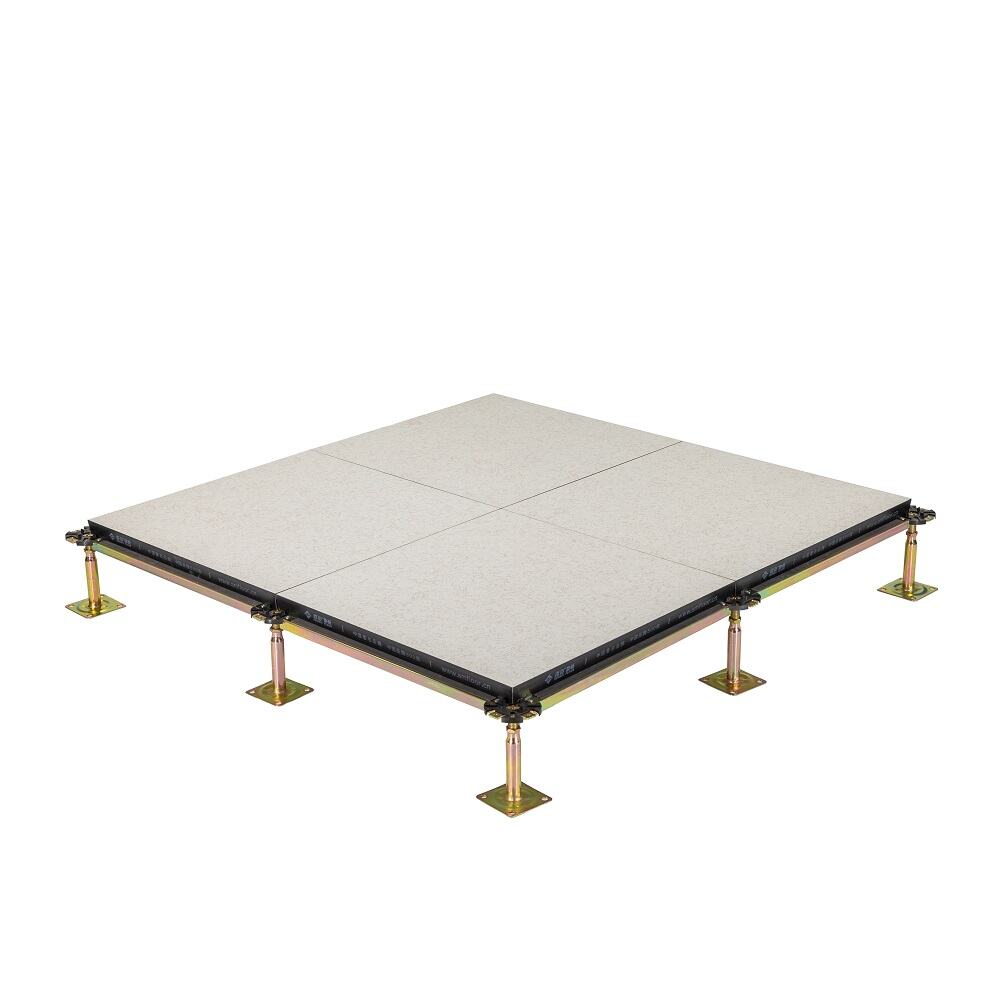
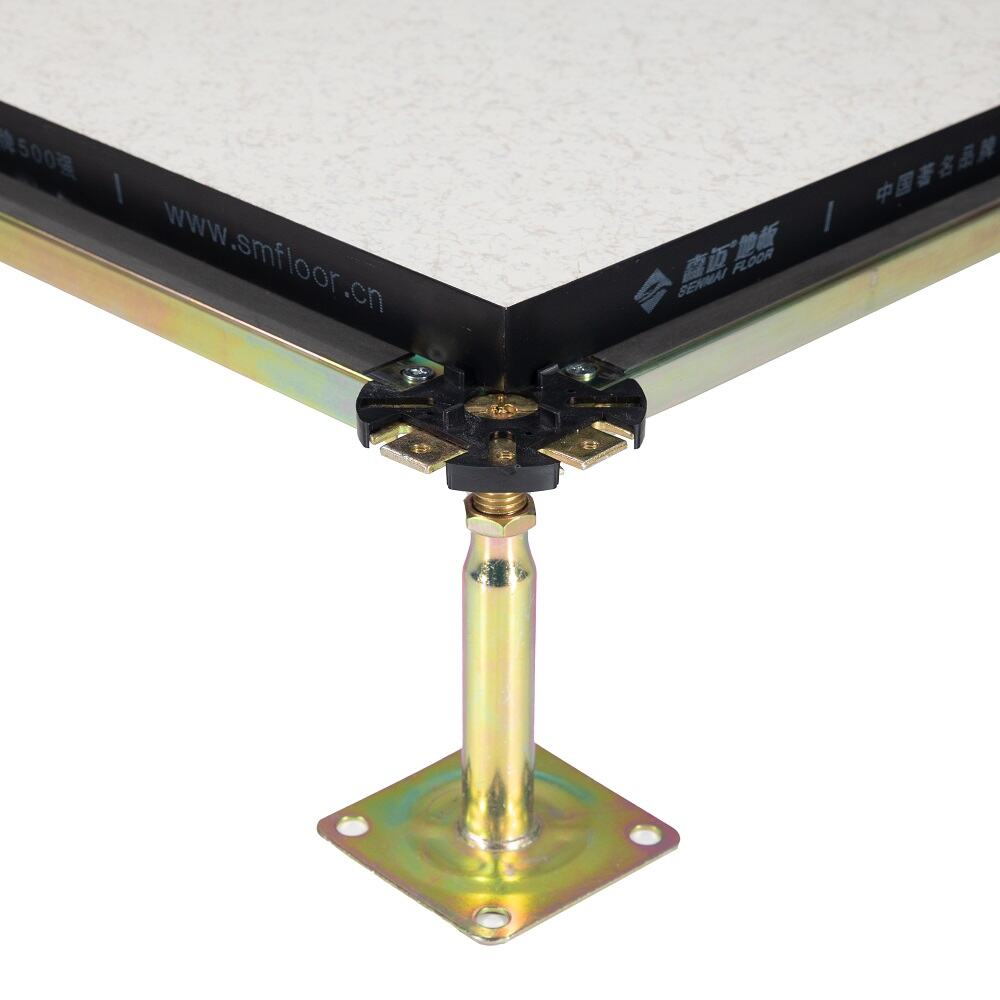
Anti-Static Calcium Sulfate Access Flooring – HPL Finish
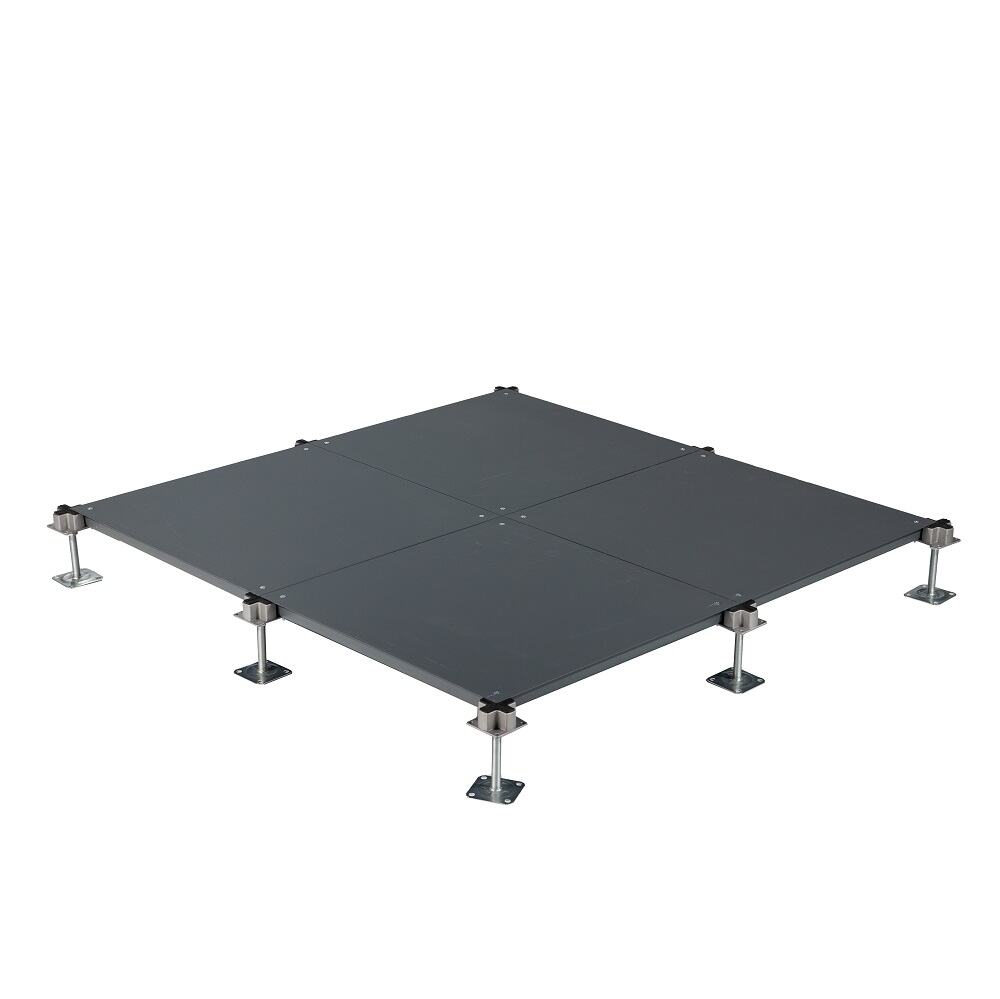
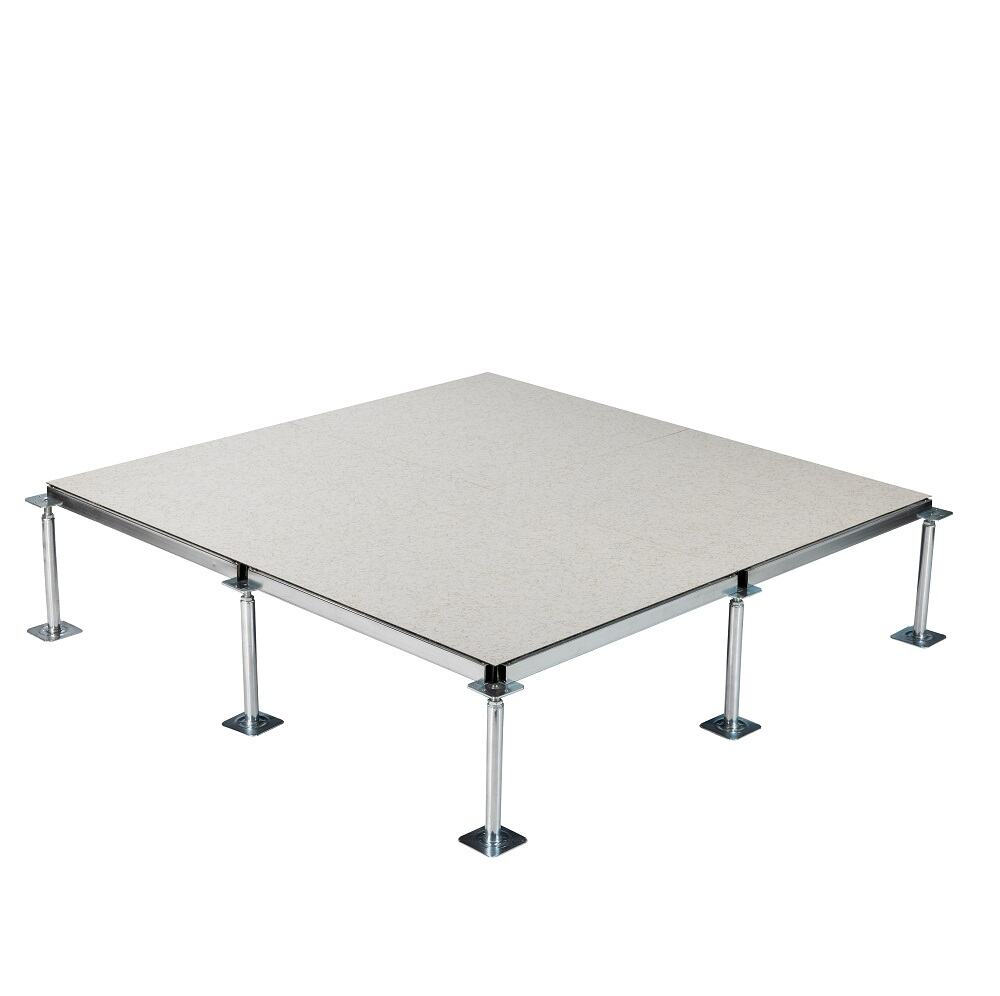
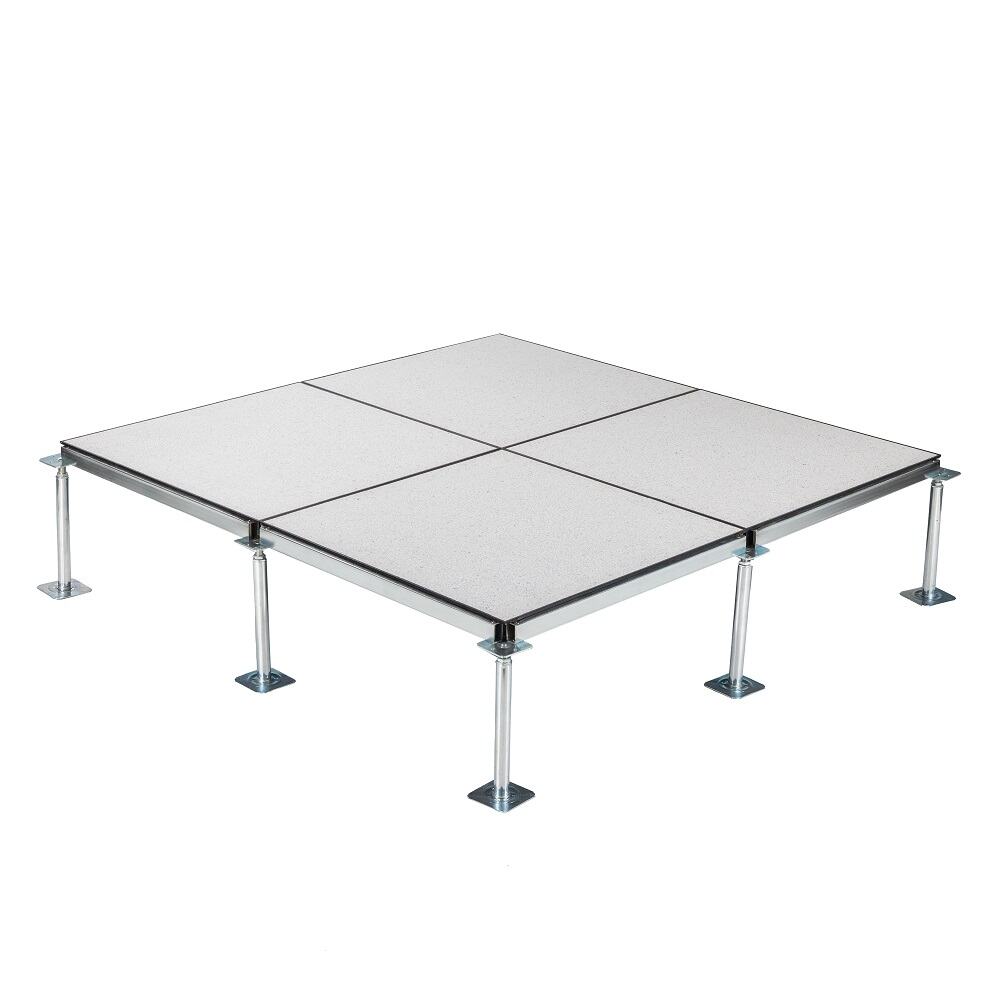
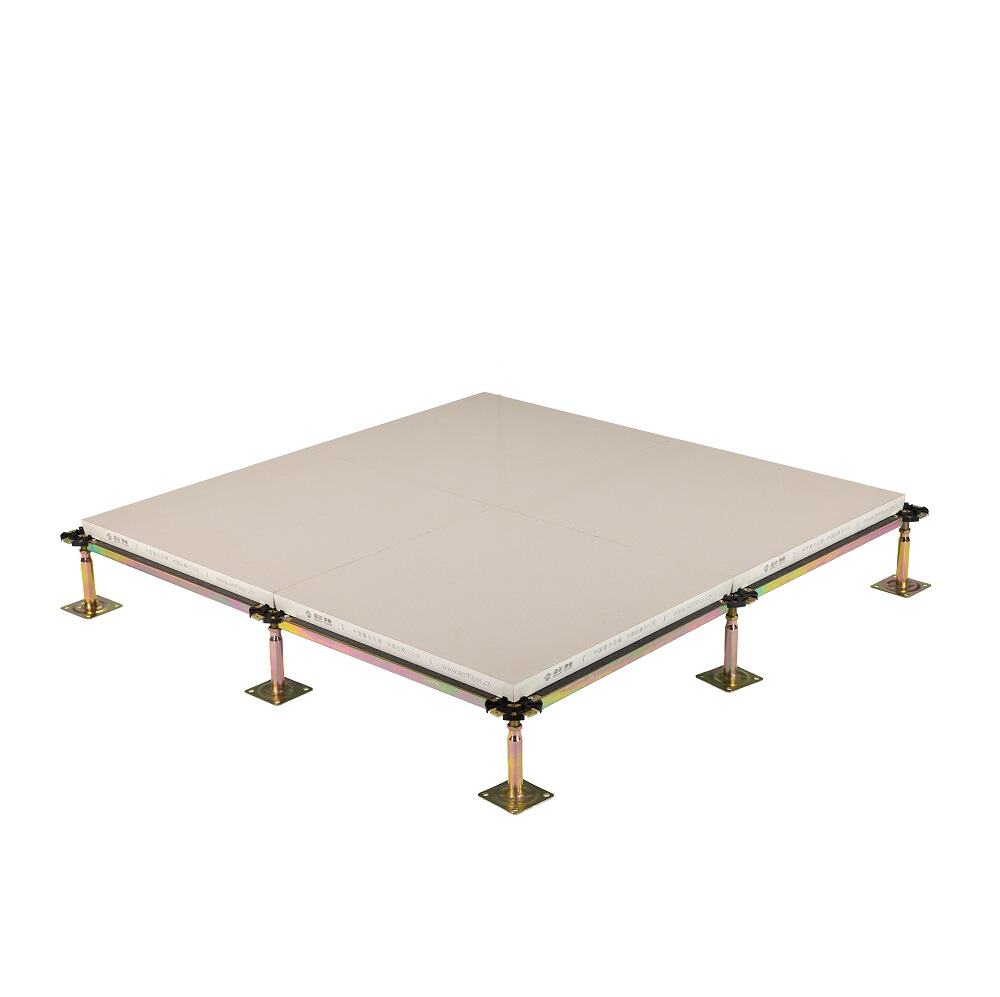
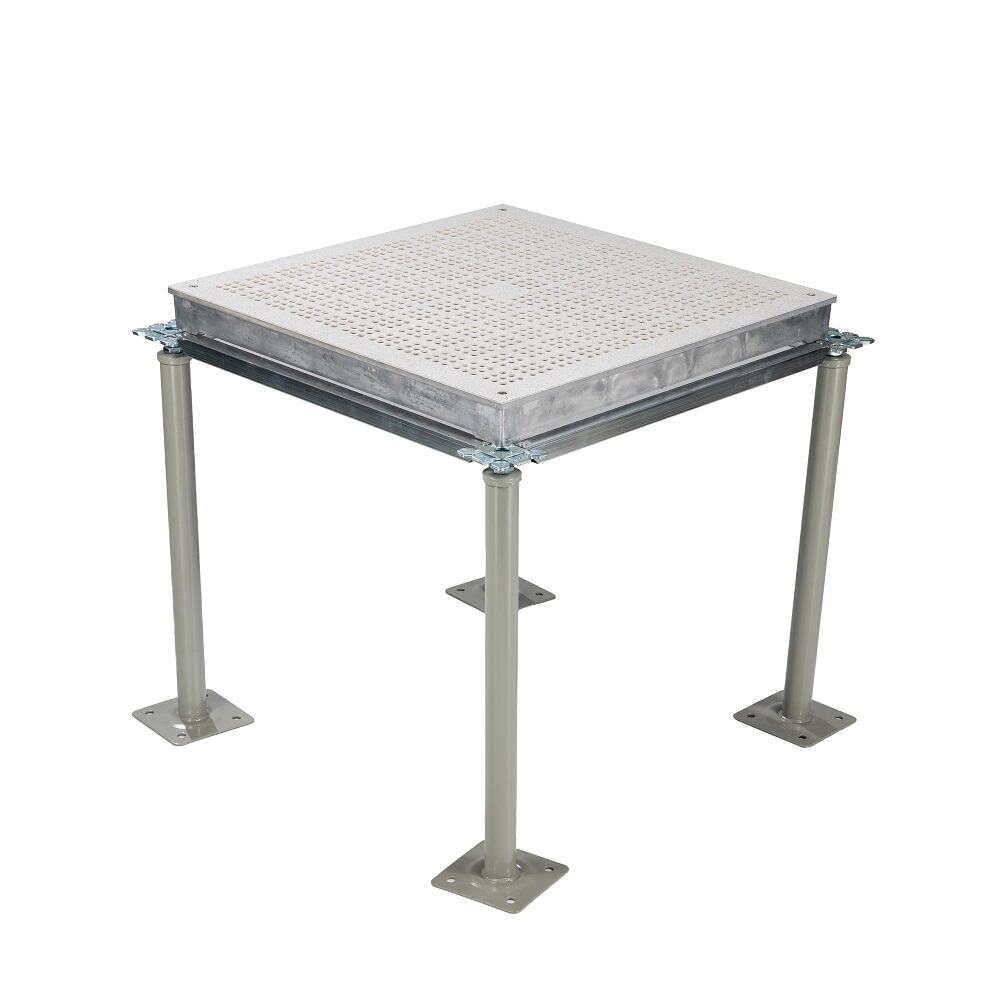
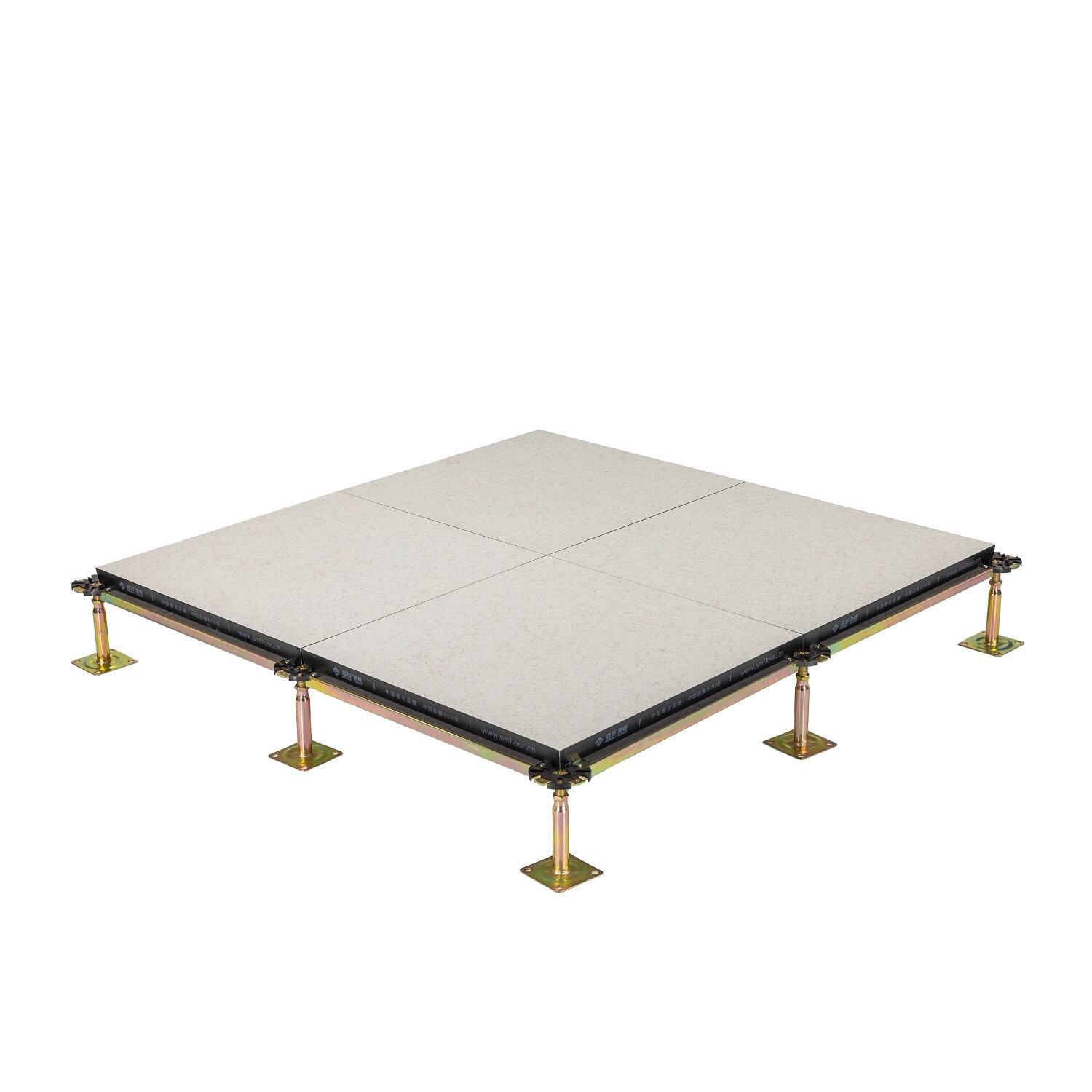
Calcium sulfate anti-static Raised flooring is made of non-toxic unbleached plant fiber as reinforcement materal, combined with solidified calcium sulfate crystal, and through pulse pressing process. It adopts four-corner supported structure, the top surface is laminated with HPL anti-static veneer and the bottom is reinforced with a galvanized steel sheet with a thickness of ≥ 0.3 mm. And the black PVC conductive edge strips around the floor.
- Overview
- Recommended Products
Product Description
Anti-Static Calcium Sulfate Raised Access Floor is by effectively reducing static electricity accumulation, it helps ensure stable operation and protects valuable electronic devices from ESD-related risks.
Featuring a calcium sulfate core, the flooring offers excellent fire resistance, strong load-bearing performance, and effective sound insulation. Due to its many advantages such as environmental protection, fire resistance, high strength, and flatness, it has become the most widely used material in the raised floor family. The raised floor structure allows convenient access to underfloor cabling, air distribution, and other building services, supporting easy maintenance and future system upgrades.
The panels are manufactured using non-combustible materials, and key performance properties have been verified through third-party testing conducted by Intertek, ensuring dependable quality for long-term use.
Performance Parameter
| International Standards |
Uniform Load |
Concentrated Load |
Rolling Load | Rolling Load | Impact Load |
Ultimate Load |
| (10 PASS) | (10 KPAAASS) | |||||
| FS 1000 | 22.22 KN/㎡ | 454 KG | 3.56 KN | 2.67 KN | 150LB/68 KG | 14.5 KN |
| FS 1250 | 27.78 KN/㎡ | 567 KG | 4.45 KN | 3.56 KN | 150LB/68 KG | 18.36 KN |
| FS 1500 | 33.34 KN/㎡ | 680 KG | 5.56 KN | 4.45 KN | 175LB/68 KG | 22.17 KN |
Product Features
• The base material adopts pure natural high-strength gypsum powder as raw material, and the strength has reached the interational standard
• All around support, strong structure, super load-bearing and pressure resistant
• Good surface wear resistance, no foaming, no degumming
• Flame retardant, antiskid, soundproof, dustproof, antifouling and chemical corrosion resistant
• High grade environmental protection, good decoration effect, simple installation and strong interchangeability
• Stable in varying humidity and temperature
Application
• Banks
• Telecommunications room
• Mobile room
• Intelligent office
• High-grade room
• Military command center
Advantages
• Fireproof & Non-Combustible: Calcium sulfate panels are fire-resistant, heat-insulating, and non-combustible, effectively slowing fire spread without releasing harmful gases.
• High Mechanical Strength: Manufactured from high-strength gypsum powder, the panels offer excellent structural performance and meet international standards, including CE certification.
• Sound Insulation: The calcium sulfate and fiber composite structure reduces vibration and impact noise, and thus play a sound insulation effect.
• Excellent Load-Bearing Capacity: Edge load capacity is equal to center load capacity, preventing edge warping caused by uneven stress distribution.
• Eco-Friendly Materials: The calcium sulfate core is made from sustainable raw materials, is 100% recyclable, and achieves a recovery rate of up to 85%, with water-soluble adhesives.
• Water Resistant: The integrated panel structure provides reliable moisture resistance, preventing deformation, wrinkling, or delamination even under prolonged exposure to humidity.