EN
EN



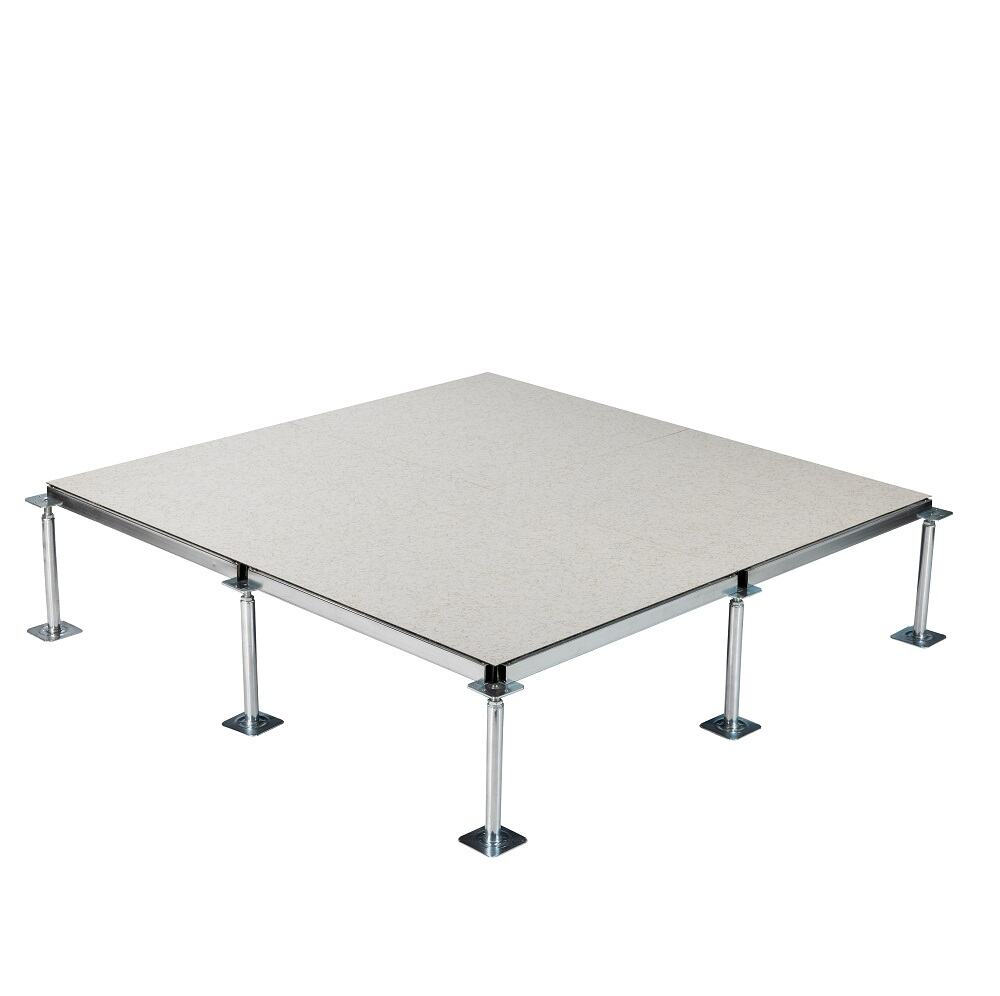
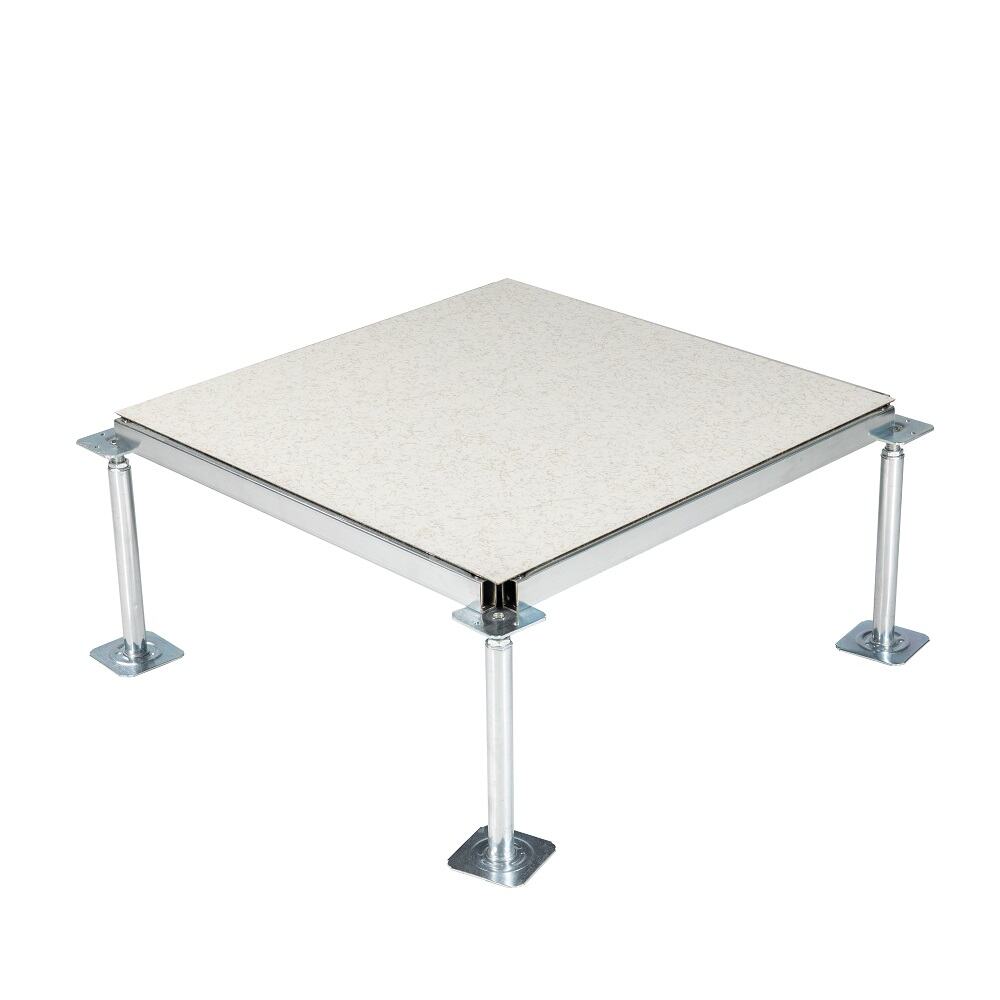
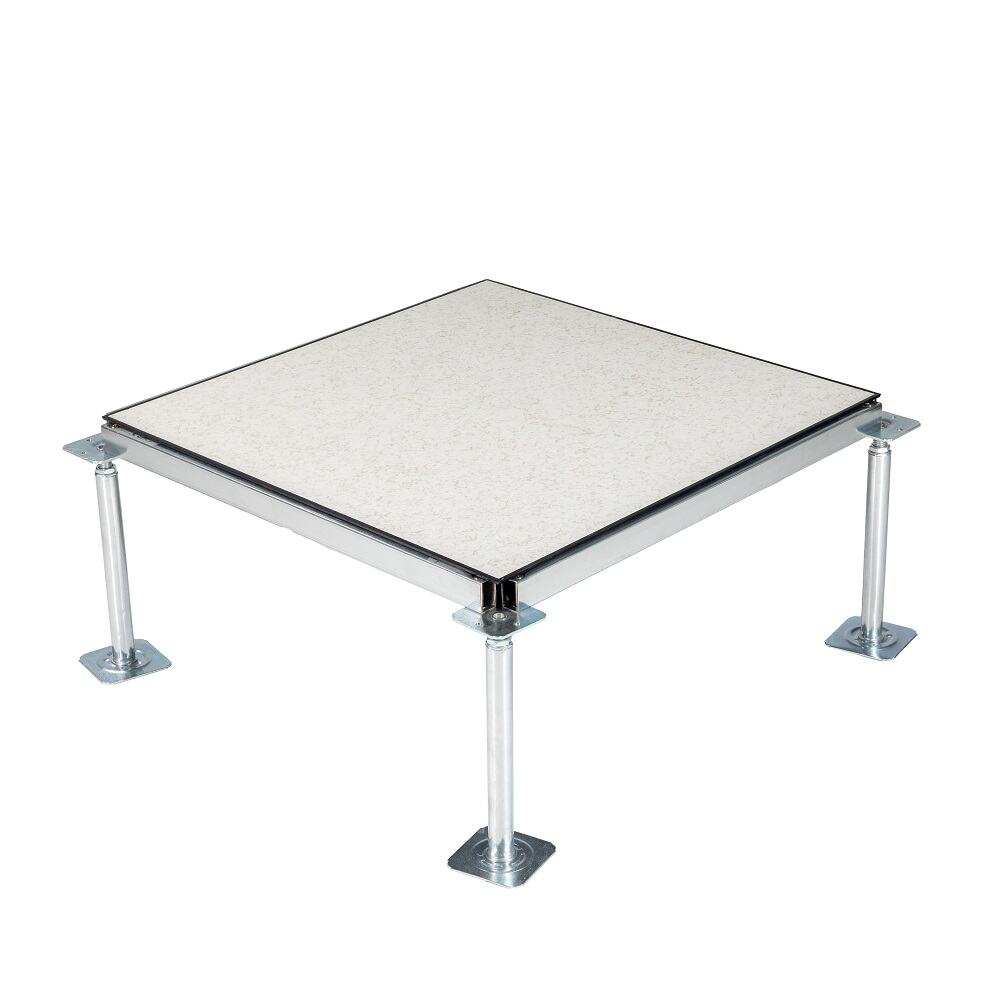
Anti-Static All Steel Access Flooring – HPL Finish
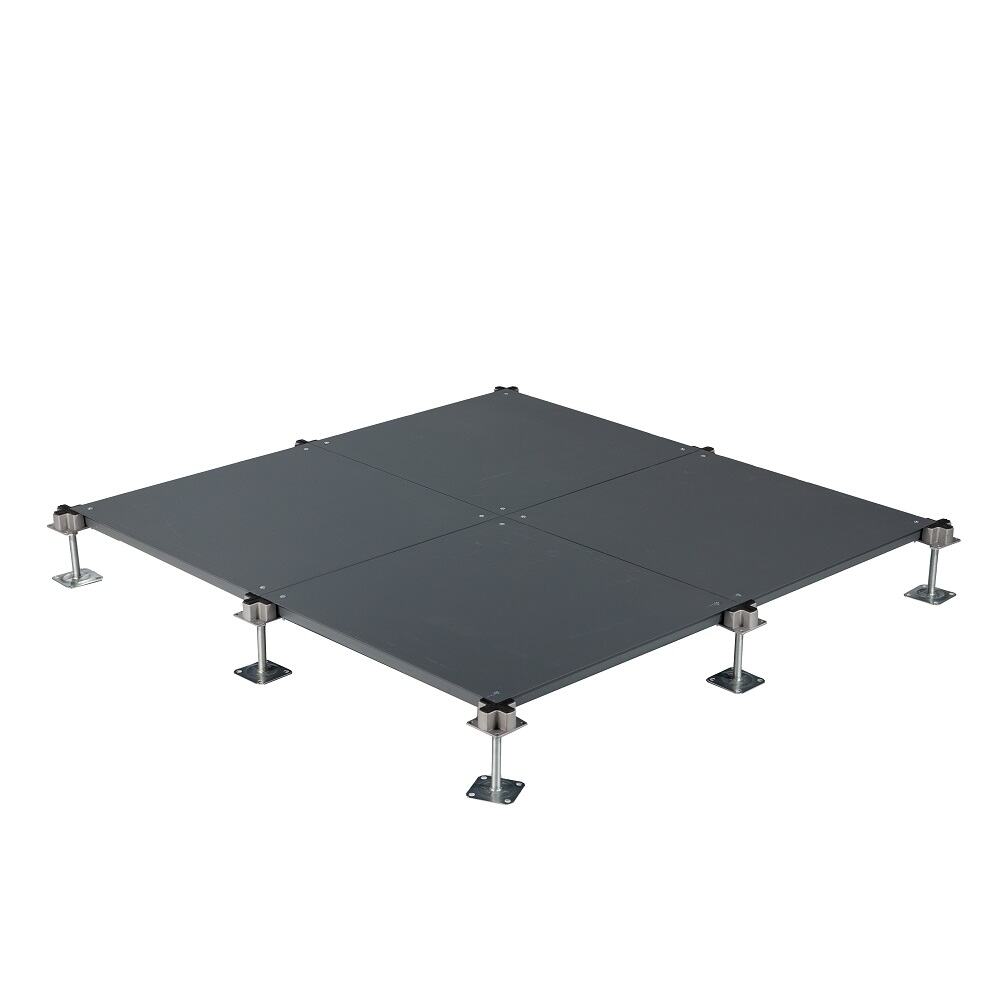
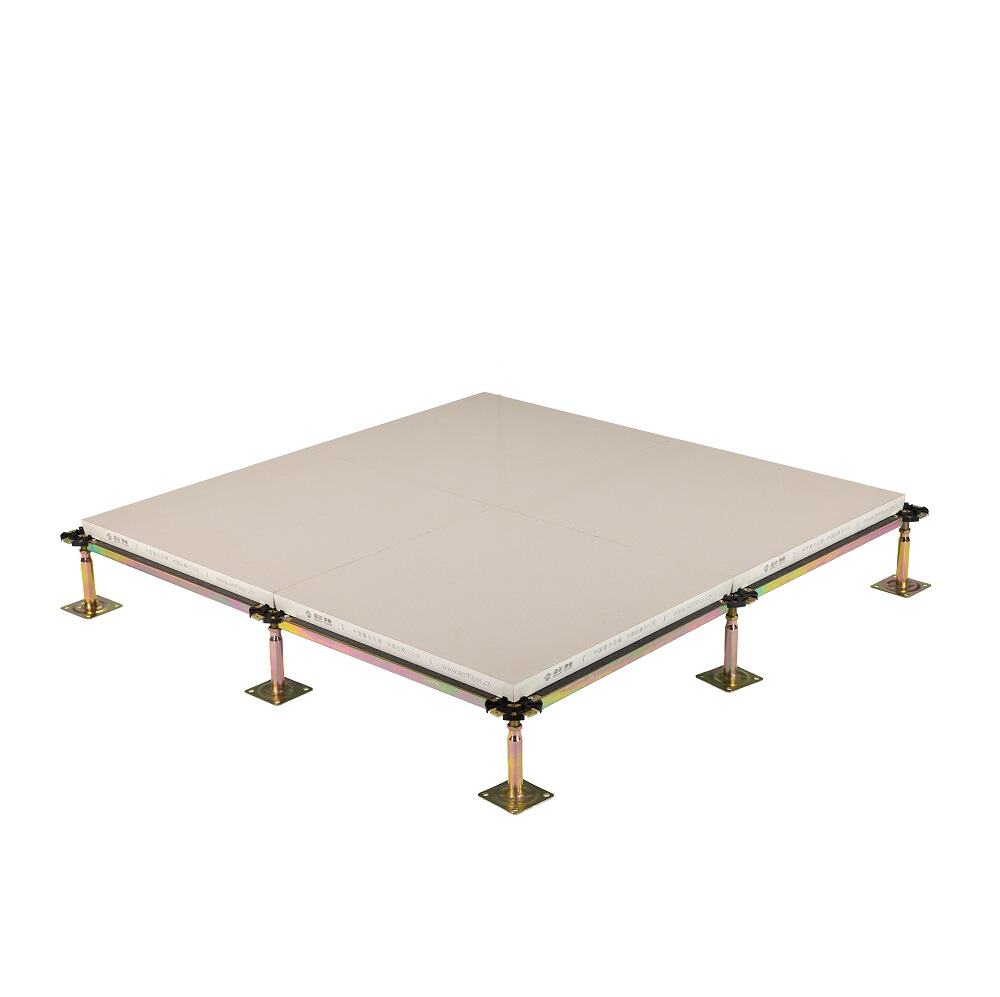
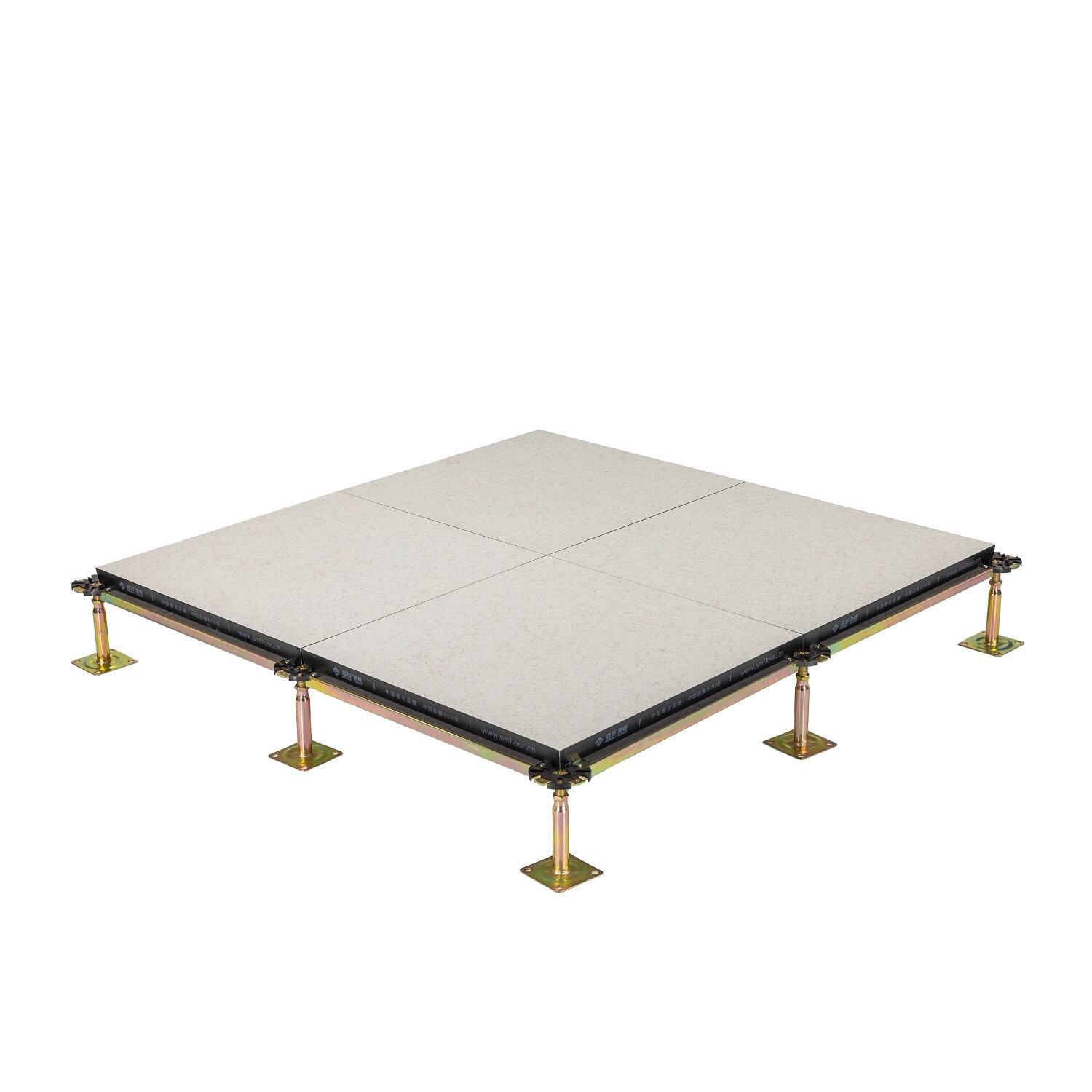
There are two types of all steel anti-static flooring: with conductive edge trims and without.
- The type with conductive edge trims is designed to create a stable and continuous conductive network between panels, ensuring efficient grounding and reliable electrostatic discharge performance. It is suitable for environments with clear ESD control requirements.
- The type without conductive edge trims due to there is no conductive edging the sides, and the joints are very thin. When it meeting anti-static standards, the suface looks smooth after the pavement. It is used in various high-grade machine rooms and occasions with requirements for anti-static.
- Overview
- Recommended Products
Product Description
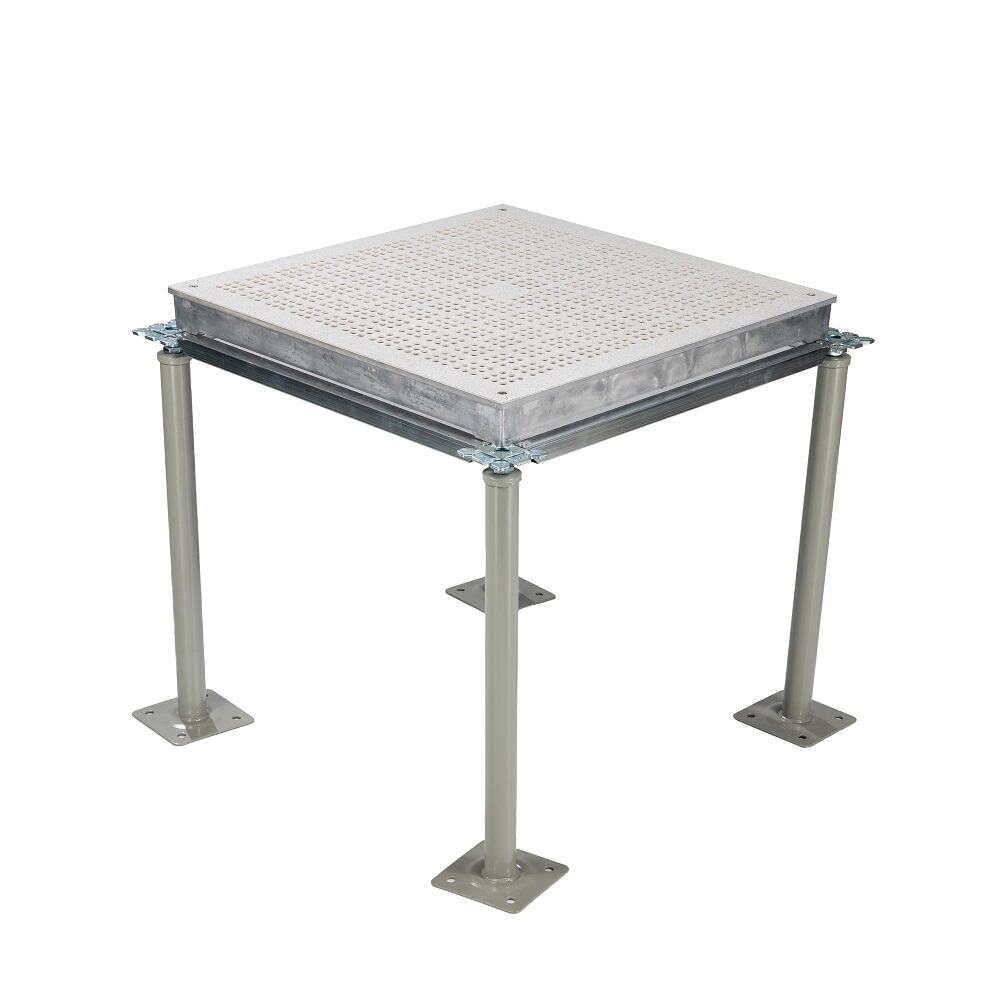
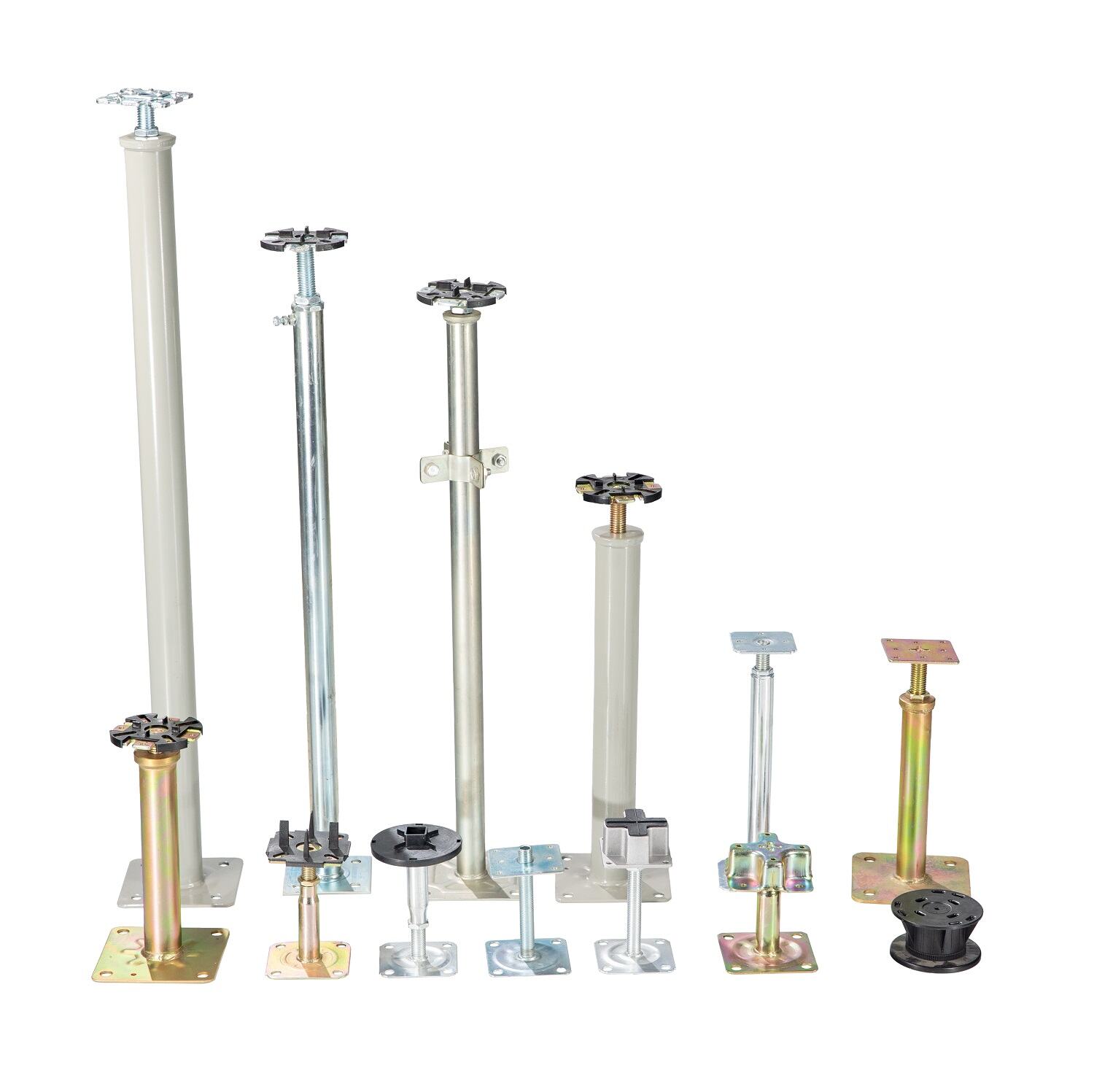
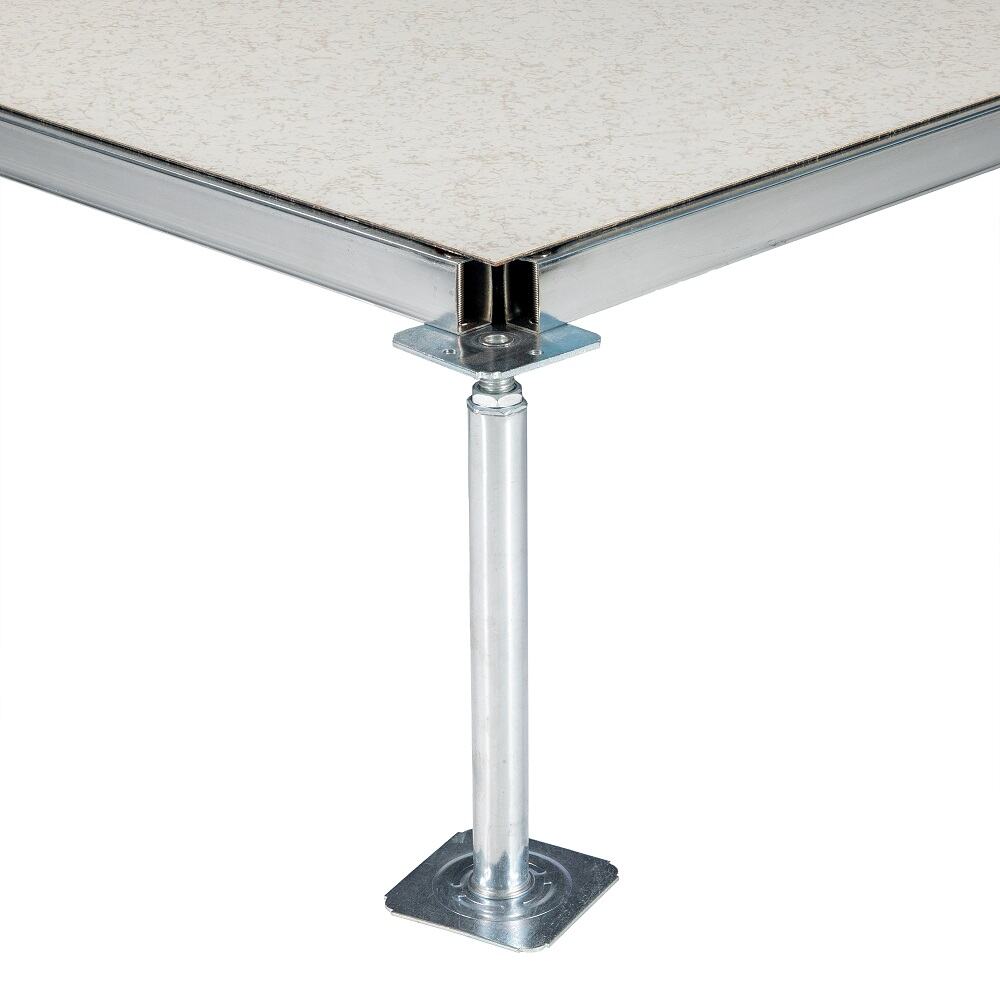
The steel anti-static access floors with edge trims use ST14 tensile plate, and surface is hard steel sheet (SPCC), spot welding form all steel shell structure, after stretching out and phosphating coating processing, inner filled with foamed cement, stick HPL covering on top of floor panel. The panels sides encased with conductive plating. The pedestal is pressed with steel plate, the screw height is adjustable. And stringers use steel materals.
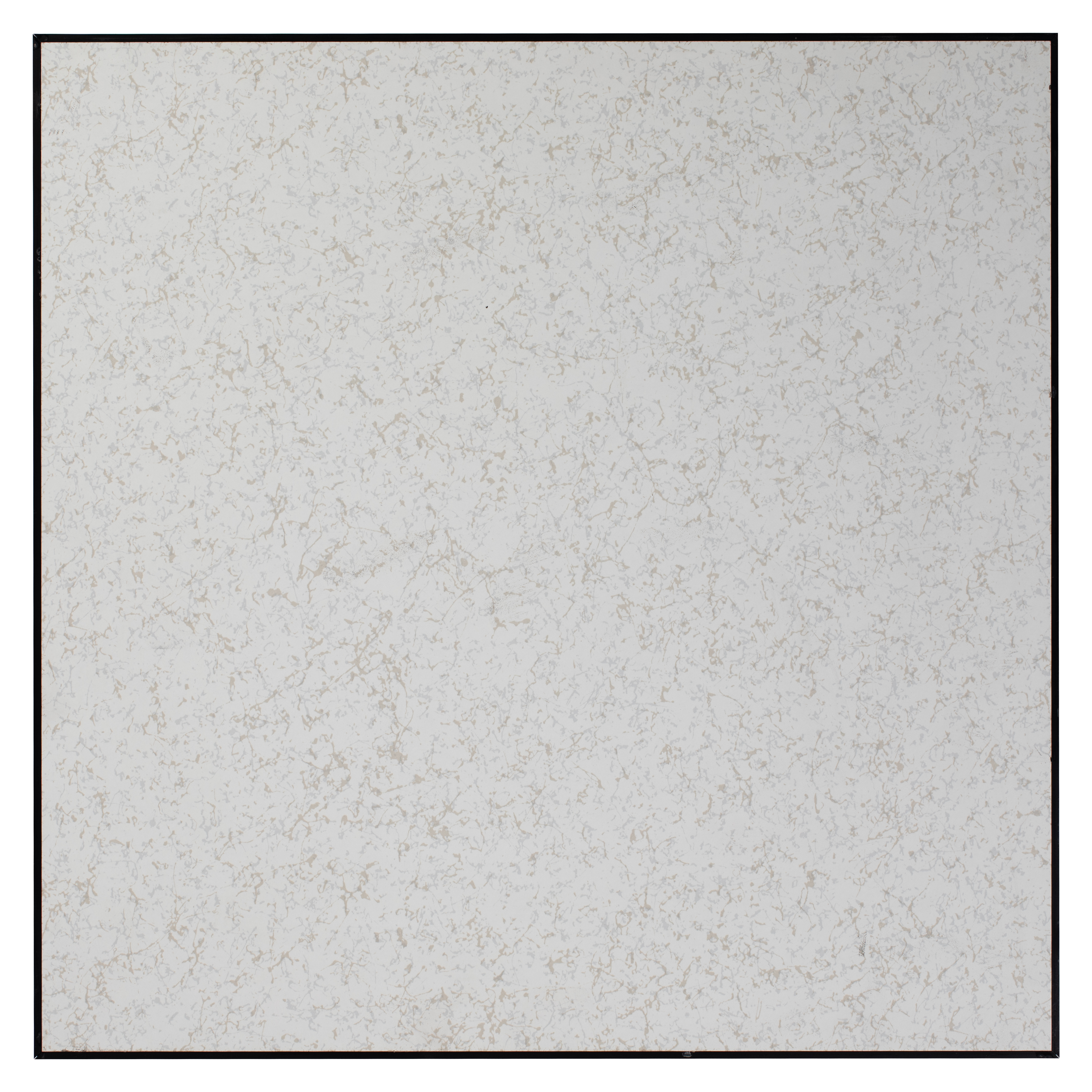
The steel anti-static access floors without edge trims also use high-quality steel plate of sufficient thickness, after stamping and welding, it is reshaped, and filled with high-strength foam cement and stick HPL covering on top of floor panel, so that the edges and corners of all steel anti-static floor are hard and incomparable, greatly enhancing the bearing capacity, enough flatness and decoration of the floor edges.
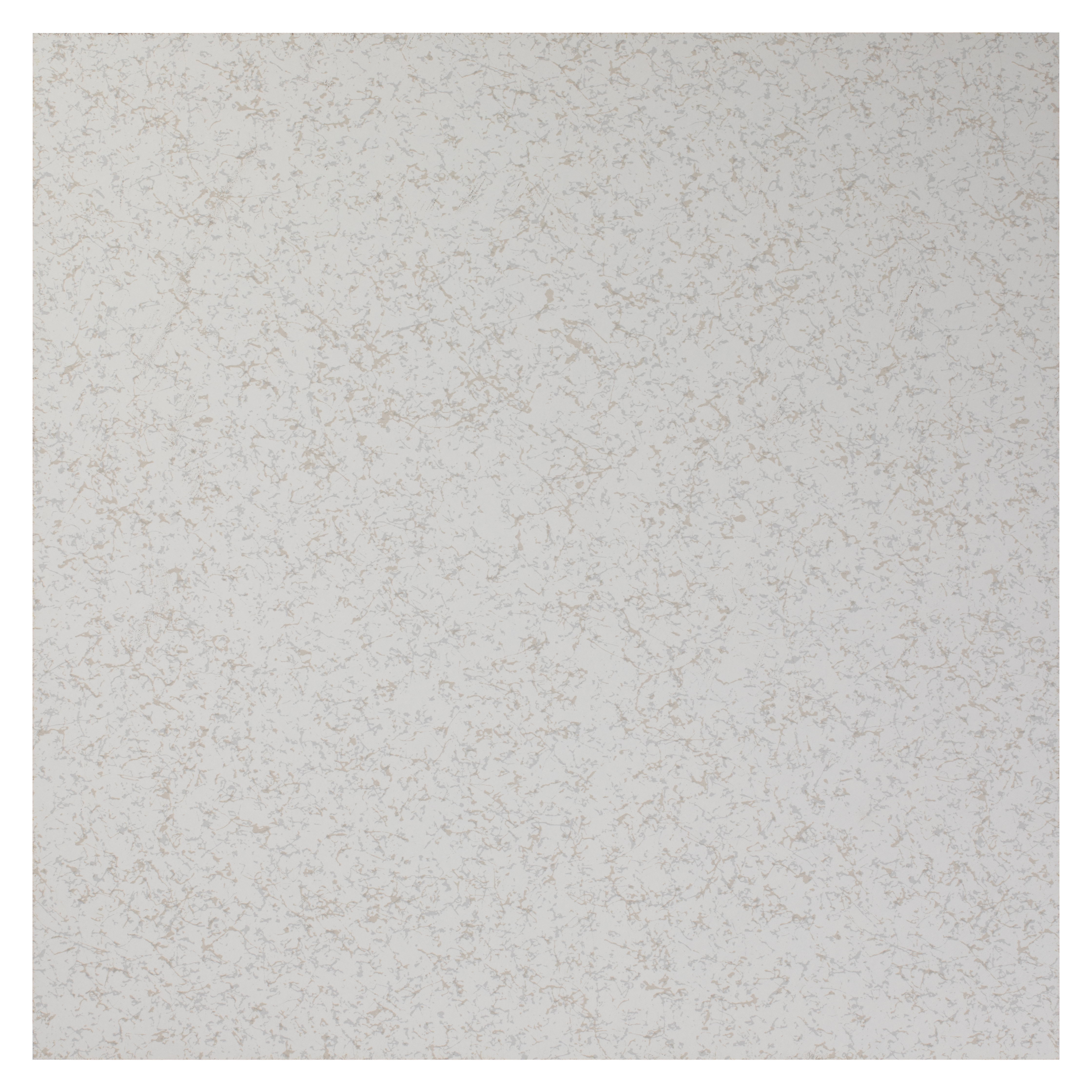
Performance Parameter
| International Standards |
Uniform Load | Concentrated Load | Rolling Load | Rolling Load | Impact Load | Ultimate Load |
| (10 PASS) | (10 KPAAASS) | |||||
| FS 450 | 10.00 KN/㎡ | 204 KG | 1.78 KN | 1.56 KN | 75LB/34 KG | 6.89 KN |
| FS 662 | 14.71 KN/㎡ | 300 KG | 2.45 KN | 2.00 KN | 100LB/45 KG | 8.85 KN |
| FS 800 | 17.78 KN/㎡ | 363 KG | 2.94 KN | 2.45 KN | 100LB/45 KG | 11.25 KN |
| FS 1000 | 22.22 KN/㎡ | 454 KG | 3.56 KN | 2.67 KN | 150LB/68 KG | 14.50 KN |
| FS 1250 | 27.78 KN/㎡ | 567 KG | 4.45 KN | 3.56 KN | 150LB/68 KG | 18.36 KN |
| FS 1500 | 33.34 KN/㎡ | 680 KG | 5.56 KN | 4.45 KN | 175LB/68 KG | 22.17 KN |
Product Features
· Strong bearing capacity
· Wear-resistant
· High-temperature resistant
· Cleaning resistant
· Anti-permeable
· Waterproof
· Fireproof
· Dust-proof
· Shock-proof
· Flat and not easy to scratch
· Very easy to maintain
· High mechanical strength
Application
· Constant temperature rooms
· School computer rooms
· Meeting rooms
· Radio control rooms
· Communications rooms
Advantages
• Fireproof & Non-Combustible: Made of cold-rolled steel sheet and cement filling, the panels are non-combustible, fire-resistant, and do not release toxic gases, ensuring high safety in critical environments.
• High Mechanical Strength: Precision-formed steel structure provides excellent strength and stability, meeting international standards and supporting heavy static and dynamic loads.
• Sound Insulation: The composite steel-and-cement structure reduces vibration and impact noise, improving acoustic performance in commercial and technical spaces.
• Excellent Load Capacity: Uniform load distribution ensures edge load capacity equal to center load, preventing warping and maintaining long-term flatness.
• Durable & Eco-Friendly
Steel components are recyclable and designed for long service life, reducing material waste and replacement frequency.
• Moisture & Corrosion Resistant
Steel sheet and protective coatings provide reliable resistance to moisture, humidity, and corrosion.