Get a Free Quote

Our representative will contact you soon.
Email
Mobile
Name
Company Name
Message
0/1000
raised access floor decorative veneer options507-0

Raised Access Floor Decorative Veneer Options

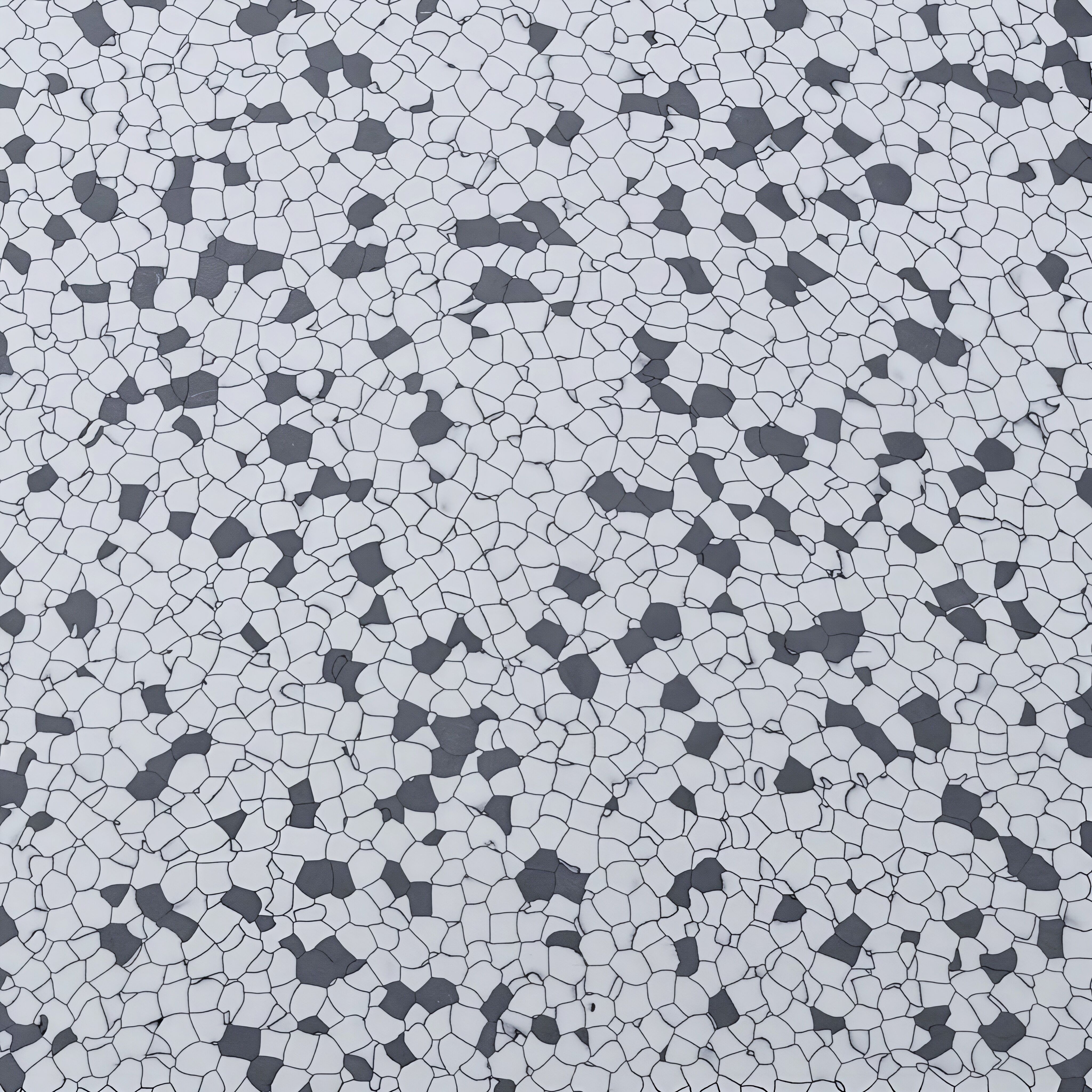
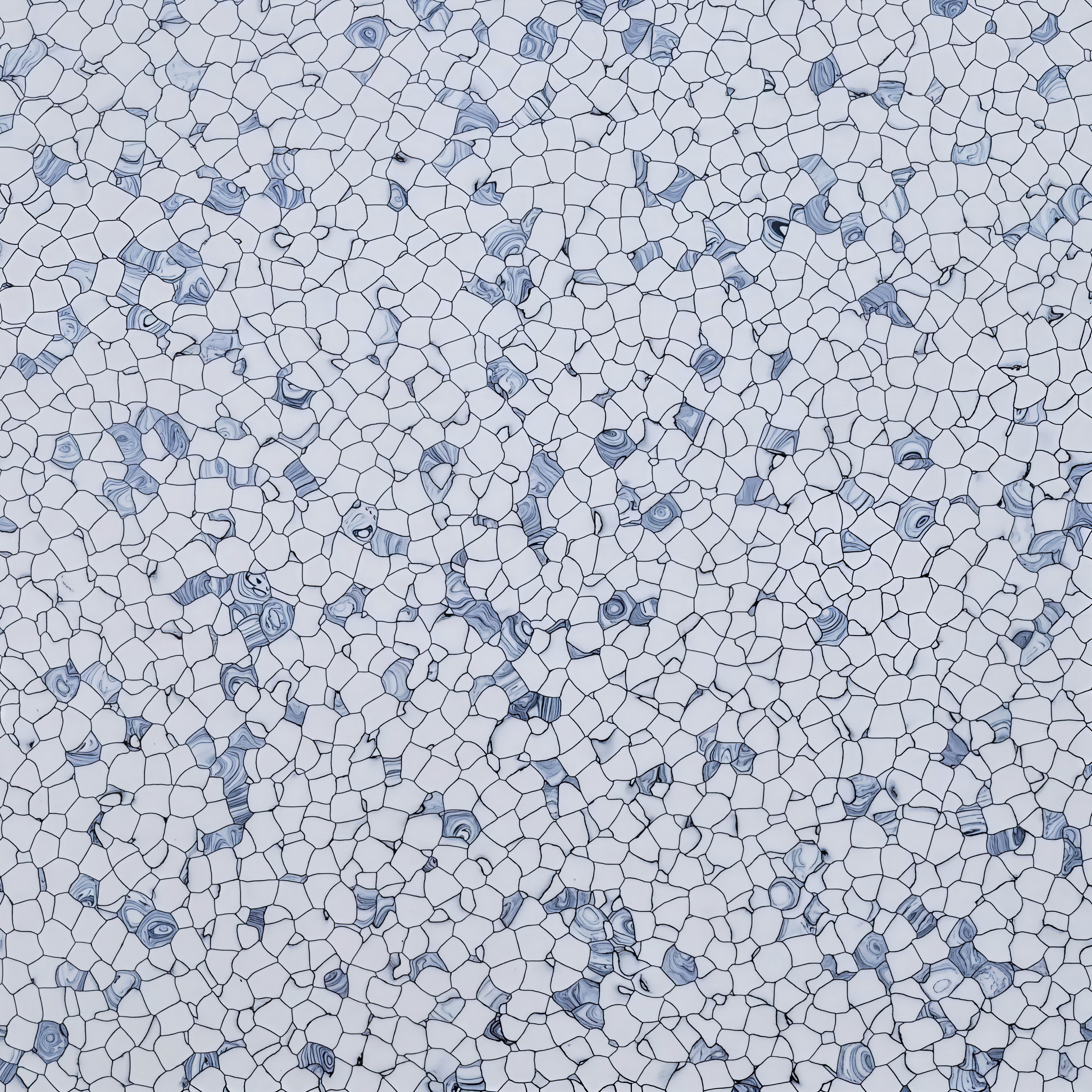
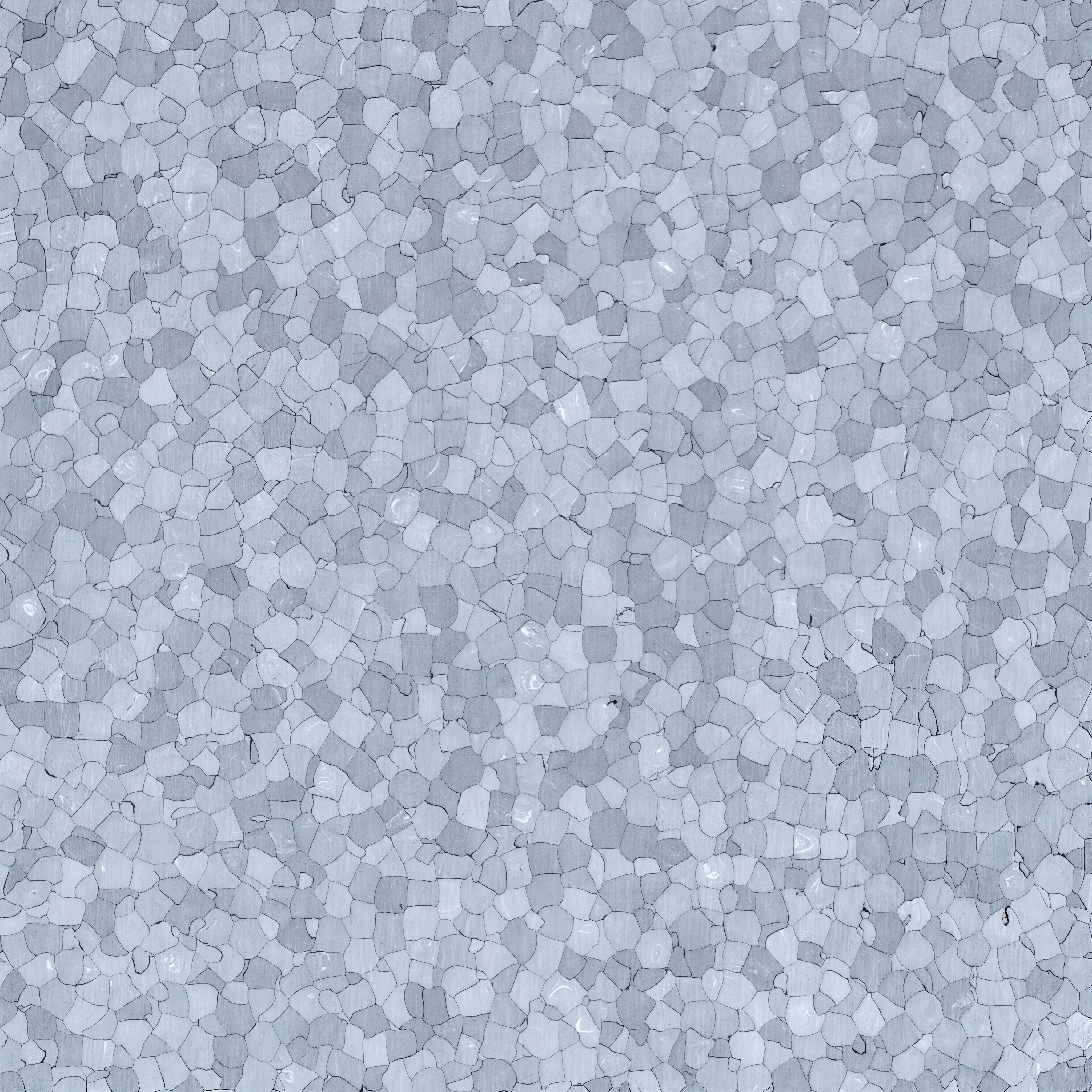
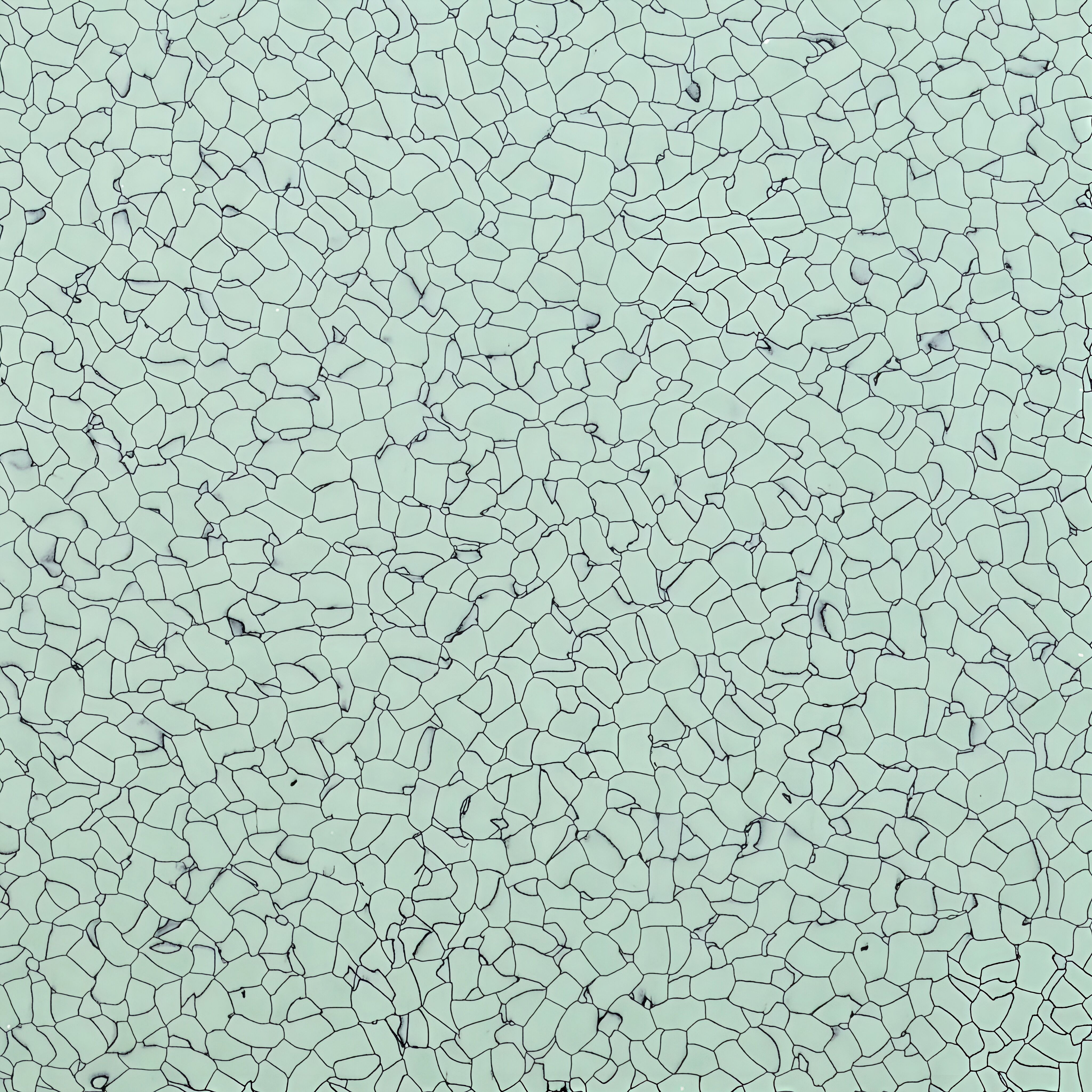
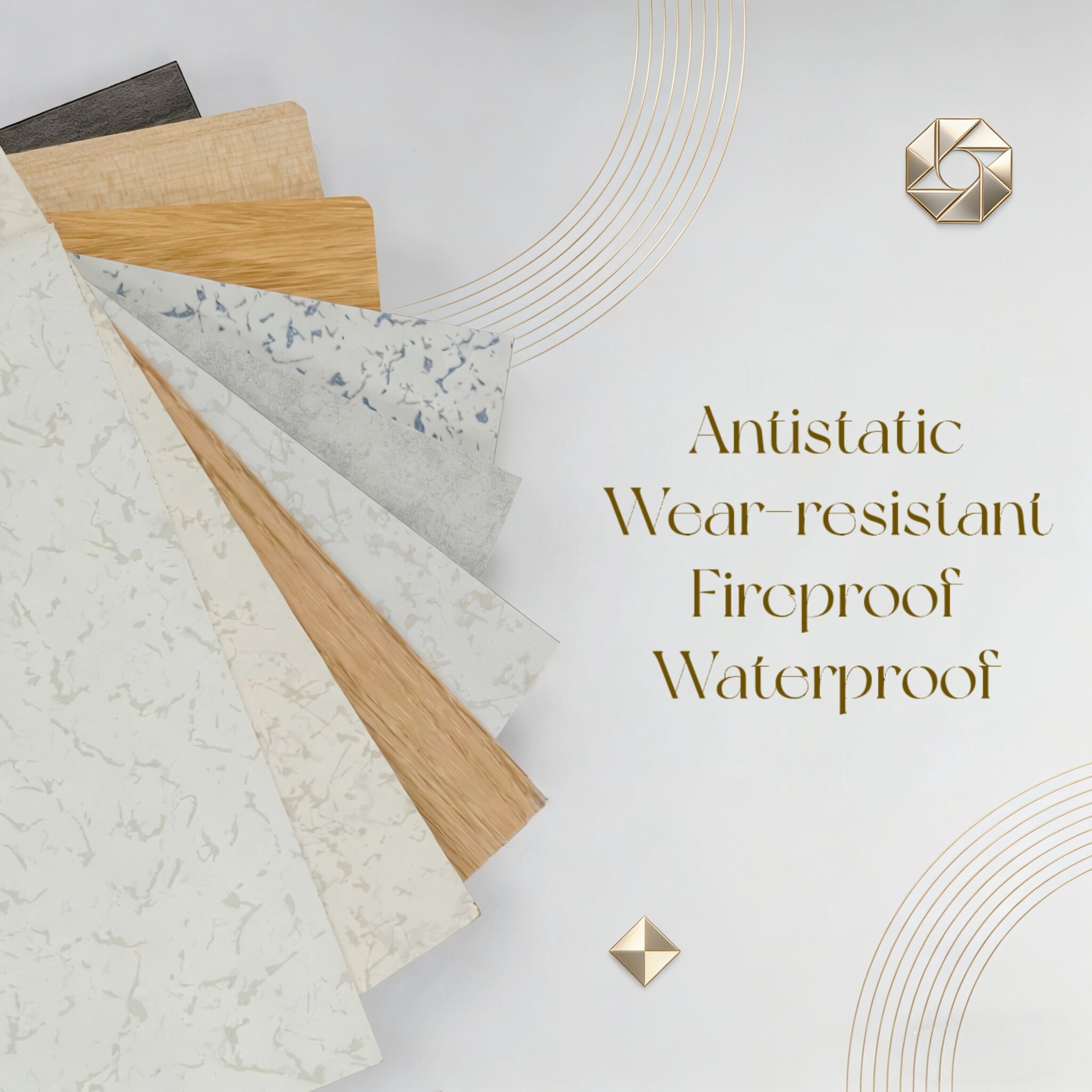
Our raised access floor systems feature three high-performance anti-static decorative veneer choices—HPL, PVC, and Ceramic. Every veneer is tailored to your space’s style, traffic volume, and performance needs, enhancing both the look and service life of your raised access floor.

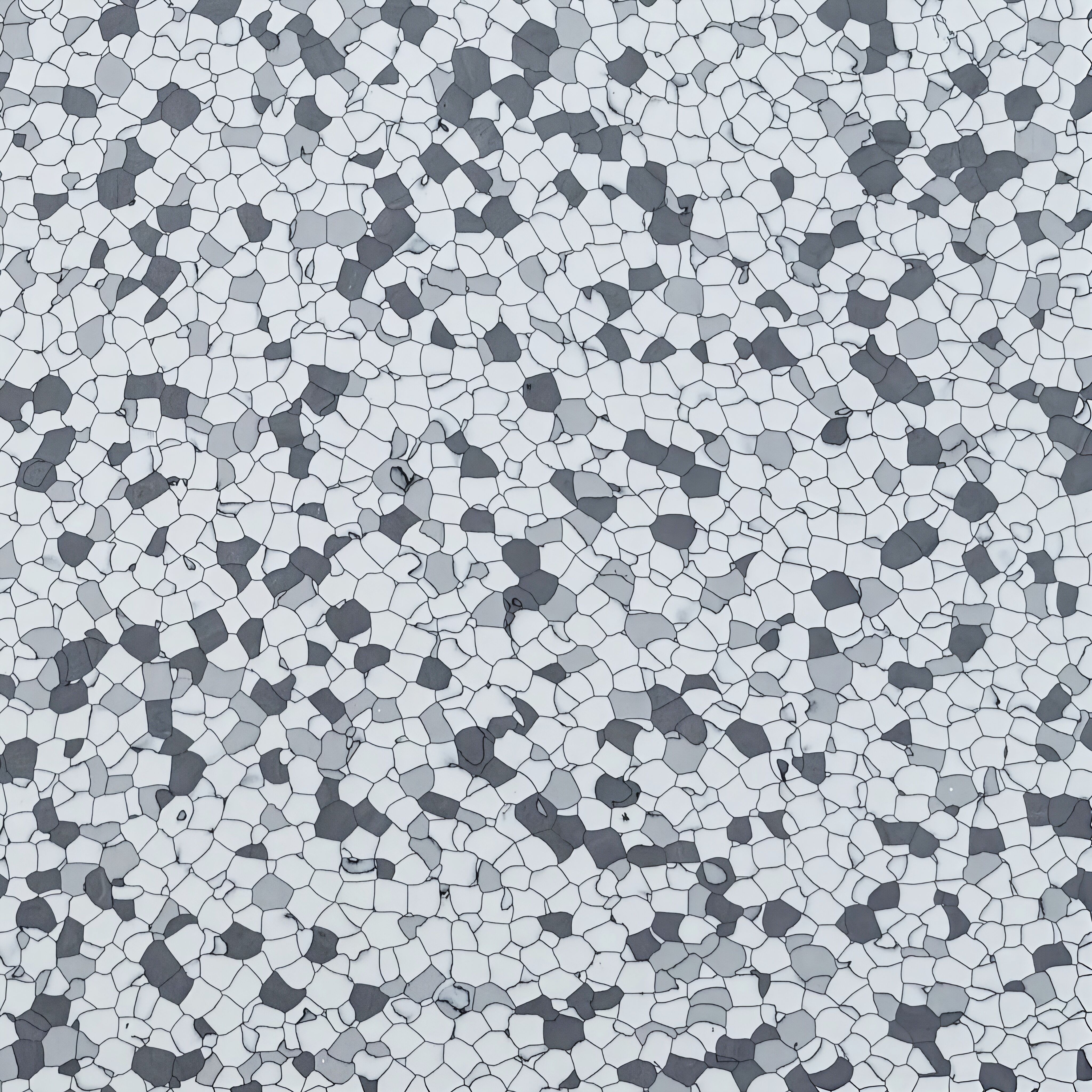
HPL surfaces are widely used for their excellent wear resistance, impact strength, and stable anti-static performance, making them ideal for offices, computer rooms, and data centers with frequent foot traffic. PVC finishes offer a soft, resilient walking surface with good noise reduction and easy maintenance, making them suitable for environments requiring high cleanliness such as laboratories, hospitals, and control rooms. Ceramic surfaces provide exceptional hardness, strong abrasion resistance, and an elegant appearance. With easy cleaning and long service life, they are well suited for data centers, control rooms, laboratories, and other demanding environments.

  • Overview
  • Recommended Products

HPL Veneer

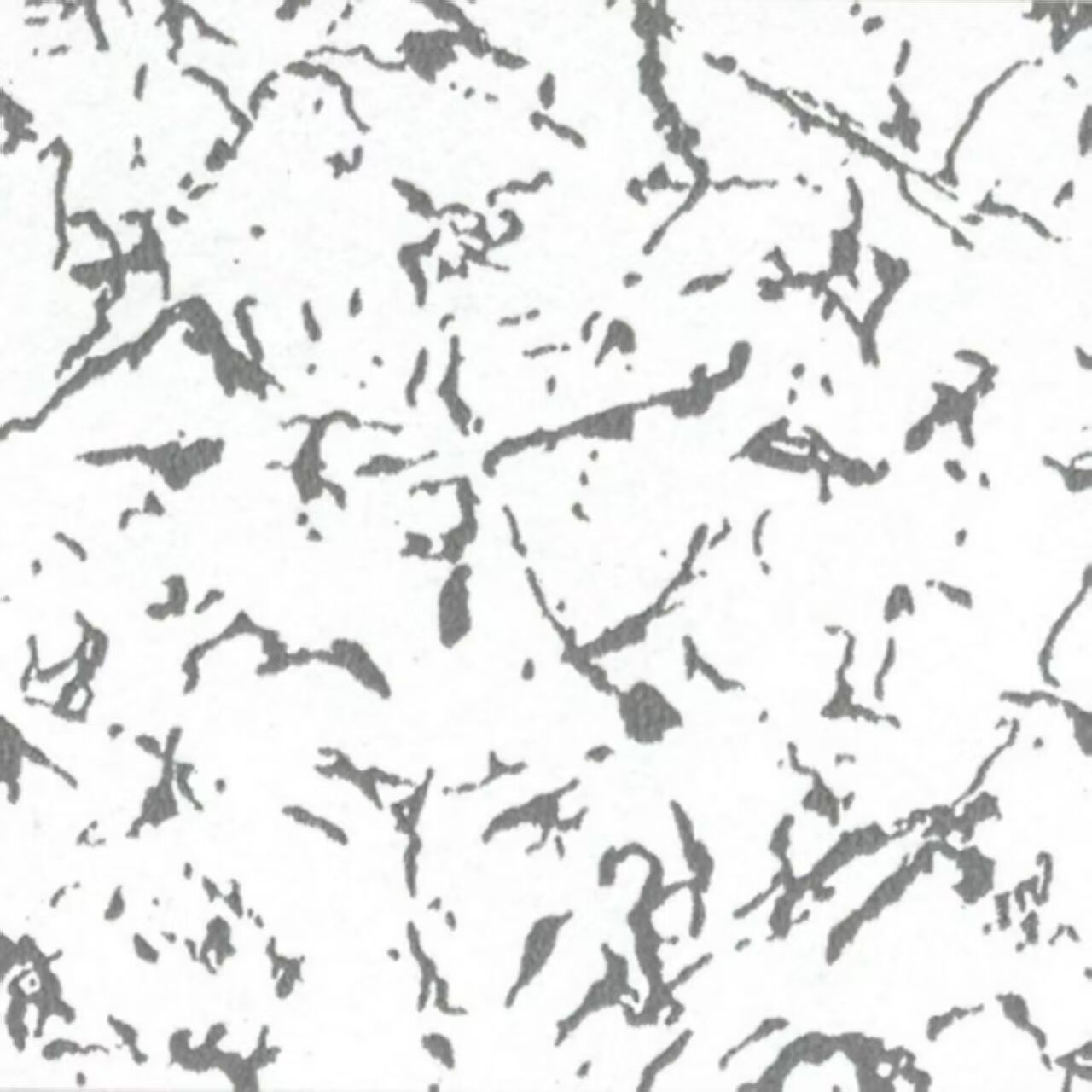
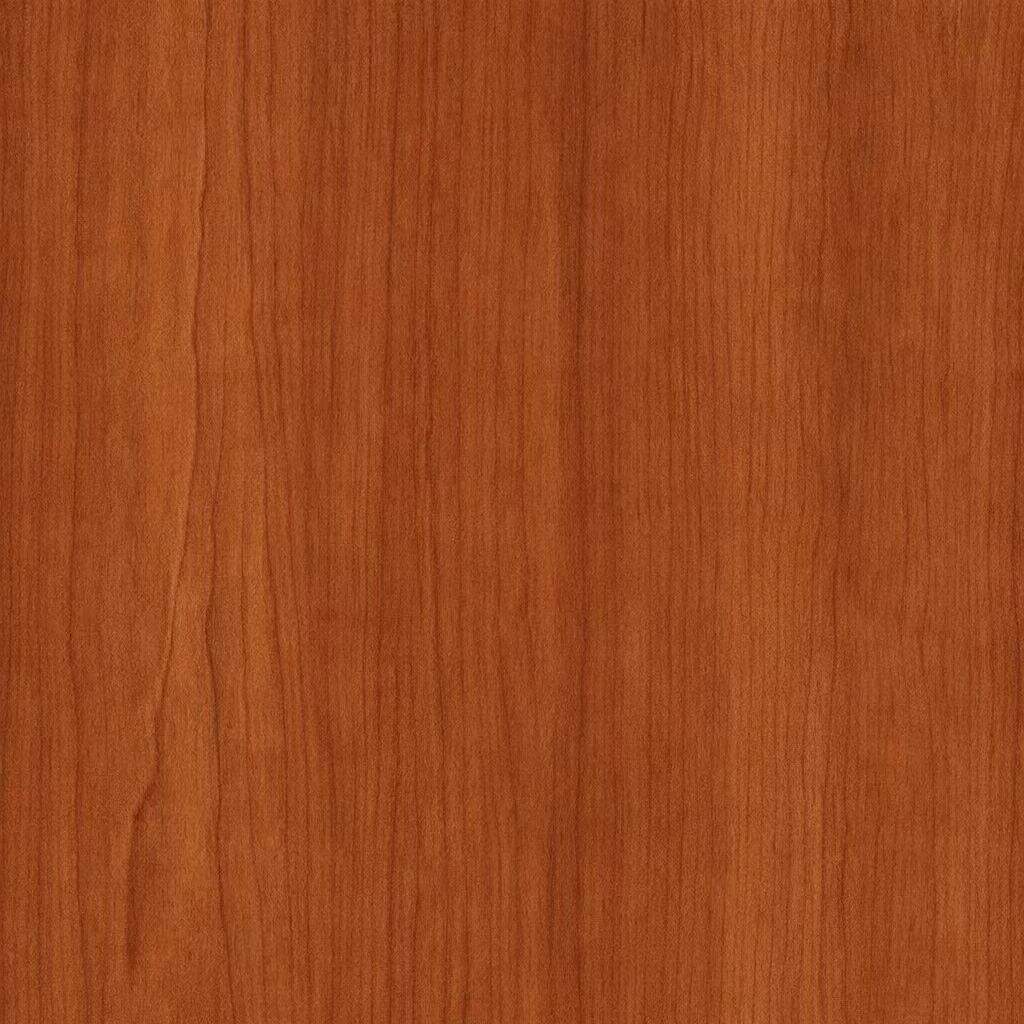
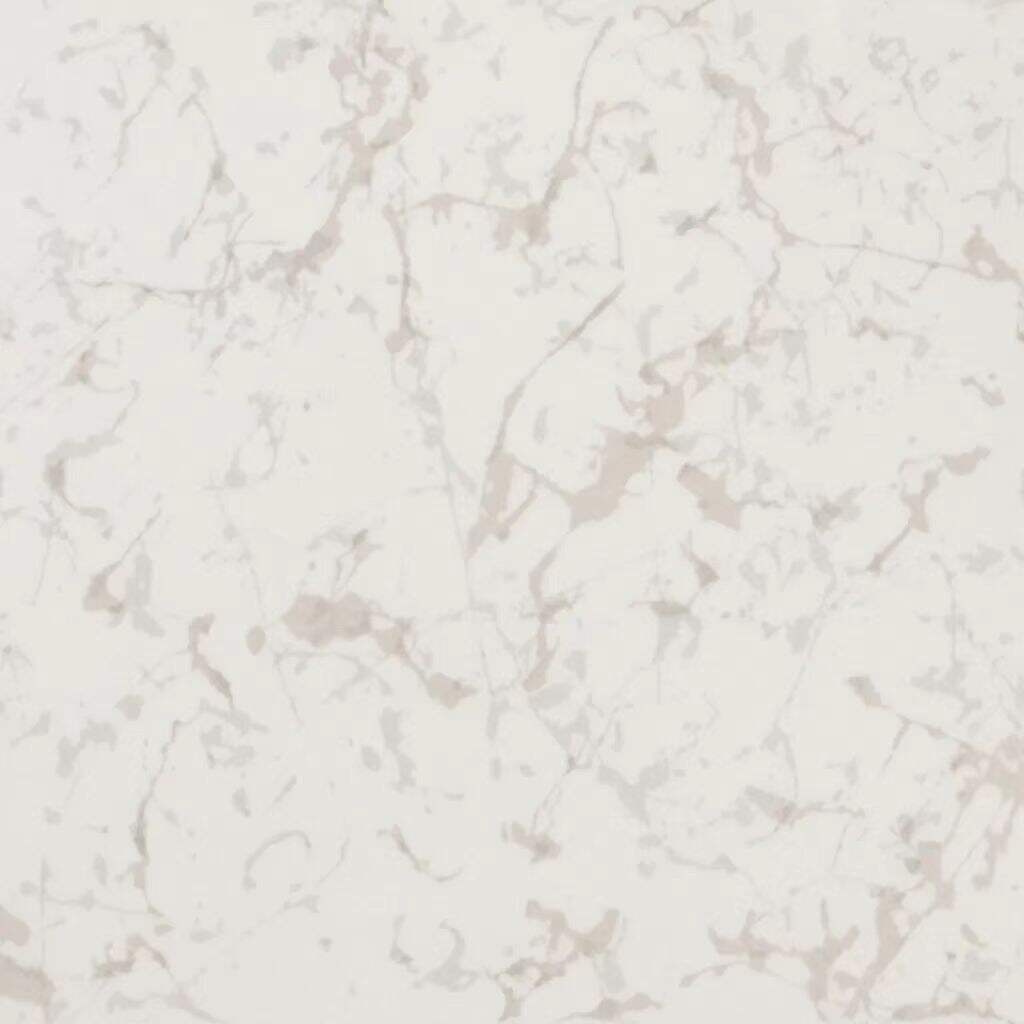
HPL (High-Pressure Laminate) surface, also known as anti-static fireproof board, is made from resin-impregnated kraft paper pressed under high temperature and pressure. It offers high hardness, wear resistance, and scratch resistance, making it suitable for high-traffic areas. Commonly used for calcium sulfate anti-static flooring, HPL provides stable anti-static performance, multiple color options.
SM-7001.jpg SM-8003.jpg SM-8004.jpg SM-8006.jpg
SM-7001 SM-8003 SM-8004 SM-8006
SM-8007.jpg SM-8008.jpg SM-8011.png SM-8015.jpg
SM-8007 SM-8008 SM-8011 SM-8015

PVC Veneer

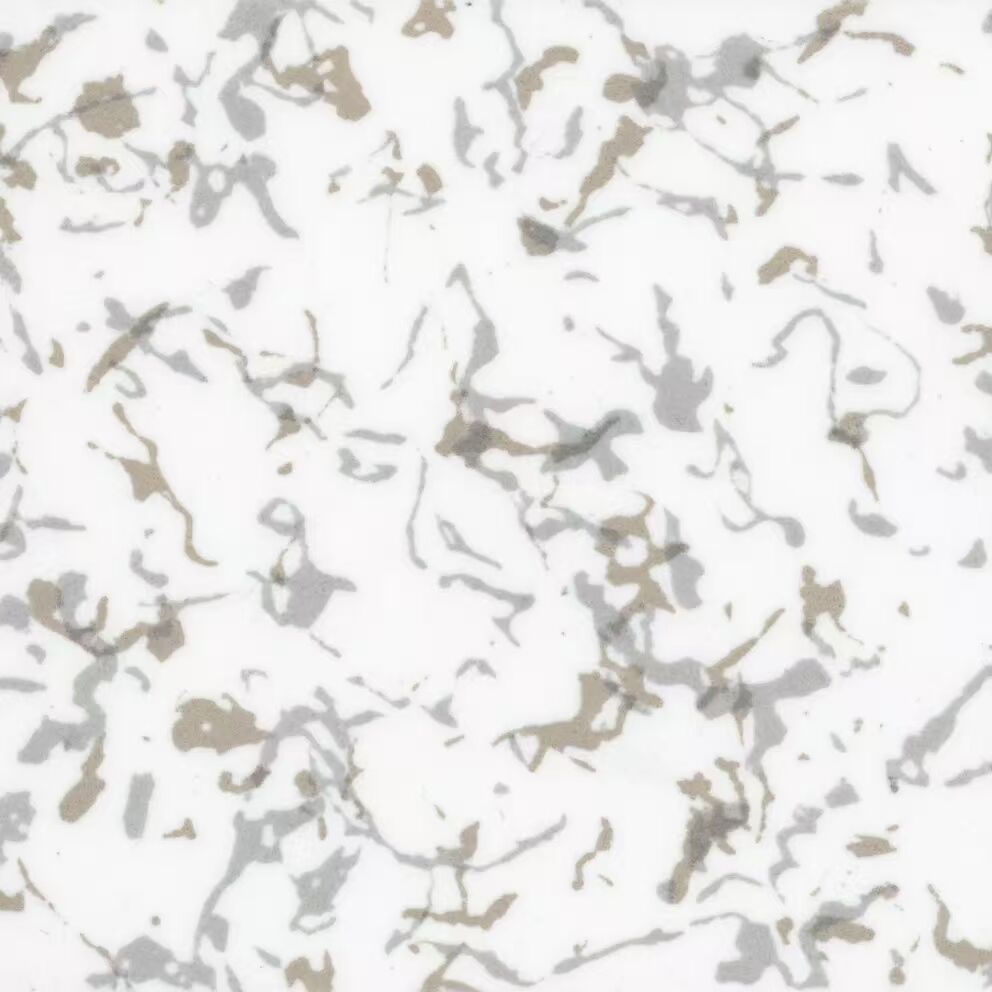
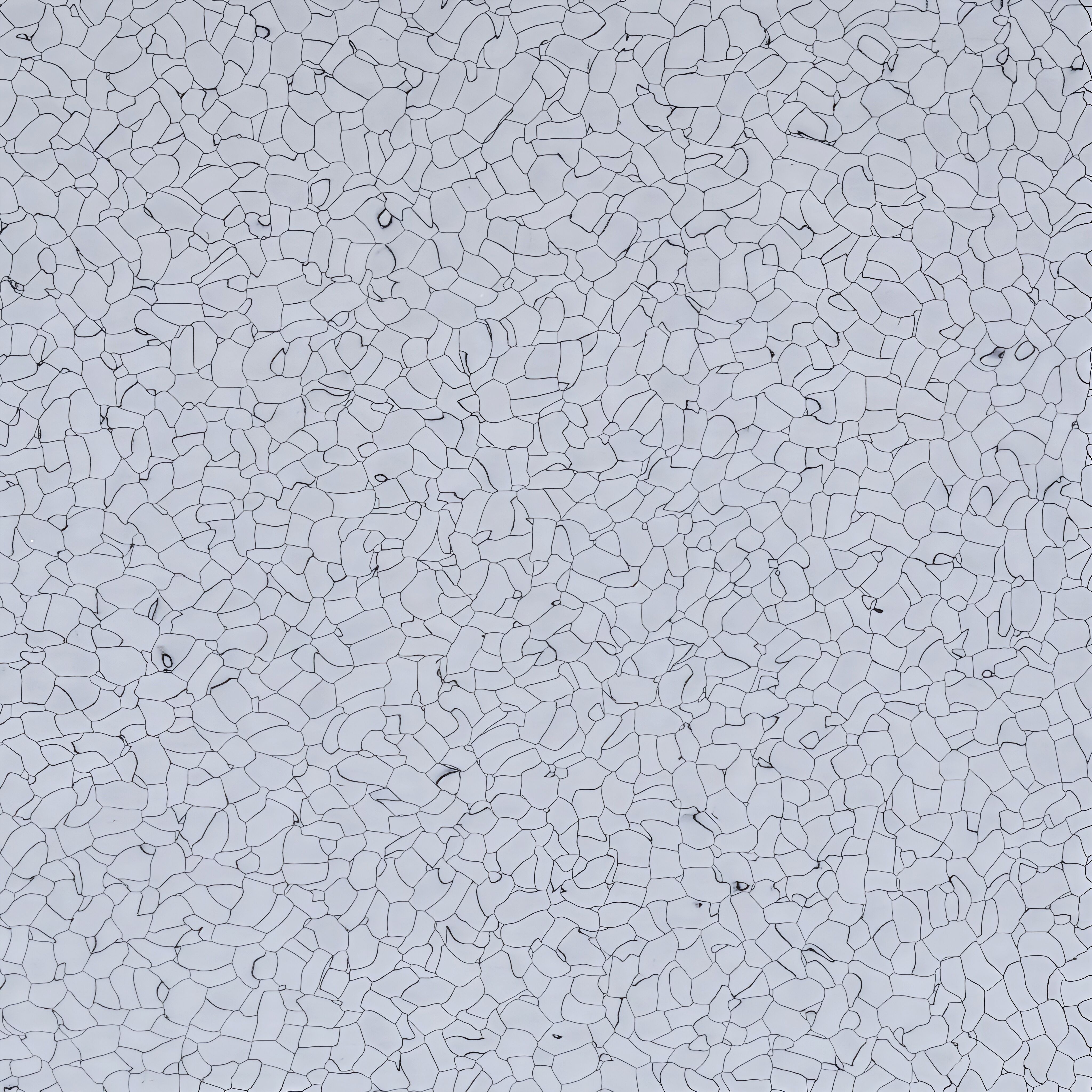
PVC surface is an elastic finish designed for calcium sulfate anti-static flooring. It is soft and flexible, helping reduce walking noise. The surface is stain-resistant and easy to clean, making it suitable for environments with high cleanliness requirements. The material is environmentally friendly, non-toxic, and free from harmful substances such as formaldehyde. It also provides stable anti-static performance in both dry and humid conditions. 
SM-1001.jpg SM-1002.jpg SM-1003.jpg SM-1004.jpg
SM-1001 SM-1002 SM-1003 SM-1004
SM-1005.jpg SM-1006.jpg SM-1007.jpg SM-1008.jpg
SM-1005 SM-1006 SM-1007 SM-1008

Ceramic Veneer

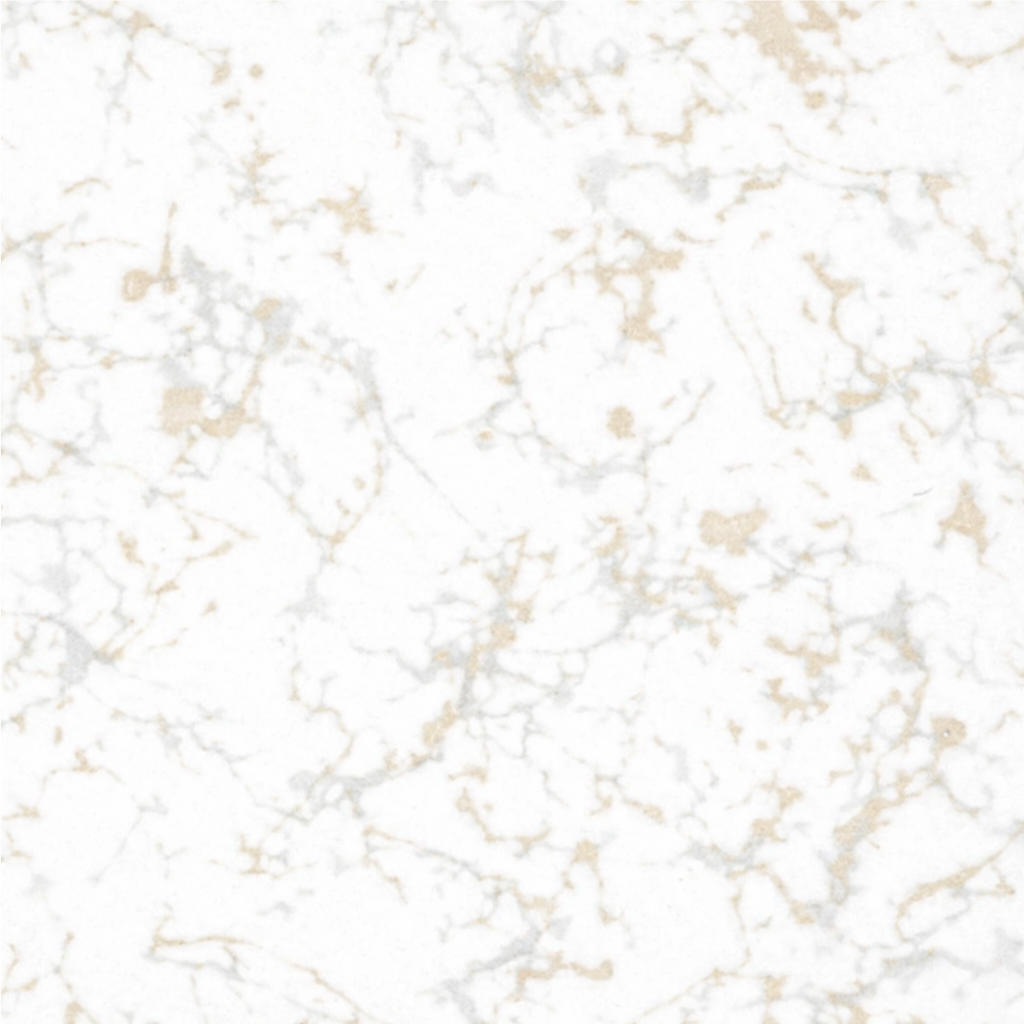
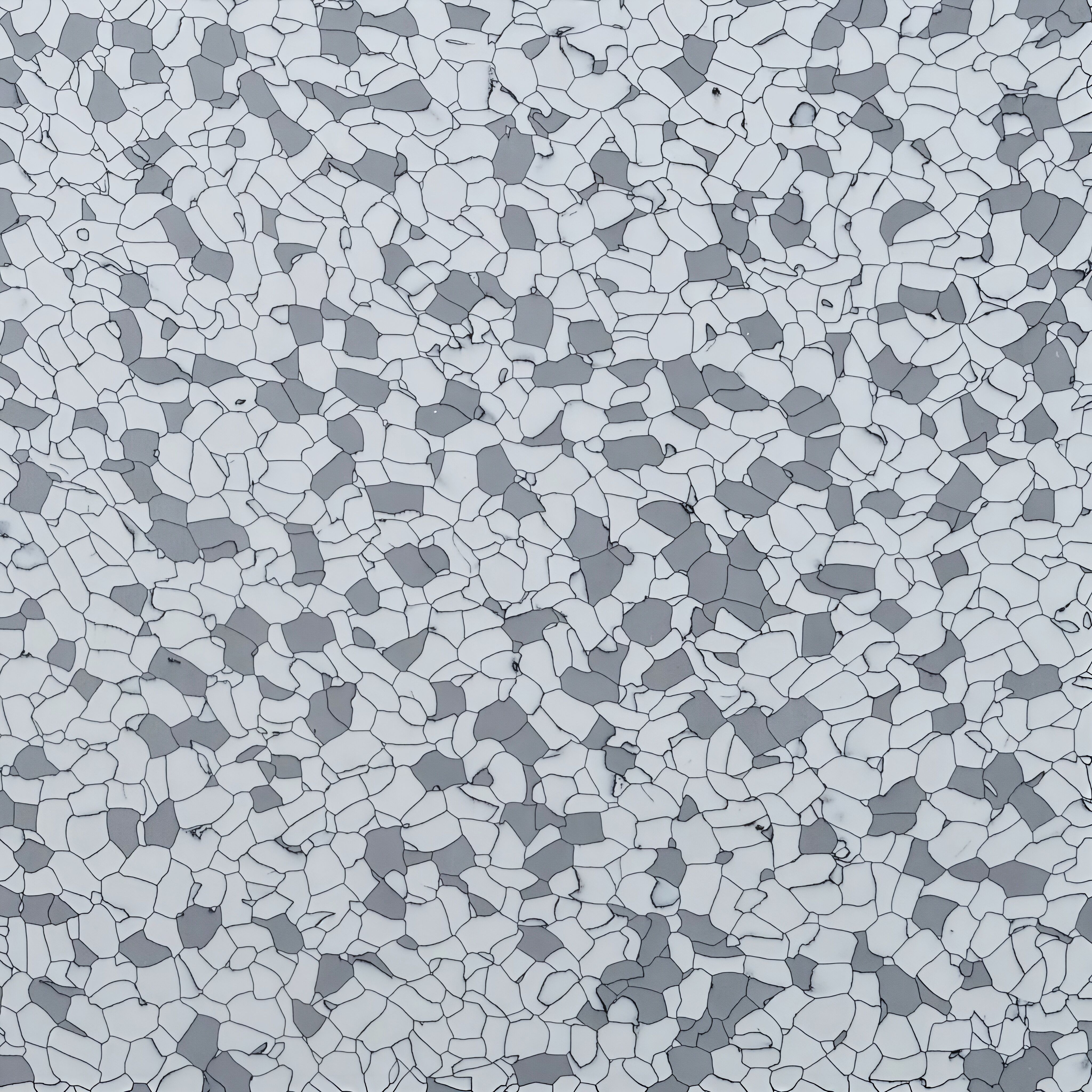
Ceramic veneer is a durable surface finish designed for calcium sulfate anti-static flooring. It features high hardness, excellent wear resistance, and strong scratch resistance, making it suitable for areas with heavy traffic and frequent equipment movement. The ceramic surface provides stable anti-static performance and excellent resistance to moisture and stains, ensuring long-term reliability. 

SM-6008.jpg SM-6609.jpg SM-6612.jpg SM-6615.jpg
SM-6008 SM-6609 SM-6612 SM-6615
SM-6616-1.jpg SM-6618.jpg SM-6628.jpg SM-6807-1.jpg
SM-6616-1 SM-6618 SM-6628 SM-6807-1

Get a Free Quote

Our representative will contact you soon.
Email
Mobile
Name
Company Name
Message
0/1000
image

More Faq Us

Frequently Asked Questions?

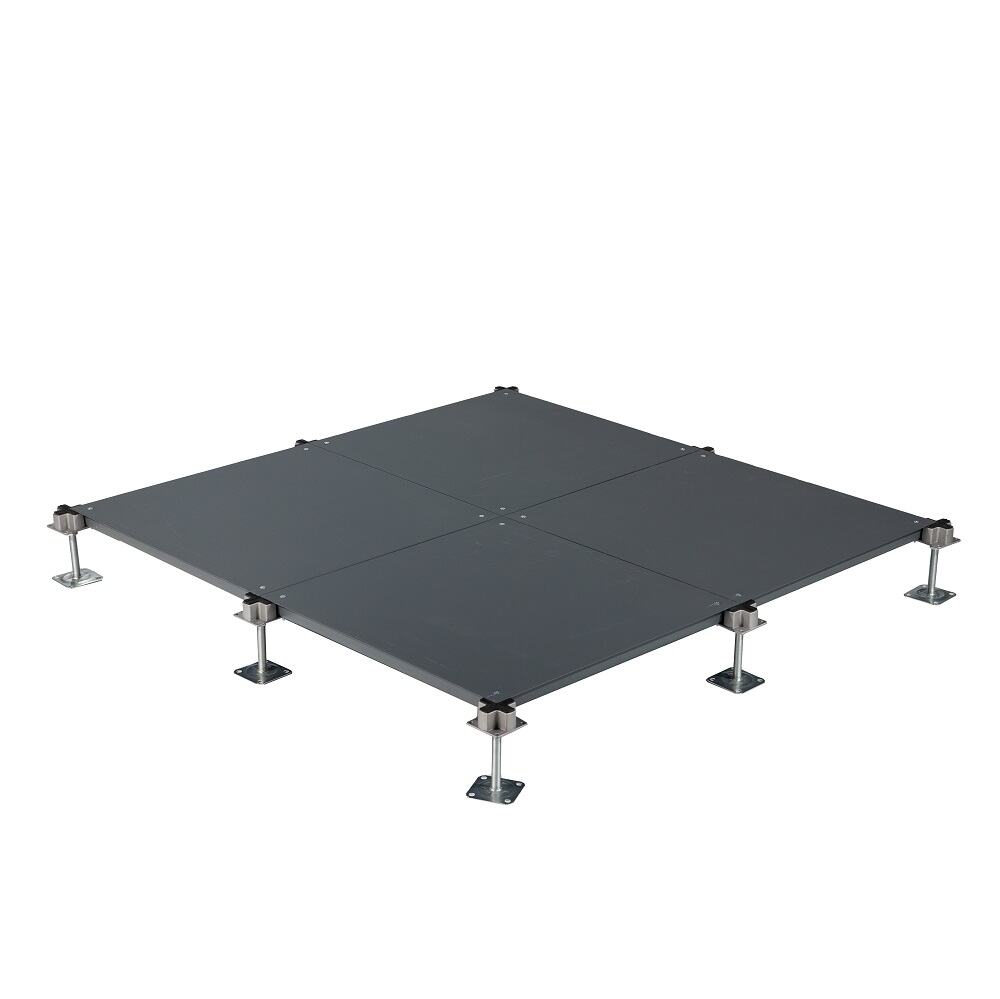
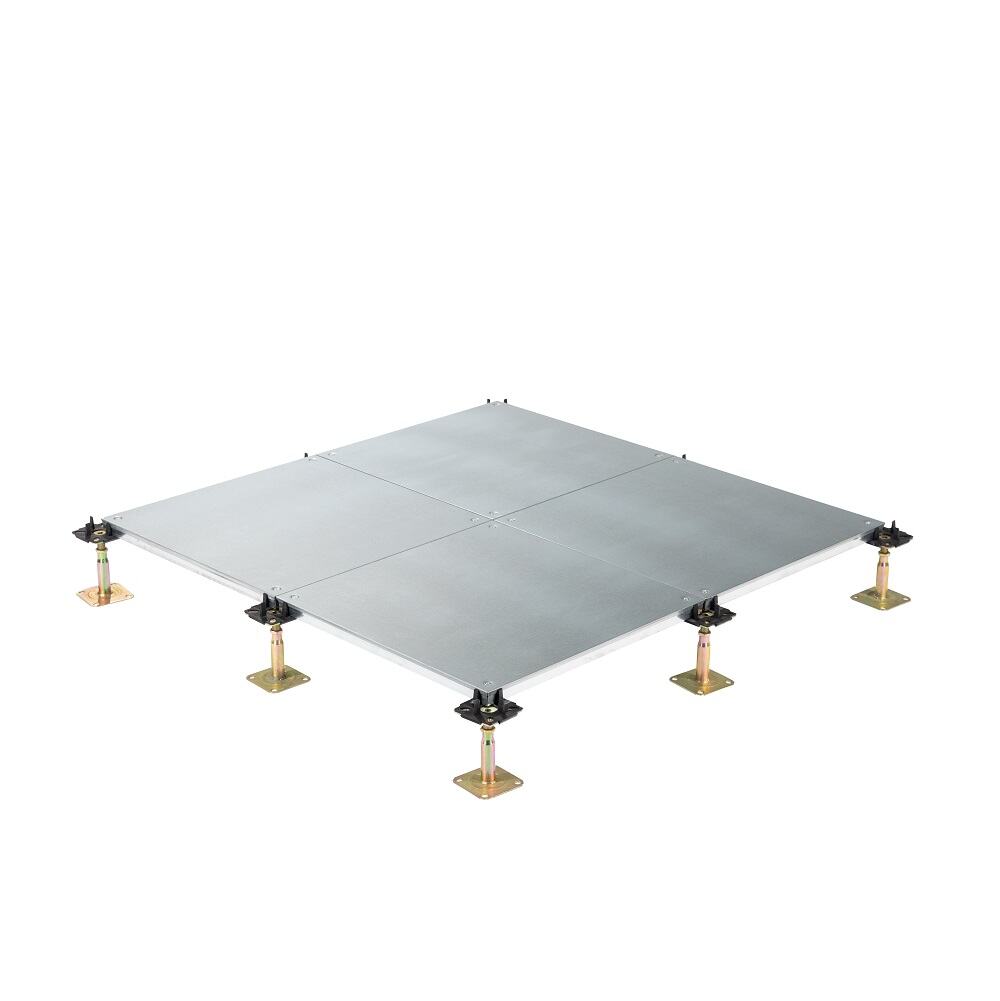
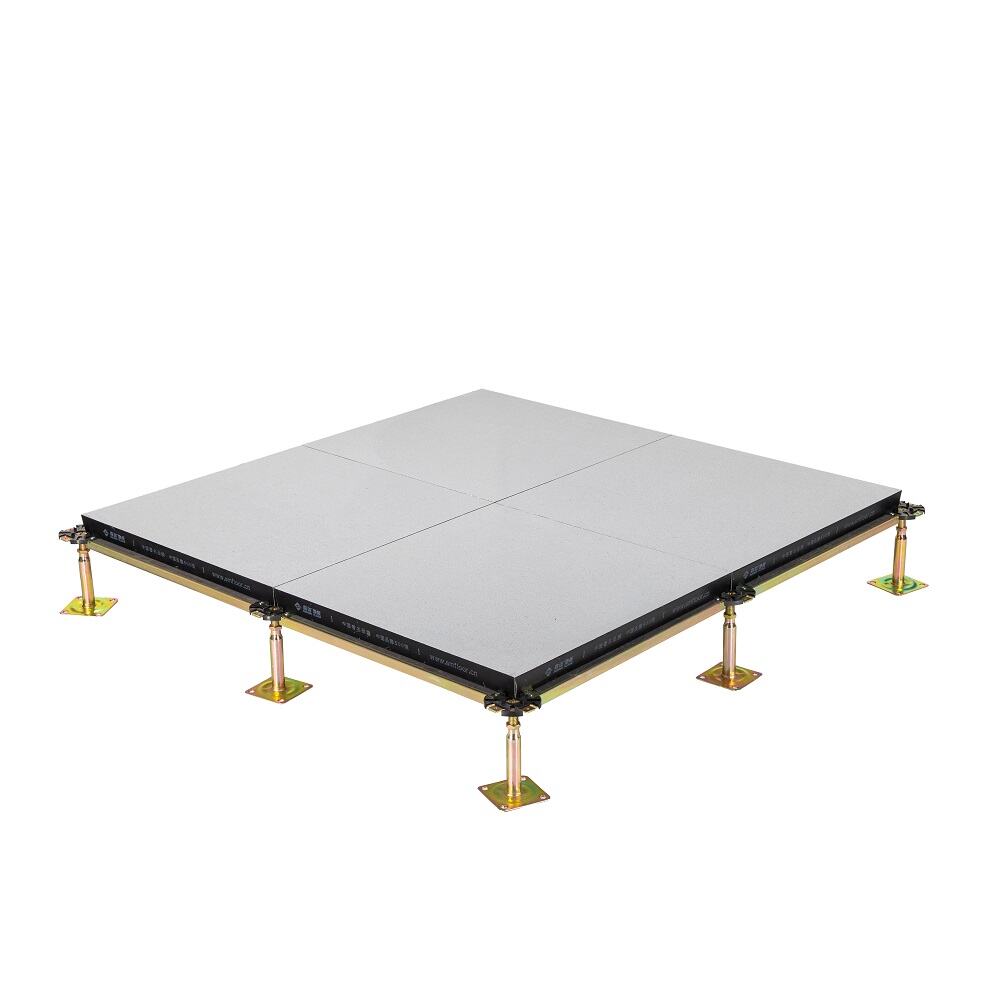
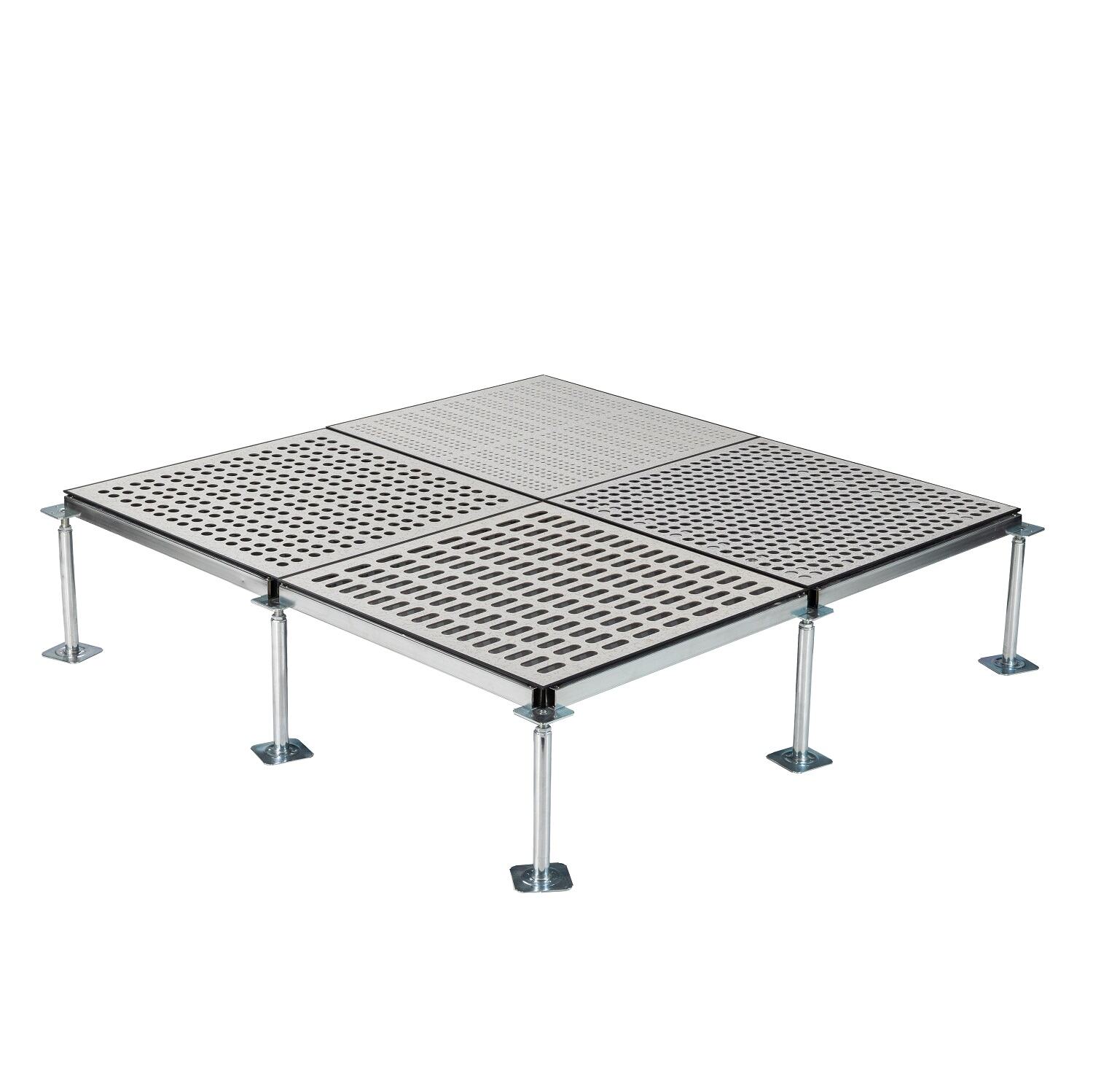
A raised access floor is a modular flooring system elevated above the structural slab using steel pedestals and stringers, creating an underfloor plenum.
It is widely used in data centers, offices, control rooms, and electrical rooms to support cable management, air circulation, heat dissipation, anti-static protection, and equipment vibration control, while allowing flexible layout changes and convenient maintenance.

Raised access flooring is mainly classified into two categories based on function and application:
•Anti-static raised access floor – designed for data centers, server rooms, and electronic equipment areas
•Network raised access floor – used in office spaces for structured cabling and weak-current systems
Each type can be combined with different surface finishes such as HPL, PVC, ceramic, or carpet.

The height of a raised floor depends on application requirements:
•Office areas: 100–300 mm
•Data centers / equipment rooms: 300–800 mm
•Special projects: Custom heights above 1000 mm available for high-density cabling or airflow requirements

To ensure effective ESD protection, anti-static raised floors must comply with the following:
•Surface resistance: 1 × 10⁶ – 1 × 10¹¹ Ω
•System resistance (panel–pedestal–ground): 1 × 10⁴ – 1 × 10⁹ Ω
These values meet international requirements for protecting sensitive electronic equipment.

For long-term performance and safety:
•Avoid impacts from sharp or heavy objects to prevent surface damage
•Use professional suction lifters when removing panels—never pry forcibly
•Regularly inspect the grounding system to ensure compliance
•Keep underfloor cables organized to avoid excessive load on pedestals
•Replace damaged anti-static finishes promptly to prevent ESD failure

Material & Durability
•HPL: High hardness, excellent wear, scratch, and impact resistance, long service life
•PVC: Softer material, lower wear resistance, more prone to scratches
Anti-static Stability
•HPL: Integrated anti-static layer formed during lamination, stable and long-lasting
•PVC: Surface-coated anti-static layer, performance may degrade over time
Environmental Resistance
•HPL: Resistant to moisture, heat, chemicals, and easy to clean
•PVC: Lower heat and chemical resistance, water exposure may cause edge lifting
Installation & Applications
•HPL: Ideal for data centers and power rooms with long-term fixed layouts
•PVC: Seamless installation option, suitable for areas requiring flexibility or slight subfloor tolerance

Common causes include:
•Improperly installed or uneven pedestals and stringers
•Incomplete contact between pedestal bases and subfloor
•Excessive gaps between floor panels causing friction
Solutions:
•Re-adjust pedestals for vertical alignment and firm fixing
•Add metal shims under pedestal bases
•Replace damaged components and control panel gaps within ≤ 0.5 mm

Copyright © 2020 by Jiangsu Senmai Floor Technology Co., Ltd  -  Privacy policy