
 EN
EN




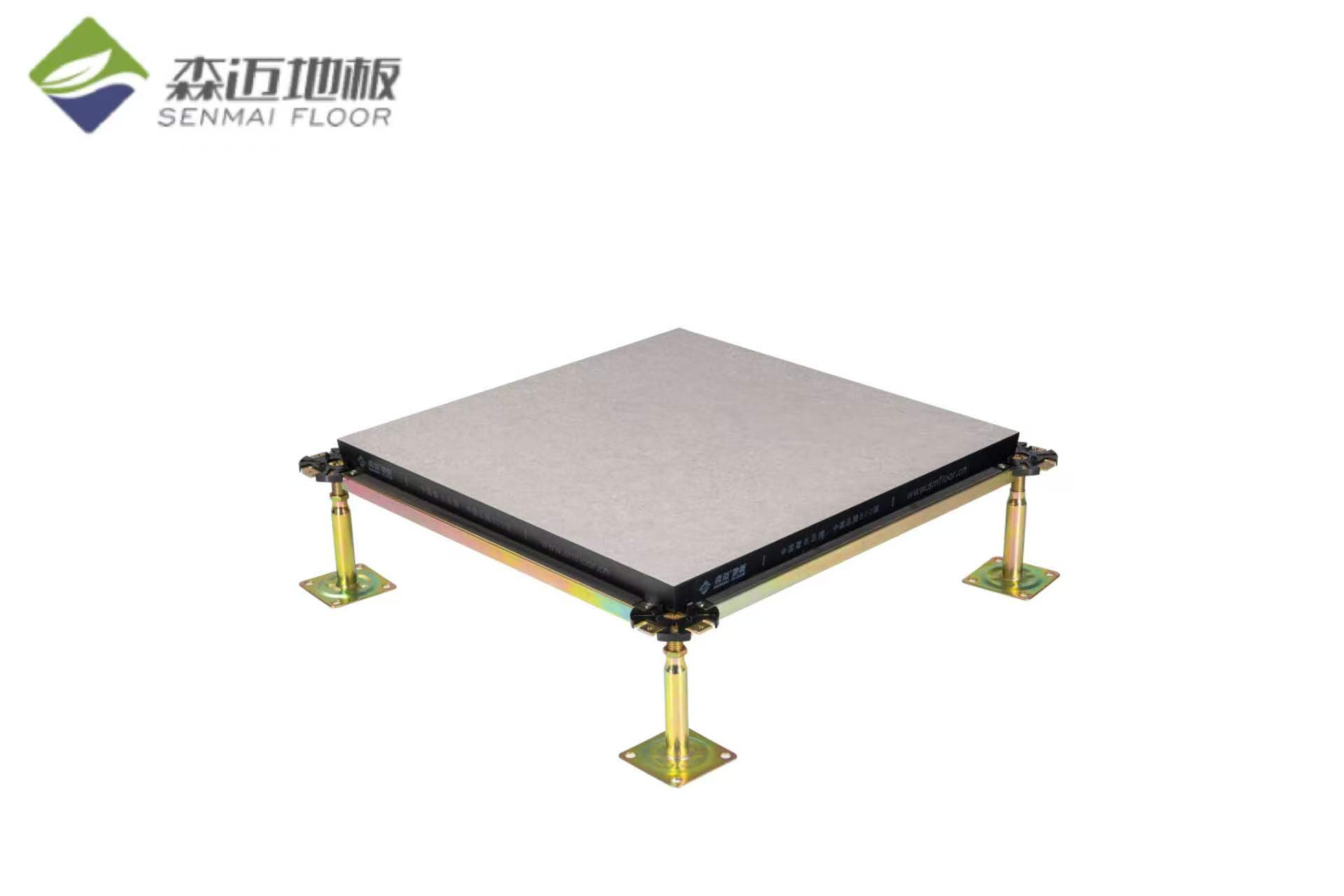
Daily and Weekly Raised Floor Surface Maintenance
Special anti-static vacuuming and mopping protocols
Cleaning raised floor surfaces daily requires special anti-static protocols to protect against electrostatic discharge (ESD) damage. For vacuuming, use ESD-safe vacuums with conductive brushes and HEPA filters to reduce abrasive particles without generating static. For mopping, use damp (never soaking) microfiber pads with neutral pH cleaning solutions. Over wetting may cause moisture to seep through panel seams, which is one of the primary causes of subfloor corrosion. Facilities that use static-controlled cleaning tools experience 37% less downtime compared to those that use non-static-controlled tools (Uptime Institute 2023).
Dust control, entryway matting, and foot traffic control
Effective dust control begins at the perimeter. High-performance entrance matting systems capture up to 80% of external pollutants that pass through the raised floor. Combine this with directed foot traffic control that diverts personnel away from critical server rows. Mats with anti-slip backs can reduce particulate ingress by 60% (International Facility Management Association, 2022). Perform weekly inspections of matting surfaces and edge seals, and replace them whenever necessary to maintain the cleanroom-level environmental control.
Monthly cleaning of the subfloor and the installation of the raised floor infrastructure
To maintain the subfloor environment and the raised floor infrastructure location, there is a certain level of debris removal that is needed and a certain level of specialized cleaning that is required to avoid obstruction of airflow and damage to the equipment.
Cleaning and ULPA vacuuming raised floor panels
To perform ULPA vacuuming that meets the standards of capturing 99.999% of particles that are 0.12 microns and larger is critical to protect the sensitive electronics located in those areas. Pay particular attention to the corners, the seams of the panels, and the areas that are adjacent to servers and high heat output areas, as those are areas where dust can accumulate and increase the likelihood of hardware failures. Dust in the data center is responsible for 23% of failures (Uptime Institute 2023).
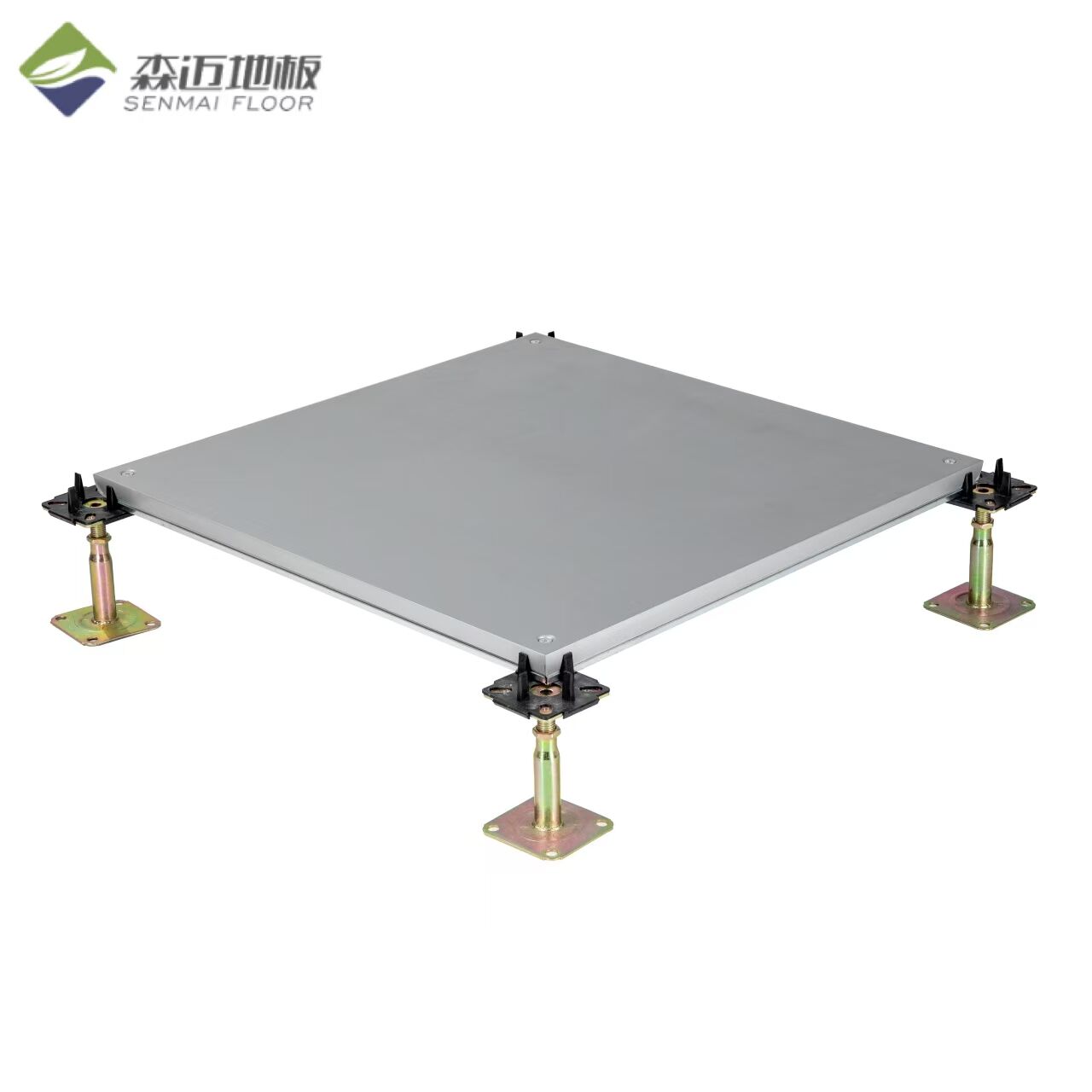
Your best practices for inspecting and cleaning cable pathways.
Cable tray inspections should occur at least once a month. At a minimum, you should check for mechanical damage, rodent damage, concentrated cable tension areas, and adherence to cable separation standards for power and data cables. During cleaning, obstructions should be removed using anti-static brushes at low pressure (30 psi) to avoid dislodging connections. Document patterns of damage on access panels caused by foot traffic as well as any compressed flooring, which can increase structural fatigue by as much as 40%.
Task Frequency Critical Metrics
ULPA vacuuming Monthly 0.12μm particle capture efficiency
Cable tension checks Monthly Bend radius compliance
Pathway obstruction scans Monthly Clearance width ≥ 2 inches
These practices help to control the amount of combustible dust while enabling positive thermal performance of the space below the floor.
Quarterly Raised Flooring Structural Integrity Checks
Regular structural integrity checks for floors raised above the ground are vital to avoid catastrophic floor failures in high-density data centers. Evaluating integrity once every three months creates a balance between safety and operational continuity.
Testing of Panel rotation, load, and wear
Quarterly rotation of panels is recommended to standardize wear resulting from foot traffic and equipment weight. Purposely exceed load expectation at a minimum of 1.5x to conduct a calibrated test for deflection compliance with NEMA FB-1 standards. For fatigue, check the locking mechanism, and use crack detection dye on the heads of the flexible pedestals. For surface finish loss, measure the depth of abrasion on the surface of the panel, and replace the panel if the finish is lost at greater than 10%.
Identifying warping, cracking, or grounding failures in raised floor panels
Scan panels for warping using a 0.5m straightedge—gaps exceeding 3mm indicate moisture intrusion requiring subfloor remediation. Examine seams for stress cracks with fiber-optic scopes. Verify electrical continuity between panels and the grounding grid (<0.1 ohm resistance per IEEE 1100-2019). Thermal imaging identifies hot spots at junctions where poor contact may lead to arcing. Log all findings in a centralized maintenance system to prioritize corrective actions.
Proactive Moisture and Airflow Management in Raised Floor Environments
Subfloor humidity monitoring and mold prevention strategies
Continuous humidity monitoring beneath raised floors is essential: levels above 60% RH create ideal conditions for mold growth. Deploy wireless sensors for real-time tracking and automated ventilation response when thresholds are exceeded. Supplement with mold-resistant coatings on subfloor structures and quarterly air quality testing. For persistent hotspots, install targeted desiccant systems. These measures safeguard structural integrity and indoor air quality—particularly vital in healthcare and mission-critical data environments where microbial contamination poses severe compliance and operational risks.
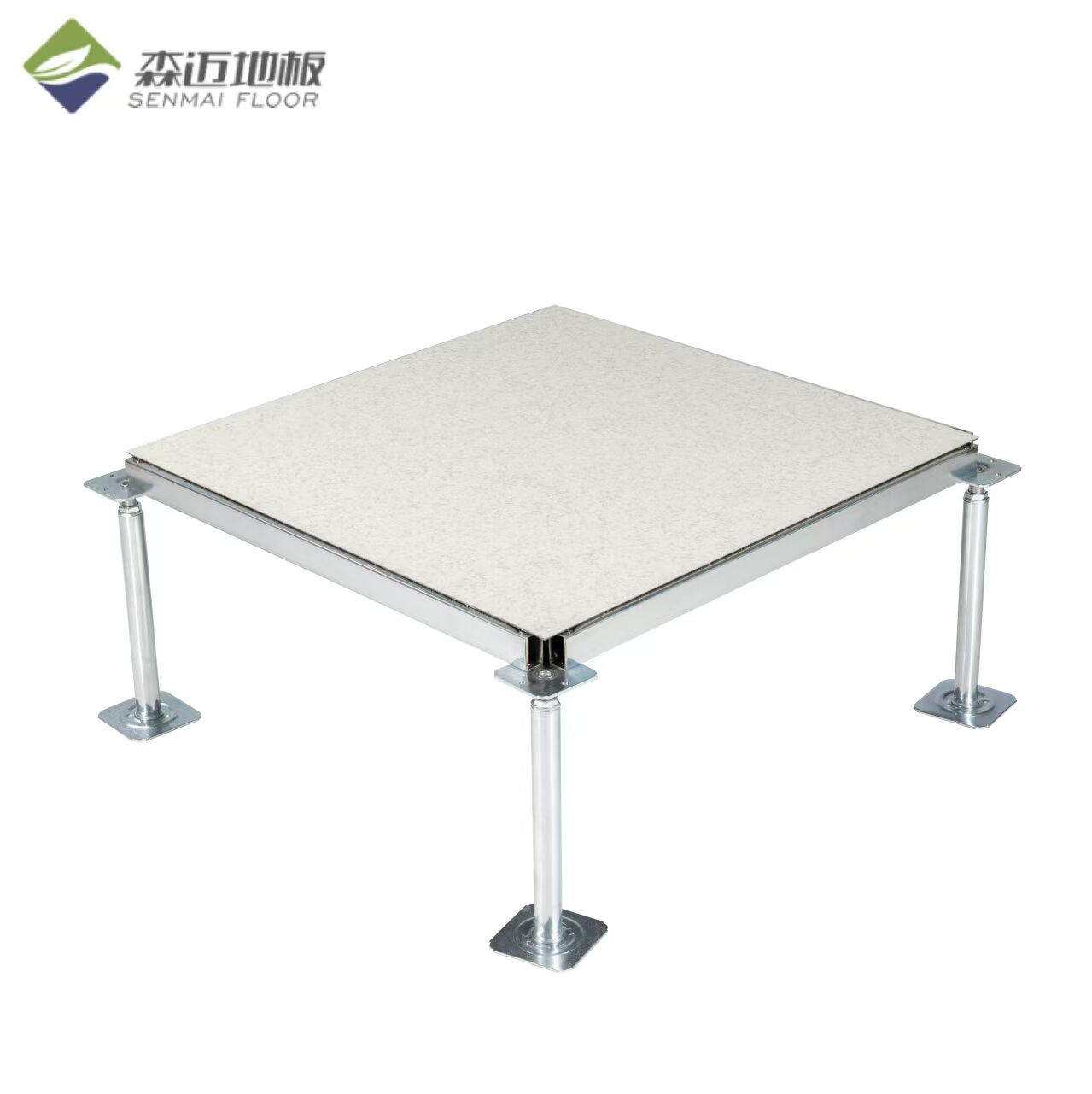
Cleaning perforated tiles, and checking airflow and obstructions
HVAC system efficacy is affected by perforated tiles and uninterrupted airflow:
Bi-monthly vacuuming for particle buildup removal, using ULPA filter technologies
Anemometer assisted airflow checks, validating ratios for open-area cooling demand (20–40%)
Obstruction audits, checking for blockages and storage, scanning under the floor
Tiles that are clogged or misaligned can reduce efficiency for cooling by 30%, while unmanaged blockages lead to stratification in temperature. Rebalance airflow after adjustments to hardware to keep thermally even conditions and avoid hotspots to failure. For thorough validation of performance, combine tile maintenance with biannual mappings of plenum pressure.
FREQUENTLY ASKED QUESTIONS
What is the importance of anti-static vacuuming while maintaining a raised floor?
Using anti-static vacuuming is crucial to keeping sensitive electronic equipment from malfunctions due to ESD. It protects equipment by using ESD-safe vacuums.
How frequently should vacuuming under raised floor panels with ULPA filters be performed?
In order to capture 99.999% of 0.12-micron particles, ULPA vacuuming should be performed monthly, to ensure the clean environment is maintained around sensitive electronics.
What are raised floor panels structural wear and issues?
Obvious signs of wear or structural issues are surface abrasion, warping, cracks, and grounding ability loss. Panels should be inspected regualry for these issues.