
 EN
EN




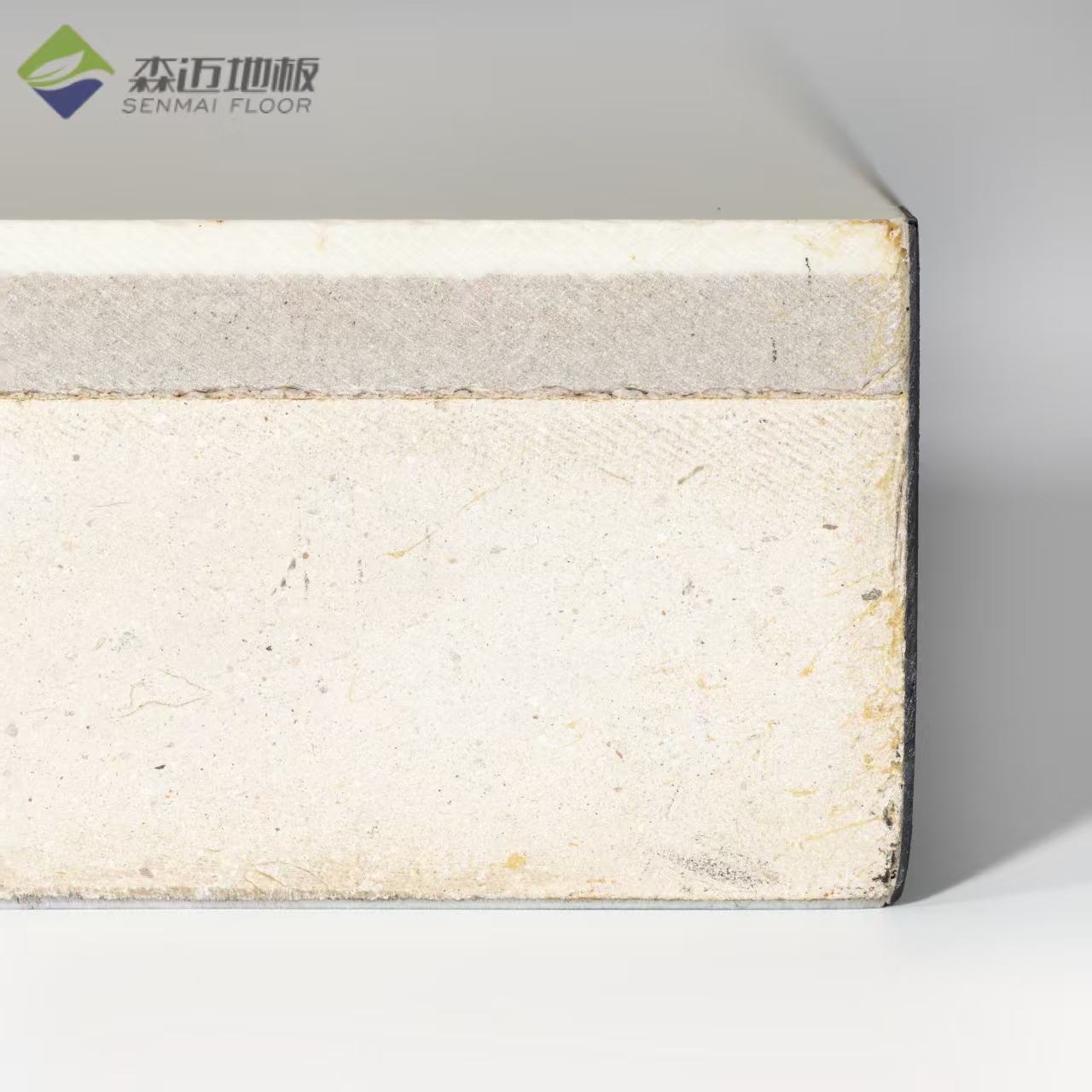
Precise Technical Specifications for Custom Raised Access Floor
What is the value of specificity?
The use of ambiguous specifications such as “heavy-duty” and “durable” when describing specifications for custom raised access flooring leads to a disconnect in understanding between the architect, the engineer, and the manufacturer(s). This disconnect can be illustrated by an example where one contractor interprets “heavy-duty” to pertain to a 1,200-pound capacity, while for the manufacturer, that number is 1,500 pounds, causing the need for changes to be made to the design while under construction. In 2023, the construction delays report confirmed that 34% of changes made to the construction plans that related to flooring were due to poorly defined technical construction specifications, adding an average of $45,000 in unanticipated construction costs per project. In all cases, ambiguous construction specifications should be considered and replaced with measurable construction specifications construction that specify load ratings in kN/m², define durability per the number of standard cycles in an abrasion resistance test (e.g. ASTM D4060), and testable construction specifications construction that can be measured. This change will minimize construction rework and improve alignment of stakeholder expectations during the flooring installation phase.
Ideal Specification for Custom Raised Access Floors
There are four non-negotiable parameters that establish a construction specification that can be built;
The parameters and specifications are the construction industry standards that are used and must be inserted directly to bid documents. There is no room for vague language in construction specifications related to the four open parameters defined as construction and technical standards governing construction practices. There is no room for the vendor to interpret. The construction industry is particularly sensitive to vague language regarding construction specifications, particularly when dealing with interfaces related toHVAC, power distribution, and structural slabs.
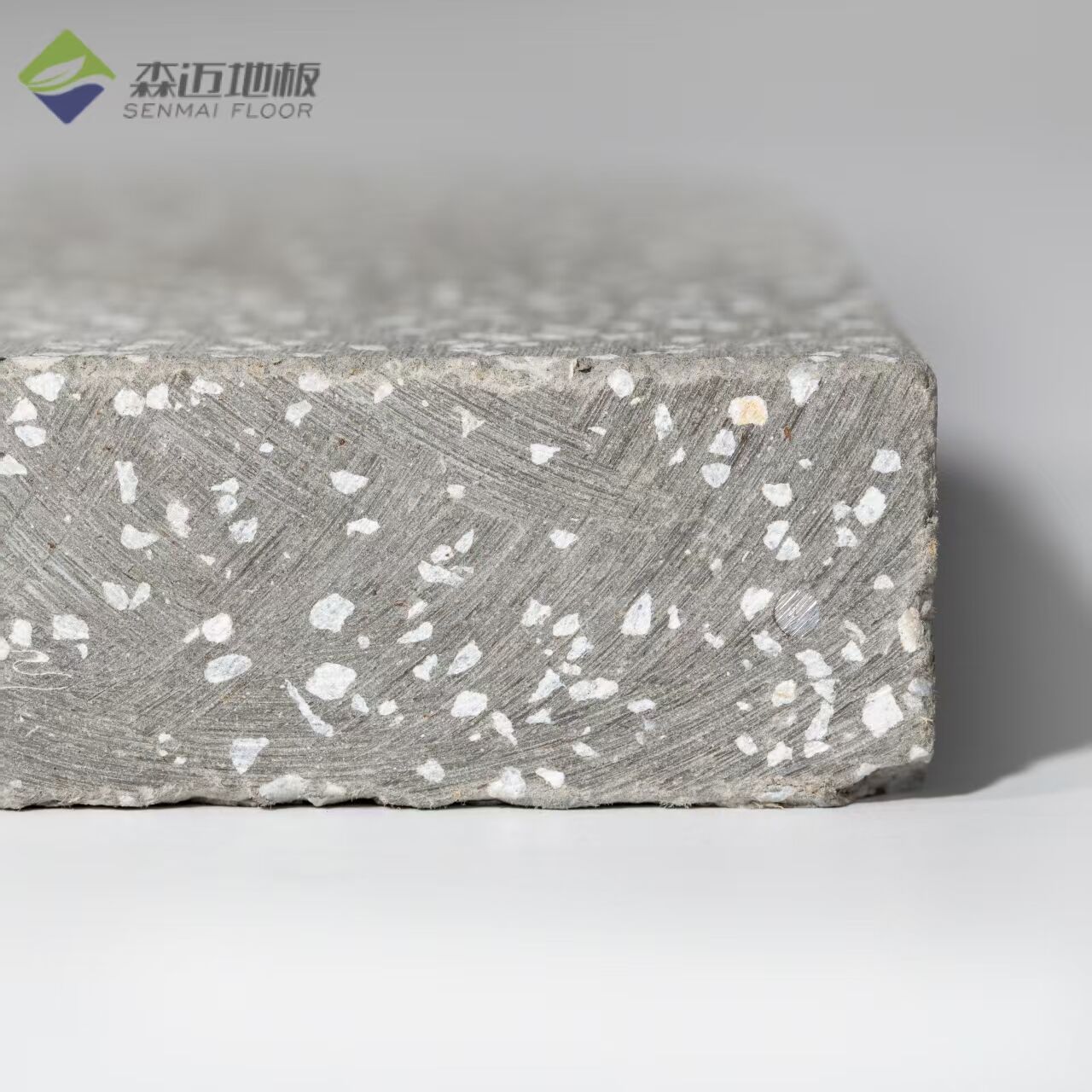
Standard Customized Raised Access Floor
Documentation templates in line with ISO 15686-5 allow a clear description of the lifecycle of the components.
Standardized documentation allows a consistent and accountable approach for every stage of the project. Templates aligned with ISO 15686-5 provide clarity in specifications and replace descriptions like “highly durable” or “sufficiently load bearing” with precise and measurable criteria such as, “Uniformly distributed load of 1,200 kg/m², a panel thickness tolerance of ≤ ±0.5 mm, and surface roughness (Rz) ≤ 10 μm.” In addition, such templates provide clear traceability of the requirements through all of the functional phases of design, installation, maintenance, and retrofitting, which ensures that flexibility and adaptability are considered for the future. Construction industry surveys conducted in the past year indicate that 73% of the delays when installing custom raised access floors can be attributed to lack of clarity in specifications. Lack of ISO aligned templates means that ambiguity can be created prior to custom fabrication.
BIM-integrated spec sheets with annotation capabilities for manufacturers and suppliers.
Modern, cloud-based, Building Information Modeling (BIM) systems allow for design spec sheets that are no longer static and can be operated as collaborative, dynamic documents. ISO aligned performance specifications can be part of the design process and embedded in a 3D model, which allows structural engineers to identify load concentration areas while manufacturers can provide comments about substrate compatibility in real-time. For instance, it can be noted that concrete subflooring would require a vapor barrier if the ambient humidity is greater than 75% RH during installation. This integrated workflow improves design and reduces RFIs by 40% while speeding up the process for approval of fabrication drawings while still meeting interface tolerances and material specifications.
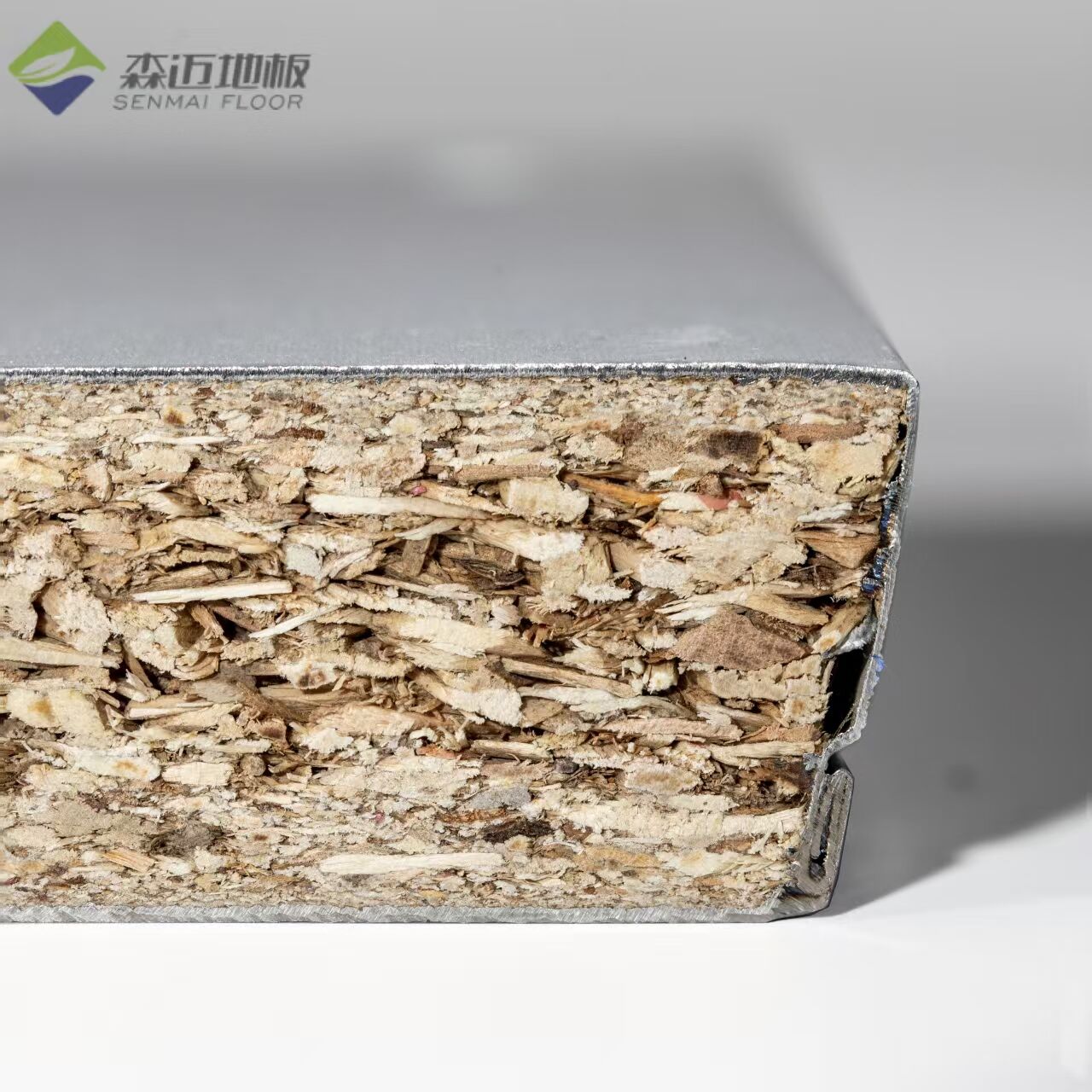
Define protocols for cross-functional collaboration to protect requirements
Integrate QC protocols at the Design → Engineering → Fabrication transitions
Unstructured handoffs are the predominant cause of specification drift in custom raised access floor production. Formal Quality Control (QC) protocols— at design completion, engineering finalization, and fabrication commencement— capture discrepancies before they worsen. At the design-to-engineering gate, cross-functional reviewers cross-check alignment between panel sizes and materials, load calculations, and client structural requirements—including subfloor interface details, such as the adjustable height of the pedestals and earthquake anchoring. The engineering-to-fabrication gate checks that drawings are at the correct tolerances (±0.5 mm flatness, 12.5 kN/m² load rating) and that the finishes are certified to all UV stability. Digital checklists with dual sign-offs track accountability as centralized systems auto-flag missing items (e.g. bracing notes) or errors (e.g. ΔE > 1.0 color variance). As per the 2024 construction workflow study, this protocol is expected to reduce rework by 30% and shorten the average project delivery date by 22 days.
FAQ
Why are technical specifications for custom raised access floors so important?
Because they define the scope of what is expected in an unambiguous way, allowing all stakeholders to avoid costly changes and delays as they ensure alignment.
What are the key considerations for custom raised access floor specifications?
The main considerations are load capacity, panel tolerance, finish consistency, and subfloor interfaces.
What is the impact of standardization on documentation for a custom raised access floor project?
The impact of standardization on documentation is consistency throughout all phases of the project, which fosters accountability and prevents delays, ensuring that the project remains relevant for years to come.
How is BIM improving custom raised access floor projects?
BIM allows for the embedding of specifications in the 3D model which promotes coordination and reduces requests for information (RFIs), expediting the project schedule.
What is the importance of QC gates in the manufacture of custom raised access floors?
QC gates provide alignment of design, engineering, and fabrication, which prevents specification drift, minimizes rework, and accelerates the delivery schedule.