
 EN
EN




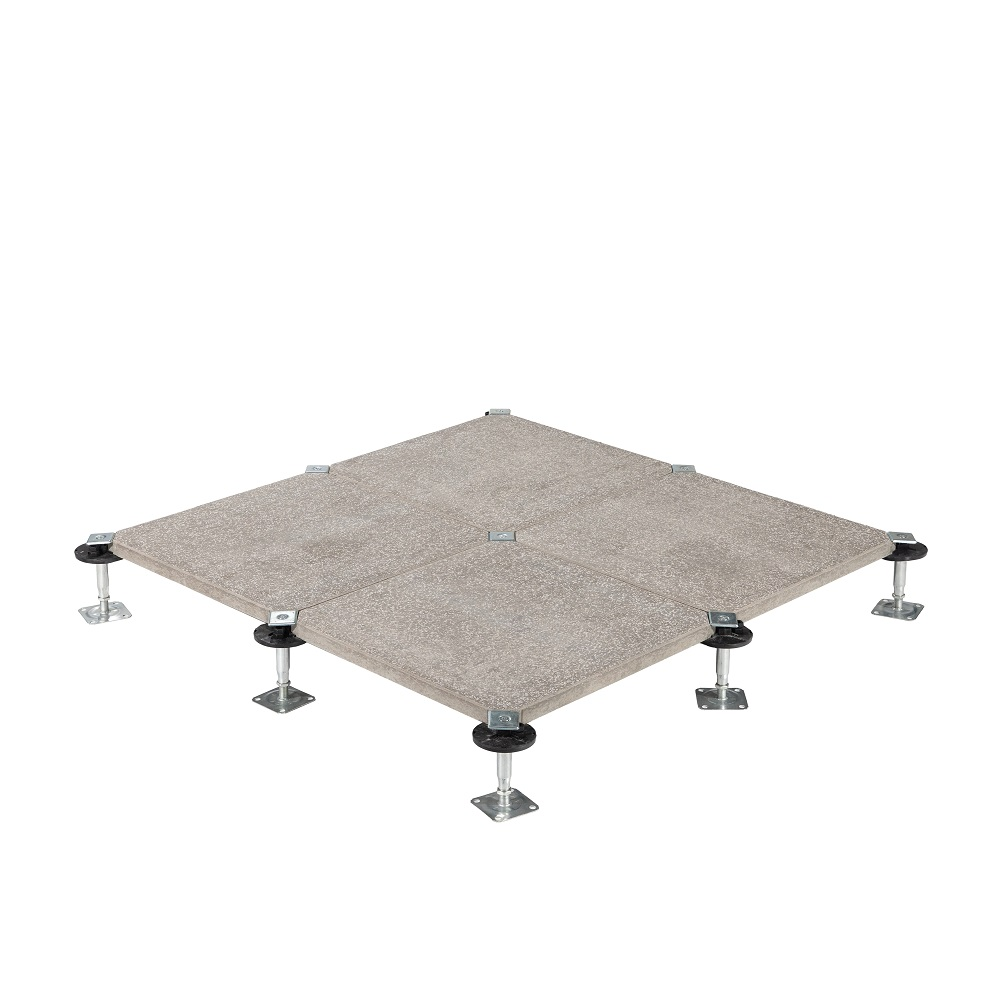
Избор основног материјала и производња заснована на перформансама
Столична, алуминијумска и калцијум сулфатна језгра: Како уравнотежити снагу, тежину, огневи квалитет и трошкове за коришћење у дата центрима и канцеларијама.
Разна материјала која се користе у производњи подигнутог пода утичу на њихову перформансу у смислу чврстоће, тежине, заштите од пожара и трошкова животног циклуса. У поређењу са алтернативама, челичне сржје нуде највећи капацитет оптерећења (више од 10 кН по квадратном метри). Због тога, центри података који садрже велике серверске низове морају их користити како би испунили захтеве за огневу класификацију класе А. Алуминијумска језгра су такође одржива опција, јер смањују тежину панела за 30-40% уз мале промене у структурној подршци. Као резултат тога, алуминијумска језгра су идеална за реновирање старих канцеларијских зграда где постојећа структура не може да издржи значајну додатну тежину или где је приступ опреми ограничен. Економска опција је калцијум сулфат, који испуњава захтеве о пожару и топлотну изолацију (испитано до 1200 °C према EN 13501-1). Поред тога, ове плоче су ефикасне у контроли вибрација. Ово је важно у данашњим модерним канцеларијама отвореног плана где је контрола буке приоритет за менаџере објеката.
Сваки основни материјал је развијен кроз прилагођену формулисање и процес подешавања - не генеричку замену - како би се задовољили приоритети примене:
Центри података: челик је спецификован због своје ненадмињене комбинације капацитета оптерећења, отпорности на ватру и дугорочне димензионе стабилности са топлотним циклусом.
Канцеларије: Алуминијум омогућава брзу инсталација са минималним утицајем. За испуњавање пожаропожарних одредби, уштеду трошкова и акустичне перформансе, употреба калцијум сулфата је најбоља опција.
Пројекти са буџетом: са сертификованим пожаро- и сеизмичким перформансама, калцијум сулфат смањује ваше трошкове материјала за 20-25 одсто у поређењу са алтернативама од металног језгра.
Све основне формулације се тестирају на интероперабилност и доследне перформансе у конфигурацијама са мешаним материјалима кроз топлотне циклусе (-10 °C до +60 °C), излагање влаги и структурну анализу у складу са EN 12825.
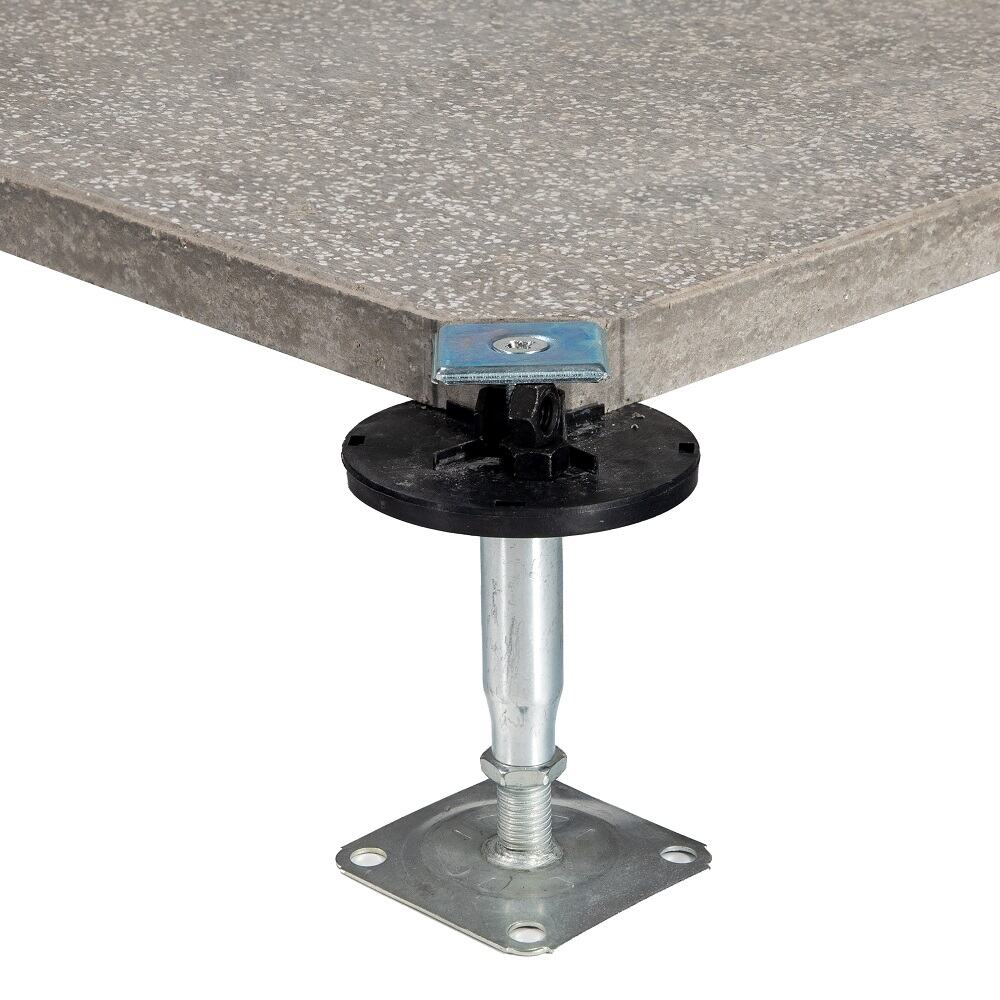
Фабрика подигнутих пода: производња прецизних панела
Како затворено ЦНЦ резање, затварање и пуњење језгра при чврстим толеранцијама (±0,3 мм) постижу конзистенцију панела, интероперабилност и структурни интегритет
Све почиње од компјутерске контроле обраде челичних или алуминијумских ивица око панела, све са прецизношћу од 0,3 мм. Када су ивице тако конзистентне, панели се неће изривирати када се инсталирају, имаће минималне празнине између њих, а оптерећење може бити равномерно распоређено преко повезаних јединица. Након тога, имамо аутоматски процес затварања који ће затворити поре у калцијум сулфату и композитима како би се спречило апсорпцију влаге која би изазвала оток и накнадни губитак равнатости и ослабљење кључних зглобова. Коначно, на притисак испуњавамо језгра како бисмо осигурали да је материјал равномерно распоређен тако да се не стварају слаба места или ваздушни џепови који ће изазвати одвајање панела када се подвргне оптерећењу током дужег временског периода.
Ове технике, када се користе заједно, омогућавају изградњу веома издржљивих конструкција. Панели подржавају најмање 12 килоневтона силе по квадратном metru и могу одржавати толеранцију инсталације од +/- 0,3 милиметра преко огромних развоја које укључују хиљаде одвојених комада. Истраживање објављено прошле године у часопису Facilities Engineering Journal проценило је да се, одржавањем строгих толеранција, прилагођавања након инсталације смањују за скоро 40 посто. Ова значајна уштеда посебно важи за велике пројекте, са смањењем трошкова прилагођавања до 740.000 долара. Осим тога, то не скраћује користан живот конструкције. То пружа велико олакшање градитељима, знајући да ће изградња бити мање стресна и да ће крајњи резултат бити бољи.
Инжењерство система за подршку: Педстали, Стрингери и калибрација оптерећења
Дизајн постајача са наносом који се може регулисати у висини и тестирање оптерећења у складу са EN 12825 стандардом (до 12 kN/m2) за критична окружења за мисије
Системи за подршку су више од статичних компоненти дизајнираних да подржавају тежину. Они су такође дизајнирани да укључе динамичку стабилност у стварне радне средине. Вертикално подешавање се такође може извршити у порастима од само 0,5 милиметра са натеженим челичним посталима на висини од 150 до 1000 милиметара. Ово омогућава да се прилагоде наступајући површине које су мање од савршено равноте док се одржава безбедност и укупна структурна интегритета. Узавврзани челични стрингери такође стварају подподне рамове који пружају редистрибуцију оптерећења за велика тачка оптерећења (нпр. 1,2 тона серверских ормара) и помажу у елиминисању локализованих напетости.
Педстали, ремељи и интерфејс панела пролазе валидацију према EN 12825, европском златном стандарду за системе подних подних подних подних подних подних подних подних подних подних подних подних подних подних подних подних подних подних подних подних Европски стандарди за тестирање користе хидрауличке буџете дизајниране да имитирају екстремне услове стварног окружења, у просеку 12 килоневтона по квадратном metru. Да би се репликовали и превазишли услови у стварном свету, стандарди за тестирање захтевају додатне ригорозне протоколе како би се осигурало да компоненте издржавају стрес прекомерно убрзаног временског оквира реалних услова током 10 година, укључујући екстремне промене температуре, променљиво Стандарди за тестирање захтевају убрзане понављања у стварном свету да пређу 100.000 циклуса, где се стабилност тестира до 0,3 милиметра за погрешну изређивање панела. Ово резултира нултом шансом за напетост кабела од погрешног усклађивања и нултом шансом нестабилности река. Ова прецизност је потребна да би прешла строге стандарде Трећег нивоа плус дата центара, где су захтеви за поузданост савршени.
Функционални елементи, завршница и трајност премаза
Испитивање лепила путем кресног термоцикла (-10°C до +60°C) везаног ламината, винила и тепиха
Атрибути ламинатних завршних делова, на пример, су од секундарног значаја за механичку и топлотну издржљивост ламината и везаних површина. Сам ламинат је префериран за употребу у операцијама у центрима података због трајности везе. Произвођачи ламината термички спајају површинске слојеве и међунутрине, а затим ламинатски узорци подлежу тестирању како би се потврдио интегритет везиња под оперативним топлотним циклусом од -10 °C до +60 °C. Везани површине винила и тепиха Овај тип лепила одржава димензијску стабилност док се површина и субстрат вежу. Ово је идеално за површине које су изложене великом броју пешачког саобраћаја.
Хемијска структура која се користи за стварање премаза мора да пронађе деликатну равнотежу међу различитим факторима. Мора да буде довољно тврд да заврши тест од 5Х молива, тако да може да издржи огребљење због падања алата и болничких колица, али да буде и довољно мек, да не крене на удару. За отпорност на абразију, вршимо Табер тест са најмање 500 циклуса на ЦС-17 колесу са тежином од 1.000 грама. Затим постоји проблем жутања у подручјима са стакленим подом и сунчевом светлошћу, што се може десити у атријумима и лобијима. Свака завршна боја подвргнута је строгом тесту хемијске отпорности свакодневних разлија као што су хладници, раствори за чишћење и уља. Неке апликације захтевају специфична електрична својства, која могу бити у облику статичке електричности и могу пасти у распону од 10 до 10 до 9 Ом површинског отпора. Ови квалификатори се мере по њиховим одговарајућим индустријским стандардима, као што је случај са стандардом ESD S20.20 и стандардом IEC 61340-4-1.
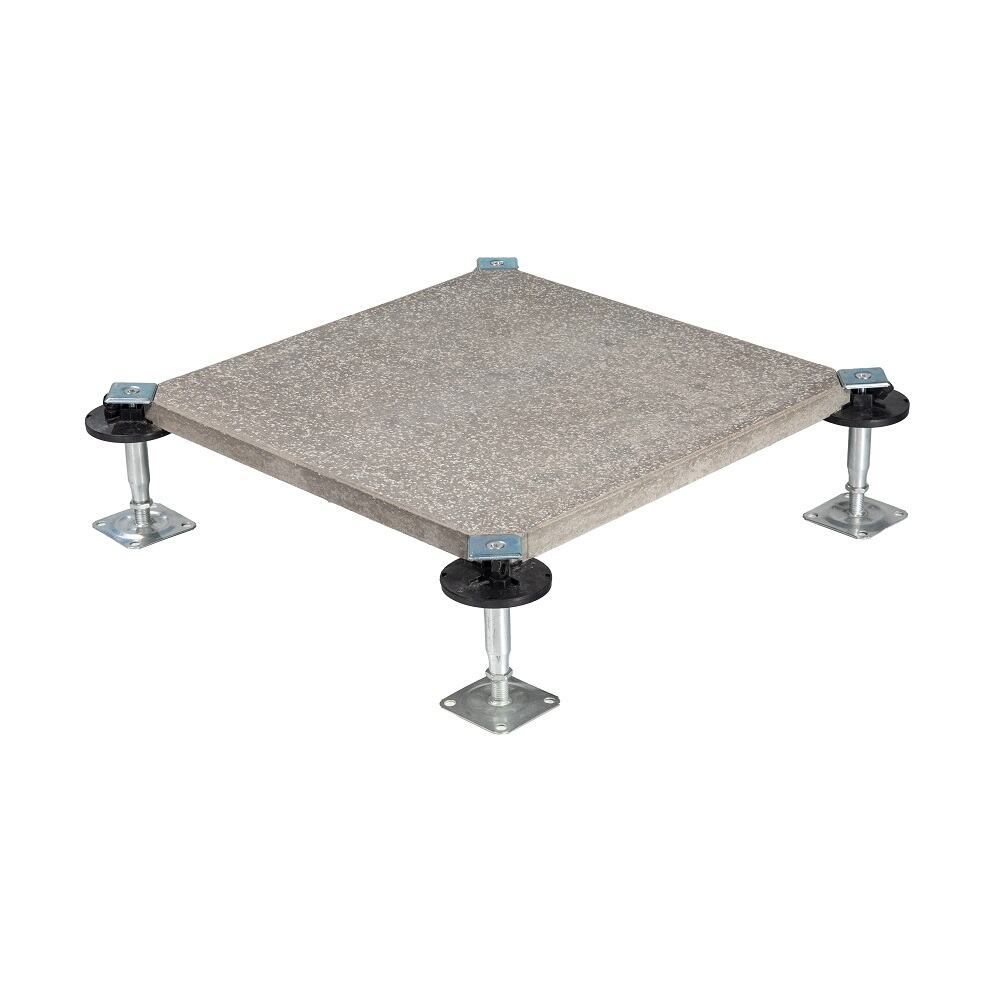
Коначна монтажа, сертификација и осигурање квалитета у фабрици са подигнутим спратом
Током завршне монтаже комбинујемо прецизно обрађене ивице са потврђеним основним компонентама и завршним материјалима, како бисмо произвели панеле који испуњавају све захтеве сертификације. Изводимо аутоматизоване проверке како бисмо проверили да ли дебљина панела испуњава спецификације (мање од 0,1 мм толеранције) пре почетка финалног процеса зачињивања. Проводимо тестове дефикције тачке оптерећења како бисмо утврдили како панели реагују на оптерећење на одређеним локацијама, у складу са одредбама EN 12825 прилога Б. Што се тиче наших тестова околине, изградили смо најбоље симулације стварних дата центара. Панели се тестирају кроз промене температуре које се крећу од -10 до +60, као и брзе промене влажности од < 30% до > 85% РХ, и под комбинацијом високе температуре и влажности током дугих периода.
Независне агенције потврђују у складу са испитивањем оганско-отпорности према EN-13501-1 стандардима за испитивање, електричном континуитетом према ИЕЦ 61340-4-1, антистатичким карактеристикама према стандарду ANSI/ESD S20.20, систему квалитета ISO 9001 и, ако је примењиво Знатан део текућих побољшања производа се врши на основу повратних информација из терену. Подаци о варијацијама у инсталацији и мерењама дефикције који се бележе, користе се за прилагођавање производње у реалном времену. Ово укључује прилагођавање подешавања ЦНЦ контроле, времена за оцвршћивање лепила и циљне густине основног материјала. На крају крајева, производ који се прави да задовољи највиша очекивања у области безбедности, поузданости и оперативног односа, се прави да испуни највише стандарде безбедности и поузданости. Највиши стандарди интерoperaбилности.
Често постављана питања:
Који су примарни материјали који се користе у производњи подигнутих подова?
У подигнутом поду се користе челик, алуминијум и калцијум сулфат. Свака од њих има јединствену предност у вези са чврстоћом, ватром, тежином и ценом.
Шта чини калцијум сулфат економичном опцијом?
Калцијум сулфат смањује трошкове материјала за око 20-25% у поређењу са алтернативама са металним јездом, а истовремено испуњава захтевне оганске перформансе и оптерећење.
Који је разлог за повећану трајност процеса производње прецизних панела?
Високопрецизно ЦНЦ резање, запечатање ивица и попуњавање језгра које резултира чврстом толеранцијом од око ± 0,3 мм је разлог повећане издржљивости.
Који су стандарди за тестирање система за подршку?
Одржни системи, укључујући постанове и заплетене, тестирају се према стандарду EN 12825 за испитивање како би се осигурала усаглашеност одржних система у динамичким условима.
Како се доказује трајност за завршне обраде површина?
Да би се потврдила дугорочна трајност, завршне обраде површина пролазе тестирање на топлотне циклусе од -10°C до +60°C, поред тестирања на абразију и хемијску отпорност.