
 EN
EN




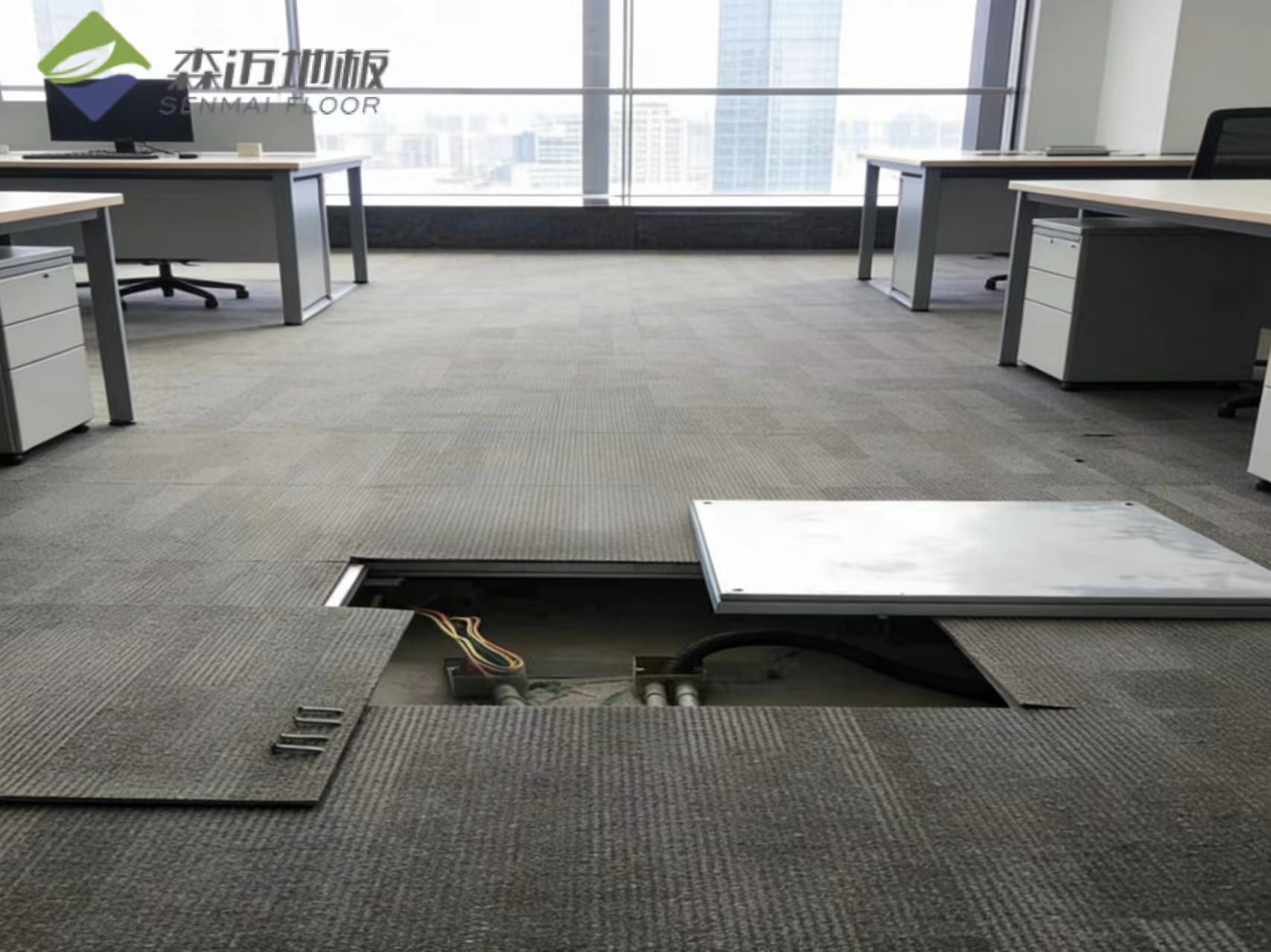
Easier Access to Utilities and Maintenance of Infrastructure
Quick access to power, data, and HVAC conduits under the floor.
An office raised floor revolutionizes maintenance, offering immediate and tool-free access to essential services without the need for demolition. Technicians can now simply remove the panels to access power, data, and HVAC ducts. This eliminates the need to remove the ceiling, chase walls, and cut the floor when servicing or upgrading. Rerouting data cables can now be done in a matter of hours, significantly decreasing the amount of time a company is unable to operate (downtime). Facility Managers report that electrical issues are resolved 40% faster when compared to issues in spaces with a traditional slab-on-grade floor.
Decreased downtime and a reduction in total cost of ownership across the building's life
This access enables lower operational expense and risk. Maintenance costs for the building can be reduced by 25%-30% due to reduced labor and no need for structural repair after servicing. The most important impact is a reduction in the loss of revenue associated with having to shut down the workspace. Research from the Ponemon Institute (2023) reports that the average cost to have a facility offline is $740,000 per year. Over the average 30-year life of a building, this builds up to a reduction of 18% in the total cost of ownership. Improved access to the workspace has a positive impact on the life of the system as it defers replacements and the system failures that are often unexpected.
Maintenance Factor Traditional Floor Raised Floor Impact
Access Time 2–3 days (wall/ceiling demolition) <4 hours 85% faster
Annual Downtime Costs $740,000 $480,000 35% reduction
30-Year Ownership Costs $9.2M $7.5M 18% savings
Better Cable and Workplace Hazard Management
Prevention of visible cables and tripping risks in busy work areas
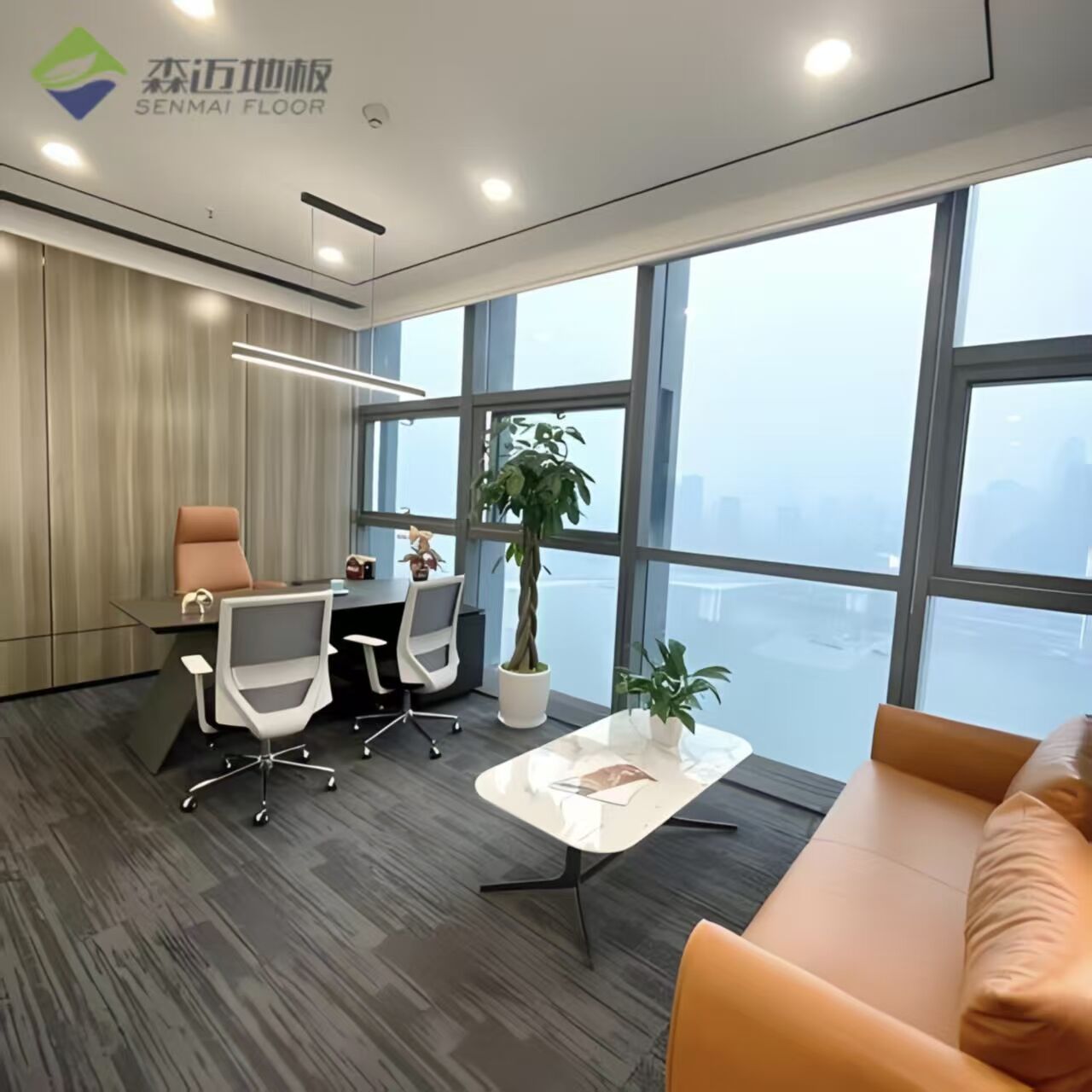
A raised floor system for offices uses removable panels to place all electrical and data infrastructure under panels and remove walkway cables. This injury risk is top of the list. OSHA states that trip and fall injuries are among the worst and most expensive workplace issues, with costs from $15,000 to $30,000 for each case. By using fire-resistant, subfloor channels to hold cables, these systems:
- Remove visual and spatial workplace obstructions from corridors and open work areas
- Prevent cable damage from foot traffic and furniture
- Reduce trip and fall injuries by 72% (BOMA International, 2024)
The overall design ensures clear and unobstructed pathways for evacuations in emergencies, while cable infrastructures are easily modified. It reduces time to configure and modify the facilities by 18% without disrupting normal company operations.
Risk of Safety Violation By OSHA, ISO, 45001, and Local Rules Insight
The raised floor of a modern office is designed to comply with OSHA, ISO 45001, and many local building codes. Here’s how compliance is supported:
Electrical Safety: Keeping power and data systems in separate, vertical, rated plenum system spaces, reduces the possibility of an up and down or vertical arc fault.
Accessibility: The unbroken pathways, from the floor to the ceiling, where raised floors are unbroken, respect the 36-inch width requirement of corridors by ADA (Americans with Disabilities Act) and IBC(International Building Code) guidelines.
Indoor Air Quality: Divided underfloor spaces inhibit the settling of dirt and debris on wiring and minimize the possibility of spreading debris.
Companies that utilize integrated underfloor systems receive 40% fewer safety violation citations at regulatory inspections and are more prepared for the ISO 45001 certification. The placement of raised flooring is becoming a recognized best practice in workplaces with substantial technology in an effort to mitigate risks.
Reduced Cooling Costs and Energy Savings with Underfloor Climate Control
Improves HVAC Efficiency and Energy Savings of up to 15% (ASHRAE RP-1672)
An office raised floor with underfloor air distribution (UFAD) is a modern approach to office climate control. Through floor diffusers, air is tampered with and directed to people. Traditionally, cooling air is blown from ceiling ducts to areas that are not occupied. Research from the ASHRAE RP-1672 study indicates that a UFAD system is 10-15% more efficient in cooling without incurring the costs as compared to a traditional ceiling system. The cooling system naturally takes advantage of the stratification of the air and the ceiling ducts are eliminated. The cooling air is directed to the people and the thermostat temperature setting can even be more comfortable. The Adjustable floor vents can eliminate the need for retrofitting ceiling system in response to a change in workplace layout.
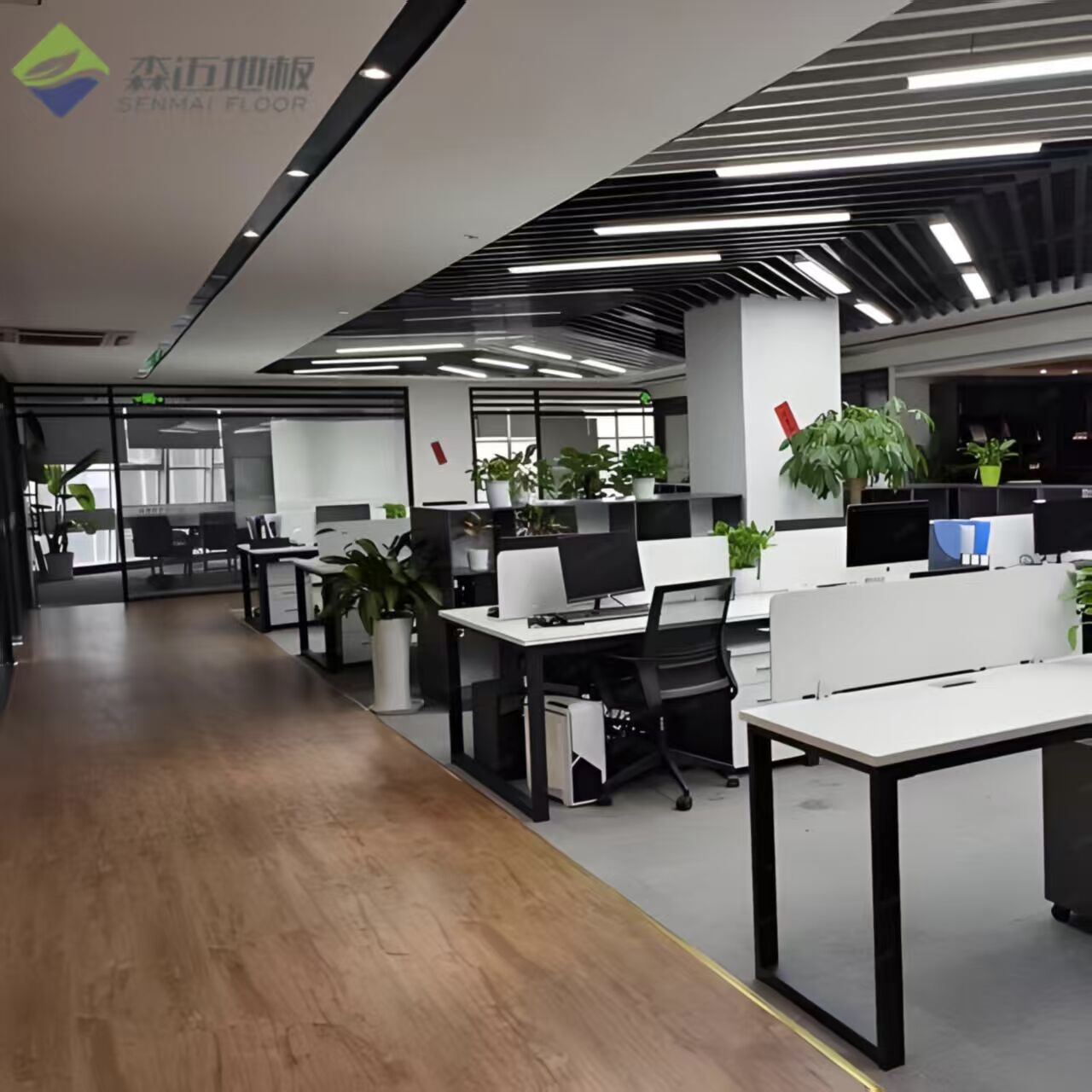
Spatial Flexibility and Adaptability for the Tech-Forward Estimation of Office of the Future for Tech-Forward Work.
An office raised floor greatly improves the adaptability of the spatial layout of the office of the future with the ability to instrument changes required due to shifting hybrid work models and expansion of the Internet of Things and new Office Technologies. Setting up hot-desking is as easy as relocating a few floor tiles to make the underfloor power and data simpler. Integration with the Internet of Things is provided by the underfloor conduits. Furthermore, AV updates can now be provided by the floor rated devices which eliminates the need for a projector in the ceiling.
Flexible rearragement of hot desks and adjustable power and audiovisual needs.
Dynamic zoning: Restructure workstation clusters every few hours using modular floor panels—supporting team expansions, departmental restructur. and Agile workspace pilots.
Tech-ready infrastructure: Expand the Internet of Things (IoT) within the workspace by incorporating additional sensors and distributed access points (no dig, no repair, no patch protocols).
Power elasticity: Install additional power circuits beneath the floors of facilities to support devices with higher power needs, such as VR workstations devices, 3D printers, and AI development rigs.
AV modernization: use infrastructure conduits to create modern interactive display workspaces.
This agility strategy will provide the firm with the confidence to forego demolition in upcoming renovations as the agility strategy requires renovations every 5 year (30% faster).
FAQ
What is an office raised floor?
Office IG (Raised floors) is an access floor made of removable panels which are configured above a workspace sub-floor to provide access to electrical, data, and HVAC conduits, which are easily adaptable.
How does a raised floor reduce operational downtime?
Raised floors allow infrastructure technicians to access within the walls (without requiring demolitions to the floor) to upgrade/repair faster.
What safety benefits do office raised floors offer?
Office raised floors support the removal of unhidden (exposed) cables which eliminates a tripping hazard and easily support compliance with OSHA and other workplace safety requirements.
How does underfloor air distribution (UFAD) improve energy efficiency?
UFAD directly delivers conditioned air to occupied areas instead of to unoccupied by delivering air to unoccupied areas (zones) which (in tandem with the use of the HVAC mechanical systems) results in 10-15% reductions in energy usage and optimal comfort from mechanical systems.
Can raised floors adapt to future technological upgrades?
Yes. They can be easily modified to change layouts, add integrations of IoT systems, and upgrade AV systems without changing the support structure.