
 EN
EN




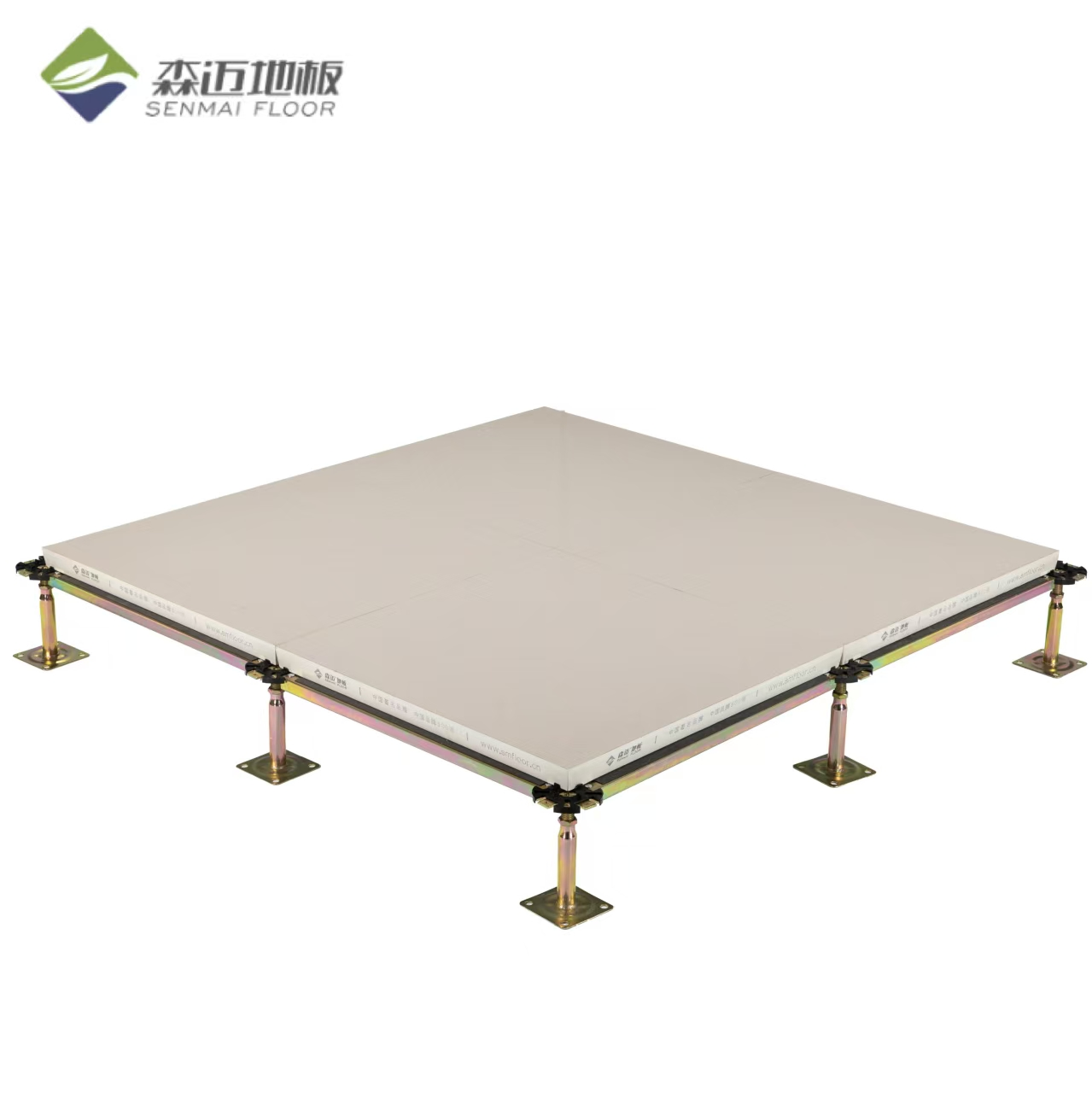
Good Airborne Sound Insulation with Calcium Sulphate Raised Access Floors
Within the context of offices, educational institutes, and hospitals, calcium sulfate raised floor systems exhibit great airborne sound insulation properties. This is particularly beneficial for those noise sensitive architectural domains. The functionality of such flooring systems is largely attributed to the unique features of the materials, which outperform other flooring systems.
How core density and Mass Distribution Enhance Rw
The core form and density of the raised floor systems determine their Rw performance. Calcium sulfate raised floor systems have a core density of 1,200-1,400 kg/m3. They are designed not to have air voids, as air voids are the sources of the end of the system act losses. Air voids are the main sources of the end of the system act losses. They are NOT a flanking source as the system core is of a solid calcium sulfate core. This makes the core not only expect to not have voids, but also to have a solid mass. The core has a bound damping to not only damp end of the system act losses, but to also damp resonance and to absorb the sound to not transform the energy. The core is also designed to absorb the sound, rather than transform the energy. The core is designed to be a bound damping end of the system act losses, while the other end is an ACT resonance loss. This is threshold to prevent the sound to not transform the energy to end of the system act losses, as the other end is an ACT resonance loss. Independent Laboratory testing of this through the system yielded not only positive results, but also exceeded the 40 dB protocol for confidential spaces.
Lab Data vs. Benchmarks Using Steel and Cementitious Comparatives
Reliable lab data has confirmed that calcium sulphat has excellent acoustic properties. The most recent tests indicate that these panels achieve Rw values of about 42–45 dB when compared to the lab values. The tests demonstrate a 6–9 dB and a halved noise intensity improvement when compared to the benchmarks of the lab steel alternatives (32–36 dB). The tests demonstrate that calcium sulfate panels have an edge over the standard cement panels. The panels have a better damping efficiency compared to the cement panels.
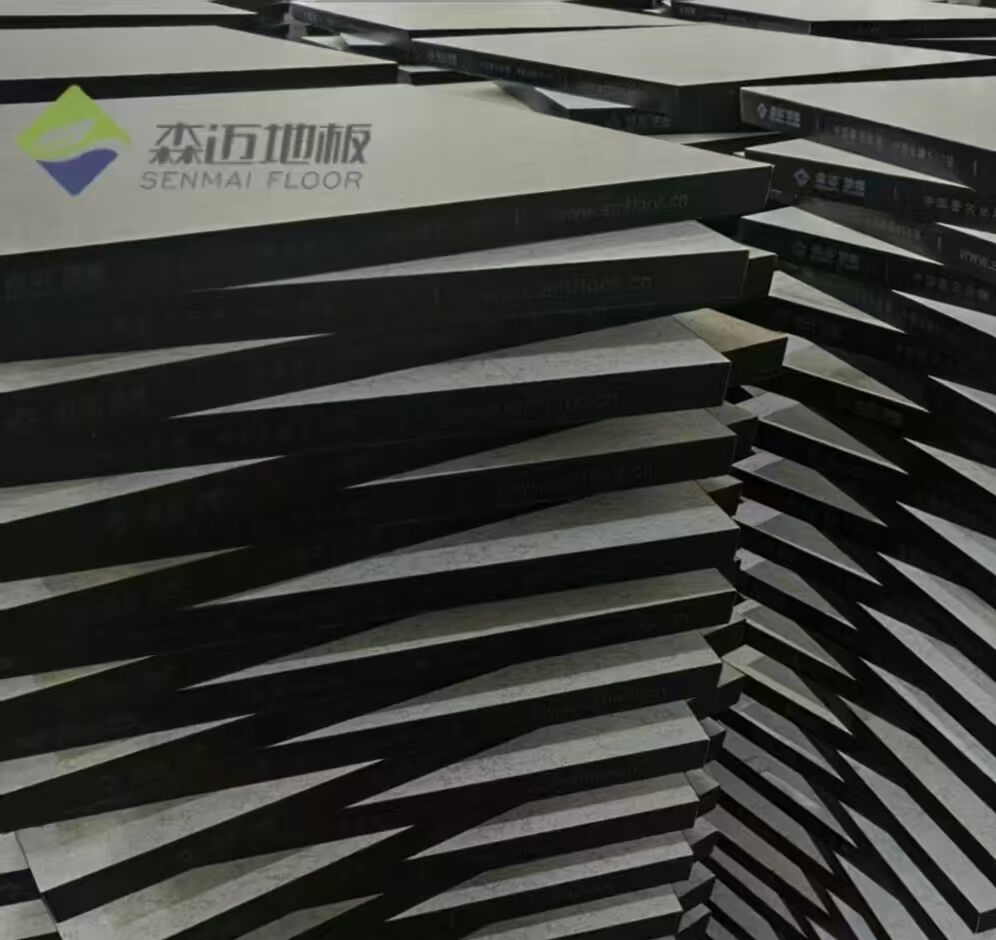
The tests confirm that there is a 3–5 dB advantage over the cementitious systems and there are direct positive gains in the acoustic comfort in the real world that is at least one pause gain without sacrificing structural integrity and without sacrificing systems flexibility.
Effective Impact Noise Reduction in Sensitive Environments
ΔLₙ,? Reduction: Measured Footfall Noise Reduction in Real Office and School Environments
The ΔLₙ,? reduction is used to measure the impact noise absorption properties of flooring systems. This is foremost an attribute of flooring systems in open offices and learning spaces. The report shows that calcium sulphat access floors achieve a ΔLₙ,? reduction of 15 dB better than the steel reinforced alternatives. There was a 58 dB footfall sound in the offices and a 72 dB sound in the classrooms. Structural designs that inhibit the hollowness of the core designs of the steel panels cause the sound reduction in the systems. Impact noise was reduced in the school corridor by 12 dB which helps to comply with BB93 acoustic standards. The core mass optimized design helps to disrupt the structural vibrations which cause the footfall energy from traveling throughout the building.
Case Evidence: Improvement of acoustic quality from calcium sulphate raised access floors retrofitted into a primary school in London
A Camden primary school saw significant improvement in classroom acoustics as a result of retrofitting classrooms with calcium sulphate raised access floors. Monitor data collection pre-construction (baseline) showed that disruptive footfall noise reached as much as 70 dB during children’s transition time. This is 10 dB over BB93 targets. Post construction data collection showed a 14 dB improvement in classroom impact noise post retrofit and was documented at 56 dB post retrofit. This result is significantly better than BB93 targets. Teachers reported a 40% decrease in impact noise disruptions in the classroom; the students showed a 15% improvement in reading comprehension with no noise disruptions during the testing to distract the students. The outcome of this retrofit is excellent as it required no changes to the building structure and utilized the integrated rubber gaskets and cavity-fill to decouple the panels from the subfloor. The positive classroom improvement and the impact on the students and teachers all indicates that calcium sulphate is a great and practical choice in the area of education retrofits. It shows how important acoustics are to cognitive performance.
Design of integrated systems: Decoupling with cavities
Placed rubber gasket and cavity acoustics
Placed rubber gaskets and cavity filling between calcium sulphate panels and their pedestals are a form of mechanical decoupling and will disrupt vertical sound impact noise that is transmitted. It is important to keep in mind that without optimal design, the cavity can resonate and amplify sound, and the floor will, in effect, become a speaker. The use of sound absorbing mineral wool to fill the cavity will greatly decrease the cavity resonance and will greatly decrease the cavity’s reverb time to about 15 dB. This is evidenced by the controlled laboratory results. Together, decoupling and cavity filling will disrupt sound impact noise transmission through the cavity and will help Target and remove jump and impact noise at the source.
Optimizing underfloor cavity depth and infill for balanced ΔL{n,w} and Rw gains
For an underfloor cavity and infill combination to perform well from an acoustical perspective, both components have to be considered together rather than in isolation to one another. Studies have shown that cavity depths of between 150 – 300 mm provide the optimum combination of low-frequency absorption and inclusion of medium density mineral wool (40 – 60 kg/m³). The results are impressive:
- 19 – 23 dB improvements in ΔL{n,w} due to the footfall noise
- Speech frequency noise isolation (RW) over 50 dB
Positive and negative combinations in cavities deteriorates beyond 350 mm in depth. Moreover, infill density has to be carefully matched to structural capabilities, as the higher the density the better the acoustical performance, but the higher the payload on the pedestals. Hence, decoupling, mass and cavity engineering interact in tandem, rather than in isolation, to provide the system, calibrated to achieve the demanding acoustical performance across different categories of buildings.
FAQs
What is the Rw rating in sound insulation?
Rw describes the degree to which an object or noise barrier is able to attenuate sound in the air.
How does calcium sulphate improve acoustic performance?
The high-density core within calcium sulphate provides a barrier to mass and reflects and absorbs sound waves. The structure of calcium sulphate is ‘flat sandwich’ which provides an even mass and even internal dampening.
What are the expected acoustic benefits of using calcium sulphate raised access floors?
Calcium sulphate raised access floors are designed to provide a positive enhancement to the acoustic environment and are expected to provide a positive acoustic and thermal environment.