
 EN
EN




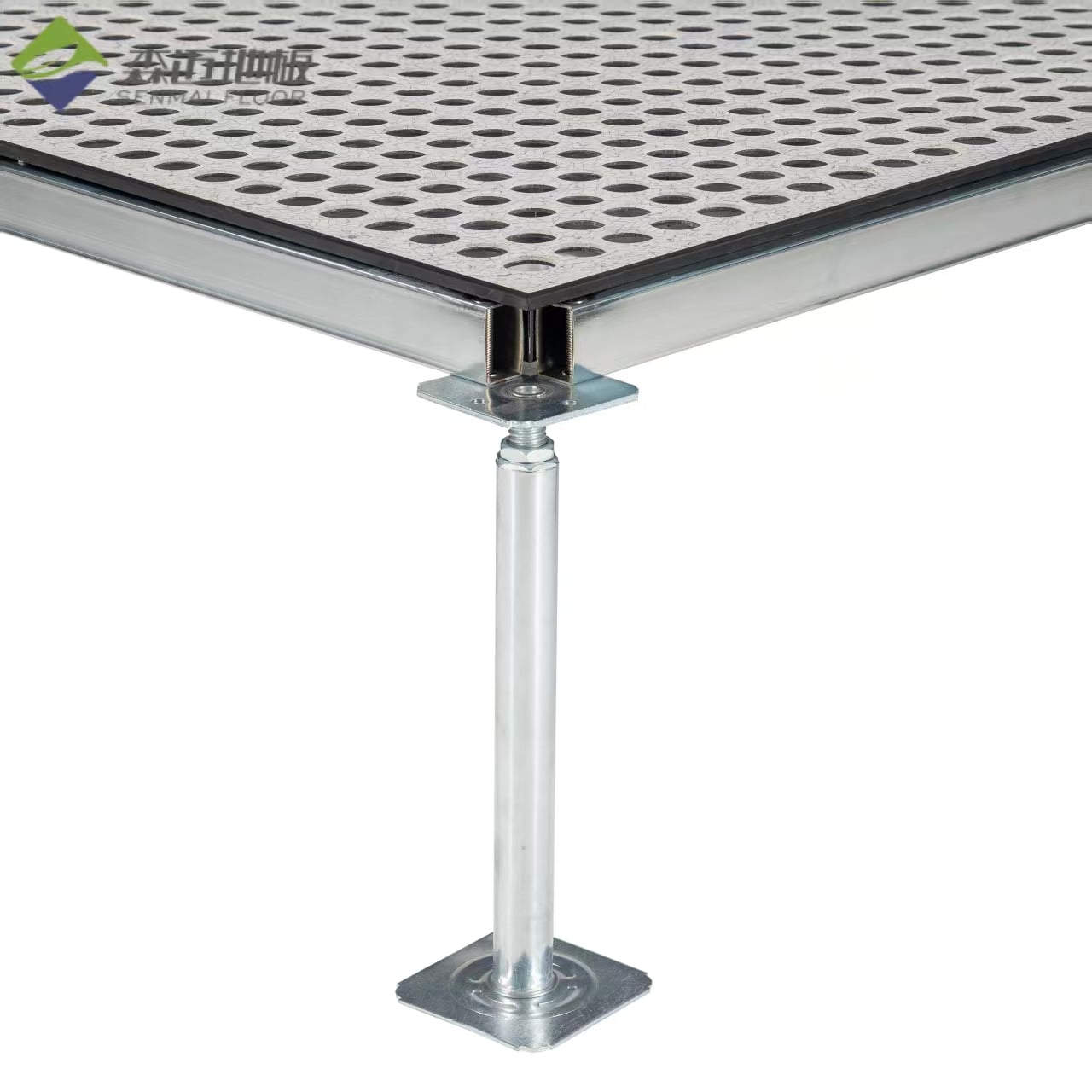
Comparative Guide: HPL, PVC, and Ceramic Anti-Static Finishes
Blog Abstract: Selecting the correct anti-static finish for a raised access floor is critical to ensuring equipment safety, acoustic comfort, operational durability, and static discharge control. High-Pressure Laminate (HPL), Polyvinyl Chloride (PVC/Vinyl), and Electrostatic Ceramic veneers each possess distinct physical properties tailored to specific industrial, technical, and commercial environments. This article breaks down the mechanical, electrical, and operational differences among these three primary anti-static surface materials.
1. High-Pressure Laminate (HPL) Finish
HPL—manufactured by pressing layers of resin-impregnated kraft paper under high heat and pressure—is the industry standard surface finish for high-density computing environments.
Structural Layers:
-
Wear-Resistant Overlay: Protective surface layer preventing scuffs and wear.
-
Decorative Paper: Provides solid colors, wood grains, or patterns.
-
Phenolic Resin Kraft Paper: Multi-layer core providing impact resistance and density.
-
High-Pressure Bonding Layer: Secures the laminate to the panel core.
Key Performance Attributes:
-
Electrical Resistance: Typically ranges from 10⁶ Ω to 10¹¹ Ω, fully compliant with IEC 61340-5-1 ESD standards for static dissipation.
-
Mechanical Resilience: Provides superior resistance to scratching, impact, and localized abrasion under frequent equipment movement and rolling loads (e.g., server racks, dollies).
-
Fire Safety: Achieves Class A flame spread ratings with zero flame propagation.
-
Maintenance Profile: Requires no specialized waxing or topical chemical treatments to maintain anti-static properties; standard non-abrasive cleaning is sufficient.
Primary Applications:
-
Standard data centers and server rooms
-
Computer labs and telecommunication switching centers
-
Commercial open-plan offices with raised underfloor cabling
2. PVC / Vinyl Anti-Static Finish
Polyvinyl chloride (PVC) finishes incorporate conductive particles across a vinyl polymer matrix to establish a permanent electrical network.
Structural Layers:
-
Clear Anti-Static Wear Layer: Transparent top layer protecting against friction.
-
Conductive / Static-Dissipative PVC Matrix: Core vinyl layer with embedded conductive paths.
-
Fiberglass Stabilization Layer: Prevents expansion, shrinkage, and warping.
-
Conductive Backing / Adhesive Interface: Ensures grounding continuity to the panel shell.
Key Performance Attributes:
-
Electrical Conductivity: Offers electrical resistance ranging from 10⁴ Ω to 10⁹ Ω (conductive to static-dissipative), ensuring rapid static bleed-off.
-
Acoustic & Ergonomic Benefits: Soft material composition delivers footstep dampening, noise reduction, and reduced standing fatigue for technicians.
-
Cleanroom Performance: Highly resistant to dust generation, moisture, and mild chemical spills; non-porous surface enables sterile maintenance protocols.
-
Limitations: Lower scratch and gouge resistance compared to HPL or ceramic; heavy point loads or sharp rolling casters can mark the surface over time.
Primary Applications:
-
Semiconductor and electronics cleanrooms
-
Healthcare facilities, pharmaceutical labs, and operating suites
-
Precision assembly lines and testing workshops
3. Electrostatic Ceramic / Porcelain Finish
Ceramic veneer combines high-density porcelain tile construction with an integrated conductive glaze layer bonded to an all-steel or calcium sulfate core panel.
Structural Layers:
-
Conductive Glaze Surface: Anti-static top surface integrated into the ceramic firing process.
-
High-Density Porcelain / Ceramic Tile Matrix: Heavy-duty, non-porous tile body.
-
High-Strength Bonding Adhesive: Structural epoxy securing tile to the floor panel.
-
All-Steel or Calcium Sulfate Core Panel: Base structural platform.
Key Performance Attributes:
-
Extreme Abrasion Resistance: Zero surface wear under high foot traffic and heavy rolling loads; immune to warping, delamination, or edge chipping.
-
Electrical Resistance: Stable ESD performance in the range of 10⁶ Ω to 10⁹ Ω.
-
Chemical & Thermal Immunity: Impervious to solvents, acids, oils, and intense heat; completely non-combustible.
-
Long Service Life: Operating lifespan can exceed 30 years, yielding an exceptionally low total cost of ownership (TCO) despite higher initial material costs and weight (20–25 kg per panel).
Primary Applications:
-
High-traffic control centers (e.g., air traffic control, emergency dispatch)
-
Power plant operations rooms and heavy industrial labs
-
Executive client-facing data centers and high-end technical facilities
4. Technical Comparison Matrix
| Property | High-Pressure Laminate (HPL) | PVC / Vinyl | Electrostatic Ceramic |
| Material Base | Resin-impregnated kraft paper | Polyvinyl chloride polymer | Fired porcelain / ceramic tile |
| Resistance Range | 10⁶ Ω – 10¹¹ Ω | 10⁴ Ω – 10⁹ Ω | 10⁶ Ω – 10⁹ Ω |
| Scratch Resistance | High | Moderate | Maximum |
| Rolling Load Capacity | High | Moderate | Very High |
| Acoustic Absorption | Moderate | High | Low |
| Chemical Resistance | Good | Moderate | Maximum |
| Expected Lifespan | 10–15 Years | 8–12 Years | 20–30+ Years |
| Primary Environment | Server rooms & Data centers | Cleanrooms & Labs | Control rooms & Heavy-use spaces |
5. Conclusion
There is no single universal anti-static finish. HPL represents the balance of cost and performance for data centers and server rooms. PVC excels in environments prioritizing acoustic dampening, dust control, and cleanroom sterile protocols. Ceramic provides unmatched durability and longevity for high-traffic, heavy-load environments. Facility managers and specifiers must evaluate rolling loads, chemical exposure, cleanroom classification, and budget to select the appropriate finish for their operational needs.