
 EN
EN




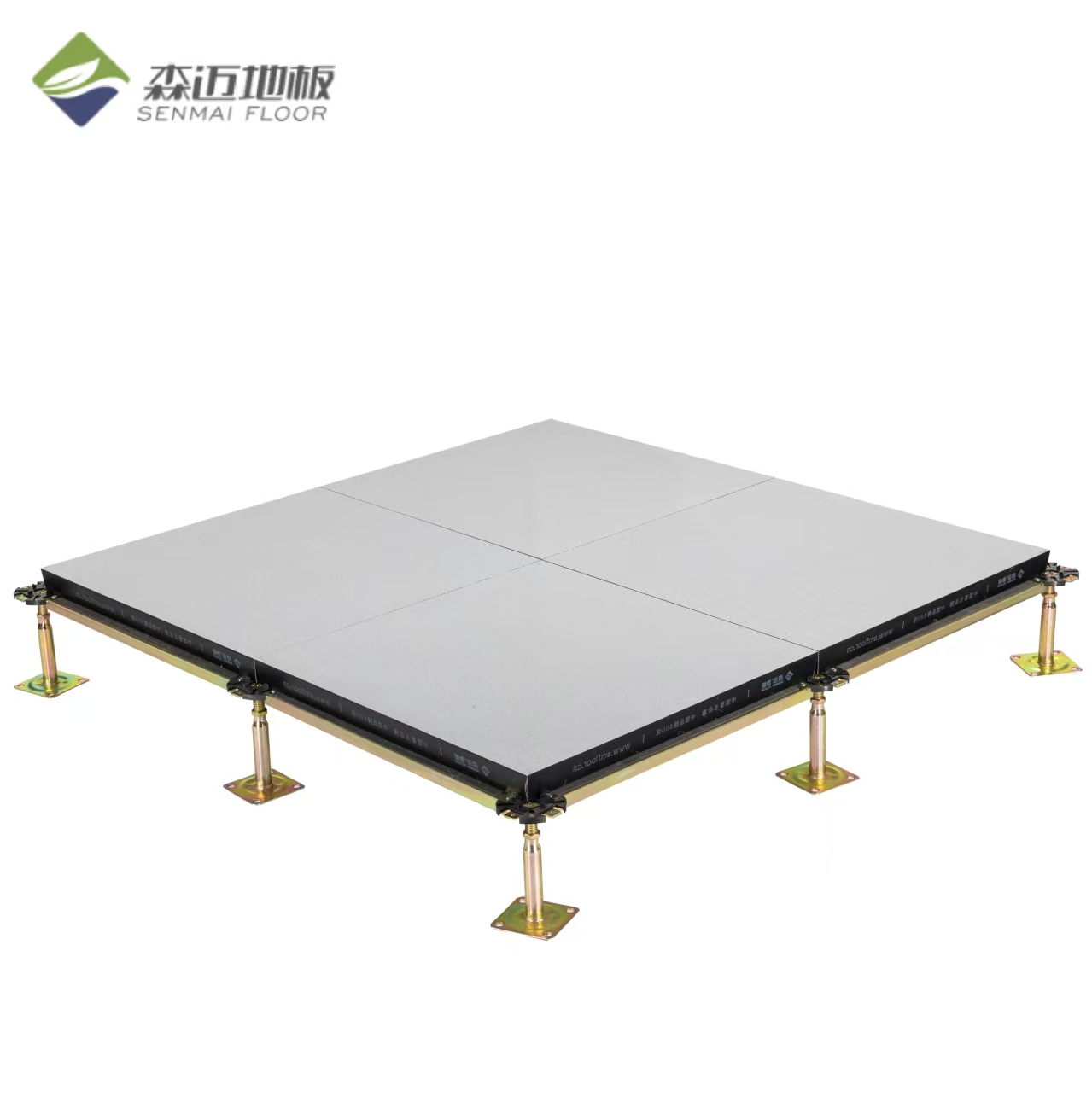
Why Cleanroom Floor Joints Are Critical for Contamination Control
In high-precision industries such as semiconductor manufacturing, pharmaceutical production, biotechnology, and electronics assembly, maintaining a clean and controlled environment is essential. While most cleanroom operators focus on air filtration systems, pressure control, and personnel management, the flooring system is often overlooked as a potential contamination source.
A small gap between raised access floor panels may seem insignificant, but over time, dust particles, chemical residues, and microscopic contaminants can accumulate inside these spaces. With regular foot traffic and equipment movement, slight panel vibrations can release trapped particles back into the cleanroom environment.
For this reason, cleanroom floor joints are not simply a construction detail. They are a critical component of contamination prevention and must be carefully designed, installed, and maintained.
Precision Engineering Begins with High-Quality Floor Panels
The foundation of a seamless cleanroom flooring system starts with the quality and accuracy of the floor panels themselves. If panels are manufactured with inconsistent dimensions, maintaining tight and uniform joints becomes extremely difficult.
High-quality raised access flooring requires precise manufacturing technology to ensure every panel fits together properly. As a professional flooring manufacturer, Senmai Flooring focuses on providing reliable raised access flooring systems designed for demanding environments such as cleanrooms, data centers, laboratories, and industrial facilities.
For example, aluminum raised access flooring systems are widely used in cleanroom applications because aluminum provides excellent strength, dimensional stability, and corrosion resistance. Through advanced manufacturing processes, aluminum panels can achieve accurate dimensions, helping reduce unnecessary gaps between panels and improving overall contamination control.
The smooth and non-porous surface of aluminum flooring also makes cleaning easier. Unlike porous materials that may absorb moisture or retain particles, aluminum surfaces support efficient cleaning procedures and help maintain strict cleanliness standards.
In addition to aluminum panels, calcium sulfate core panels with ceramic finishes are another popular choice for cleanroom environments. These panels provide excellent structural stability, fire resistance, abrasion resistance, and easy maintenance. Their non-porous ceramic surfaces reduce the risk of particle accumulation and support long-term hygiene performance.
Cleanroom Floor Joint Design: Reducing Contamination Risks from the Beginning
Many cleanroom flooring failures happen because joints are considered only after the panels have been selected. However, joint design should be part of the flooring system from the initial planning stage.
An effective cleanroom floor joint system should achieve three important goals:
1. Minimize Particle Accumulation
The smaller and more consistent the gap between panels, the lower the chance that dust and contaminants will collect in hidden areas. Precision-engineered panels help create tighter connections and reduce contamination risks.
2. Allow Controlled Movement
Cleanroom floors experience temperature changes, humidity fluctuations, and mechanical stress. A properly designed joint must provide enough flexibility to handle minor movement without creating cracks or openings.
3. Support Easy Cleaning and Maintenance
A cleanroom floor should have smooth transitions and surfaces that allow cleaning equipment to operate effectively. Complicated joint structures or uneven panel connections can create difficult-to-clean areas.
Professional cleanroom raised access flooring solutions are designed as complete systems rather than individual floor panels. This integrated approach ensures better compatibility between panels, support structures, and sealing components, reducing installation issues and improving long-term performance.
Proper Sealing Technology Creates a Reliable Contamination Barrier
Even the highest-quality floor panels require proper sealing to achieve maximum contamination control.
A suitable cleanroom floor joint sealant should have several important characteristics:
- Non-porous structure
- Excellent chemical resistance
- Low particle generation
- Long-term flexibility
- Low volatile organic compound (VOC) emissions
Using unsuitable construction sealants can create serious problems. Some materials may release unwanted chemicals during curing, while others may become brittle and crack after long-term exposure to cleaning agents.
The sealing process should not only focus on the gaps between individual panels. A complete cleanroom flooring system should also consider:
- Floor panel connections
- Room perimeter edges
- Wall-to-floor transitions
- Equipment installation areas
- Access points and service openings
A properly sealed flooring system creates a continuous contamination barrier and helps maintain stable cleanroom classifications.
As an experienced raised access flooring manufacturer, Senmai Flooring provides flooring solutions designed to meet the strict requirements of modern industrial environments where cleanliness, durability, and reliability are essential.
Installation Quality Determines Long-Term Cleanroom Performance
Even the best flooring materials cannot perform effectively without professional installation.
During installation, technicians must ensure:
- Accurate panel alignment
- Consistent joint spacing
- Proper sealant application
- Stable support pedestal adjustment
- Correct treatment around edges and openings
Poor installation practices may create uneven surfaces, excessive gaps, or weak sealing points that become contamination risks in the future.
For cleanroom projects, installation should always be performed by teams familiar with controlled environments. Every detail matters because small installation errors can affect product quality, production efficiency, and compliance requirements.
A well-designed flooring system combined with professional installation provides a strong foundation for maintaining a clean and stable manufacturing environment.
Regular Inspection and Maintenance Keep Floor Joints Contaminant-Free
Cleanroom flooring maintenance does not end after installation. Over time, floor joints may experience wear caused by:
- Frequent pedestrian traffic
- Cleaning equipment
- Temperature changes
- Building movement
- Chemical exposure
Regular inspection helps identify potential problems before they become serious contamination events.
A recommended maintenance program should include:
- Checking joint seal conditions
- Inspecting damaged or loose panels
- Cleaning hard-to-reach areas
- Recording repair and inspection history
Facilities should also maintain detailed documentation, including:
- Installation dates
- Sealant materials used
- Maintenance schedules
- Repair records
This information helps operators quickly identify possible contamination sources and improve long-term cleanroom management.
Conclusion: Building a Reliable Cleanroom Flooring System
Achieving seamless and contaminant-free floor joints in cleanrooms requires a combination of:
- High-quality flooring materials
- Precision panel manufacturing
- Professional installation
- Proper sealing technology
- Regular maintenance
The floor is more than just a surface to walk on. In sensitive industries, it is an important part of the contamination control strategy.
By selecting reliable cleanroom raised access flooring systems and working with an experienced flooring partner like Senmai Flooring, companies can create cleaner, safer, and more efficient production environments.
A properly designed cleanroom floor system does not just support daily operations—it protects product quality, reduces contamination risks, and provides long-term value for high-precision industries.
Table of Contents
- Why Cleanroom Floor Joints Are Critical for Contamination Control
- Precision Engineering Begins with High-Quality Floor Panels
- Cleanroom Floor Joint Design: Reducing Contamination Risks from the Beginning
- Proper Sealing Technology Creates a Reliable Contamination Barrier
- Installation Quality Determines Long-Term Cleanroom Performance
- Regular Inspection and Maintenance Keep Floor Joints Contaminant-Free
- Conclusion: Building a Reliable Cleanroom Flooring System