
 EN
EN




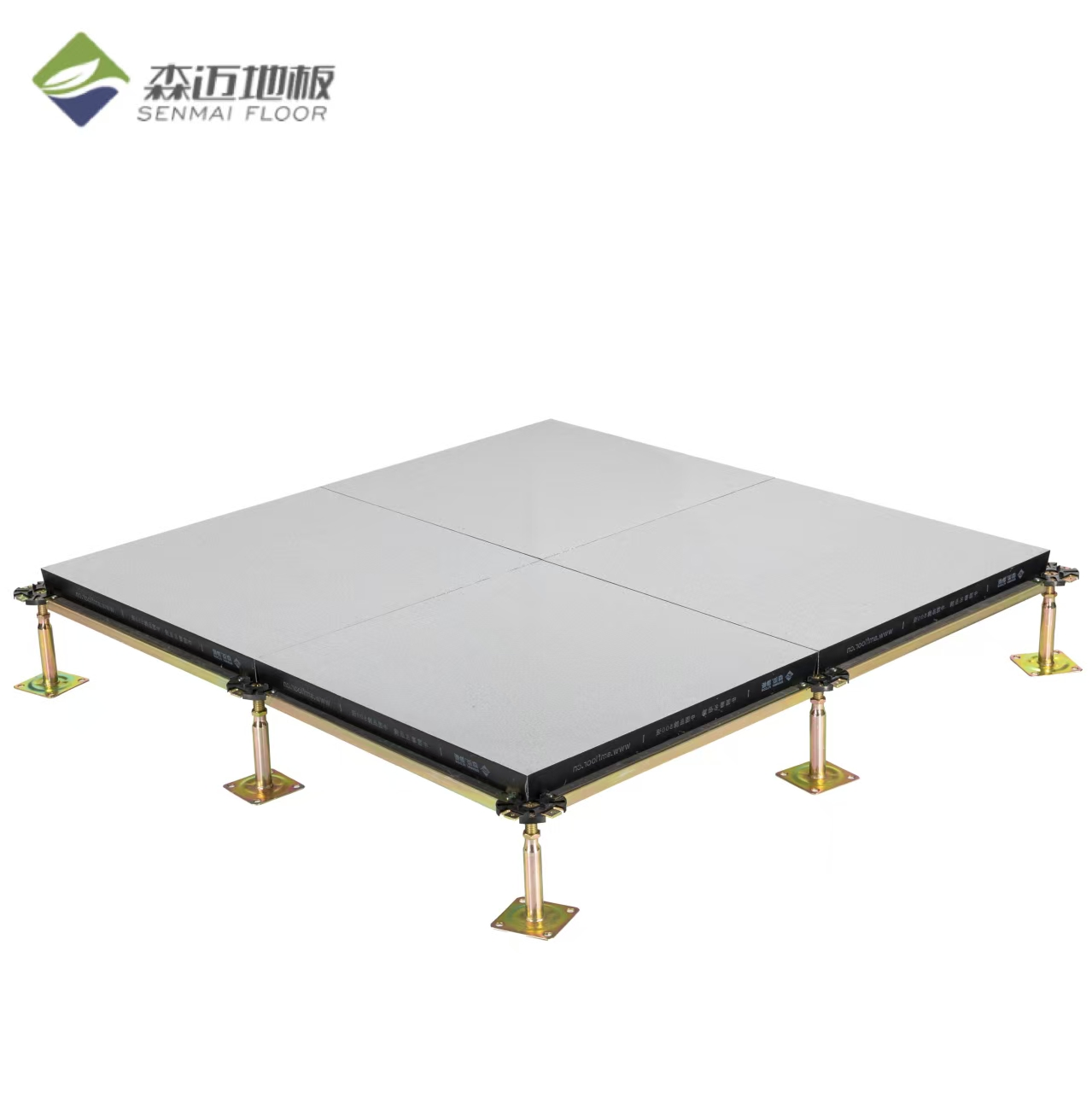
Fire Resistance of Calcium sulphate Based Raised Access Floors
Fireproofing with Gypsum: A Gypsum Absorbent Fire Resistance
Raised access floors with gypsum in their core are composed of chemicals with hydrated gypsum core containing water at around 20% by mass. Gypsum core with hydrated Calcium Sulphate transforms endothermically by dehydration at temperatures above 100°C. In this case, hydrated Calcium sulphate absorbs approximately 1000kj/kg of thermal energy while converting to water vapour. This reaction aids in cooling the surrounding components of the floor, provides 30 to 60 minutes of ignition delay of combustible materials, and flame extinction occurs by a reduction of local oxygen depletion at the edge of combustion. As it does not incur loss of power for continued operation, this mechanism provides an inexpensive means of controlled fire.
Thermal Barrier Formation: Anhydrite and Flame Resistance
One the heating phase is over, Anhydrite is a non-combustible phase occurs at less than 1000°C with a thermal conductivity of less than 0.5W/mk. Anhydrite not only slows flame spread, but also offers a thermal barrier, an improvement of cut-off performance.
Transcription Reduction: Greater than 50% cut-off performance is left to right
Reduction of Transcription Bonding: An adhesive cut-off performance
Reduced combustion is achieved through the reduction of gas combustion. This barrier strengthens the constraining capability.
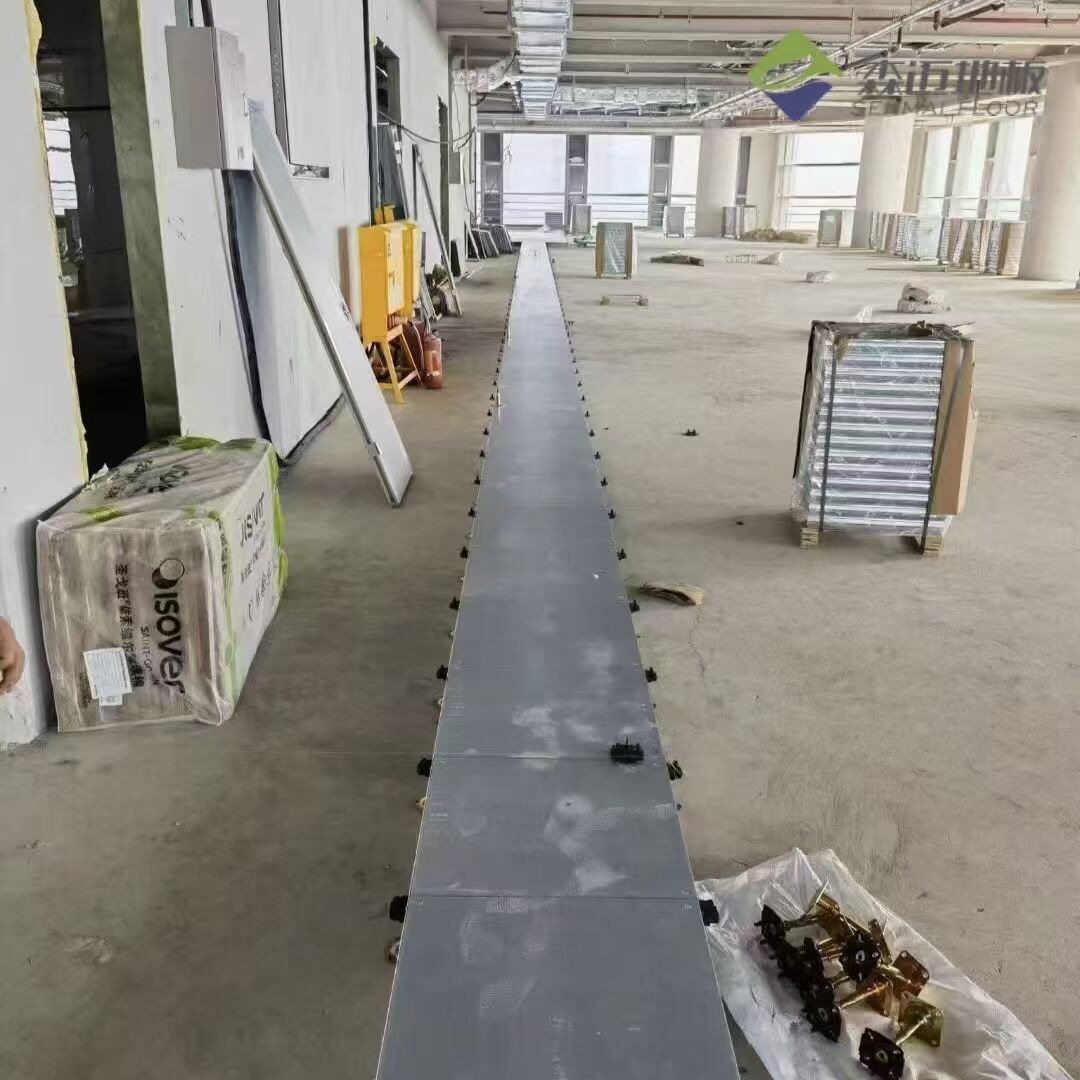
Fulfilling A1 Non-Combustibility and F60 Ratings for Fire Performance
EN 13501-1 Class A1 and GB 8624 Class A Certification for Calcium Sulphate Raised Access Floor Panels
The highest non-combustibility classifications in Europe and Class A in China (EN 13501-1 and GB 8624) laude calcium sulphate raised access floor panels in structural and combustibility testing. Evaluation standards for these panels determine no fuel contribution and no flame spread (0/0 index) and a smoke density of less than or equal to class D under extreme conditions of 750 °C and a furnace. The chemistry inherent in the material, specifically with the dissociation of chemical bonds through an endothermic process, allows the floor panels to defy combustibility norms and standards often guiding or supporting regulations of buildings with a high combustibility risk, like data centers, emergency medical facilities, and other critical or public infrastructures, without the use of an additive or surface treatment for resistance to fire.
F60 Ratings of Fire Integrity and Fire Insulation Performance
Within the limits set forth in the testing, calcium sulphate raised access floor panels, when tested, also provide fire insulation and integrity for over 60 minutes with a surface temperature rise of no more than 140 °C (ISO 834), and provide substantial fire resistance. The containment of fires in a compartment is achieved through the use of calcium sulphate raised access floor panels because of the significant reduction (67%) achieved in the transfer of heat through the anhydrite (compared to other methods). F60 rated standards for protection of evacuation routes and services contained in the sub floor services (e.g. emergency and data cabling) are achieved. The majority of facilities (approximately 89%) providing rerouted or subfloor capling for evacuation routes and services contained in the sub floor A) for other services, contracting for services and regulated F60 compliant standards.
Fire Safety Advantages of Calcium Sulphate Raised Access Floors Over other Floor Types
Compared to woodcore, steel, chipboard, PVC or other types of raised access floors, Calcium Sulphate Raised Access Floors demonstrate the best fire safety. Calcium Sulphate can absorb more energy than other woodcore alternatives that are thermally conductive to steel. These floors are the safest option for data centers, laboratory and mission critical.
Building Compliance Concerns
Fire Safety Compliance
Calcium Sulphate Raised Access Floors are consistent with ISO 13822, NFPA 13 and other local authorities' fire safety regulations. These floors eliminate more fire safety compliance challenges. Other data collections from the building industry for Calcium Sulphate are showing 30-45 day shortened compliance safety reviews for fire safety.
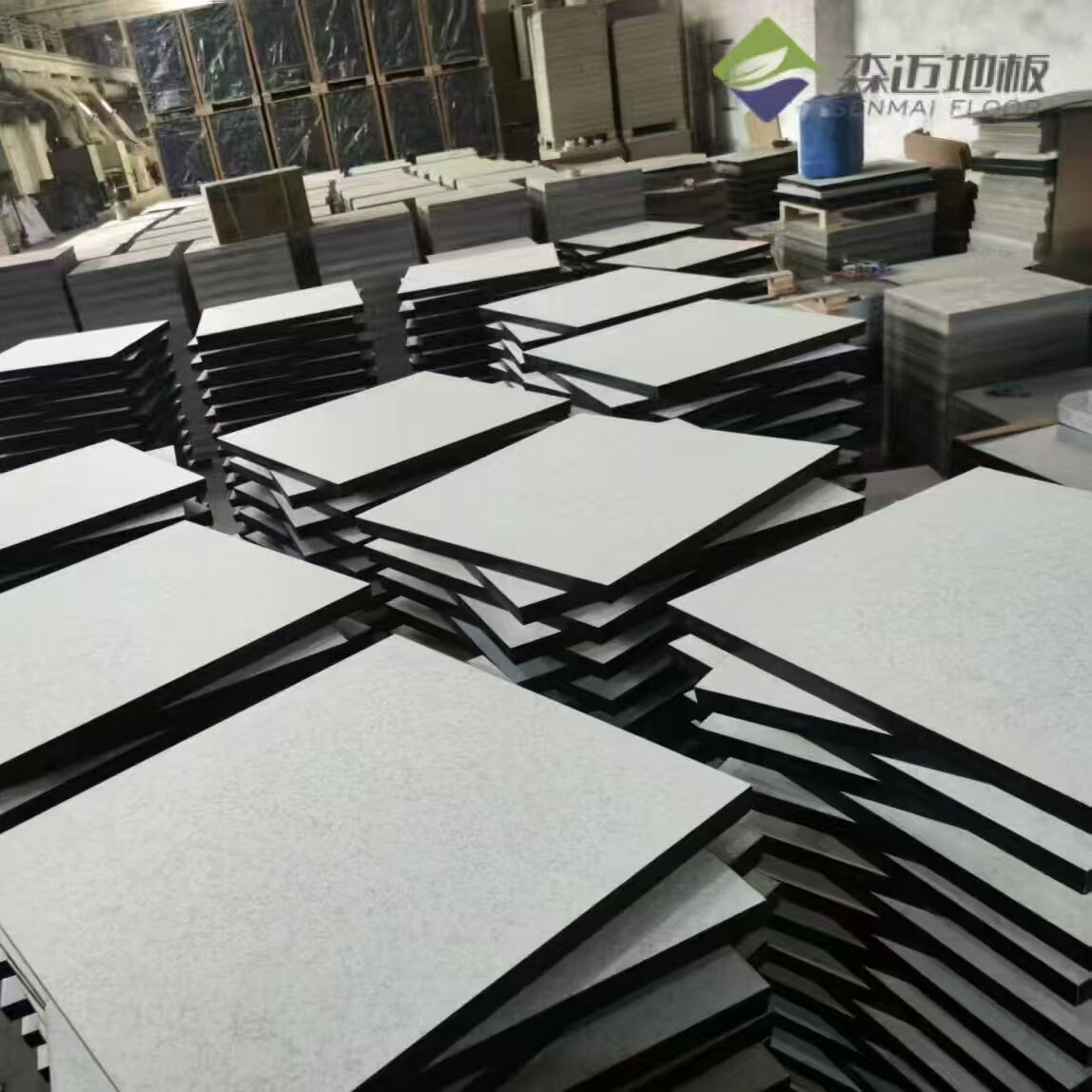
When Smoke and Downtime are Risks Data Centers, Hospitals and Gov Facilities
When smoke and downtime are serious concerns, calcium sulfate floors are the solution proven to mitigate risks: The F60 rating contains electrical fires in the data center underfloor and prevents vertical smoke spread in hospital ward corridors. The 2023 actuarial analysis shows that insurers offer a premium reduction of 12-18% to facilities with A1/F60 certified raised floors. For government and public sector projects, the system meets federal and EU requirements for passive fire protection, with no supplementary systems, Maintenance, or operational oversight.
Frequently Asked Questions
What is endothermic dehydration in calcium sulfate floors?
Endothermic dehydration is the process that occurs when hydrated calcium sulfate absorbs heat and releases water vapor that cools the surrounding structure, which ultimately delays ignition during a fire.
What certifications are for fire resistance?
They have EN 13501-1 Class A1 and GB 8624 Class A certifications due to the fact that they are non-combustible, have no flame contribution, and have ultra-low smoke density.
What makes these floors appropriate for data centers and hospitals?
F60-rated calcium sulfate raised floors contain fires, limit smoke toxicity, and provide safer evacuation routes/breathable zones during smoke, reducing the risk in sensitive environments.
Will these floors lower my insurance premium?
Yes, analytic studies show that insurance companies lower premiums by approximately 12-18% for facilities that implement A1/F60-certified raised floors.
Do calcium sulfate floors need any extra treatments?
No, they provide a high level of fire safety without the need for supplementary systems or surface treatments.