
 EN
EN




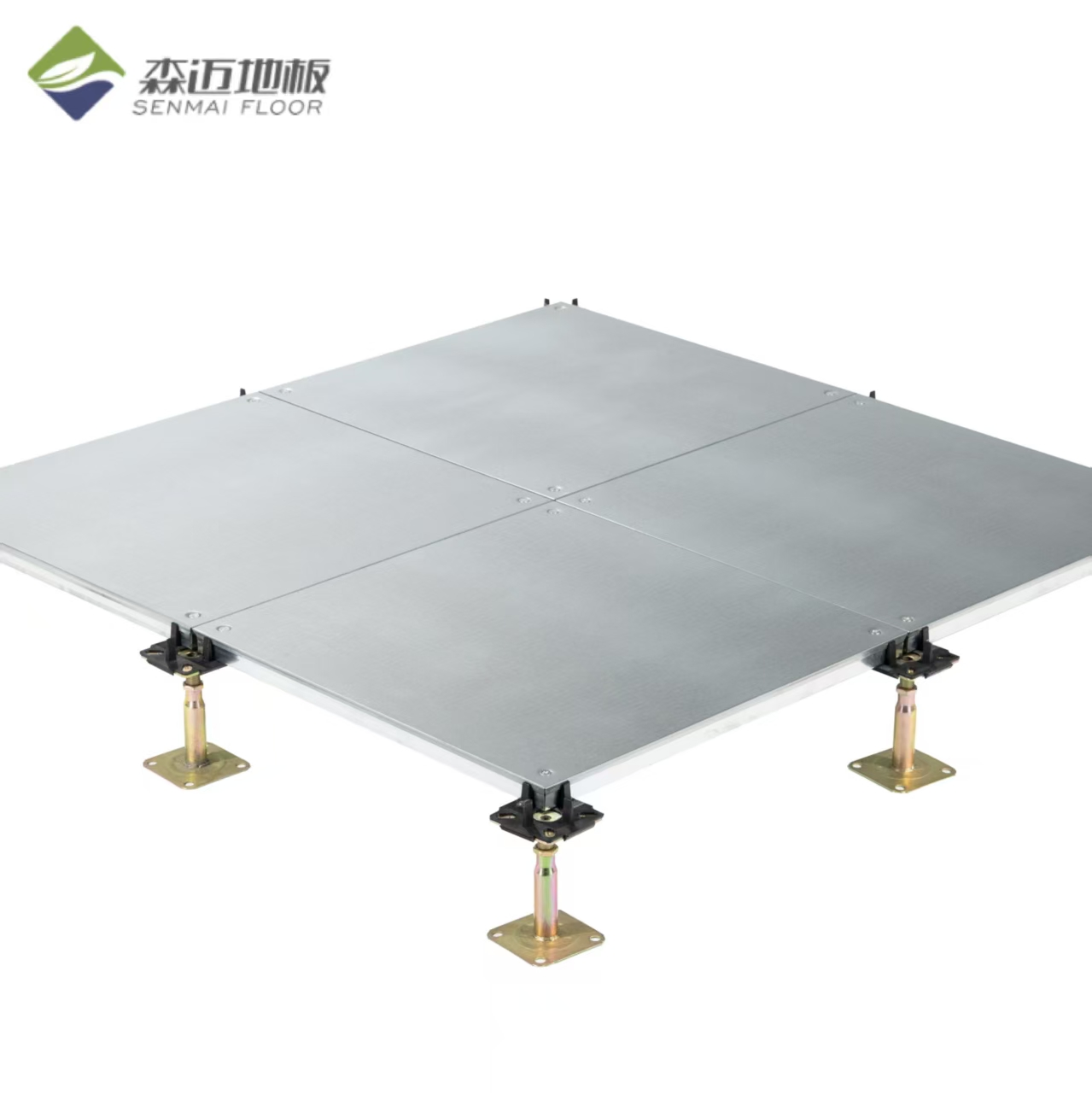
Calcium Sulphate Raised Access Floor Installation Process
The installation procedure for raised access floors that incorporate calcium sulfates should be followed to achieve the best possible outcomes. Following these steps provides proper efficiency, longevity, and structural integrity for the floors.
Subflooring Preparation and Leveling Prior to Panel Placement
Before the installation, make sure to clear the concrete slab and make it leveled. Remove all moisture, debris, and contaminants. For moisture, be sure that it is below 4.5% RH. For flatness, the tolerances should be set at (3mm ±) for every (3 meters ±) which can be measured via laser leveling. Before installation, apply epoxy primer for moisture resistance. A poorly leveled subfloor can increase the point load failure risk by ~60%, according to Industry Studies (2024).
Placement of Panels and Antistatic Bonding
Beginning at the center of the room, place the panels. During placement, be sure to leave spacing between panels of 1-2mm. The panels should be jacked in place to achieve the alignment of 0.5mm or less for seamless placement. For anti-static compliance, the panels should be bonded to the pedestals in addition to:
- Copper grounding straps
- Electrical continuity (≤1 ohm resistance)
- Static dissipation testing (10⁶ to 10⁹ ohms) as per IEC 61340-5-1
Alignment and proper antistatic bonding of the panels is important as each panel that is poorly aligned can reduce load capacity by ~40% and antistatic safety is at risk.
Environmental Management During and Post Installation
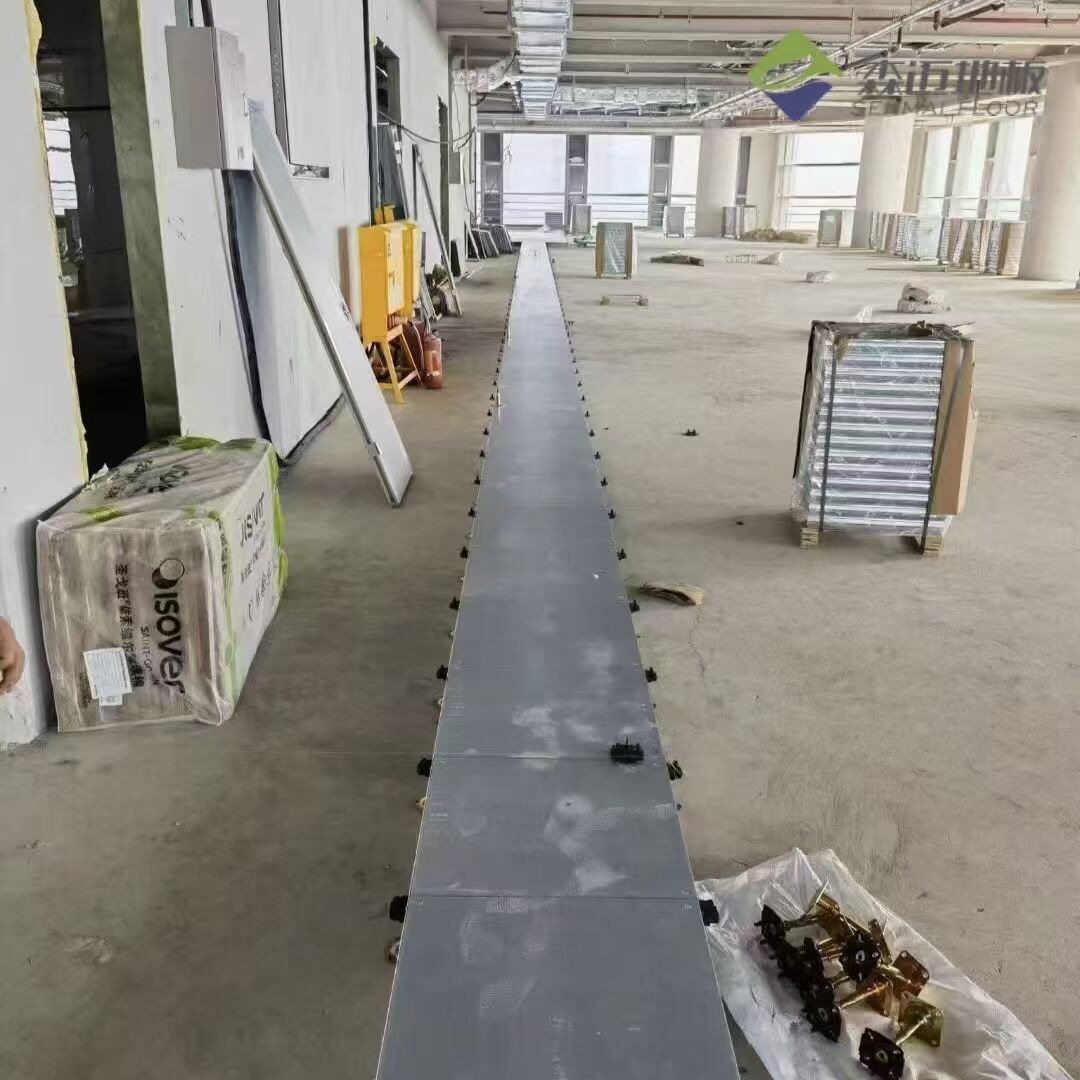
For optimal performances:
- During the installation, panels should be set at the temperature of (15-25 °C) for (48-72 hours) with RH between (40-60%).
- After installation, RH should be between (35-55%) to avoid warping and potential malfunction of conduits.
High levels of RH, above 70%, can increase the installation time by ~30% and can significantly decrease the structural integrity of the installation. Low temperatures (≤ 10 °C) can also prevent bonding, and place the panels to greater risk. Maintain consistent conditions and panels with (25%) less chance to fail.
Parameter Optimal Range Risk Threshold Impact of Deviation
Temperature 15–25°C (59–77°F) <10°C or >30°C Delayed curing; adhesive failure
Relative Humidity 40–60% RH <35% or >70% RH Warping; moisture damage
Curing Duration 48–72 hours <48 hours Reduced load capacity (≤20%)
Post-curing, implement continuous monitoring via IoT sensors to detect RH or temperature changes of >5% or >3°C, respectively. These measures inhibit the micro-cracking of your facility’s calcium sulphate constituents, which is the most common cause of sensitive facility particulate contamination.
Preserving Long-Term Maintenance and Performance of Floors
Daily Maintenance Procedures and Compatible Cleaning Chemicals
Maintain pH-neutral periodic cleaning (pH 6–8) to ensure floors are not damaged. Daily cleaning of floors via sweeps or mopping with microfiber should be dry, and should be damp and not acidic to assist in the inhibition of damage to floors. Use bleach or solvent based cleaning and/or for injury. Cleaning of spilled liquid should be immediately blotted to reduce the absorption of liquid. Reactive and incompatible cleaning chemicals remove dry floors and are shown to increase wear in high traffic areas by up to 40% per 2023 flooring studies.
Preventive Maintenance and Testing – Maintenance
Arm your Antistatic Integrity Testing (AIT) Preventive Maintenance (PM) Plan. Twice per year, AIT PM must be conducted and a resistance test using standard electrodes per IEC 61340-5-1 should be performed. The target for the test is to have resistances that are between 10^6 and 10^9 ohms and the right side of the road must be recorded. The right side of the road is defined as being 100m and the left side is the 100m. Preventive Measures should be in place for the following procedures:
Deep Cleaning conducted Bi Annually – to remove accumulated moisture within the lifts of the flooring systems
Recalibration every 5 years of all flooring systems to assess and verify out of level variance less than 0.5 mm.
Lifespan Enhancement and Repair Plans for Calcium Sulphate Raised Access Floors.
Procrastinating repairs and maintenance cuts the system’s lifespan. With maintenance, the system’s lifespan can be over 25 years, and with no maintenance, the floors might need complete replacement within 15 years. With that in mind, maintain with the following tips:
Repairing Structural Damage: If there are panels with cracks and gaps, make sure they’re repaired with the manufacturer’s calcium sulphate. If there are any damaged panels, remove them and make sure the substrate is fully bonded and the edges are seamlessly integrated.
Improving Load Distribution: Use steel plates dispersed across the panels to improve load distribution.
Moisture Control: Use a pH neutral solution to clean up moisture as soon as possible. If the moisture exposure is over 72 hours, the panels should be replaced or it will lead to a core dying and mold.
Preventive Protocol: Evaluate the vertical tolerance of the pedestals and panel seating tolerance over the last year. With that information, you can predict the pattern of wear.
Maintenance Factor. Critical Threshold. Failure Risk
Relative Humidity. Greater than 65%. Core Swelling +15%
Point Load. Greater than or Equal to 1200. Surface Fracture within 6 months
Maintenance Failure. Occurs Less than Once per Week. Static Buildup + 40% (Ponemon 2023)
Testing is done for the system’s ability for electrostatic discharge (within the ESD standards of ANSI/ESD S20.20) is done every two years. Any panels that are above 10⁹ ohms are replaced. This approach can save up to 60% of the lifecycle costs compared to active replacement systems.
FAQ
Why is preparing the subfloor so important?
Safer and stronger panels are relied upon for the subfloor preparation to strengthen the bonds and mitigate the risk of point-load failure.
In what way does panel placement impact an installation?
Correctly placed and aligned panels ensure the distribution of pull loads and the continuity of electrical paths, which increases the safety of electrostatic and structural loads.
What are the most critical environmental parameters for installation?
For the installation to be effective, the temperature should be between 15 and 25┬░C and relative humidity should be between 40 and 60%.
What is the benefit of preventive maintenance?
Cleans, checks and adjustments to structures undertaken on a scheduled basis extends the lifecycle of the pavements and structures while decreasing structural and antistatic repair costs.
What should be done to manage moisture?
Keep spills to a mimum pH neutral and remove. Moisture will degrade the core over 72 hours and create the right environment for mold to gerinate.