
 EN
EN




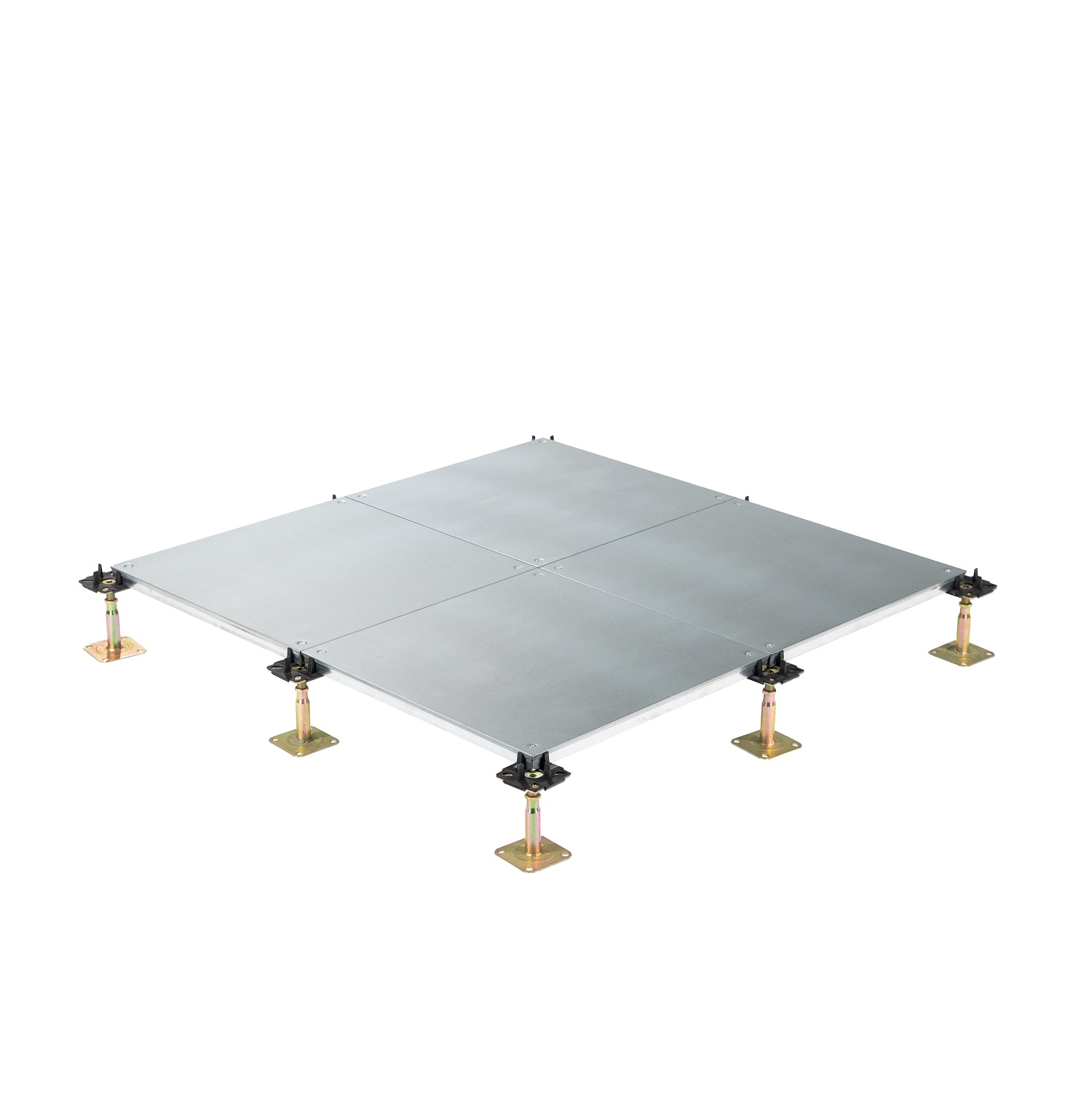
وازن بين نوع الأرضية المرتفعة والمتطلبات الحرجة للتطبيق
مراكز البيانات: تحسين تدفق الهواء وقدرة التحمل وارتفاع الفراغ السفلي (Plenum Height) للبيئات التقنية عالية الكثافة
تتطلب مراكز البيانات أنظمة أرضيات مرتفعة مُصمَّمة بدقة لضمان المتانة الإنشائية والدقة الحرارية. وتحتاج بيئات تكنولوجيا المعلومات عالية الكثافة إلى قدرات تحمل حمولة ساكنة تفوق ١٠٠٠ كجم/م² لمنع الانحناء تحت أوزان رفوف الخوادم الثقيلة. وتتيح ارتفاعات الفراغات السفلية (Plenum) التي تتراوح بين ٣٠٠ و٩٠٠ مم توزيع تدفق الهواء بكفاءة — عبر بلاطات مثقبة موضوعة بعناية — وكذلك استيعاب كابلات التوصيل الموسَّعة تحت الأرضية. ويُمكِّن هذا الفراغ من إجراء نمذجة ديناميكا الموائع الحاسوبية (CFD) لتحسين مسارات التبريد، مما يقلل من النقاط الساخنة ويزيد من كفاءة استهلاك الطاقة مع تطور تكوينات الخوادم.
مساحات المكاتب والتعليم ومراكز الاتصال: التركيز على سهولة الوصول، والأداء الصوتي، وسهولة التركيب في عمليات التحديث
في البيئات التعاونية، توازن الأرضيات المرتفعة بين سهولة الوصول إلى الخدمات وراحة المستخدمين. وتُبسِّط الأنظمة ذات الملفات المنخفضة عمليات التحديث اللاحقة من خلال تقليل التعديلات المطلوبة على ارتفاع الأسقف وتجنُّب التعديلات الإنشائية الكبرى. وتقلل ألواح العزل الصوتي المدمجة من ضوضاء الخطوات والمعدات—وهو أمرٌ بالغ الأهمية في الأماكن التي تتطلب وضوح النطق، مثل الفصول الدراسية ومراكز الاتصال. كما تسمح التصاميم الوحدوية بإعادة تحديد مواقع منافذ الطاقة والبيانات بسرعة، بينما تتيح نقاط الوصول المُصمَّمة وفق مبادئ الإ ergonomics إجراء عمليات الصيانة دون تعطيل العمليات اليومية. وعادةً ما تتطلب هذه المساحات تصنيفات حمل أقل من مراكز البيانات، لكنها تُركِّز على قنوات كابلات مرنة لتلبية التغييرات المتكررة في محطات العمل.
غرف التحكم ومرافق الألعاب: ضمان سلامة التفريغ الكهروستاتيكي (ESD)، والامتثال لأنظمة مكافحة الحرائق، وامتصاص الاهتزازات
تتطلب البيئات الإلكترونية الحيوية لإنجاز المهام حلول أرضيات مرتفعة متخصصة. وتوفّر التشطيبات الموصلة حمايةً من التفريغ الكهروستاتيكي (ESD) عن طريق توصيل الكهرباء الساكنة إلى الأرض بشكل آمن، مما يمنع إلحاق الضرر بالأجهزة الحساسة. أما القلوب المقاومة للحريق—التي تأتي غالبًا بطلاءات غير قابلة للاشتعال—فتكفي المتطلبات التنظيمية الصارمة الخاصة بغرف التحكم ومرافق الألعاب. وتُعزل هياكل الأرضيات المرتفعة السفلية المخفِّضة للاهتزاز وحدات التحكم الخاصة بالمشغلين عن الحركة الخارجية، ما يضمن ثبات عروض الشاشات أثناء الاستخدام الطويل. كما تعزِّز الأسطح المقاومة للمواد الكيميائية المتانة اللازمة للتنظيف الروتيني، بينما تحافظ التصاميم المفتوحة على خطوط الرؤية عبر محطات العمل.
اختر ارتفاع الأرضية السفلية ونوع مادة القلب بناءً على متطلبات الأداء
أنظمة الأرضيات المرتفعة ذات الملف المنخفض مقابل أنظمة الأرضيات المرتفعة الكاملة الارتفاع: توافق مع قيود ارتفاع السقف وكثافة الخدمات
تناسب الأنظمة ذات الارتفاع المنخفض (6–12 بوصة) مشاريع التحديث التي تفتقر إلى ارتفاع كافٍ في السقف أو التي تتطلب طلباً معتدلاً على الكابلات—مثل المكاتب وقاعات الصفوف—وتوفّر تركيباً بسيطاً وتوجيهاً أساسياً للكابلات. أما الأنظمة الكاملة الارتفاع (18–48 بوصة) فهي مخصصة للتطبيقات عالية الكثافة مثل مراكز البيانات، حيث توفر حجماً وافراً لإدارة تدفق الهواء بكفاءة، ولبنية تحتية كثيفة للكابلات، ولإمكانية التوسع المستقبلية. ووفقاً لتقرير البنية التحتية لمراكز البيانات لعام 2024، فإن المرافق التي تستخدم الأنظمة الكاملة الارتفاع تحقّق خفضاً يصل إلى 25% في تكاليف التبريد بفضل تحسُّن كفاءة مسار تدفق الهواء.
مقارنة المواد: كبريتات الكالسيوم، والصلب المجوف، والألومنيوم، وقلب الخشب — تقييم تصنيف مقاومة الحريق، والوزن، والاستدامة
| المادة | تصنيف مقاومة الحريق (ASTM E84) | السعة التحميلية (رطل لكل قدم مربع) | السمات المستدامة |
|---|---|---|---|
| كبريتات الكالسيوم | الفئة أ (0–25 مؤشر انتشار اللهب/مؤشر انتشار الدخان) | 1,000–1,250 | تحتوي على 72% من المحتوى المعاد تدويره |
| الصلب المجوف | الفئة A | 1,500+ | قابل للتدوير 100% |
| كعنصر أساسي في منتجاتها. | غير قابل للاحتراق | 1,200–1,400 | محتوى معاد تدويره بنسبة 95% |
| نواة خشبية | الفئة ج (75+ مؤشر انتشار اللهب) | 800–1,000 | الخيارات المتاحة المعتمدة من قبل FSC |
توفر ألواح كبريتات الكالسيوم مقاومة قوية للحريق وقدرة تحميل متوازنة—وهي مثالية للمكاتب التجارية التي تتطلب تجميعات معتمدة من شركة UL. وتُهيمن الفولاذ المجوف في البيئات ذات الأحمال العالية مثل غرف التحكم الصناعية، حيث يدعم المعدات الثقيلة دون أن ينثني. ويقدّم الألومنيوم مقاومة ممتازة للتآكل في التركيبات الساحلية أو الرطبة. أما القلب الخشبي الهندسي فيوفّر حلولاً فعّالة من حيث التكلفة للمناطق ذات الحركة المرورية الخفيفة، شريطة أن تسمح بها لوائح الحماية من الحرائق المحلية. وعليك إعطاء الأولوية للأداء على امتداد دورة الحياة بدلًا من التكلفة الأولية—وخاصة في التطبيقات الحيوية الحرجة.
دمج أنظمة التبريد والكابلات والامتثال الهيكلي في تصميم الأرضيات المرتفعة
كفاءة التبريد: البلاط المثقب، ونمذجة ديناميكا الموائع الحاسوبية (CFD)، ودمج ممرات الهواء الساخن/البارد
تُوفِّر البلاطات المثقبة المُركَّبة فوق وحدات تكييف هواء غرف الحواسيب (CRAC) تدفق هواء موجَّهًا، مما يقلل استهلاك الطاقة التبريدية بنسبة تصل إلى ٢٥٪ مقارنةً بتوزيع البلاطات المنتظم. وعند دمجها مع أنظمة عزل ممرات الهواء الساخن/البارد، تمنع اختلاط الهواء وتحافظ على ظروف حرارية ثابتة. وتؤكِّد نمذجة ديناميكا الموائع الحاسوبية (CFD) أن وضع البلاطات ومسارات تدفق الهواء مُحسَّنٌ بشكلٍ أمثلٍ لحمولات الحرارة المحددة، ما يحقِّق استقرارًا في درجة الحرارة ضمن مدى ±١°م، وهي عتبة حرجة بالنظر إلى أن ارتفاع درجة الحرارة يُسهم في ٣٨٪ من حالات الانقطاع غير المخطط لها في بيئات الخوادم عالية الكثافة (معهد أب تايم، ٢٠٢٣).
إدارة الكابلات: قنوات التوصيل، وحلول حماية الهواء (Air-Guard)، وإعادة التكوين القابلة للتوسع لتحديثات التكنولوجيا المستقبلية
تُنظِّم ممرات الكابلات المدمجة في الأرضية كابلات الطاقة والبيانات مع الحفاظ على تدفق الهواء غير المعيق عبر الفراغ السفلي. وتُغلق غراءمات حماية الهواء فتحات مرور الكابلات للحفاظ على فروق الضغط الضرورية لأداء التبريد. وتدعم أرضيات الوصول القابلة للتعديل تركيبات قابلة للتوسع، مما يسمح لفرق تكنولوجيا المعلومات بإضافة كابلات جديدة أو إعادة توجيهها دون الحاجة إلى تدخل هيكلي. وتؤدي هذه المرونة إلى خفض تكاليف الترقية بنسبة ٦٥٪ مقارنةً بالبدائل القائمة على الألواح الخرسانية، كما هو مبيَّن في دراسات حالة مراكز البيانات المالية.
سلامة التحميل والمعايير: تصنيفات الأحمال الثابتة/المتحركة، والامتثال للمعيار BS EN 12825، ومواصفات الأرضيات المرتفعة الخاصة بكل منطقة
يجب أن تتكيف الأرضيات المرتفعة الحديثة مع كل من الأحمال الساكنة المركزة—مثل خزائن الخوادم—والأحمال المتغيرة الدوارة الناتجة عن عربات الصيانة. وتتماشى المواصفات الخاصة بكل منطقة مع الأداء الفعلي وفقًا للاستخدام الفعلي: فغالبًا ما تتطلب ممرات الخوادم قدرة تحمل ساكنة تبلغ ≥١٠٠٠ كجم/م²، في حين قد تحتاج الممرات المخصصة للمشاة إلى ٣٠٠ كجم/م² فقط. ويضمن الامتثال للمعيار BS EN 12825 الموثوقية الإنشائية من خلال الاختبارات الموحدة للأحمال الساكنة والدوارة والصدمية. وتشير بيانات إدارة المرافق الأوروبية إلى أن المنشآت التي تلتزم بهذا المعيار تسجّل انخفاضًا بنسبة ٤٠٪ في الحوادث المتعلقة بالأرضيات.
الأسئلة الشائعة
ما العوامل التي يجب أن أراعيها عند اختيار أرضية مرتفعة لمراكز البيانات؟
ومن أبرز هذه العوامل: القدرة على التحمل الساكن (≥١٠٠٠ كجم/م² للرفوف المخصصة للخوادم)، وارتفاع الغرفة الهوائية (٣٠٠–٩٠٠ مم) لتوزيع تدفق الهواء ووضع الكابلات، والألواح المثقبة لتحسين كفاءة التبريد، والامتثال للمعايير الصناعية مثل BS EN 12825.
كيف تحسّن الأرضيات المرتفعة كفاءة التبريد في البيئات عالية الكثافة؟
تتيح الأرضيات المرتفعة توجيه تدفق الهواء بشكل دقيق باستخدام بلاطات مثقبة فوق وحدات تكييف الهواء، مع تحسين الأداء من خلال نمذجة ديناميكا السوائل الحاسوبية (CFD) وعزل ممرات الهواء الساخن والبارد، مما يقلل استهلاك الطاقة للتبريد بنسبة تصل إلى ٢٥٪.
ما هي المزايا التي تقدمها الأرضيات المرتفعة ذات الارتفاع المنخفض؟
تُعد الأنظمة ذات الارتفاع المنخفض (من ٦ إلى ١٢ بوصة) مثالية للتعديلات اللاحقة في المباني التي تفتقر إلى ارتفاع كافٍ في الأسقف أو التي تتطلب كميات معتدلة من الكابلات، ما يبسّط عملية التركيب وتوجيه الكابلات في البيئات المكتبية أو الصفوف الدراسية.
كيف يؤثر اختيار المادة على أداء الأرضيات المرتفعة؟
تؤثر المواد مثل كبريتات الكالسيوم، والصلب المجوف، والألومنيوم، وقلب الخشب على تصنيف مقاومة الحريق، وقدرة التحميل، والاستدامة. فعلى سبيل المثال، يدعم الصلب المجوف المعدات الثقيلة دون حدوث انحناء، بينما يتميّز الألومنيوم بمقاومته للتآكل، ما يجعله مناسبًا جدًّا للمواقع الرطبة.
ما المقصود بمعايير مثل BS EN 12825، ولماذا تكتسب أهمية بالغة؟
يُضمن المعيار BS EN 12825 الموثوقية الإنشائية من خلال إجراء الاختبارات الخاصة بالأحمال الساكنة، والأحمال الدوَّارة، والأحمال التصادمية، مما يقلل الحوادث المرتبطة بالأرضيات ويعزز السلامة في المنشآت التجارية والصناعية.
جدول المحتويات
-
وازن بين نوع الأرضية المرتفعة والمتطلبات الحرجة للتطبيق
- مراكز البيانات: تحسين تدفق الهواء وقدرة التحمل وارتفاع الفراغ السفلي (Plenum Height) للبيئات التقنية عالية الكثافة
- مساحات المكاتب والتعليم ومراكز الاتصال: التركيز على سهولة الوصول، والأداء الصوتي، وسهولة التركيب في عمليات التحديث
- غرف التحكم ومرافق الألعاب: ضمان سلامة التفريغ الكهروستاتيكي (ESD)، والامتثال لأنظمة مكافحة الحرائق، وامتصاص الاهتزازات
- اختر ارتفاع الأرضية السفلية ونوع مادة القلب بناءً على متطلبات الأداء
-
دمج أنظمة التبريد والكابلات والامتثال الهيكلي في تصميم الأرضيات المرتفعة
- كفاءة التبريد: البلاط المثقب، ونمذجة ديناميكا الموائع الحاسوبية (CFD)، ودمج ممرات الهواء الساخن/البارد
- إدارة الكابلات: قنوات التوصيل، وحلول حماية الهواء (Air-Guard)، وإعادة التكوين القابلة للتوسع لتحديثات التكنولوجيا المستقبلية
- سلامة التحميل والمعايير: تصنيفات الأحمال الثابتة/المتحركة، والامتثال للمعيار BS EN 12825، ومواصفات الأرضيات المرتفعة الخاصة بكل منطقة
-
الأسئلة الشائعة
- ما العوامل التي يجب أن أراعيها عند اختيار أرضية مرتفعة لمراكز البيانات؟
- كيف تحسّن الأرضيات المرتفعة كفاءة التبريد في البيئات عالية الكثافة؟
- ما هي المزايا التي تقدمها الأرضيات المرتفعة ذات الارتفاع المنخفض؟
- كيف يؤثر اختيار المادة على أداء الأرضيات المرتفعة؟
- ما المقصود بمعايير مثل BS EN 12825، ولماذا تكتسب أهمية بالغة؟