
 EN
EN



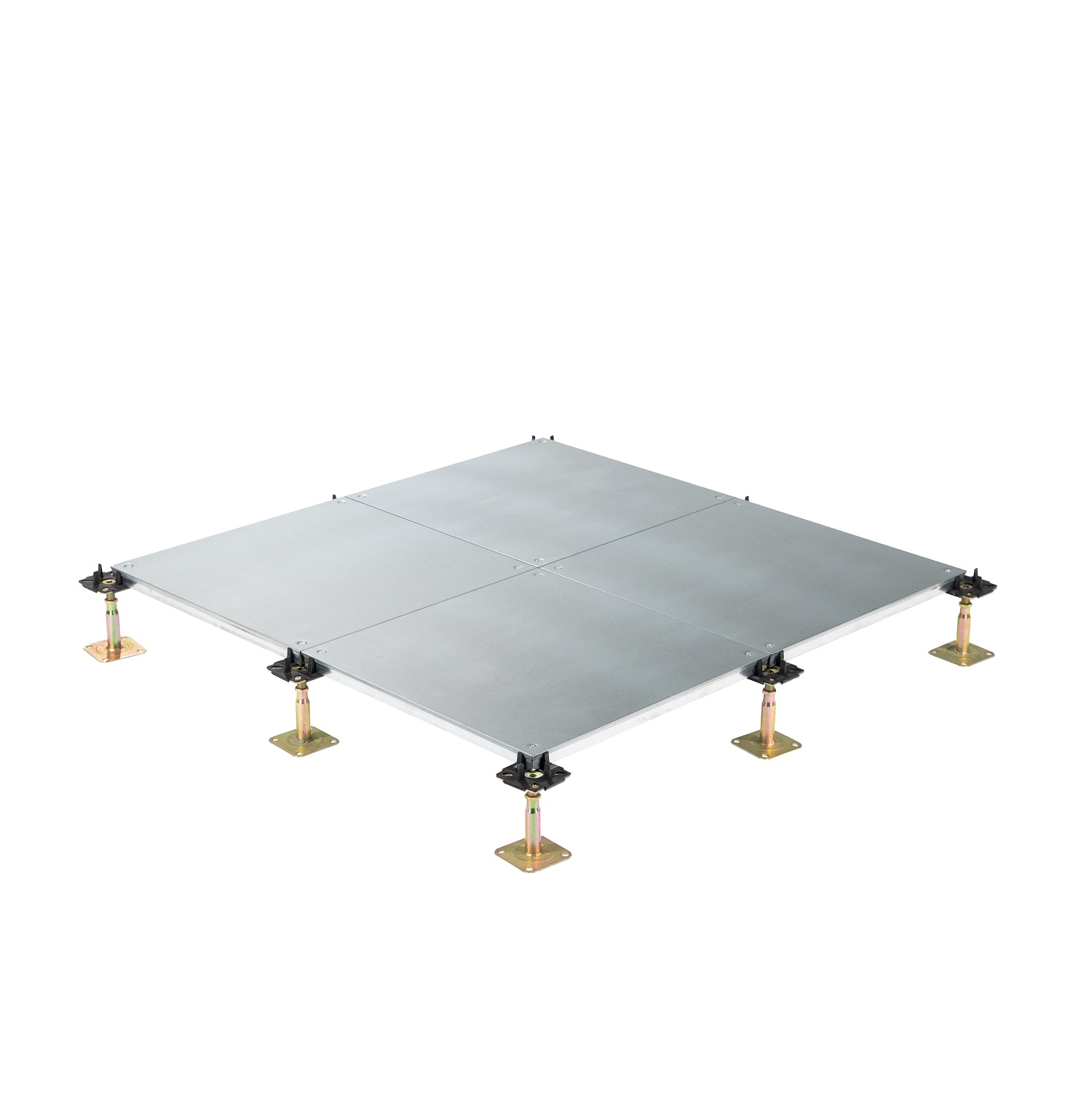
उठाए गए फर्श के प्रकार को महत्वपूर्ण अनुप्रयोग आवश्यकताओं के साथ संरेखित करें
डेटा केंद्र: उच्च-घनत्व आईटी वातावरण के लिए वायु प्रवाह, भार क्षमता और प्लीनम ऊँचाई का अनुकूलन
डेटा केंद्रों को संरचनात्मक दृढ़ता और तापीय सटीकता के लिए अभियांत्रिकी रूप से डिज़ाइन किए गए उठाए हुए फर्श प्रणालियों की आवश्यकता होती है। उच्च-घनत्व आईटी वातावरणों में 1,000 किग्रा/मी² से अधिक की स्थैतिक भार क्षमता की आवश्यकता होती है, ताकि भारी सर्वर रैक्स के तहत विक्षेपण को रोका जा सके। 300–900 मिमी की प्लीनम ऊँचाई प्रणाली दक्ष वायु प्रवाह वितरण—रणनीतिक रूप से स्थापित छिद्रित टाइल्स के माध्यम से—के साथ-साथ व्यापक अधःफर्श केबलिंग को समर्थन देती है। यह स्थान ठंडा करने के मार्गों को सुधारने के लिए गणनात्मक द्रव गतिशास्त्र (CFD) मॉडलिंग को सक्षम करता है, जिससे गर्म स्थानों को कम किया जा सकता है और सर्वर विन्यासों के विकसित होने के साथ ऊर्जा दक्षता में सुधार किया जा सकता है।
कार्यालय, शिक्षा एवं कॉल सेंटर स्थान: पहुँच, ध्वनिक प्रदर्शन और पुनर्स्थापना-अनुकूल स्थापना को प्राथमिकता देना
सहयोगात्मक वातावरणों में, उठाए गए फर्श सेवा तक पहुँच को अधिकतम करने के साथ-साथ उपयोगकर्ताओं के आराम को भी संतुलित करते हैं। कम ऊँचाई वाली प्रणालियाँ छत की ऊँचाई में न्यूनतम समायोजन करके और प्रमुख संरचनात्मक परिवर्तनों से बचकर पुनर्स्थापना (रीट्रोफिट) को सरल बनाती हैं। एकीकृत ध्वनि अवशोषक पैनल पैरों के चलने और उपकरणों के शोर को कम करते हैं—जो वाक्य स्पष्टता के लिए महत्वपूर्ण है, जैसे कि कक्षाओं और कॉल सेंटरों में। मॉड्यूलर डिज़ाइन बिजली और डेटा आउटलेट्स के त्वरित पुनर्स्थापन की अनुमति देते हैं, जबकि मानव-केंद्रित पहुँच बिंदु दैनिक कार्यों में व्यवधान के बिना रखरखाव की सुविधा प्रदान करते हैं। इन स्थानों की आमतौर पर डेटा केंद्रों की तुलना में कम भार वहन क्षमता की आवश्यकता होती है, लेकिन कार्यस्थलों में बार-बार परिवर्तन के लिए लचीले केबल रेसवेज़ पर जोर दिया जाता है।
नियंत्रण कक्ष एवं गेमिंग सुविधाएँ: ईएसडी सुरक्षा, अग्नि अनुपालन और कंपन अवशोषण सुनिश्चित करना
मिशन-क्रिटिकल इलेक्ट्रॉनिक पर्यावरणों के लिए विशिष्ट उठाए गए फर्श (रेज़्ड फ्लोर) का प्रदर्शन आवश्यक होता है। सुचालक फिनिश (कंडक्टिव फिनिश) स्थिर विद्युत को सुरक्षित रूप से ग्राउंड करके इलेक्ट्रोस्टैटिक डिस्चार्ज (ESD) सुरक्षा प्रदान करते हैं, जिससे संवेदनशील हार्डवेयर को क्षति से बचाया जा सकता है। अग्नि-दर्जा प्राप्त कोर—जो अक्सर अज्वलनशील कोटिंग के साथ होते हैं—नियंत्रण कक्षों और गेमिंग सुविधाओं के लिए कठोर नियामक आवश्यकताओं को पूरा करते हैं। कंपन-अवशोषक अंडरस्ट्रक्चर ऑपरेटर कंसोल को बाहरी गति से अलग करते हैं, जिससे लंबे समय तक उपयोग के दौरान मॉनिटर प्रदर्शन की स्थिरता सुनिश्चित होती है। रासायनिक प्रतिरोधी सतहें नियमित सफाई के लिए टिकाऊपन को बढ़ाती हैं, जबकि खुले लेआउट कार्यस्थलों के बीच दृश्य रेखाओं (साइटलाइन्स) को बनाए रखते हैं।
प्रदर्शन की आवश्यकताओं के आधार पर अंडरफ्लोर ऊँचाई और कोर सामग्री का चयन करें
कम-प्रोफाइल बनाम पूर्ण-ऊँचाई वाले उठाए गए फर्श प्रणालियाँ: छत की सीमाओं और सेवा घनत्व के साथ मेल खाना
कम ऊँचाई वाले (6–12 इंच) सिस्टम उन पुनर्स्थापना परियोजनाओं के लिए उपयुक्त हैं जिनमें छत की सीमित स्पष्ट ऊँचाई या सीमित केबलिंग आवश्यकताएँ हों—जैसे कार्यालय और कक्षाएँ—जो सरल स्थापना और मूलभूत केबल मार्गनिर्देशन प्रदान करते हैं। पूर्ण ऊँचाई वाले (18–48 इंच) सिस्टम डेटा केंद्र जैसे उच्च-घनत्व अनुप्रयोगों के लिए उपयुक्त हैं, जो वायु प्रवाह प्रबंधन को अनुकूलित करने के लिए पर्याप्त आयतन, घनी केबलिंग अवसंरचना और भविष्य के लिए विस्तार क्षमता प्रदान करते हैं। 2024 की डेटा केंद्र अवसंरचना रिपोर्ट के अनुसार, पूर्ण ऊँचाई वाले सिस्टम का उपयोग करने वाली सुविधाएँ वायु प्रवाह पथ की दक्षता में सुधार के माध्यम से ठंडा करने की लागत में अधिकतम 25% की कमी प्राप्त करती हैं।
सामग्री तुलना: कैल्शियम सल्फेट, खोखला स्टील, एल्युमीनियम और लकड़ी का कोर — अग्नि रेटिंग, भार क्षमता और स्थायित्व का मूल्यांकन
| सामग्री | अग्नि रेटिंग (ASTM E84) | भार क्षमता (PSF) | स्थायी विशेषताएँ |
|---|---|---|---|
| कैल्शियम सल्फेट | कक्षा A (0–25 FSI/SDI) | 1,000–1,250 | 72% पुनर्चक्रित सामग्री |
| खोखला स्टील | वर्ग A | 1,500+ | 100% पुनः चक्रण योग्य |
| एल्युमीनियम | अज्वलनशील | 1,200–1,400 | 95% पुनर्चक्रित सामग्री |
| लकड़ी का कोर | क्लास सी (75+ एफएसआई) | 800–1,000 | FSC-प्रमाणित विकल्प उपलब्ध |
कैल्शियम सल्फेट पैनलों में मजबूत अग्नि प्रतिरोधकता और संतुलित भार क्षमता होती है—ये वाणिज्यिक कार्यालयों के लिए आदर्श हैं जहाँ यूएल-सूचीबद्ध असेंबलियों की आवश्यकता होती है। खोखले स्टील का उपयोग उच्च-भार वाली स्थितियों, जैसे औद्योगिक नियंत्रण कक्षों में प्रमुखता से किया जाता है, जो विकृति के बिना भारी उपकरणों का समर्थन करता है। एल्यूमीनियम तटीय या आर्द्र स्थापनाओं के लिए संक्षारण प्रतिरोध प्रदान करता है। इंजीनियर्ड लकड़ी के कोर हल्के यातायात वाले क्षेत्रों के लिए लागत-प्रभावी समाधान प्रदान करते हैं, जहाँ स्थानीय अग्नि संहिताएँ अनुमति प्रदान करती हैं। मिशन-महत्वपूर्ण अनुप्रयोगों में, प्रारंभिक लागत के बजाय जीवन चक्र के प्रदर्शन पर प्राथमिकता दें।
ऊँचाई वाले फर्श के डिज़ाइन में शीतलन, केबलिंग और संरचनात्मक अनुपालन को एकीकृत करें
शीतलन दक्षता: छिद्रित टाइल्स, सीएफडी मॉडलिंग और गर्म/ठंडी गलियों का एकीकरण
कंप्यूटर रूम एयर कंडीशनिंग (CRAC) यूनिट्स के ऊपर स्थित छिद्रित टाइलें लक्षित वायु प्रवाह प्रदान करती हैं, जिससे एकसमान टाइल व्यवस्था की तुलना में शीतलन ऊर्जा खपत में अधिकतम 25% की कमी आती है। जब इन्हें गर्म/ठंडी गलियों के समावेशन के साथ संयोजित किया जाता है, तो ये वायु मिश्रण को रोकती हैं और स्थिर तापीय स्थितियाँ बनाए रखती हैं। CFD मॉडलिंग विशिष्ट ऊष्मा भारों के लिए आदर्श टाइल स्थापना और वायु प्रवाह पथों की पुष्टि करती है—जिससे ±1°C के भीतर तापमान स्थिरता सुनिश्चित होती है, जो एक महत्वपूर्ण दहलीज है, क्योंकि अतितापन उच्च-घनत्व वाले सर्वर वातावरण में अनियोजित आउटेज के 38% का कारण बनता है (अपटाइम इंस्टीट्यूट, 2023)।
केबल प्रबंधन: रेसवेज, एयर-गार्ड समाधान, और भविष्य के प्रौद्योगिकी अपग्रेड के लिए स्केलेबल पुनर्विन्यास
फर्श के नीचे के रेसवेज़ बिजली और डेटा केबल्स को व्यवस्थित करते हैं, जबकि प्लीनम के माध्यम से अवरुद्ध वायु प्रवाह को बनाए रखते हैं। एयर-गार्ड ग्रॉमेट्स केबल प्रवेश बिंदुओं को सील करते हैं, जिससे शीतलन प्रदर्शन के लिए आवश्यक दाब अंतर को बनाए रखा जा सके। मॉड्यूलर एक्सेस फ्लोर्स स्केलेबल पुनर्विन्यास का समर्थन करते हैं—जिससे आईटी टीमें बिना किसी संरचनात्मक हस्तक्षेप के केबल्स को जोड़ या पुनः मार्गनिर्देशित कर सकती हैं। यह अनुकूलनीयता वित्तीय डेटा केंद्र के मामले के अध्ययनों में प्रदर्शित के अनुसार, स्लैब-आधारित विकल्पों की तुलना में अपग्रेड लागत को 65% तक कम कर देती है।
भार सुरक्षा एवं मानक: स्थैतिक/गतिशील भार रेटिंग, बीएस ईएन 12825 अनुपालन, और क्षेत्र-विशिष्ट उठाए गए फर्श का विनिर्देश
आधुनिक उठाए गए फर्शों को एकाग्र केंद्रित स्थैतिक भार—जैसे सर्वर कैबिनेट्स—के साथ-साथ रखरखाव कार्ट्स से उत्पन्न गतिशील लुढ़कने वाले भारों को भी समायोजित करना चाहिए। क्षेत्र-विशिष्ट विनिर्देशन वास्तविक उपयोग के अनुरूप प्रदर्शन को सुनिश्चित करते हैं: सर्वर गलियारों में अक्सर ≥1,000 किग्रा/वर्ग मीटर की स्थैतिक क्षमता की आवश्यकता होती है, जबकि पैदल यात्रा मार्गों को केवल 300 किग्रा/वर्ग मीटर की आवश्यकता हो सकती है। BS EN 12825 के अनुपालन से स्थैतिक, लुढ़कने वाले और प्रभाव भारों के लिए मानकीकृत परीक्षणों के माध्यम से संरचनात्मक विश्वसनीयता सुनिश्चित होती है। यूरोपीय सुविधा प्रबंधन के आँकड़ों के अनुसार, इस मानक का पालन करने वाली सुविधाओं में फर्श से संबंधित घटनाएँ 40% कम होती हैं।
अक्सर पूछे जाने वाले प्रश्न
डेटा केंद्र के लिए उठाए गए फर्श का चयन करते समय मुझे किन कारकों पर विचार करना चाहिए?
प्रमुख कारकों में स्थैतिक भार क्षमता (सर्वर रैक्स के लिए ≥1,000 किग्रा/वर्ग मीटर), वायु प्रवाह वितरण और केबलिंग के लिए प्लेनम ऊँचाई (300–900 मिमी), शीतलन दक्षता के लिए छिद्रित टाइल्स और BS EN 12825 जैसे उद्योग मानकों के साथ अनुपालन शामिल हैं।
उच्च घनत्व वाले वातावरण में उठाए गए फर्श शीतलन दक्षता को कैसे बेहतर बनाते हैं?
उठाए गए फर्श (रेज़्ड फ्लोर) परफोरेटेड टाइल्स के माध्यम से एयर कंडीशनिंग यूनिट्स के ऊपर लक्षित वायु प्रवाह को सक्षम करते हैं, जिसे CFD मॉडलिंग और हॉट/कोल्ड एयरलेस कंटेनमेंट के माध्यम से अनुकूलित किया जाता है, जिससे शीतलन ऊर्जा खपत में 25% तक की कमी आती है।
कम ऊँचाई वाले उठाए गए फर्श (लो-प्रोफाइल रेज़्ड फ्लोर) के क्या लाभ हैं?
कम ऊँचाई वाले प्रणाली (6–12 इंच) सीलिंग क्लीयरेंस सीमित होने या ऑफिस या कक्षा कक्ष की आवश्यकताओं के अनुसार सीमित केबलिंग की आवश्यकता वाले पुनर्निर्माण (रीट्रॉफिट) के लिए आदर्श हैं, जो स्थापना और केबल मार्गनिर्देशन को सरल बनाते हैं।
सामग्री के चयन से उठाए गए फर्श के प्रदर्शन पर क्या प्रभाव पड़ता है?
कैल्शियम सल्फेट, खोखले स्टील, एल्युमीनियम और लकड़ी के कोर जैसी सामग्रियाँ अग्नि रेटिंग, भार वहन क्षमता और स्थायित्व को प्रभावित करती हैं। उदाहरण के लिए, खोखला स्टील विकृति के बिना भारी उपकरणों का समर्थन करता है, जबकि एल्युमीनियम नमी युक्त स्थानों के लिए आदर्श है क्योंकि यह संक्षारण प्रतिरोधी है।
BS EN 12825 जैसे मानक क्या हैं, और वे क्यों महत्वपूर्ण हैं?
BS EN 12825 स्थैतिक, लुढ़कने वाले और प्रभाव भारों के लिए परीक्षण के माध्यम से संरचनात्मक विश्वसनीयता सुनिश्चित करता है, जिससे वाणिज्यिक और औद्योगिक सुविधाओं में फर्श से संबंधित दुर्घटनाओं में कमी आती है और सुरक्षा में सुधार होता है।
विषय-सूची
- उठाए गए फर्श के प्रकार को महत्वपूर्ण अनुप्रयोग आवश्यकताओं के साथ संरेखित करें
- प्रदर्शन की आवश्यकताओं के आधार पर अंडरफ्लोर ऊँचाई और कोर सामग्री का चयन करें
- ऊँचाई वाले फर्श के डिज़ाइन में शीतलन, केबलिंग और संरचनात्मक अनुपालन को एकीकृत करें
-
अक्सर पूछे जाने वाले प्रश्न
- डेटा केंद्र के लिए उठाए गए फर्श का चयन करते समय मुझे किन कारकों पर विचार करना चाहिए?
- उच्च घनत्व वाले वातावरण में उठाए गए फर्श शीतलन दक्षता को कैसे बेहतर बनाते हैं?
- कम ऊँचाई वाले उठाए गए फर्श (लो-प्रोफाइल रेज़्ड फ्लोर) के क्या लाभ हैं?
- सामग्री के चयन से उठाए गए फर्श के प्रदर्शन पर क्या प्रभाव पड़ता है?
- BS EN 12825 जैसे मानक क्या हैं, और वे क्यों महत्वपूर्ण हैं?