
 EN
EN




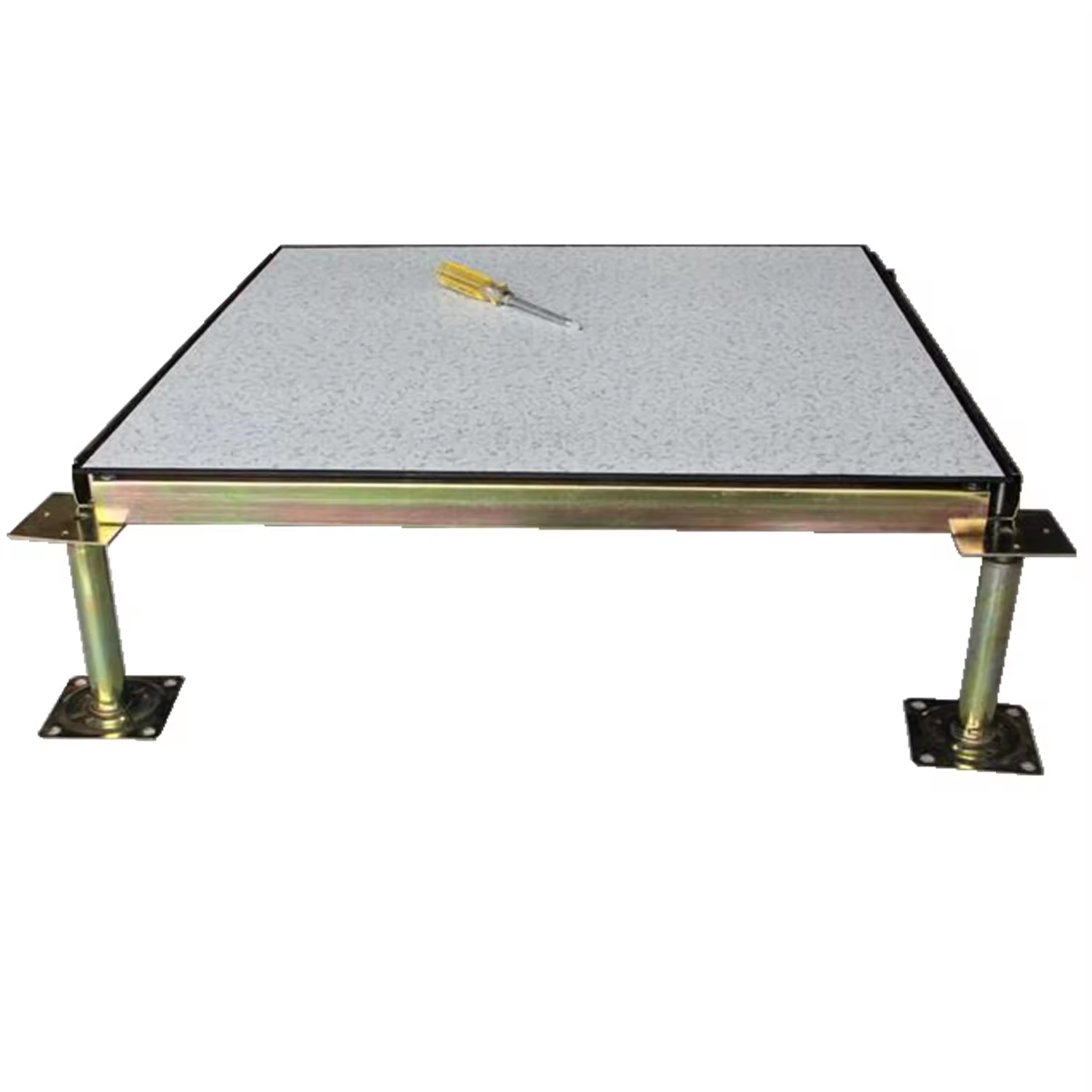
أعمدة الأرضيات المرتفعة القابلة للتعديل مقابل تلك ذات الارتفاع الثابت
المفاضلات الوظيفية: التسوية الدقيقة مقابل التكلفة والبساطة
يتمحور الاختيار بين دعامات الأرضية المرتفعة القابلة للتعديل والداعمات ذات الارتفاع الثابت حول تنازل جوهري: القدرة على التسوية الدقيقة مقابل بساطة التركيب والتكلفة. وتتفوق الدعامات القابلة للتعديل على الأسطح غير المستوية، حيث تتيح إجراء تعديلات دقيقة جدًّا على الارتفاع (بمقياس الميكرومتر) لتعويض عدم انتظام السطح، مما يضمن الحصول على أرضية نهائية مستوية تمامًا. ويشكّل هذا أمرًا بالغ الأهمية في البيئات التي تتطلب معايير صارمة في محاذاة المعدات أو تسامح الانحناء، مثل مراكز البيانات أو أماكن التصنيع الدقيق. أما الدعامات ذات الارتفاع الثابت، فتوفر حلاً أكثر ترشيدًا وأقل تكلفة عند تركيبها فوق قواعد خرسانية مُسَوَّاة بدقة باستخدام الليزر أو أي قواعد أخرى شديدة الاستواء. وبما أن تصميمها المبسَّط لا يتضمَّن آليات مُلَوَّثة أو أطواق تثبيت، فإن ذلك يؤدي إلى خفض تكاليف المواد ويقضي على مخاطر الانزياح الطويل الأمد المرتبطة بأنظمة التعديل الميكانيكي. ومع ذلك، فإن عدم مرونتها يعني أن أي انحراف في سطح القاعدة الخرسانية ينتقل مباشرةً إلى مستوى الأرضية النهائية، ما يستلزم غالبًا عمليات طحن مكلفة أو استخدام مركبات ذاتية التسوية. وكما يفيد أحد كبرى الشركات المصنِّعة، فإن استخدام دعامات قابلة للتعديل على قاعدة خرسانية تختلف ارتفاعاتها بمقدار ٦ مم يمكن أن يقلل من إنفاق مركبات التسوية بنسبة تصل إلى ٨٠٪ مقارنةً بالإعداد نفسه لهذه القاعدة الخرسانية لاستخدام دعامات ذات ارتفاع ثابت. وفي النهاية، يعتمد القرار على حالة اللوح الخرساني، وتوزيع الميزانية للمشروع (إعداد القاعدة الخرسانية مقابل استثمار الدعامات)، ومتطلبات التسامح.
التأثير الفعلي للتركيب في أرض الواقع: توفير الوقت وإدارة التسامح
في الواقع، يؤثر اختيار القواعد الداعمة مباشرةً على كفاءة العمالة وامتثالها لمعايير التسطّح. وتُقلّل القواعد الداعمة القابلة للضبط من مدة الجدول الزمني عند العمل على ألواح غير متجانسة من خلال إلغاء الحاجة إلى إعداد شامل للطبقة السفلية؛ إذ يقوم المُركِّبون بضبط كل وحدة في الموقع لتحقيق الارتفاع المطلوب. ويتيح هذا التسوية الديناميكية تحقيق تسطّح للسطح النهائي ضمن مدى ±٢ مم على امتداد مستقيم طوله ٣ أمتار، وهي معيارية يصعب تحقيقها باستخدام الأنظمة ذات الارتفاع الثابت دون وجود طبقات سفلية شبه مثالية. أما على الخرسانة ذات التفاوت المعتدل، فيكمل الطاقم عادةً تركيب القواعد الداعمة القابلة للضبط في زمنٍ يقارب الزمن المطلوب لتركيب القواعد ذات الارتفاع الثابت على أسطح مُحضَّرة بالكامل — ما يعني إزالة مرحلة الإعداد من المسار الحرج فعليًّا. وعلى العكس من ذلك، فإن تركيب القواعد الداعمة ذات الارتفاع الثابت يكون أسرع بنسبة تصل إلى ٣٠٪ على الأسطح المُستوية تمامًا بسبب بساطة تركيبها. وبالتالي، فإن الخيار الأمثل يعكس الظروف الخاصة بالموقع: فالقواعد الداعمة القابلة للضبط تدعم الإدارة التكيفية للتراخي المسموح به، بينما تضمن الوحدات ذات الارتفاع الثابت السرعة والقابلية التنبؤية عند استخدامها على طبقات سفلية مُحسَّنة.
دعامات أرضيات مرتفعة تحمل الأحمال وتُحسّن استغلال المساحة
دعامات أرضيات مرتفعة متينة: تدعم البنية التحتية الحرجة حتى ٤٥٠٠ كجم
تم تصميم دعامات الأرضيات المرتفعة المتينة خصيصًا للبنية التحتية الحيوية، حيث توفر قدرة تحمل تصل إلى ٤٥٠٠ كجم لكل وحدة. وهي تدعم بموثوقية رفوف الخوادم الكثيفة، والآلات الصناعية، وأنظمة توزيع الطاقة عالية السعة دون انحراف ملحوظ. وتُصنع هذه الدعامات من سبائك فولاذية عالية القوة، وتتميز بأطراف قاعدية معزَّزة تضمن توزيع الوزن بالتساوي على الطبقة السفلية للأرضية. كما أن مكوناتها القياسية تلغي إجراءات التسوية اليدوية المُستهلكة للوقت، ما يحسّن كفاءة التركيب بنسبة تقارب ٣٠٪ مقارنةً بالأنظمة القديمة.
دعامات أرضيات مرتفعة منخفضة الارتفاع (<٦٥ مم): تتيح الاندماج السلس في التصاميم الداخلية الحديثة
القواعد التي يقل ارتفاعها عن ٦٥ مم تُحسِّن الكفاءة المكانية في العمارة المعاصرة—وخاصةً في المكاتب المفتوحة، والمرافق الصحية، والمساحات المتوافقة مع قانون الأمريكيين ذوي الإعاقات (ADA). ويسمح تصميمها فائق النحافة بانتقال شبه مستوٍ مع الأرضيات المجاورة، مع الحفاظ على المسافة اللازمة تحت الأرضية لتوفير تدفق الهواء وتوجيه الكابلات. وعلى الرغم من انخفاض ارتفاعها، فإنها تتحمل الأحمال المعيارية للمكاتب حتى ١٢٠٠ كجم. كما أن المفاصل المدمجة لامتصاص التمدد الحراري تتكيف مع حركة الطبقة الأساسية في البيئات الخاضعة للتحكم في درجة الحرارة، مما يمنع انزياح البلاط ويقلل من احتياجات الصيانة طويلة المدى.
التنوُّعات التصميمية الإنشائية للقواعد المرتفعة للأرضيات
القواعد ذات النوعية القضيبية: القابلية للتعديل، والتحكم في الاهتزازات، والنشر القابل للتوسُّع
تستخدم القواعد من النوع القضيبي قضبان فولاذية مزودة بخيوط دقيقة للسماح بتعديل الارتفاع بدقة تصل إلى ١ مم — وهي مثالية لتحقيق التسطّح المطلوب بدقة على الأسطح الأرضية المتغيرة. ويدعم هيكلها الوحداتي إعادة التكوين السريعة أثناء عمليات التجديد أو توسيع مراكز البيانات، كما تقلل عناصر التخميد الداخلية انتقال الاهتزازات الناتجة عن المعدات بنسبة تصل إلى ٤٠ ديسيبل. وبما أن كل قاعدة تعمل بشكل مستقل، فلا حاجة إلى دعامات عرضية — ما يحافظ على المساحة المفتوحة تحت الأرضية (Plenum Space) دون عوائق لتمديدات أنظمة التدفئة والتهوية وتكييف الهواء (HVAC) وممرات الكابلات. كما يسهل هذا التصميم عمليات النشر التدريجي: حيث يمكن تركيب قواعد جديدة بسلاسة دون إحداث أي اضطراب في ألواح الأرضية الحالية.
القواعد من النوع الأسطواني والقواعد الخالية من العارضات الطولية: الصلابة، والامتثال للمعايير الزلزالية، وتخفيض عدد المكونات
تستخدم القواعد من النوع الأنبوبية أسطوانات فولاذية مجوفة ملحومة لتوفير صلابة استثنائية وقدرة تحمل عالية تفوق ١٣٦٠ كجم لكل وحدة. وتفي قواعدها العريضة وبنيتها القوية بمتطلبات الزلزالية حسب منطقة الزلازل الرابعة وفقًا لمواصفات مجلس البناء الدولي (IBC)، ما يمنع الانزياح الجانبي أثناء الحركة الأرضية. أما الطرازات الخالية من العوارض الأفقية (Stringerless) فتبسّط عملية التركيب أكثر من خلال إلغاء العوارض الأفقية؛ حيث تُحقَّق الاستقرار بدلًا من ذلك عبر رؤوس القواعد المتشابكة ومسارات التحميل المُحسَّنة. ويؤدي هذا التقليل في عدد المكونات إلى خفض وقت التركيب بنسبة تصل إلى ٢٥٪ في المشاريع التجارية، كما يقلل من احتمال حدوث نقاط فشل في البيئات التي تتطلب موثوقية عالية.
قواعد أرضيات مرتفعة متخصصة لأداء متكامل
قواعد مدمجة مع الكابلات: تبسيط توزيع الطاقة والبيانات
القواعد المدمجة مع الكابلات تحتوي على قنوات داخلية مخصصة للطاقة والبيانات وكابلات الجهد المنخفض، مما يلغي الحاجة إلى أنابيب توصيل منفصلة تحت الأرضية. ويؤدي هذا التوحيد إلى تقليل التشابك بين الكابلات أثناء التركيب والترقيات المستقبلية، وتحسين إمكانية الصيانة، وإزالة مخاطر التعثر. ويُبلغ المُركِّبون عن وفورات في الوقت تصل إلى ٣٥٪ مقارنةً بأساليب التوصيل التقليدية، مع الحفاظ في الوقت نفسه على المسافة المطلوبة لتدفق الهواء تحت الأرضية. وتوفّر أبرز الشركات المصنِّعة خيارات قابلة للتخصيص للقنوات لتتناسب مع كثافات وأنواع الكابلات المختلفة، بما في ذلك الكابلات المدرَّعة، وكابلات الألياف البصرية، والتغذية عالية التيار.
أنظمة القواعد المعزولة صوتيًّا للبيئات الحساسة للضوضاء
تتضمن القواعد المعزولة صوتيًا بوليمرات مطاطية أو طبقات امتصاص مركبة بين الرأس والقاعدة لفصل انتقال الضوضاء الهيكلية. ويقطع هذا التصميم مسارات الاهتزاز الناتجة عن حركة الأشخاص أو تشغيل المعدات، مما يحقق خفضًا في مستوى الضوضاء يصل إلى ٢٧ ديسيبل في نطاقات التردد المتوسطة إلى العالية الحرجة—وهو أمر بالغ الأهمية في استوديوهات التسجيل والمكتبات ومناطق التشخيص السريري. وبشكل جوهري، لا يؤثر العزل الصوتي سلبًا على السلامة الإنشائية: إذ تبقى القدرة الكاملة على تحمل الأحمال كما هي. ولضمان أداء متجانس، يتطلب الأمر تحقيق مستويات دقيقة عبر الشبكة بأكملها—وخاصة عند دعم معدات التصوير الطبي الثقيلة أو معدات الصوت التي تتطلب عزلًا متسقًا لا يمكن التنازل عنه.
الأسئلة المتكررة (FAQ)
ما الميزة الأساسية للقواعد القابلة للتعديل للأرضيات المرتفعة؟
توفر القواعد القابلة للتعديل تصحيحات في الارتفاع بدقة ميكرومترية لاستيعاب الأسطح الأرضية غير المستوية، مما يضمن الحصول على أرضية نهائية مستوية تمامًا. ويجعل هذا منها خيارًا مثاليًا للبيئات التي تتطلب دقة عالية، مثل مراكز البيانات أو أماكن التصنيع.
متى يجب أن أستخدم قواعد أرضية مرتفعة ذات ارتفاع ثابت؟
تُعد القواعد ذات الارتفاع الثابت الأنسب للمشاريع التي تكون فيها الأسطح الأرضية بالفعل مستوية، حيث توفر عملية تركيب أكثر اقتصادية وبساطة. وهي مثالية للبيئات التي لا تفرض متطلبات صارمة فيما يتعلق بالمسطّحية.
ما الاستخدامات المخصصة للقواعد الثقيلة؟
تم تصميم القواعد الثقيلة لدعم البنية التحتية الحرجة مثل رفوف الخوادم الكثيفة والآلات الصناعية، وتوفّر سعات تحمل تصل إلى ٤٥٠٠ كجم لكل وحدة دون انحراف قابل للقياس.
ما الذي يجعل القواعد المعزولة صوتيًّا فريدة من نوعها؟
تتضمن القواعد المعزولة صوتيًا طبقات امتصاص لتخفيض انتقال الضوضاء الهيكلية بنسبة تصل إلى ٢٧ ديسيبل، مما يجعلها مثالية للبيئات الحساسة للضوضاء مثل الاستوديوهات أو المكتبات.
ما هي القواعد المدمجة مع الكابلات؟
تشمل القواعد المدمجة مع الكابلات قنوات داخلية لتوصيل كابلات الطاقة والبيانات، ما يبسّط عملية التركيب ويقلل من تشابك الكابلات ويعزز إمكانية الصيانة.
كيف تستفيد التصاميم الداخلية الحديثة من القواعد ذات الارتفاع المنخفض؟
تعزز القواعد ذات الارتفاع المنخفض (أقل من ٦٥ مم) الكفاءة المكانية من خلال تمكين انتقال شبه مستوٍ مع الأرضيات، مع الحفاظ في الوقت نفسه على مسافة كافية تحت الأرضية لتوفير تدفق الهواء وتوجيه الكابلات.
جدول المحتويات
- أعمدة الأرضيات المرتفعة القابلة للتعديل مقابل تلك ذات الارتفاع الثابت
- دعامات أرضيات مرتفعة تحمل الأحمال وتُحسّن استغلال المساحة
- التنوُّعات التصميمية الإنشائية للقواعد المرتفعة للأرضيات
- قواعد أرضيات مرتفعة متخصصة لأداء متكامل
-
الأسئلة المتكررة (FAQ)
- ما الميزة الأساسية للقواعد القابلة للتعديل للأرضيات المرتفعة؟
- متى يجب أن أستخدم قواعد أرضية مرتفعة ذات ارتفاع ثابت؟
- ما الاستخدامات المخصصة للقواعد الثقيلة؟
- ما الذي يجعل القواعد المعزولة صوتيًّا فريدة من نوعها؟
- ما هي القواعد المدمجة مع الكابلات؟
- كيف تستفيد التصاميم الداخلية الحديثة من القواعد ذات الارتفاع المنخفض؟