
 EN
EN




Practical Operational Discovery from Server Room Ventilation Overhauls
Managing a major structural data center thermal upgrade for a fast-growing cloud provider in northern Virginia last spring taught me that choosing the wrong ventilation substrate always causes massive infrastructure bottlenecks. Our engineering crew faced severe localized equipment overheating because an independent installation firm mixed thick uncalibrated floor grates with lightweight precision systems, showing that evaluating what is the difference between aluminum and steel air flow panels is a crucial starting point for high-performance thermal design. Combining heavy high-density computing racks with weak ventilation tiles without evaluating core material deflection parameters leads to uneven structural settling and dangerous cooling blockages. Once we mapped out the hot spots and re-engineered the floor layout with optimized high-capacity metal tiles, the internal room operating temperatures stabilized perfectly. This practical field experience proved that understanding mechanical material differences prevents expensive hardware failures over long-term facility operations. To prevent sudden server downtime during high-density processing spikes, studying what is the difference between aluminum and steel air flow panels should be a top priority for facilities management groups.
Mechanical Metallurgical Properties and Precision Structural Engineering
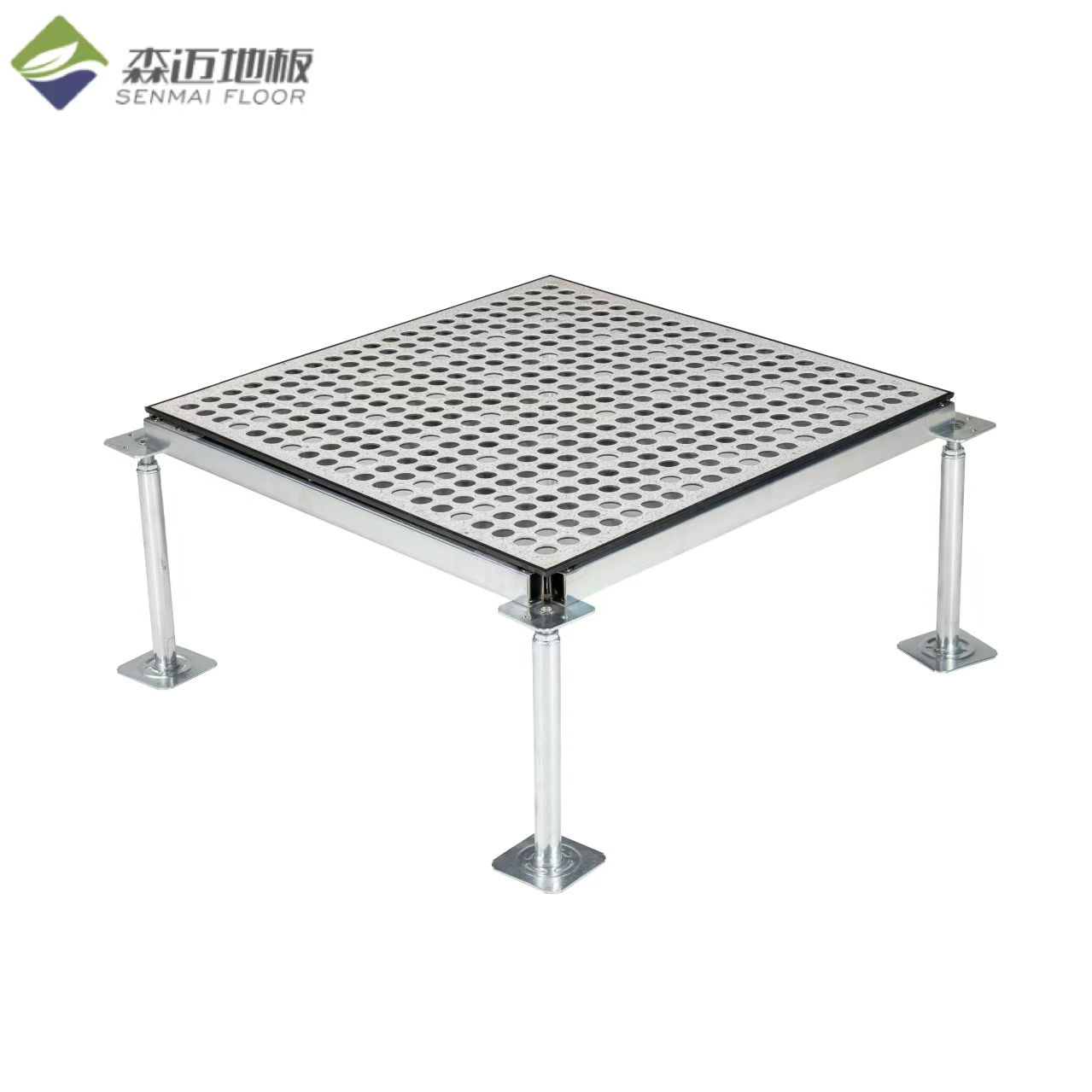
Diving deep into the industrial physics and material metallurgy of architectural ventilation systems requires a thorough analysis of tensile yield parameters, corrosion dynamics, and structural geometry. To fully comprehend what is the difference between aluminum and steel air flow panels, facility engineering specialists must calculate how different metal alloys react to heavy moving machinery loads over extended lifecycles. For instance, high-purity cast aluminum tiles are completely non-magnetic and provide excellent corrosion resistance, making them ideal for specialized medical imaging cleanrooms or high-frequency laboratory zones where static magnetic interference must be entirely avoided. On the other hand, heavy-duty welded structural steel units offer immense ultimate load-bearing capacities and rigid structural configurations that easily handle the massive rolling stress of moving server racks into tight configuration arrays. Additionally, studying these mechanical traits involves looking at how precise laser-etched air openings allow specific volumetric flow rates to travel without causing structural integrity failures or panel warping under pressure. By measuring these physical parameters beforehand, design firms can easily matching their floor layouts to specific technical computing setups.
Global Technical Compliance Standards and Data Center Aerodynamic Criteria
According to formal thermal performance guidelines published by international commercial property engineering networks like the American Society of Heating, Refrigerating and Air-Conditioning Engineers, maintaining an optimized cold-aisle containment setup is a primary rule for sustainable modern facilities. Senior infrastructure compliance consultants constantly point out that using unverified ventilation components in hyper-scale server rooms shortens the operating lifecycle of expensive computing blades, which is why investigating what is the difference between aluminum and steel air flow panels remains an indispensable step during early facility layout design. Official engineering manuals state that facility directors must verify the exact open area percentages of their raised floor grids, ensuring you track these fundamental structural variations to achieve balanced static pressure control across extensive multinational computer operations. Thermal control specialists note that selecting fully certified modular tiles reduces structural vibration and energy waste during continuous cooling cycles while remaining fully compliant with global construction safety mandates. Adhering to these strict structural rules allows development teams to ensure complete long-term operational transparency.
Methodical Installation Steps for Balanced Air Distribution Networks
Executing a highly reliable and completely seamless raised flooring configuration modification involves following a clear sequence of practical deployment actions to keep your thermal layout safe across years of service. Field operations crews should always perform a thorough visual alignment check on the adjustable steel understructure pillars before lowering the heavy metal air grids into place, allowing them to verify the mechanical tolerances of the material without introducing unexpected floor rattling or loose framing joints into the active computer network layout. When positioning tailored finishes like high-capacity open-grid tiles or integrated damper controls, pulling the leveling locking screws tight ensures that the structural panel grid distributes heavy equipment weights perfectly across all support structures. Securing your utility placement logs with updated digital layout charts stabilizes future room maintenance cycles, allowing your facilities team to manage fast server expansions smoothly. Understanding these small practical application details ensures that route technicians build robust underfloor distribution networks that survive heavy continuous workloads.
Advanced Structural Solutions for Modern High Density Network Hubs
Achieving an exceptionally quiet, perfectly leveled, and thoroughly optimized structural cooling layout ultimately depends on sourcing your raised floor hardware from a trusted industrial pioneer focused on strict quality metrics. This is exactly where our advanced structural solutions at Senmai Flooring deliver immense value, providing top-tier die-cast aluminum panels, heavy-duty welded steel configurations, and specialized high-capacity ventilation units engineered to help you instantly master what is the difference between aluminum and steel air flow panels while upgrading your technical facility. When global data center managers deploy our premium structural floor assemblies, they experience highly consistent load tolerances, superior air distribution control, and true dimensional accuracy that allows for effortless room modifications in any modern corporate tower worldwide. Our comprehensive commercial portfolio features precision-molded components, robust corrosion-resistant finishes, and advanced acoustic dampening attributes, making it simpler than ever to maintain structural integrity under changing business demands. Relying on our specialized production capabilities ensures your infrastructure upgrades pass every strict building audit with absolute perfection.
Table of Contents
- Practical Operational Discovery from Server Room Ventilation Overhauls
- Mechanical Metallurgical Properties and Precision Structural Engineering
- Global Technical Compliance Standards and Data Center Aerodynamic Criteria
- Methodical Installation Steps for Balanced Air Distribution Networks
- Advanced Structural Solutions for Modern High Density Network Hubs