
 EN
EN




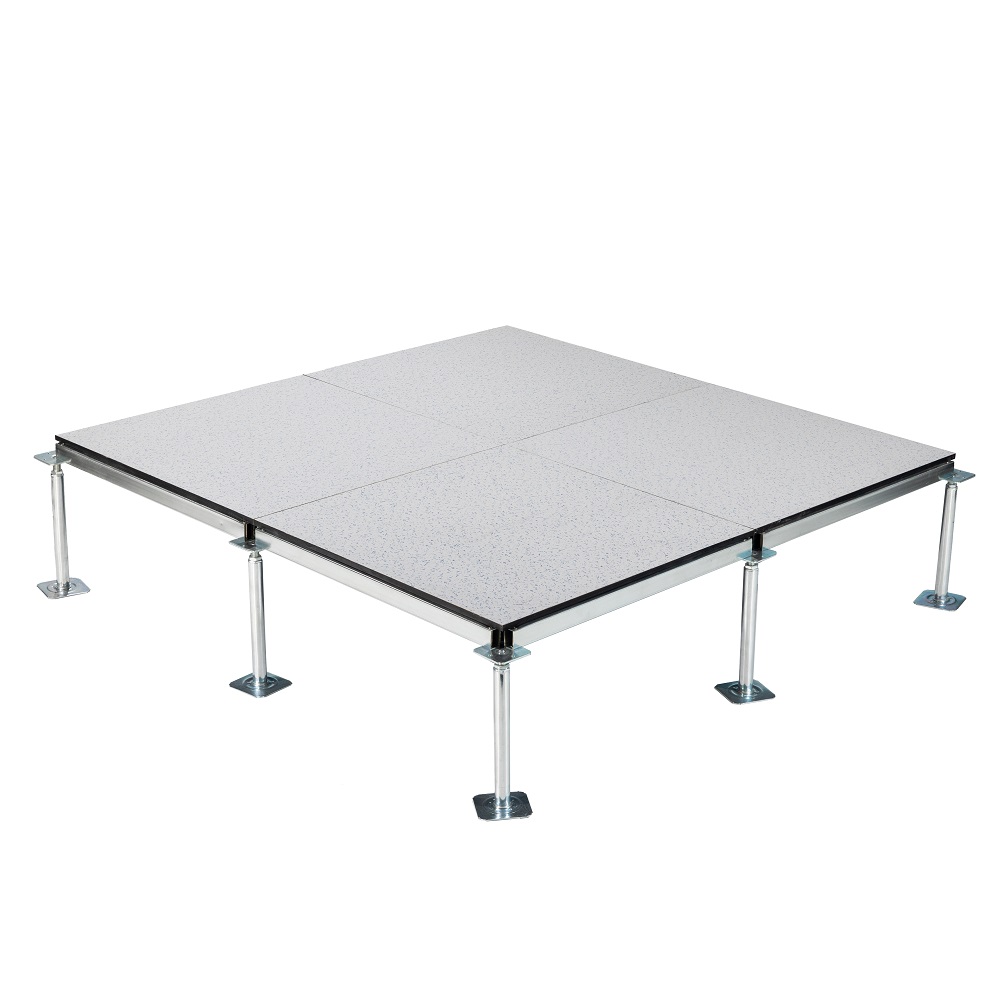
Blog Abstract: Raised access floors have evolved from purely utility-focused infrastructure into key aesthetic components of modern commercial and technical interiors. Modern manufacturing processes allow architects, facility managers, and designers to specify customized colors, textures, and material finishes—including High-Pressure Laminate (HPL), PVC, and ceramic—without compromising load capacity, anti-static performance, or long-term durability. This guide outlines the available customization options, material characteristics, and implementation considerations for custom raised floor projects.
1. The Evolution of Raised Floor Aesthetics
Historically, raised access flooring options were limited to standard neutral tones and functional coatings intended strictly for computer rooms and service plenums. Modern interior requirements—such as client-facing data centers, open-plan corporate offices, cleanrooms, and educational facilities—demand high-performing materials that align with brand identities and overall interior design schemes.
Customization options now allow raised access floors to integrate visually with adjacent permanent surfaces while retaining full underfloor accessibility for cabling, piping, and HVAC distribution.
2. Core Surface Finish Options and Customization Potential
Different core materials and finishes offer varying degrees of aesthetic versatility, static control, and mechanical durability:
-
High-Pressure Laminate (HPL): Supports precision color matching (RAL/Pantone) and custom gloss levels.
-
PVC / Vinyl: Delivers static-dissipative (ESD) performance with customizable wear layers and slip ratings.
-
Ceramic / Porcelain: Replicates stone, wood, or marble aesthetics with extreme wear resistance.
High-Pressure Laminate (HPL)
-
Customization Scope: Precision color matching to RAL or Pantone color codes; adjustable gloss levels (matte to high-gloss); custom embossed textures.
-
Best Suited For: Corporate office spaces, control rooms, and standard data centers requiring low-maintenance anti-static surfaces.
-
Key Advantage: Cost-effective versatility with a wide range of solid colors, wood grains, and abstract patterns.
PVC / Vinyl Surface Coverings
-
Customization Scope: Variable wear layer thicknesses (e.g., 1.2 mm to 3.0 mm); custom color formulations; specific static-dissipative or conductive (ESD) ratings.
-
Best Suited For: Healthcare environments, laboratories, cleanrooms, and high-traffic commercial spaces.
-
Key Advantage: Improved acoustic absorption, underfoot comfort, and tailored slip resistance.
Ceramic and Porcelain Veneers
-
Customization Scope: Advanced digital printing capable of replicating natural marble, granite, concrete, or timber; wide variety of tile dimensions and edge profiles.
-
Best Suited For: High-end commercial lobbies, client tour routes, and heavy-use technical areas.
-
Key Advantage: Exceptional abrasion resistance, fire resistance, and structural stability. Ceramic finishes eliminate surface warping and degradation risks common in high-moisture or high-wear environments.
3. Comparison of Customized Surface Finishes
Evaluating the functional and aesthetic trade-offs of each finish type helps determine the right specification for a given space:
| Material Finish | Color/Pattern Customization | Static Control (ESD) | Wear / Scratch Resistance | Maintenance Level |
| HPL | Very High (Custom RAL/Pantone) | Excellent (Built-in options) | Moderate to High | Low |
| PVC / Vinyl | High (Solid & Patterned) | Superior (Static-dissipative) | Moderate | Low to Medium |
| Ceramic | Exceptional (Natural Material Looks) | Good (Dependent on backing) | Maximum | Very Low |
| Carpet Tile / Overlay | Unlimited (Textile options) | Moderate | Dependent on fiber | Medium to High |
4. Technical Levels of Customization
When specifying a custom raised floor system, customization extends beyond the top wear layer:
-
Color & Pattern Matching: Formulation of bespoke shades based on physical color swatches, corporate brand guidelines, or specific architectural codes.
-
Edge Banding Details: Custom-colored ABS or PVC edge trims hide the modular panel grid, creating the appearance of a continuous floor or grouted tile installation.
-
Panel Core Selection: Pairing custom surface finishes with specific core structures—such as all-steel panels, high-density calcium sulfate boards, or woodcore cores—to meet specific concentrated and ultimate load requirements.
-
Specialized Functional Coatings: Applying anti-static, anti-microbial, or chemical-resistant surface coatings suited to industrial or medical facilities.
5. Implementation Considerations for Custom Projects
-
Sample Approvals: Always request full-scale mock-up panels from the manufacturer to evaluate color accuracy and surface texture under the site's planned lighting conditions.
-
Lead Times and MOQs: Custom color runs and non-standard material laminations typically require higher Minimum Order Quantities (MOQs) and longer production lead times compared to stock items.
-
Manufacturing Standards: Partner with established manufacturers that feature standardized quality control systems to ensure color uniformity across large floor plate installations.
6. Conclusion
Custom finishes and colors have transformed raised access floors from purely utilitarian systems into integral design elements. By utilizing custom HPL, PVC, or ceramic surface options, project teams can achieve exact aesthetic goals while maintaining the technical performance, load capacity, and underfloor access required by modern commercial buildings.