
 EN
EN




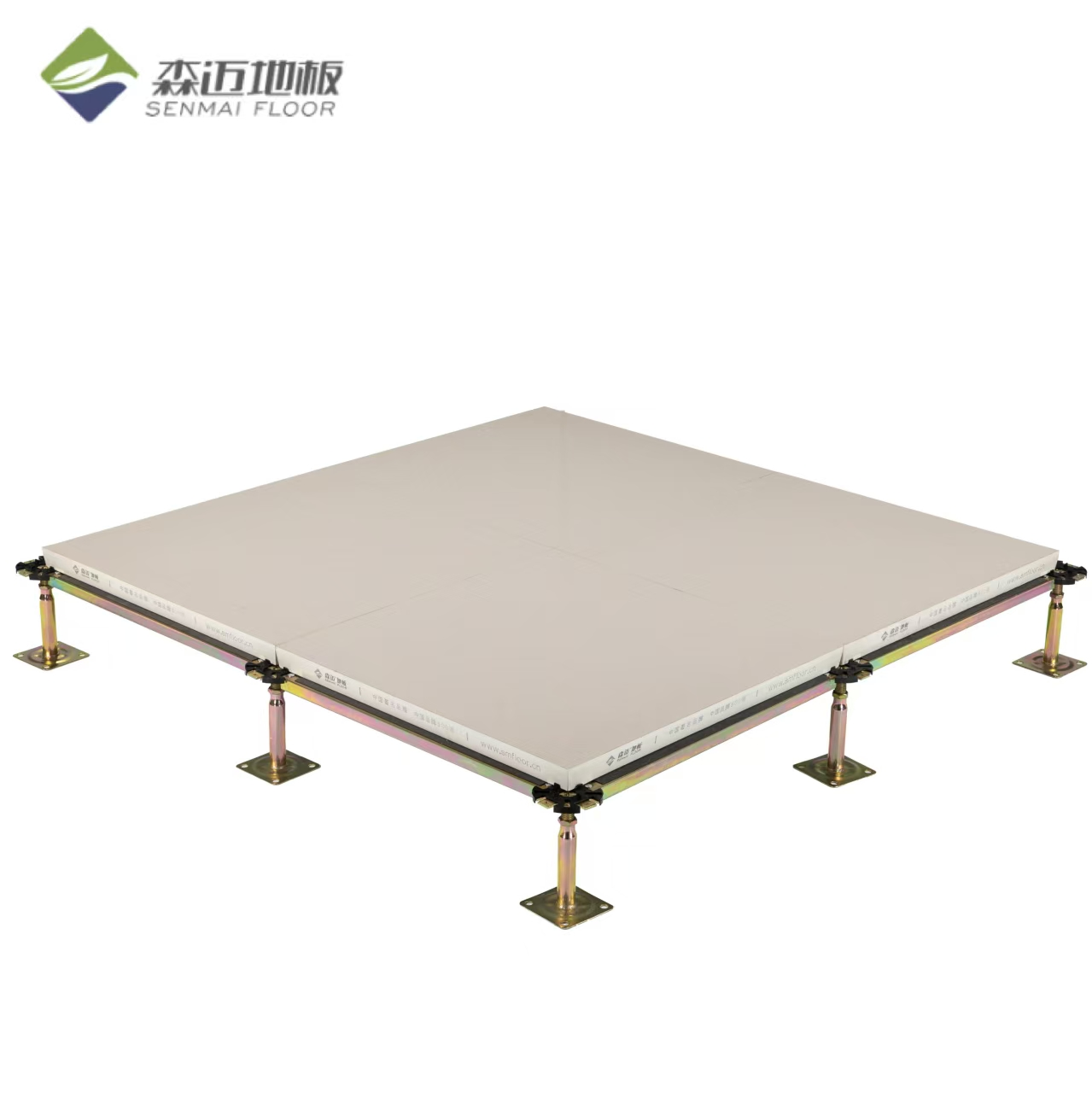
Selecting the right raised floor material is a critical infrastructure decision. Whether you are outfitting a high-density data center, a pharmaceutical cleanroom, or a modern office space, your flooring choice directly impacts structural stability, ESD control, and long-term maintenance costs.
Comparison of Raised Floor Core Materials
| Material | Best For | Key Advantage | Moisture Resistance |
| Calcium Sulphate | Data Centers | High Load, Flatness | Moderate |
| Aluminum | Cleanrooms | ESD, Corrosion-free | Excellent |
| Steel | Industrial | Rigidity, Grounding | Moderate (coated) |
| Woodcore | General Office | Acoustics, Cost | Low |
1. Calcium Sulphate: The Data Center Standard
Calcium sulphate cores, often using recycled materials, offer exceptional static load capacity—exceeding 1,200 kg/m²—with flatness tolerances of ±0.5 mm.
-
Sustainability: 40% lower embodied carbon compared to aluminum.
-
Stability: Minimizes vibration transfer for heavy server racks.
-
Note: Best suited for climate-controlled environments (<65% RH).
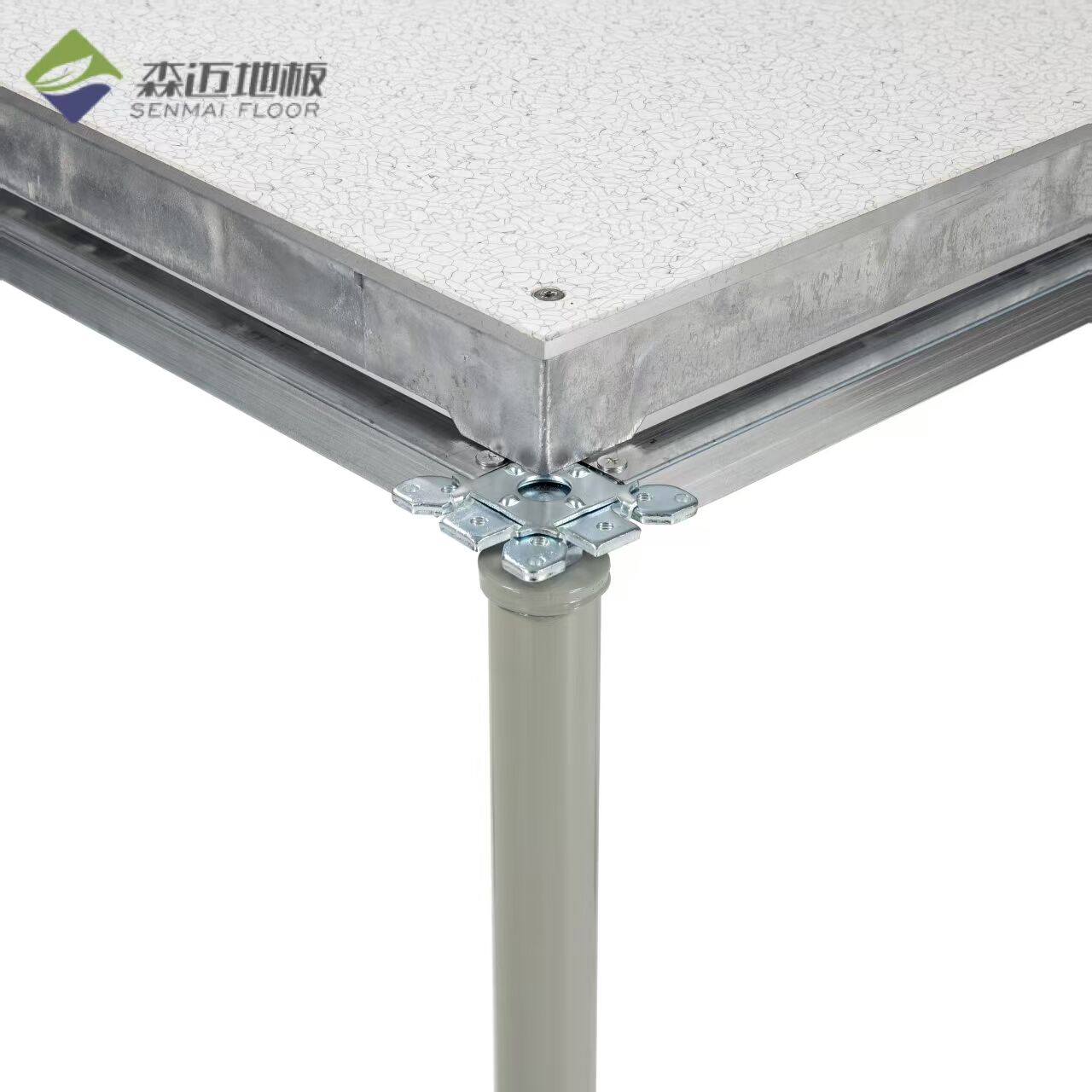
2. Metallic Systems: Steel vs. Aluminum
Choosing between steel and aluminum depends on your facility's operational priorities:
-
Aluminum Flooring: The benchmark for cleanrooms and ESD-sensitive environments. Its non-porous surface withstands biocidal cleaning and provides continuous grounding, making it essential for semiconductor fabrication and labs.
-
Steel Flooring: Offers superior rigidity and ultra-low electrical resistance. It is highly cost-effective for general critical facilities but requires quality epoxy coatings to match aluminum’s corrosion resistance in coastal or humid areas.
3. Woodcore Panels for Commercial Offices
Woodcore panels balance solid load capacity with acoustic dampening. They are lightweight, reducing labor costs during installation, and utilize recycled wood fibers, supporting green building goals like LEED. They are ideal for collaborative workspaces but should be avoided in areas housing heavy mission-critical equipment.
Optimizing Airflow and Performance
Modern flooring isn't just a surface—it's part of your HVAC strategy.
-
Perforated Panels: Strategically placing these vents beneath heat-producing equipment can lower your Power Usage Effectiveness (PUE) by up to 15%.
-
Surface Finishes: Match your finish to the traffic level. Use HPL (High-Pressure Laminate) for wear resistance, or antistatic coatings to maintain ESD control.
Frequently Asked Questions (FAQ)
Which raised floor is best for a data center?
Calcium sulphate is preferred for its high load-bearing capacity and flatness, while aluminum is superior for environments requiring rigorous ESD and contamination control.
Is aluminum flooring better than steel?
Aluminum is superior for corrosion resistance and continuous ESD grounding in cleanrooms. Steel is more rigid and cost-effective for standard industrial environments.
Can woodcore floors be used in server rooms?
Generally, no. Woodcore has lower moisture resistance and lower load ratings compared to calcium sulphate or metallic systems.
Need help choosing the right flooring for your project?
Avoid costly mistakes by selecting the right material from the start. [Contact Our Flooring Specialists] for a technical consultation or [Download Our Facility Flooring Specification Guide].