
 EN
EN




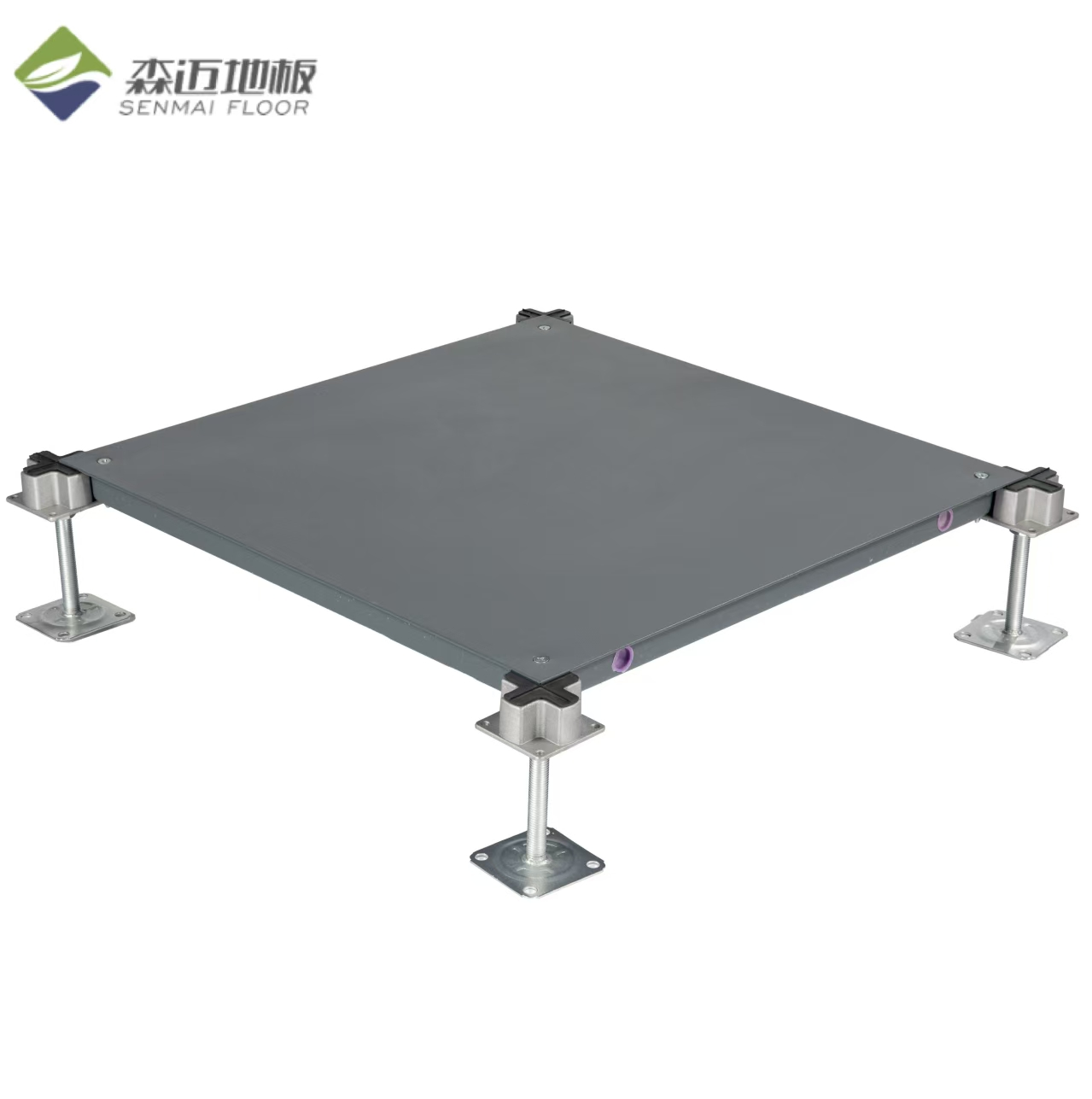
Modern architecture is rapidly evolving, moving away from static structures toward environments that adapt to our changing lifestyle needs. Traditionally, raised access floors have been the backbone of data centers and commercial offices, serving as the hidden highway for high-density cables and complex HVAC systems. However, architects are now finding that the same modular technology is perfect for transforming high-end residential spaces. Imagine a living room where unsightly power cords for home cinema systems, smart home controllers, and even complex underfloor heating pipes are seamlessly integrated beneath the surface. This is no longer a commercial luxury; it is becoming a functional reality for modern smart homes.
Technical Advantages for Modern Homes
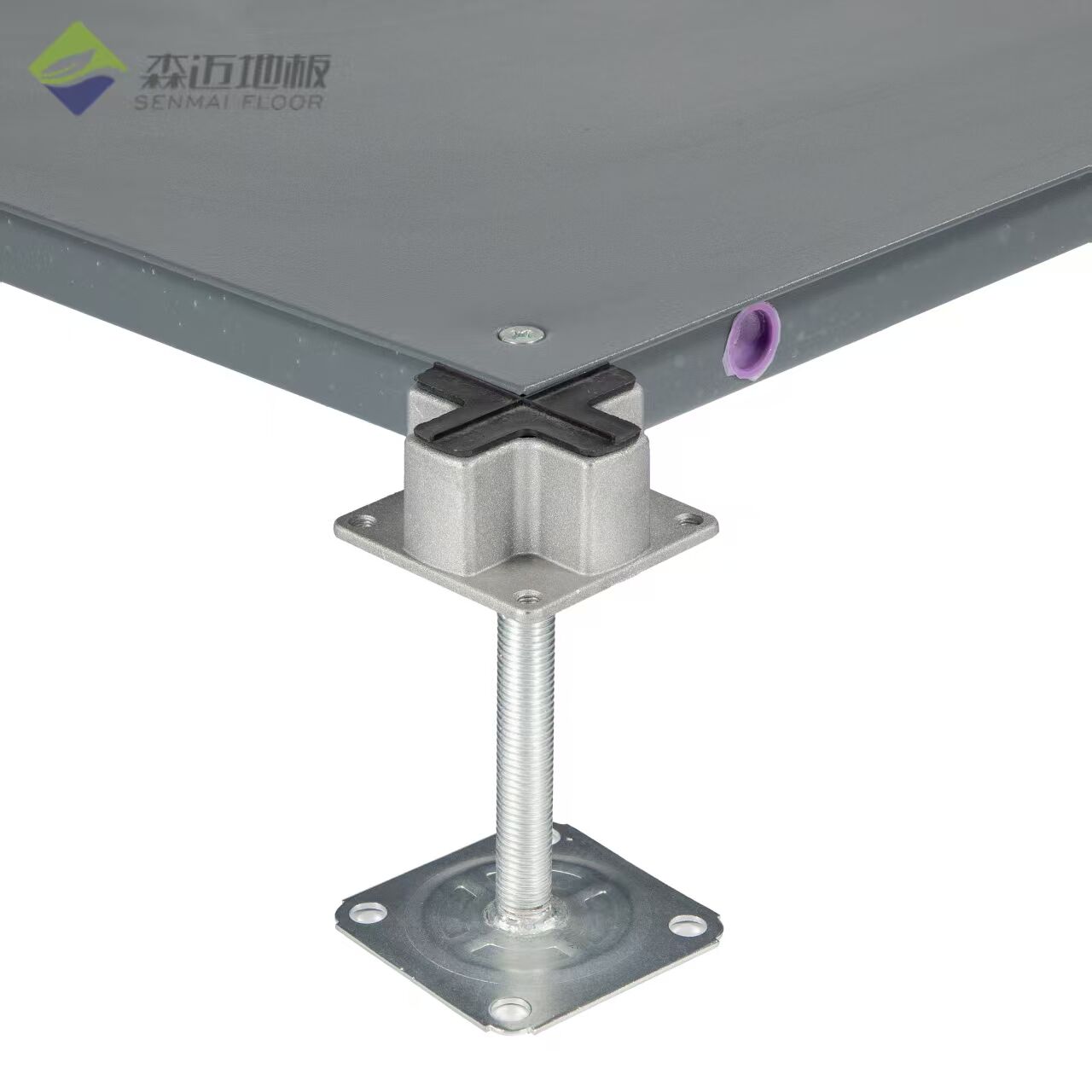
At the core of this system is the simplicity of adjustable pedestals and interchangeable panels. For modern residential properties, especially those incorporating heavy smart home automation, managing connectivity is often a challenge. Raised access floors eliminate this by providing a clean, accessible void. This structure is particularly beneficial for renovations of older buildings where structural modifications to concrete floors are costly or impossible. By elevating the floor, residents can route plumbing, electrical lines, and even soundproofing materials without sacrificing ceiling height. This creates a versatile shell that allows homeowners to reconfigure their internal layout as technology evolves.
Comfort and Acoustic Benefits
The value of these floors extends well beyond basic cable management. When paired with high-quality finishes like engineered wood, ceramic, or stone, the result is indistinguishable from a traditional floor surface. Furthermore, the cavity underneath acts as an excellent buffer for acoustic insulation, preventing noise travel between floors in multi-story luxury residences. For regions where radiant heating is the preferred method, these floors provide a more responsive solution compared to traditional concrete screed, as the air-gap allows heat to distribute more evenly and efficiently throughout the room.
Comparing Residential and Commercial Requirements
While the underlying technology remains similar, performance criteria shift when transitioning from a server room to a family living area. The focus moves from extreme heavy load capacity to long-term durability and comfort.
| Feature | Commercial/Data Center | Residential/Home |
| Load Capacity | High (Server Racks/Heavy Equipment) | Moderate (Furniture/Foot Traffic) |
| Primary Goal | High Cable Density/Cooling | Comfort/Aesthetics/Flexibility |
| Surface Finish | HPL or Conductive Vinyl | Wood/Ceramic/Stone/Carpet |
| Acoustics | Functional Noise Control | Sound Absorption/Quietness |
System Efficiency in Modern Construction
Choosing the right floor system involves balancing initial installation requirements against long-term structural adaptability. Traditional systems are often permanent, while modular systems offer a circular construction advantage—every component can be disassembled and reused.
| Aspect | Traditional Screed | Raised Access Floor |
| Installation Time | Slow (Curing time) | Fast (Dry installation) |
| Future Modifications | Invasive (Jackhammering) | Simple (Removing panels) |
| Utility Access | Difficult | Immediate |
| Environmental Impact | High waste | High recyclability |
Quality Sourcing and Professional Implementation
Implementing such a system requires engineering precision. Senmai Flooring understands that reliability is paramount in residential projects where the structure must stand the test of time and daily family life. With comprehensive manufacturing capabilities and a robust global supply chain, Senmai Flooring provides components that ensure perfect stability and acoustic performance. Whether you are an architect, developer, or homeowner looking for a custom solution, Senmai Flooring offers the technical expertise to ensure the infrastructure beneath your living space is as dependable as the home itself. Contact the supply team at Senmai Flooring to explore custom-engineered options for your next project.