
 EN
EN




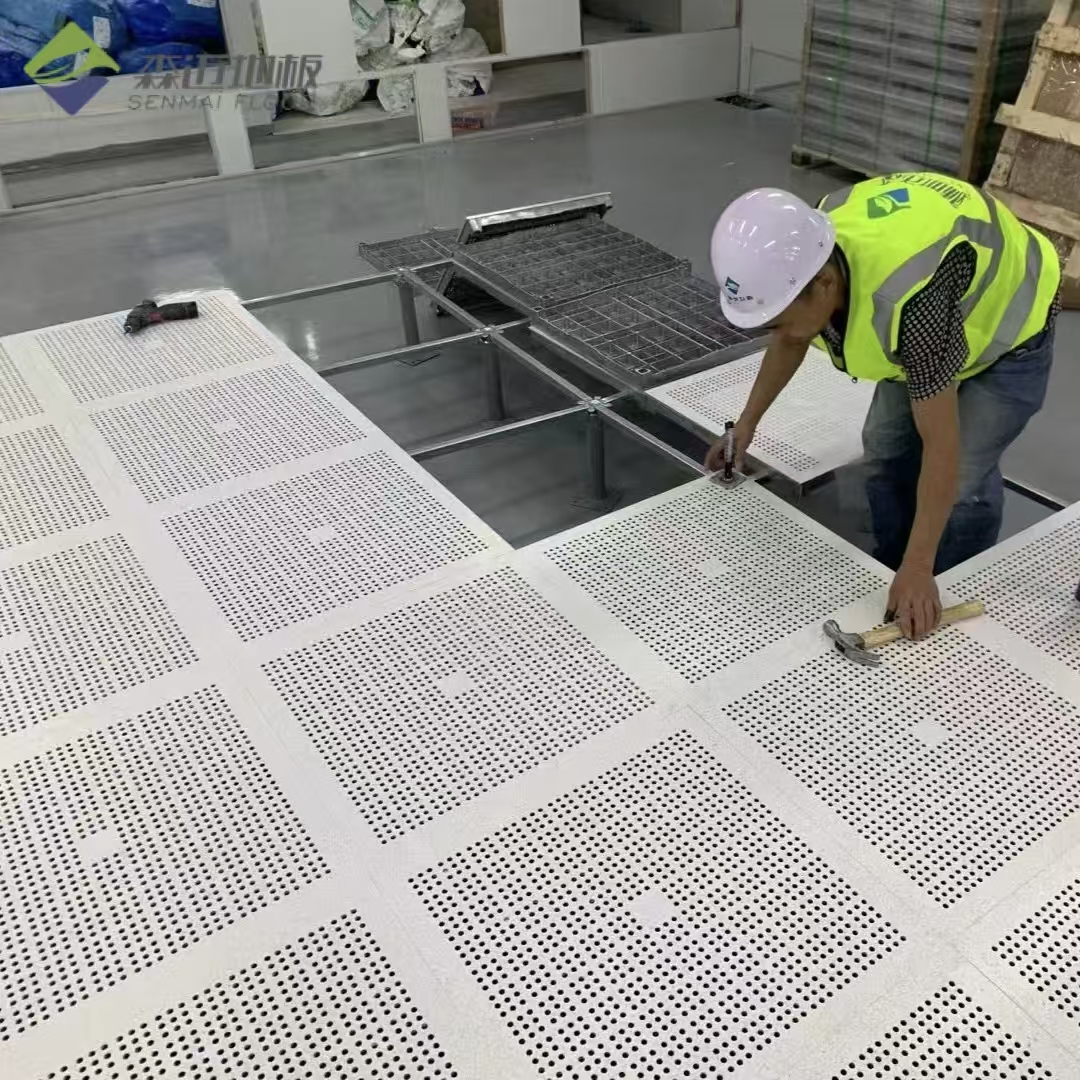
Blog Abstract: Selecting the right elevated flooring system is critical for optimizing the infrastructure, safety, and operational longevity of modern commercial facilities. Steel raised access floors offer a unique combination of high mechanical load capacity, non-combustible fire safety, versatile underfloor utility routing, and electrostatic discharge (ESD) protection. This technical overview breaks down the primary advantages of specifying all-steel raised flooring for data centers, control rooms, and modern office spaces.
1. Unmatched Load-Bearing Capacity & Structural Integrity
Steel raised access panels are engineered to support both extreme static loads (such as server racks, battery cabinets, and heavy machinery) and dynamic rolling loads.
-
Concentrated Load Resistance: Standard all-steel panels can handle concentrated loads ranging from 1,960 N to over 4,450 N (approx. 200 kg to 450+ kg) over a single square inch (6.45 cm²).
-
Uniform Load Performance: Premium systems support uniform distributed loads up to 33.34 kN/m², preventing sag or structural deformation across long spans.
-
Impact Resistance: The cold-rolled, die-formed steel shell provides superior resistance to localized impact, protecting the subfloor structure from damage during equipment installation and transport.
2. Superior Fire Resistance and Corrosion Protection
Safety regulations in commercial and technical facilities mandate non-combustible building materials to protect personnel and high-value digital assets.
-
Class A Fire Rating: Constructed from non-combustible materials, all-steel panels act as a thermal barrier, achieving Class A flame spread ratings and resisting structural failure during fire emergencies.
-
Zero Toxic Off-Gassing: Unlike organic composite core panels, steel does not emit toxic smoke or fumes when exposed to high heat.
-
Multi-Stage Surface Protection: Panels undergo surface treatments—such as phosphating, electro-galvanization, and epoxy powder coating—to deliver long-term protection against ambient humidity, rust, and abrasion.
3. Advanced Cable Management and Underfloor Utility Access
Modern technical rooms require flexible cable routing and efficient underfloor air distribution (UFAD) systems.
-
Concealed Underfloor Void: Creates a dedicated plenum for high-voltage power lines, low-voltage data cabling, piping, and HVAC ductwork.
-
Separation of Currents: Enables clear physical separation between strong and weak current systems to minimize electromagnetic interference (EMI) and streamline maintenance.
-
Modular Versatility: Interchangeable panels allow facility managers to easily reconfigure outlet points, extract cable runs, and access underlying utilities without structural modifications or facility downtime.
4. Electrostatic Discharge (ESD) Control
Electrostatic discharge can destroy sensitive semiconductor components, corrupt data streams, and cause unexplainable hardware failures.
| Surface Covering | Anti-Static Resistance Range | Key Features & Applications |
| HPL (High-Pressure Laminate) | 10⁶ Ω – 10⁹ Ω | Standard ESD control, high wear resistance; ideal for server rooms and data centers. |
| Conductive / Anti-Static PVC | 10⁴ Ω – 10⁹ Ω | Excellent acoustic dampening, chemical resistance; ideal for cleanrooms and labs. |
| Electrostatic Ceramic | 10⁶ Ω – 10⁹ Ω | Exceptional scratch/abrasion resistance, heavy load stability; ideal for high-traffic control rooms. |
5. Sustainability and Total Cost of Ownership (TCO)
While steel raised access floors require a higher initial investment compared to lighter alternatives, their lifecycle economics and environmental benefits deliver long-term value.
-
Recyclability & LEED Credits: Steel is fully recyclable. Utilizing all-steel modular systems contributes directly to LEED credits (Materials and Resources: Building Reuse, Construction Waste Management, Recycled Content).
-
Extended Service Life: Steel panels regularly offer a service life exceeding 20 to 30 years with minimal maintenance required.
-
Reduced Operational Costs: Easy utility access reduces labor costs during equipment upgrades, minimizes system downtime, and lowers overall facility management expenses.
6. Conclusion
Steel raised access floors provide a durable, safe, and adaptable foundation for high-performance commercial and industrial environments. By offering high load capacities, non-combustible fire protection, effective ESD management, and flexible underfloor utility routing, steel flooring systems deliver optimal operational reliability and long-term financial value.