
 EN
EN




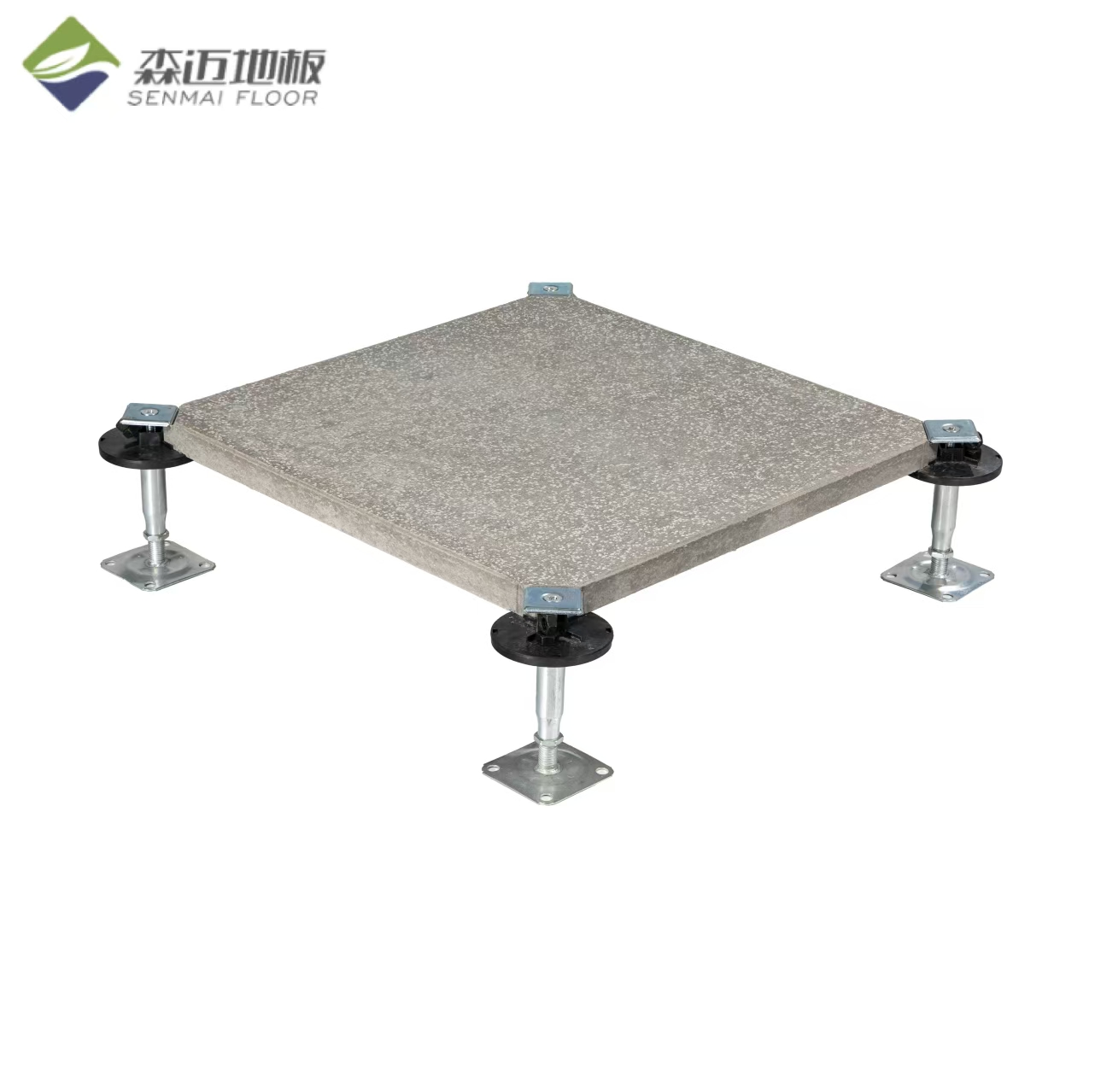
In the fast-paced world of data centers and modern corporate offices, the raised access floor serves as far more than just a surface to walk on. It is an essential component of infrastructure, facilitating efficient cooling, cable management, and structural flexibility. However, the performance of these systems is heavily dependent on the precision of the installation. A perfectly laid floor provides a stable foundation for expensive equipment, whereas a poorly installed system can lead to costly vibrations, unstable cooling patterns, and safety hazards. Achieving excellence in installation requires a blend of rigorous planning and technical expertise.

Pre-Installation Planning and Preparation
The success of any flooring project is dictated by what happens before the first pedestal is placed. A professional site assessment is mandatory. The concrete subfloor must be clean, dust-free, and ideally treated with a primer to ensure the pedestal adhesive bonds securely. Furthermore, verifying the finished floor height (FFH) against architectural drawings is vital to ensure that under-floor clearances are sufficient for data cabling and HVAC airflow. Ignoring site conditions at this stage almost always results in a lack of leveling and future maintenance headaches.
| Checklist Phase | Key Focus | Objective |
| Site Survey | Leveling & Cleanliness | Ensure secure pedestal bonding |
| Climate Control | Temperature & Humidity | Prevent material expansion/contraction |
| Layout Design | Grid Alignment | Minimize cutting and panel waste |
The Step-by-Step Installation Process
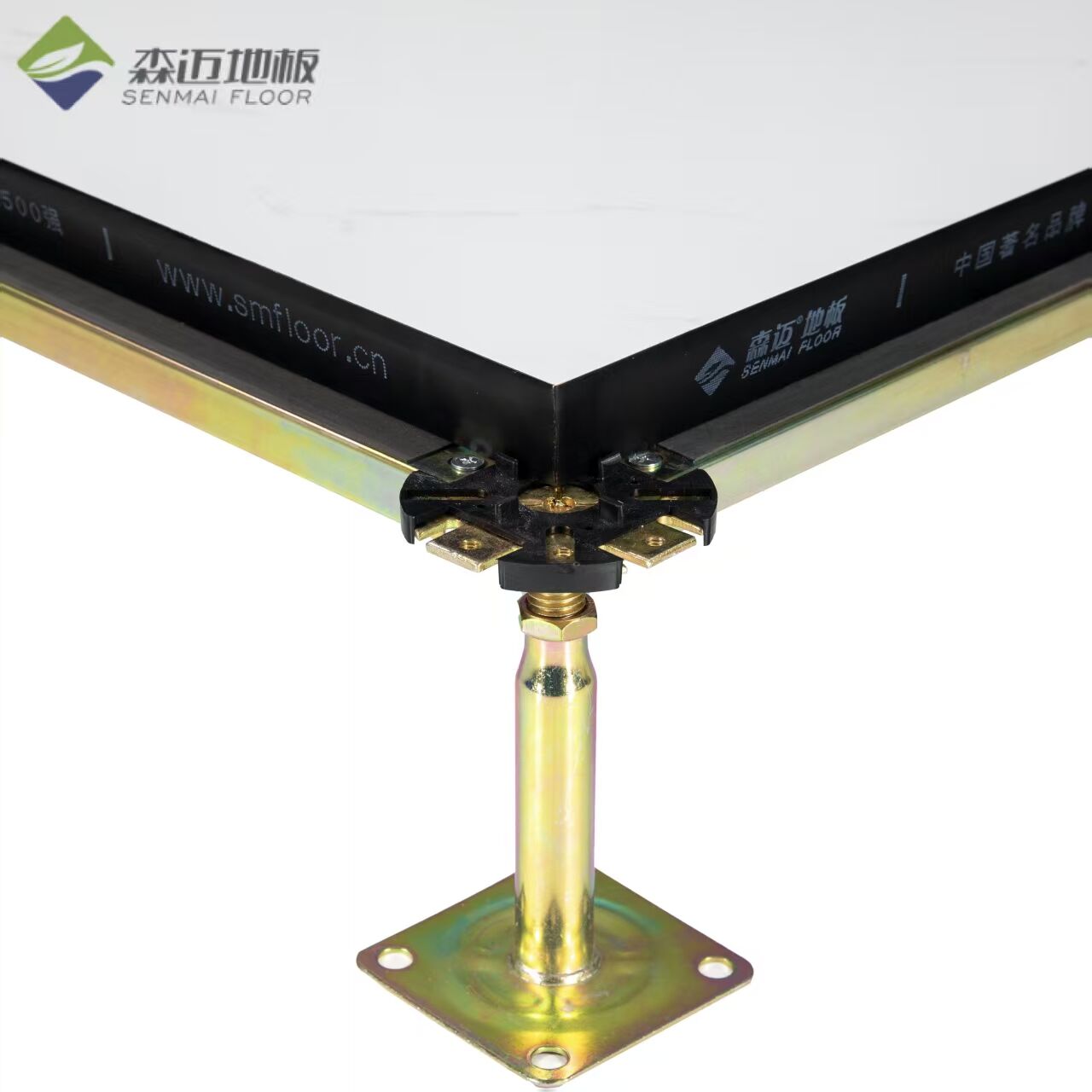
Installation begins with establishing a precise grid layout. Starting from the center of the room and working outward helps maintain symmetry, which is essential for modular panels. Once the layout is snapped onto the subfloor, the pedestals are bonded using high-strength adhesive. The key here is checking for verticality; every pedestal must be perfectly plumb. Once the pedestals are set, stringers—the steel channels connecting the pedestals—are installed to provide lateral stability. Finally, the panels are placed on the grid, with constant checks to ensure there is no rocking or uneven height across the entire floor surface.
Managing Airflow and Structural Integration
Advanced installations go beyond just placing tiles; they focus on system optimization. In data centers, integrating perforated panels with the primary cooling strategy is critical for preventing hot spots. Additionally, any cut-outs for electrical or data cables must be properly sealed with grommets to prevent air pressure loss. Proper grounding is another technical requirement, ensuring that the entire floor system acts as a single, electrostatically safe unit. Attention to these technical details is what separates a standard floor from a high-performance infrastructure solution.
| Common Issue | Probable Cause | Corrective Action |
| Floor Rocking | Uneven pedestal height | Adjust pedestal head leveling |
| Air Leakage | Poor seal at cable cut-outs | Install heavy-duty brush grommets |
| Surface Noise | Loose stringers | Re-tighten and check connection bolts |
Engineering Excellence and Manufacturing Reliability
Reliability in infrastructure is never accidental. Senmai has built a legacy in the industry by producing components that meet the rigorous demands of modern electrical and mechanical engineering. Their manufacturing process emphasizes precision-welded pedestals and high-durability panels, ensuring that every piece of the raised access floor system functions in perfect harmony. By maintaining a robust supply chain, Senmai ensures that contractors and project managers have access to consistent, high-quality components, which significantly speeds up on-site installation and reduces the total cost of ownership.
Achieving Success Through Strategic Execution
Installing a high-quality floor system is about precision, planning, and selecting the right components. Whether creating a state-of-the-art server room or a flexible office environment, the goal remains the same: a stable, efficient, and long-lasting floor. By adhering to professional installation standards and utilizing high-grade products from trusted providers like Senmai, builders can ensure that their infrastructure is not just functional, but optimized for the future. Every project is an opportunity to build a foundation that supports innovation and operational excellence for years to come.