
 EN
EN




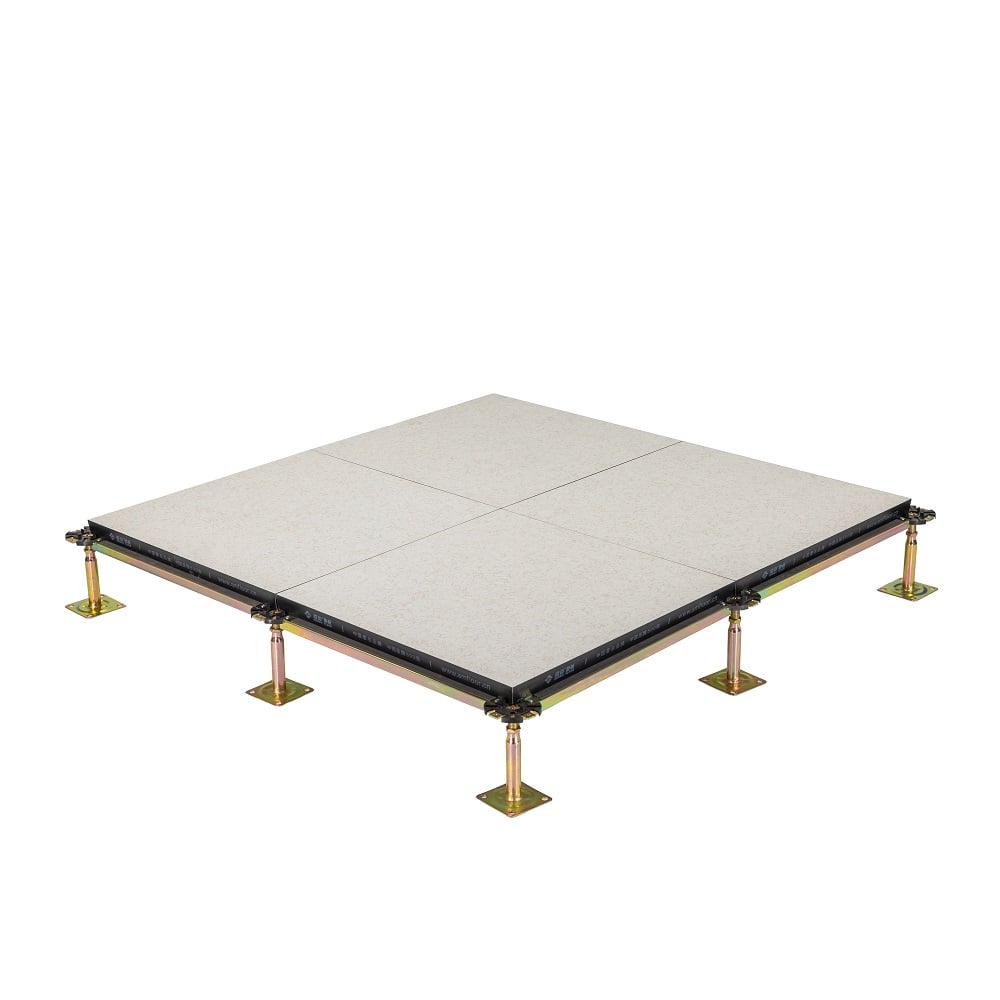
Understanding Why Anti-Static Performance Matters in Raised Floor Systems
In modern industrial environments, static electricity control is becoming increasingly important. Data centers, electronic manufacturing facilities, laboratories, and clean production areas all depend on stable flooring systems to protect sensitive equipment and maintain reliable operations.
Many companies believe that installing an anti-static raised access flooring system is enough to solve static electricity problems permanently. However, the performance of a raised floor can change over time depending on maintenance methods, environmental conditions, installation quality, and surface protection.
A small change in electrical resistance or a damaged surface layer may affect the ability of the floor to safely dissipate static charges. For industries that use sensitive electronic equipment, even a minor electrostatic discharge can result in equipment failure, production interruptions, or data loss.
From practical experience, many static-related issues are not caused by the original flooring design but by improper long-term management. In one electronics manufacturing facility, unexpected equipment failures were reported after several years of operation. After inspection, the team discovered that dust accumulation and unsuitable cleaning products had affected the anti-static performance of the flooring surface.
This case shows that maintaining an anti-static raised access flooring system requires continuous attention rather than a one-time installation.
Regular Cleaning Helps Maintain Stable Anti-Static Performance
Keeping the floor surface clean is one of the most effective ways to maintain anti-static properties. Dust, oil residue, and other contaminants can gradually affect the electrical performance of the flooring surface.
Anti-static flooring works by controlling and transferring static charges safely to the grounding system. When contaminants build up on the surface, they may create an insulating layer that reduces the efficiency of static discharge.
However, cleaning methods must be carefully selected. Strong chemicals or unsuitable cleaning equipment may damage the surface finish and reduce the service life of the flooring system.
For this reason, facility managers should establish regular cleaning procedures and use materials that are compatible with the flooring surface.
As a professional raised access flooring manufacturer, Senmai Flooring provides durable flooring solutions designed for technical environments. Its anti-static raised access flooring systems are developed with stable surface performance, easy maintenance, and long-term reliability in mind.
Products such as anti-static calcium sulfate raised flooring and anti-static steel raised flooring are widely suitable for environments where electrical safety and operational stability are important.
Environmental Control Plays an Important Role in Static Prevention
The surrounding environment has a significant influence on static electricity generation. Factors such as humidity, temperature, and airflow can directly affect static charge accumulation.
In dry environments, static electricity is easier to generate because low humidity reduces natural charge dissipation. This is why many data centers and electronic production facilities maintain controlled humidity levels.
Although environmental management is important, it should work together with a reliable anti-static flooring system. A properly designed raised floor provides additional protection by helping control and discharge static electricity across the entire working area.
In applications such as server rooms and data centers, raised access flooring also provides advantages beyond static control. The space beneath the floor allows cables, power systems, and airflow channels to be organized more efficiently, improving facility management.
Senmai Flooring develops customized raised flooring solutions for different applications, including data centers, cleanrooms, laboratories, and industrial facilities. Through precise manufacturing processes and quality control systems, the flooring products are designed to deliver consistent performance in demanding environments.
Installation Quality and Grounding Inspection Ensure Long-Term Performance
Even high-quality anti-static raised access flooring requires professional installation to achieve the expected results.
The effectiveness of static control depends on many details, including panel connections, grounding systems, support structures, and installation accuracy. If any part of the system is damaged or incorrectly installed, the overall anti-static performance may be affected.
A common mistake is focusing only on the floor panels while ignoring other components. In reality, pedestals, stringers, grounding accessories, and installation procedures all contribute to the final performance of the flooring system.
Regular testing is also necessary after installation. Facility operators should inspect electrical resistance values, check grounding connections, and pay special attention to high-traffic areas where surface wear may occur.
With professional installation and scheduled inspections, an anti-static raised access flooring system can maintain reliable performance throughout its service life.
Choosing the Right Flooring Partner for Long-Term Anti-Static Protection
Maintaining anti-static properties requires a complete approach that combines quality materials, correct installation, proper environmental management, and regular maintenance.
When selecting an anti-static raised access flooring system, customers should consider several important factors, including:
-
Surface material and durability
-
Static control performance
-
Load-bearing capacity
-
Maintenance requirements
-
Manufacturer experience and technical support
A reliable flooring manufacturer can help ensure that the system meets the specific requirements of different industries.
Senmai Flooring specializes in manufacturing raised access flooring solutions for commercial, industrial, and technical applications. With professional production capabilities and strict quality management, Senmai provides flooring systems designed for stable performance and long-term use.
Ultimately, anti-static performance is not maintained by a single step. It depends on continuous care throughout the entire lifecycle of the flooring system. By choosing the right flooring solution, following proper maintenance procedures, and performing regular inspections, companies can reduce static risks, protect sensitive equipment, and improve operational reliability.
Table of Contents
- Understanding Why Anti-Static Performance Matters in Raised Floor Systems
- Regular Cleaning Helps Maintain Stable Anti-Static Performance
- Environmental Control Plays an Important Role in Static Prevention
- Installation Quality and Grounding Inspection Ensure Long-Term Performance
- Choosing the Right Flooring Partner for Long-Term Anti-Static Protection