
 EN
EN




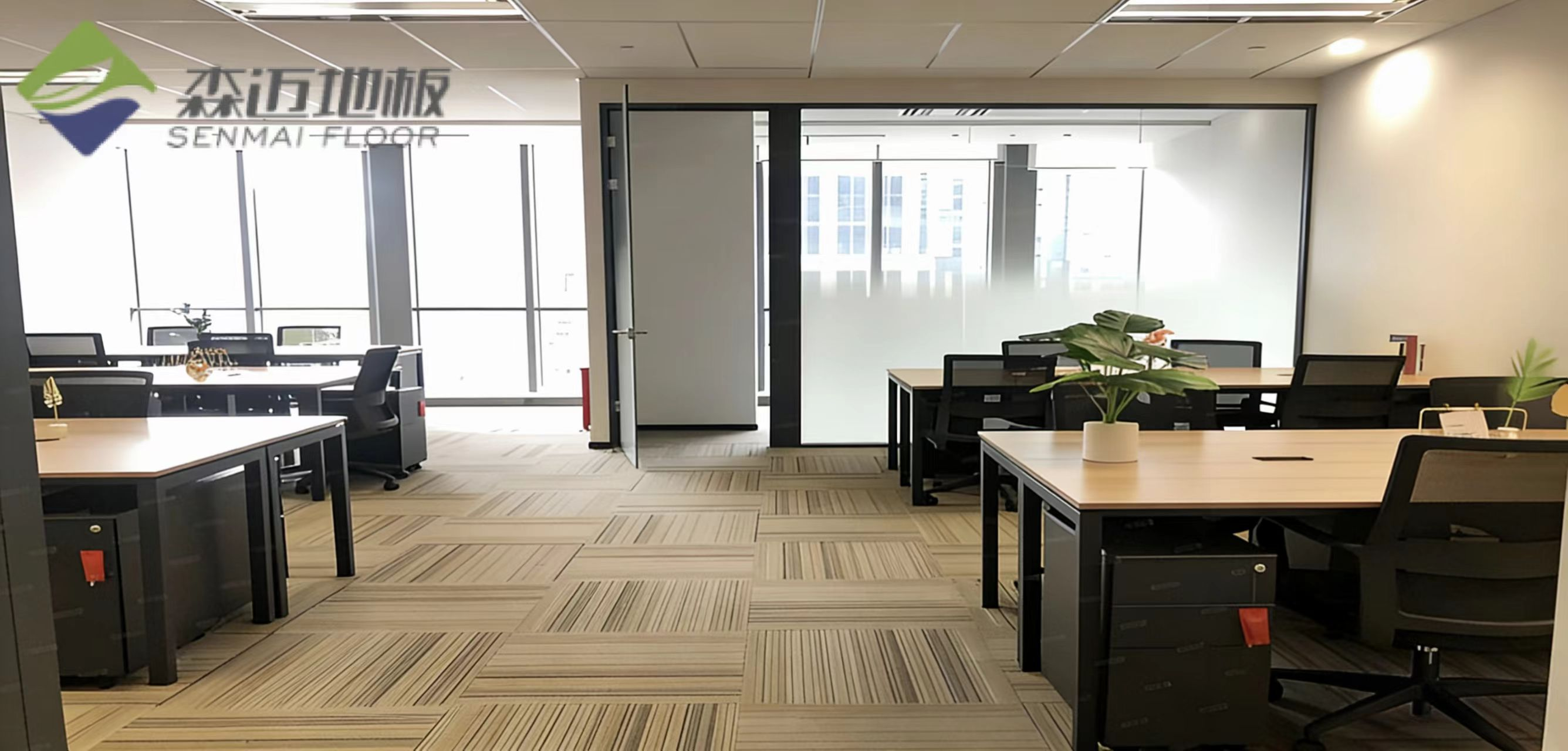
دفتر کے اُونچے فرش کی تعمیر کے لیے مرحلہ وار انتظامی ماڈل
جائزہ: مقامی آڈٹ، مطلوبہ استعمال، بنیادی ڈھانچہ
ایک اہم ابتدائی مرحلہ عمارت کے فرش کے نیچے موجود تمام اجزاء کا تعین کرنا ہے، جیسے مکینیکل، بجلی اور پلمبنگ سسٹمز اور وزن برداشت کرنے والی ساختوں کی مقامیات۔ اس کے علاوہ، یہ سمجھنا ضروری ہے کہ لوگ وہ جگہ کس طرح استعمال کریں گے۔ اس میں کام کے اسٹیشنز کی تعداد کا اندازہ لگانا اور یہ طے کرنا شامل ہے کہ کون سی اقسام کی ٹیکنالوجی (جیسے PoE++ رسائی پورٹس) اور کیبلنگ درکار ہوں گی تاکہ لچکدار یا ماڈولر اسٹیشن ڈیزائن کو ممکن بنایا جا سکے۔ آخر میں، مستقبل میں توسیع کو ضرور مدنظر رکھیں۔ ہوا کے انتظام (HVAC) کے ڈکٹنگ، پلمبنگ اور بجلی کے کنڈوئٹس اور کیبلنگ کی تمام مقامیات کو دستاویزی شکل میں ثبت کرنا ضروری ہے تاکہ تعمیراتی اصلاحات کے دوران دوبارہ کام کرنے سے گریز کیا جا سکے، کیونکہ زیادہ تر منصوبوں میں پہلے سے چھپے ہوئے سہولیات میں تبدیلیوں کی وجہ سے تاخیر آتی ہے۔ گذشتہ سال کے ورک پلیس ٹیک سروے کے مطابق، اکثریتی منصوبوں کی اصلاحات پہلے سے چھپی ہوئی سہولیات میں غیر منصوبہ بند تبدیلیوں کی وجہ سے تاخیر کا شکار ہوتی ہیں۔ زیادہ تر منصوبوں میں پہلے سے چھپی ہوئی سہولیات میں تبدیلیوں کی وجہ سے تاخیر آتی ہے۔
ڈیزائن اور دستاویزات: بجلی، ڈیٹا، HVAC اور ماحولیاتی کنٹرولز کا اندراج
نوٹ: تمام فائبر آپٹک ٹرانکس جو موڑ-غیر حساس کنڈوئٹس کے طور پر ڈیزائن کیے گئے ہیں۔
عمودی جگہ اور حرارتی لوڈ کی صفائی کے لیے ضروری ANSI/TIA-942-B معیارات کی پابندی کریں (کم از کم 12 انچ قابل استعمال جگہ)۔
کمپیوٹیشنل فلو ڈائنامکس ماڈلنگ کا استعمال کرتے ہوئے، آپ توازن ہوا کے بہاؤ کی ضروریات (1.5–3 CFM/ft²) کو ساختی رکاوٹوں کے ساتھ ضم کر سکتے ہیں۔
coordination اور تیاری: ذرائعِ اختیار کا ہم آہنگی، شیڈولنگ، اور انسٹالیشن سے پہلے کی چیک لسٹ کی تصدیق
BIM (بلڈنگ انفارمیشن ماڈلنگ) واک تھرو کے ذریعے اندرونی محکموں کے درمیان ہم آہنگی کے مسائل کو حل کریں۔ مرحلہ وار انسٹالیشن کے لیے حکمت عملیاں تیار کریں، جس میں مندرجہ ذیل کو مدنظر رکھا جائے:
کسٹم پیڈسٹل کی تیاری کا وقت (6–8 ہفتے)
ذیلی فرش کی مرمت (مثلاً ایپوکسی لیولنگ کا سخت ہونا)
عملی ماحول میں شام کے اوقات میں کام
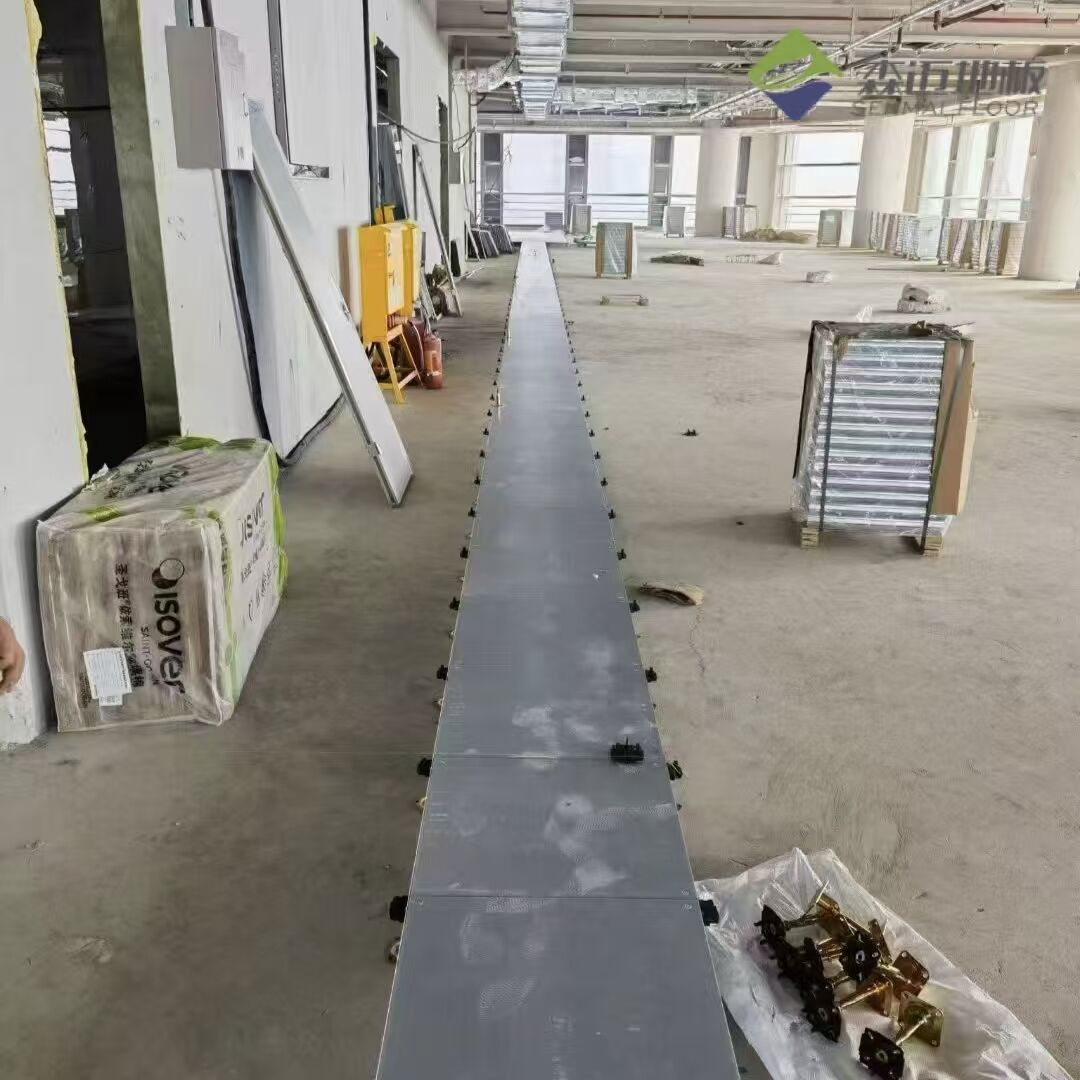
72 گھنٹے کی چیک لسٹ کے ذریعے انسٹالیشن سے پہلے کی تصدیق مکمل کرنا:
ذیلی سطح کی ہمواری کا تصدیقی اندراج (3 میٹر فی 3 ملی میٹر کا اختلاف)
نامیاتی رکاوٹ کی بے دریغی کا تجربہ
حتمی جگہ نما کے ارتکاز پر دلچسپی رکھنے والے تمام فریقین کی منظوری حاصل کرنا
بلند شدہ فرش نظاموں کے لیے ٹیکنیکل آفس کی ضروریات
منسلکی اور کیبلنگ کی حمایت: کیٹ 6A/8.2، PoE++، اور امتزاجی دفتر میں فائبر
دفتری بلند شدہ فرش کو تیزی سے تبدیل ہوتی منسلکی کی ضروریات کے مطابق بھی موافق رہنا چاہیے۔ برتر انسٹالیشنز کیٹ 6A کیبلز کے ذریعے 10 گیگا بٹ فی سیکنڈ اور جدید ترین کیٹ 8.2 معیار کے ذریعے 40 گیگا بٹ فی سیکنڈ کی منسلکی کو سہارا دیتی ہیں۔ دفتری ماحول میں ہر پورٹ کے لیے 90 واٹ کے لیے PoE++ کی حمایت بھی ضروری ہے۔ ویڈیو کانفرنسنگ کو سہارا دینے کے لیے آپٹیکل فائبر بھی ضروری ہے۔ متعدد نظاموں کے باوجود برقی اور ڈیٹا کیبلز کو الگ رکھنا بھی ضروری ہے۔ آڈیو ویژول آلات، حرکت کے سینسرز، اور کمپیوٹرز ایک اسمارٹ بنیادی ڈھانچہ تشکیل دیتے ہیں۔ اسمارٹ ڈیزائنرز کیبل کے لیے تقریباً 25 سے 30 فیصد جگہ چھوڑ دیتے ہیں۔ تیزی سے اپ گریڈ ہونے والی ٹیکنالوجی کے ساتھ، یہ دور اندیشی انہیں ذیلی فرش کو توڑنے سے بچاتی ہے۔
حرارتی انتظام کے مقابلے اور فرش کے نیچے ہوا کے تقسیم (UFAD) نظام اور بلند شدہ فرش کے نظام کے ساتھ مطابقت
فرش کے نیچے ہوا کے تقسیم (UFAD) نظام اور بلند شدہ فرش کے امتزاج کے ساتھ کچھ حرارتی چیلنجز موجود ہیں۔ مثبت پہلو کے طور پر، بی ایس آر آئی اے (2023) کے مطابق، UFAD نظام کو بلند شدہ فرش کے ساتھ ضم کرنے سے روایتی اوپری نظام کے مقابلے میں توانائی کی کارکردگی میں 15-20% اضافہ ہو سکتا ہے۔ یہ صرف اس صورت میں ممکن ہے جب خاص فرش کے پینلز استعمال کیے جائیں جن میں 35% سوراخ دار ساخت ہو (یا کوئی اور طریقہ جو غیر ساختی بھراؤ کی اس سطح کو حاصل کرے) تاکہ ہوا کے بہاؤ کو رکاوٹ کے بغیر گزرنا ممکن ہو۔ افسوس کی بات یہ ہے کہ بڑھی ہوئی ہوا کے بہاؤ کی وجہ سے کیبلز کا درجہ حرارت 5-8 درجہ سیلسیس تک بڑھ سکتا ہے۔ اس کے نتیجے میں، سہولیات کے منتظم کو محفوظ کام کرنے کے زون میں رہنے کے لیے معیاری کیبلز کی جگہ پلینم درجہ بند کی گئی کیبلز کو استعمال کرنا ہوگا۔ ہوا کی ترسیل اور کیبلز کی حرارتی حفاظت کے درمیان توازن قائم کرنا عمارت کے انجینئرز کے لیے ایک انجینئرنگ چیلنج ہوگا۔
کیبل کے انمولیشن کی حرارتی کارکردگی
پینل کی یکجہتی بمقابلہ سوراخ کاری
منصوبوں کو ہوا کے علیحدگی کے لیے آئی ایس او 14644 اور لوڈ برداشت کرنے والی صلاحیت کے لیے این 12825 کے مطابق ہونا ضروری ہے۔ کیبل کی یکجہتی کو برقرار رکھنے کے لیے مقامی حرارتی تخریب سے گریز کرنا ضروری ہے۔
دفتر کا اُٹھا ہوا فرش، ذیلی فرش کی تیاری، اور مطابقت
نمی کا کنٹرول، ذیلی فرش کی ہمواری، آئی ایس او 11855 کی مطابقت
طویل مدت تک دفتر کے اُٹھائے ہوئے فرش کی مرمت مہنگی اور وقت کا طالب ہوتی ہے، لیکن مناسب ذیلی فرش کی تیاری رقم بچاتی ہے۔ بہترین طریقہ کار یہ ہے کہ ذیلی فرش کی سطح کو آئی ایس او 11855 کے مطابق جانچا جائے، جس میں نامیاتی غلطی 3 ملی میٹر (3 میٹر) سے زیادہ نہ ہو، اور مرمت کا وقفہ 2 سے 4 تا 5 ملی میٹر کے درمیان ہو۔ مستقل طور پر بلند نمی کے درجے پینلوں کو موڑ دیتے ہیں اور دھاتی اجزاء کو کھا جاتے ہیں، اور اس طرح نمی کے بلند درجے، جو آواز کی رکاوٹوں کی موجودگی سے ظاہر ہوتے ہیں، اور مستقل کیلشیم کلورائیڈ کے ٹیسٹس دونوں ذیلی فرش میں بجلی کے نکلنے اور ہوا کے جم جانے کے حالات کو فروغ دیتے ہیں۔ ذیلی فرش کی تیاری میں اُٹھائے ہوئے فرش کی نصب کاری کے لیے پانی کی مزید حرکت کو روکنا اور مناسب ہوا کی حرکت فراہم کرنا بنیادی مقصد ہے۔
لوڈ کی صلاحیت کی منصوبہ بندی: ای این 12825 دفتری معیارات (2.5 کے این/م² سٹیٹک، 3.5 کے این مرکوز)
ساختاری ڈیزائن میں سٹیٹک اور مرکوز لوڈ کی تعمیل کو EN 12825 کے معیارات پر پورا کرنا ضروری ہے۔ دفتری علاقوں کے لیے اس کا مطلب ہے کہ ایک سٹیٹک (کام کی جگہ) لوڈ 2.5 kN/m² اور ایک 3.5 kN (سرور ریکس) کا مرکوز لوڈ ہو۔ اس میں مندرجہ ذیل شامل ہیں۔
زیادہ ٹریفک والے علاقوں کے لیے پیڈسٹل کی کثافت میں ترمیم۔
مستقبل کے ڈیزائن کے ترتیبات کے لیے ایڈجسٹمنٹس۔
لوڈ پر مبنی (سٹیل بمقابلہ الیومینیم کورز) مواد کا انتخاب۔
طویل عمر، حفاظت اور فرش کے ڈھیلے پن کی تعمیل مقصد ہے۔
دفتری بلند شدہ فرش کے لیے مثالی نظام کا انتخاب
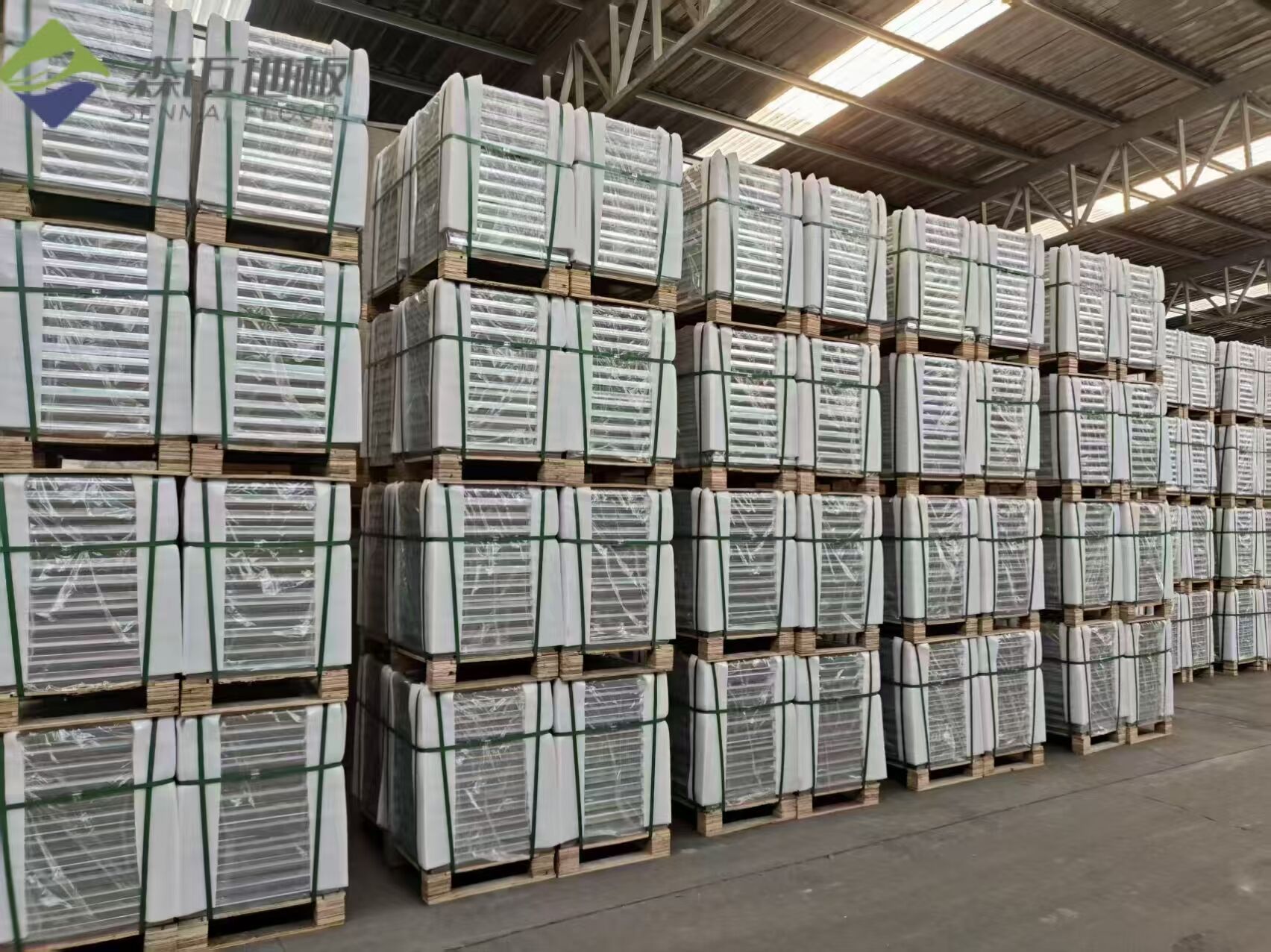
اہم کارکردگی کے اشاریہ جات (KPIs) کو مدنظر رکھنا بلند شدہ دفتری فرش کی تنصیب کو بجٹ کے اندر رکھنے میں مدد دیتا ہے۔ دفتر کے کن مقامات پر فرش پر سب سے زیادہ پاؤں کی آمد و رفت ہوگی؟ جہاں روایتی طور پر پارٹیکل بورڈ کے بجائے مرکب مواد کا استعمال کیا جاتا ہے، وہاں مرکب مواد کم سے کم 1500 کلوگرام فی مربع میٹر وزن والے دفتری فرنیچر کے باوجود آسانی سے دب نہیں جاتا۔ مصنوعات کی خصوصیات طے کرتے وقت، EN 12825 کے معیار کے مطابق ہونے کی تصدیق ضرور کریں، کیونکہ اس معیار میں سٹیٹک لوڈ کے لیے کم از کم 2.5 کلو نیوٹن فی مربع میٹر اور نقطہ وار لوڈ (لوڈز) کے لیے تقریباً 3.5 کلو نیوٹن کی حد نصاب مقرر کی گئی ہے۔ مستقبل میں درپیش ہونے والی تبدیلیوں کے لیے اضافی جگہ چھوڑنے کو نہ بھولیں۔ ہوا کے بہاؤ کے انتظامی نظام کے لیے پینلز کم از کم 50 فیصد سوراخ دار ہونے چاہئیں تاکہ ہوا کا مناسب بہاؤ ممکن ہو سکے اور پینلز کافی مضبوطی برقرار رکھ سکیں۔ فرش کے ذریعے بجلی اور ڈیٹا کنکشن تک رسائی کے لیے کافی وسائل کا انتظام کریں، بجائے اس کے کہ پینلز پر بعد میں ایڈاپٹیشنز کو ایک غیر منصوبہ بندی شدہ اقدام کے طور پر کیا جائے۔
متحدہ راستہ صلاحیت: کیٹ 8.2/پوئی++ اپ گریڈز کے لیے 40% اضافی صلاحیت
رسائی کی فریکوئنسی کی ضروریات: بے ٹول پینل کو ہٹانا آئی ٹی حل تک رسائی اور دیکھ بھال کو بہتر بناتا ہے
منصوبہ زندگی کے دوران لاگت کا تجزیہ ظاہر کرتا ہے کہ مناسب خصوصیات کا تعین 10 سالہ عرصے میں ری ایکٹو تبدیلیوں کے مقابلے میں دیکھ بھال کو کم کرنے میں 32% زیادہ موثر ہے۔ برطانیہ کے عمارتی ضوابط کو پورا کرنے کے لیے پھسلن روکنے کی صلاحیت (R9–R11 DIN 51130) اور آگ کی درجہ بندی (کلاس A1 EN 13501-1) کی تصدیق ایک ساتھ کریں۔
بلند شدہ فرش کی نصب کاری کے لیے اہم منصوبہ بندی کی غلطیاں اور ممکنہ حل
پیڈسٹل اور کیبل کے حوالے سے زیادہ یا کم خصوصیات کا تعین
بلند شدہ فرش کی منصوبہ بندی کرتے وقت، ساختی حمایت اور کیبلز کے انتظام کے درمیان بہترین توازن تلاش کرنا ضروری ہے۔ مواد کے استعمال کو زیادہ سے زیادہ مقرر کرنا اور پیڈسٹل کی کثافت کو 15-25% تک بڑھانا کوئی واضح فائدہ نہیں دیتا، جبکہ کیبلز کی تعداد کا غلط اندازہ لگانا پینلز کے نیچے خطرناک اور بھرے ہوئے کیبلز کے ذخیرہ کا باعث بنے گا۔ دفتر کا موجودہ ماحول درج ذیل کو تقاضا کرتا ہے:
- بہترین فاصلہ کے ساتھ پیڈسٹلز اور 600x600 ملی میٹر سے زیادہ کے گرڈز کی ضرورت نہیں ہوگی
- ماڈیولر ریس وے کافی ہوں گی اور روایتی طریقے کے مقابلے میں 40% زیادہ کیبلز کو سنبھال سکیں گی
- کیبلز کی سالانہ نمو کی منصوبہ بندی میں آئیوٹی (IoT) کو شامل کرنا چاہیے، جس کی سالانہ نمو 30% متوقع ہے (گارٹنر 2024)
- مرحلہ وار کیبل راستے ٹیکنالوجی کی تجدید کے ساتھ ہم آہنگ ہونا ضروری ہیں، تاکہ دوبارہ تنصیب کے اخراجات سے بچا جا سکے اور یو ایف اے ڈی (UFAD) نظام کے لیے ہوا کے بہاؤ کو برقرار رکھا جا سکے
فیک کی بات
دفتر میں بلند شدہ فرش نظام کا مقصد کیا ہے؟
ایک اُٹھائے ہوئے فرش سسٹم کا مقصد بجلی، ڈیٹا اور HVAC سسٹمز کو آسانی سے نصب کرنے کی اجازت دینا اور مستقبل میں لچکدار دوبارہ ترتیب کے لیے امکان فراہم کرنا ہے۔
میں کیسے یقینی بناؤں کہ اُٹھائے ہوئے فرش کا منصوبہ حفاظتی معیارات پر پورا اتر رہا ہے؟
اپنے منصوبے کو ضروری معیارات پر پورا اترنے کے لیے، اپنی ڈیزائن میں متعلقہ معیارات کو شامل کریں۔ مثال کے طور پر، بوجھ برداشت کرنے کی صلاحیت کے لیے EN 12825 کو شامل کیا جانا چاہیے، نمی کی سطح کے ٹیسٹنگ کے لیے ASTM F1869 کو شامل کیا جانا چاہیے، اور آپ کی ڈیزائن میں فرش کی ساختی مضبوطی کے لیے مناسب منصوبہ بندی اور مواد کے درست انتخاب کو بھی شامل کیا جانا چاہیے۔
انڈرفloor ائیر ڈسٹری بیوشن (UFAD) کیا فائدے فراہم کرتی ہے؟
انڈرفloor ائیر ڈسٹری بیوشن (UFAD) تمام اوپر ذکر کردہ فوائد فراہم کرنے کے علاوہ، سروں کے اوپر والے سسٹمز کے مقابلے میں 15-20% زیادہ توانائی کارآمد ہونے کا اضافی فائدہ بھی فراہم کرتی ہے۔