
 EN




Understanding the Factors That Influence Raised Flooring Lead Time
When planning a construction project, one of the most common questions customers ask a raised flooring manufacturer is: How long will it take to receive the flooring system?
The answer depends on several factors, including product type, project size, customization requirements, production capacity, and shipping arrangements. Unlike standard building materials, raised access flooring systems often need to be manufactured according to specific project requirements, including panel dimensions, surface finishes, load capacity, and application conditions.
A reliable manufacturer understands that delivery time is not only about production speed. It is also about maintaining consistent product quality while ensuring that every component meets project specifications.
In many commercial and industrial projects, delays in flooring delivery can affect installation schedules, equipment setup, and overall project completion. For example, a data center construction project may require raised flooring before server installation can begin. If the flooring system arrives late, other stages of the project may also be delayed.
From practical experience, the fastest projects are usually those where customers communicate their requirements clearly at an early stage. Providing accurate information about floor area, application environment, technical requirements, and delivery location helps manufacturers prepare production plans more efficiently.
Choosing an experienced raised flooring manufacturer allows customers to better control project timelines and reduce unexpected delays.
Standard Production Time for Different Raised Flooring Solutions
The typical lead time for raised flooring depends on the type of flooring system required.
For standard raised access flooring products that are commonly available and require limited customization, production can usually be completed within a relatively short period after order confirmation. However, larger projects or customized flooring solutions may require additional manufacturing time.
Different materials also have different production processes. Steel raised flooring requires precise forming, surface treatment, and quality inspection to ensure structural strength. Calcium sulfate raised flooring requires careful control of core material production and panel finishing. Aluminum raised flooring involves specialized manufacturing processes to achieve accurate dimensions and reliable performance.
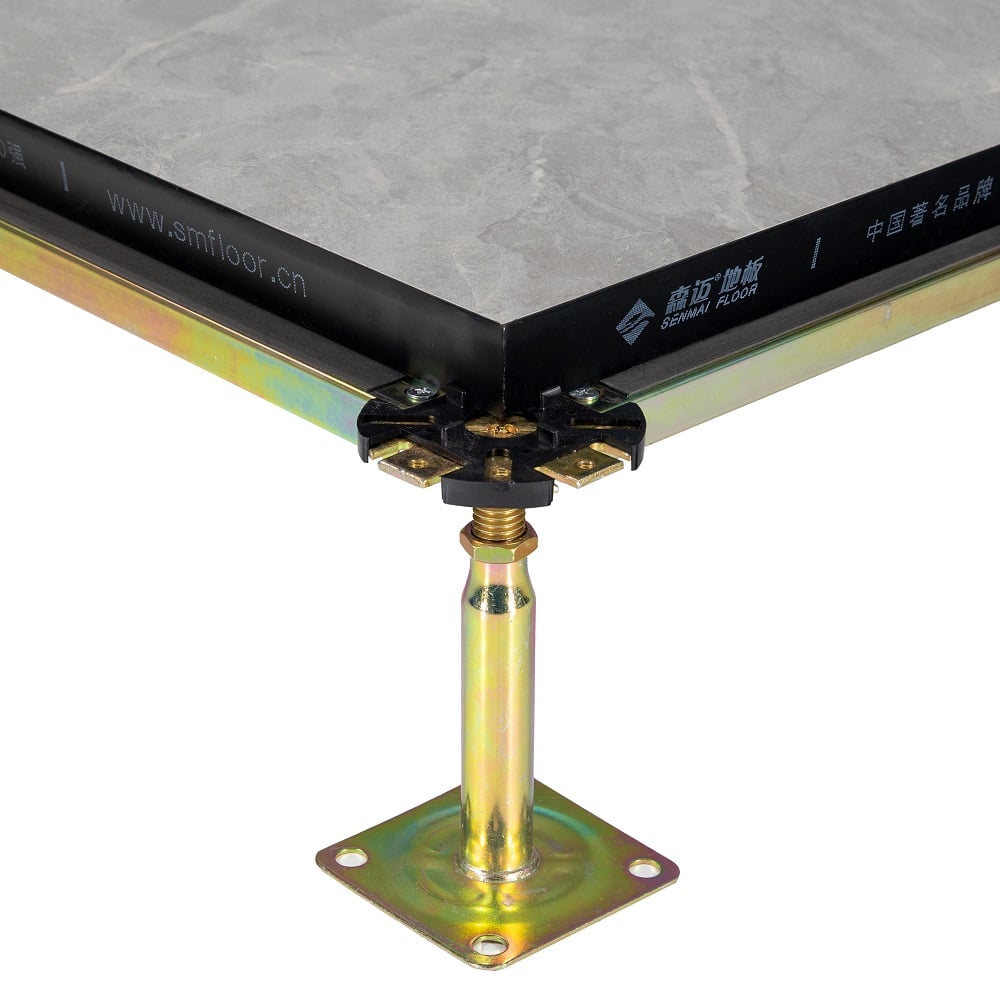
As a professional raised access flooring manufacturer, Senmai Flooring provides various flooring solutions, including steel raised flooring, calcium sulfate raised flooring, aluminum raised flooring, and anti-static raised access flooring systems.
By using organized production processes and strict quality control procedures, Senmai focuses on providing stable product quality while meeting different project schedules.
For customers with urgent requirements, early communication with the manufacturer is essential. A professional supplier can evaluate production capacity, material availability, and shipping conditions to provide a realistic delivery schedule.
How Custom Requirements Affect Manufacturing Time
Customization is one of the main factors that can influence raised flooring lead time.
Many projects require flooring systems designed for specific environments, such as data centers, cleanrooms, laboratories, and industrial facilities. These applications may require special features, including:
- Customized panel sizes
- Different surface finishes
- Higher load capacity
- Anti-static performance
- Special support structures
- Specific installation requirements
While customization provides better performance and application suitability, it may require additional engineering, material preparation, and production procedures.
For example, a cleanroom project may require flooring with strict surface requirements and anti-static performance. A data center project may need higher load-bearing capacity to support heavy equipment. These technical requirements must be carefully considered before production begins.
Senmai Flooring works closely with customers to understand project requirements and provide suitable raised flooring solutions. Through professional technical support and manufacturing experience, the company helps customers balance customization needs with delivery expectations.
A clear communication process between customers and manufacturers is one of the most effective ways to avoid unnecessary delays.
Quality Control and Production Management Ensure Reliable Delivery
Fast delivery is important, but product quality should never be sacrificed for speed.
A professional raised flooring manufacturer needs to maintain strict quality control throughout the production process. Each stage, from material selection and panel manufacturing to surface treatment and final inspection, affects the reliability of the finished product.
Poor production management may result in problems such as inconsistent panel dimensions, surface defects, or structural issues. These problems can create additional costs and delays during installation.
Experienced manufacturers use standardized production procedures to improve efficiency while maintaining product quality. Advanced manufacturing equipment, skilled technicians, and systematic inspections all contribute to more predictable delivery schedules.
At Senmai Flooring, quality management is an important part of the manufacturing process. The company focuses on producing reliable raised access flooring systems that meet the requirements of different industries.
By combining efficient production management with quality assurance, manufacturers can provide customers with both dependable products and more accurate lead times.
How to Shorten Project Delivery Time When Working with a Manufacturer
Customers can also take several steps to improve delivery efficiency when ordering raised flooring systems.
The first step is preparing project information in advance. Providing details such as floor area, application type, required load capacity, surface finish, and installation location helps manufacturers create accurate production plans.
The second step is selecting a manufacturer with sufficient production experience and technical capability. A reliable supplier can provide better communication, faster problem-solving, and more predictable delivery schedules.
The final step is maintaining clear communication throughout the entire process. Regular updates between customers and manufacturers help identify potential issues before they affect the project timeline.
Senmai Flooring specializes in manufacturing raised access flooring solutions for global customers in commercial, industrial, and technical environments. With professional production capabilities and experience in different flooring applications, Senmai provides solutions designed for quality, reliability, and efficient project delivery.
Ultimately, the lead time of a raised flooring system depends on many factors, but choosing the right manufacturer can make the entire process smoother. A professional supplier does not simply provide products; they support customers throughout the project lifecycle, helping ensure successful installation and long-term performance.
Table of Contents
- Understanding the Factors That Influence Raised Flooring Lead Time
- Standard Production Time for Different Raised Flooring Solutions
- How Custom Requirements Affect Manufacturing Time
- Quality Control and Production Management Ensure Reliable Delivery
- How to Shorten Project Delivery Time When Working with a Manufacturer