
 EN
EN




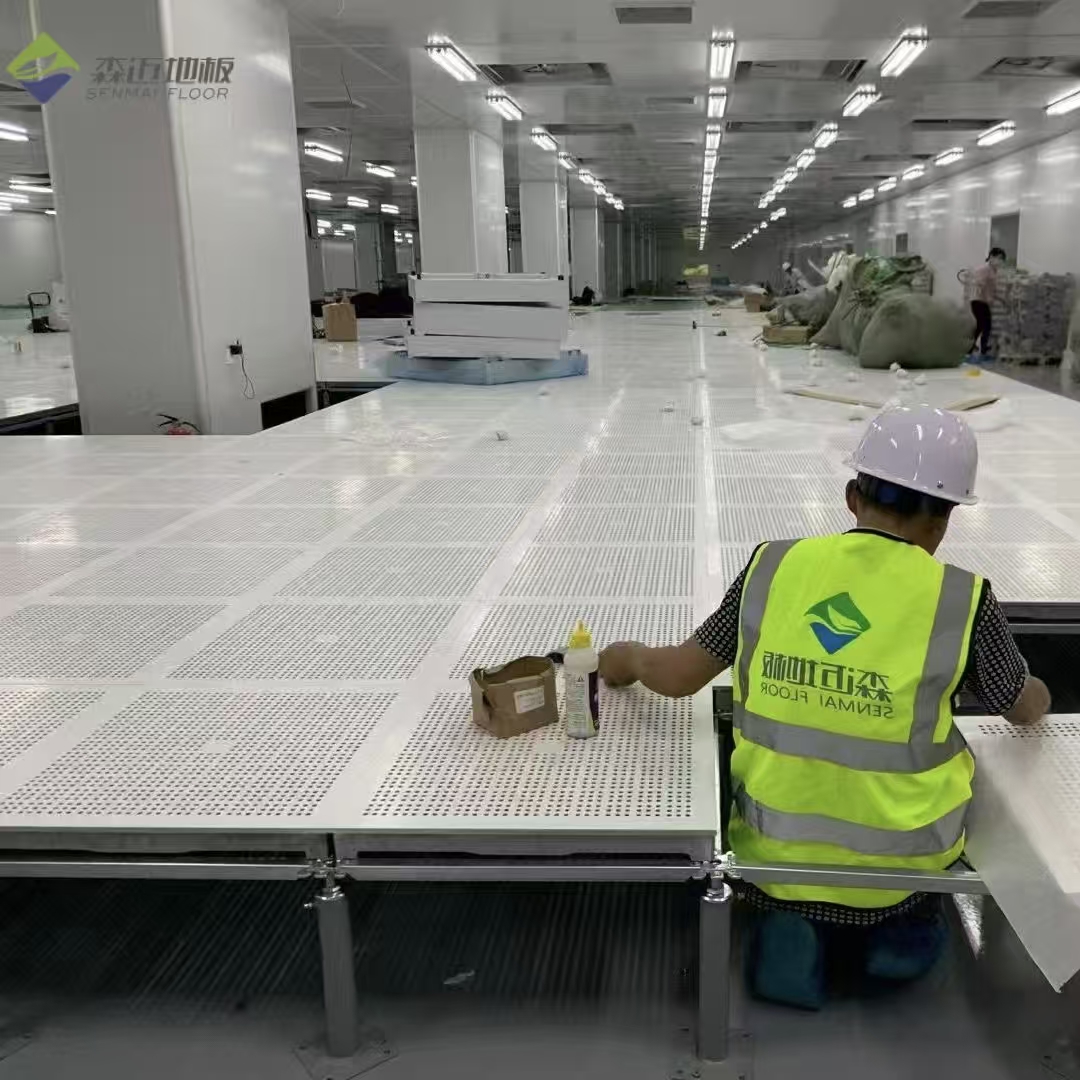
On Site Realities from High Tech Microchip Manufacturing Lab Setups
Supervising a massive component manufacturing facility upgrade for a top tier semiconductor provider in Austin last spring showed me that picking wrong panel coverings always invites expensive micro-circuit failures. Our engineering team faced an urgent operational crisis because a newly contracted supplier provided standard vinyl sheets that accumulated high surface charges under dry air conditions, proving that analyzing what are the best materials for anti-static clean room floors is a fundamental first step for advanced facility management. Layering delicate electrostatic discharge areas with generic industrial coverings without specialized ground paths leads to continuous electrical damage that ruins your manufacturing output and compromises critical research development loops. Once we stripped off those standard sheets and reinstalled high precision steel encapsulated raised assemblies featuring continuous conductive tile layers, the localized product defects dropped to zero. This practical cleanup project convinced me that moving away from basic floor materials to fully integrated dissipative network systems completely shields sensitive electrical systems. To avoid unexpected microchip damage during high precision industrial production cycles, studying what are the best materials for anti-static clean room floors should be a core focus for structural development teams.
Electrochemical Mechanics and Subsurface Dissipation Networks
Diving deep into the electrical physics and industrial chemistry of controlled environment architecture requires a thorough analysis of surface resistance metrics, particle emission thresholds, and mechanical load limits. To accurately evaluate what are the best materials for anti-static clean room floors, cleanroom engineering consultants must calculate how specialized high density steel panels and advanced calcium sulfate cores handle continuous rolling machine weights without altering their electrical path properties. For instance, premium raised floor systems require specialized conductive vinyl coverings or high pressure laminates that maintain a tight surface resistance range of ten to the sixth to ten to the ninth ohms, allowing static friction charges to drain safely into the copper earthing network beneath the floor matrix. Additionally, studying these technical metrics involves evaluating particle contamination limits, where non flaking, non porous surfaces prevent dangerous microscopic dust buildup inside the airflow streams. When specialized manufacturing directors develop elite raised flooring options, utilizing zero VOC carbon conductive backing materials ensures long term electrostatic protection without releasing harmful chemicals into the sealed room. By analyzing these complex structural configurations beforehand, development specialists can easily guide tech companies toward highly reliable cleanroom environments.
International Cleanroom Compliance Standards and Regulatory Frameworks
According to formal cleanroom engineering protocols published by worldwide validation organizations like the Institute of Environmental Sciences and Technology, maintaining a fully verified dissipative walking surface is an absolute requirement for passing standard ISO class certifications. Cleanroom safety inspectors frequently point out that using weak, uncertified ground tiles inside advanced laboratory facilities increases corporate product failure rates significantly, which is why investigating what are the best materials for anti-static clean room floors remains a vital component during initial property engineering. Official manufacturing facility manuals explicitly state that asset management teams must follow strict ESD Association guidelines, ensuring they track these essential performance properties to minimize structural electrical resistance drift over years of intense laboratory operations. Static control specialists constantly note that selecting fully certified modular panels reduces structural waste during facility updates while keeping your physical workspace fully compliant with international microelectronics manufacturing regulations. Adhering to these strict manufacturing benchmarks allows development directors to guarantee complete safety and pass standard global facility audits.
Methodical Application Steps for Flawless Cleanroom Floor Deployment
Executing a highly reliable and completely seamless static control floor installation involves following a clear sequence of practical preparation steps to preserve system durability across decades of laboratory use. Construction crews should always perform a complete understructure leveling check on the bare concrete subfloor before securing adjustable steel pedestals, allowing them to adapt to custom height variables without introducing structural wobbling into the active laboratory layout. When positioning tailored finishes like premium steel encapsulated plates or high density wood core tiles, connecting copper grounding strips directly to the structural frames ensures that static charges move downward without hitting an unexpected resistance wall. Securing your network layout maps with updated digital placement logs stabilizes future infrastructure maintenance cycles, allowing your facilities team to handle quick corporate equipment upgrades smoothly. Understanding these basic practical handling rules ensures that cleanroom technicians construct robust underfloor networks that handle continuous organizational shifting while ensuring that analyzing these high-performance materials remains an easy task.
Elite Structural Solutions for Advanced High Tech Workspaces
Achieving an exceptionally clean, perfectly aligned, and thoroughly safe static dissipative cleanroom workspace ultimately depends on sourcing your modular building components from a trusted industry pioneer focused on strict quality control. This is exactly where our advanced cleanroom solutions at Senmai Flooring deliver immense value, providing top tier steel encapsulated panels, high density calcium sulfate structures, and specialized anti static finishes engineered to help you instantly understand what are the best materials for anti-static clean room floors while optimizing your industrial facility. When international tech developers deploy our premium structural floor networks, they enjoy highly consistent load capacities, superior grounding efficiency, and true dimensional accuracy that allows for effortless space modifications in any modern microchip lab worldwide. Our comprehensive industrial portfolio features precision stamped steel panels, non outgassing conductive tiles, and robust adjustable pedestal supports, making it simpler than ever to maintain structural and electrical integrity under changing technical demands. Relying on our specialized production capabilities ensures your workplace upgrades pass every strict building audit with absolute perfection.
Table of Contents
- On Site Realities from High Tech Microchip Manufacturing Lab Setups
- Electrochemical Mechanics and Subsurface Dissipation Networks
- International Cleanroom Compliance Standards and Regulatory Frameworks
- Methodical Application Steps for Flawless Cleanroom Floor Deployment
- Elite Structural Solutions for Advanced High Tech Workspaces