
 EN
EN




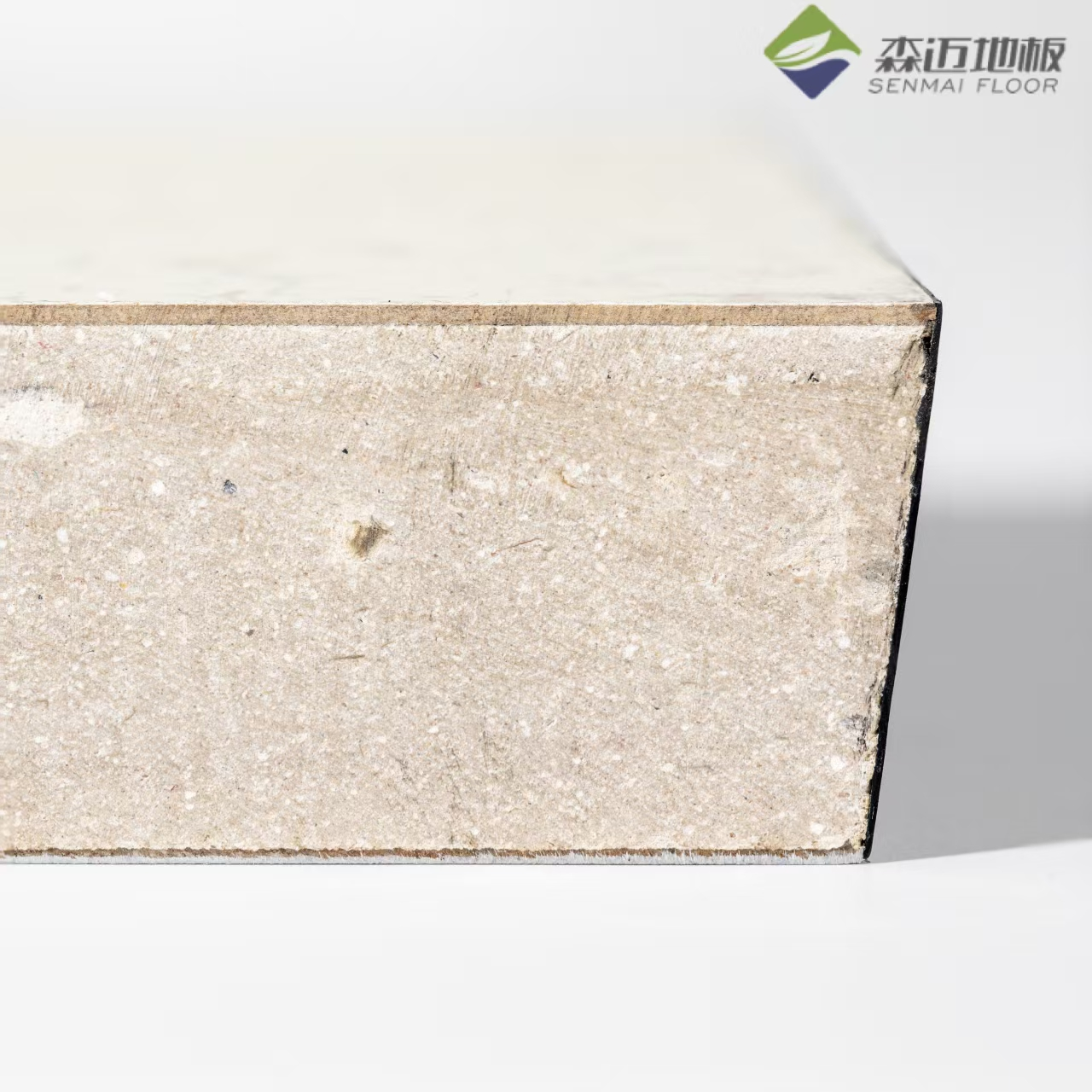
Durability and Real-World Surface Performance in High-Traffic HPL Raised Access Floor Applications
Resistance to abrasions, scratches, wear, and sustained pedestrian traffic and rolling loads
High-pressure laminate (HPL) raised access floors have excellent properties of resistance to abrasion in the consideration of challenging areas such as data centers or hospitals. Independent testing demonstrates that HPL can also withstand more than 1,500 Taber abrasion cycles before considerable wear, which is 40% more than the performance of PVC in high-traffic areas. HPL's non-porous surface prohibits the embedding of abrasive particles, which is a key factor in the acceleration of wear of softer materials. This supports the overall reduction of maintenance costs in the presence of continuous movement of equipment.
Resistance to impacts: HPL (EN 438-2) vs. PVC (ASTM D4065) vs. ceramic (ISO 10545-5) — a subjective analysis of the data
Impact Resistance relies significantly on the specific material of the flooring in question in relation to real-world scenarios:
HPL: absorbs 9 joules impact without cracking
PVC: absorbs 5 joules impact but shows permanent deformation
Ceramics: break and crack at 3 joules punctual impacts
Material Standard of Testing Tolerance of Critical Failure Real-World Failure Vulnerability
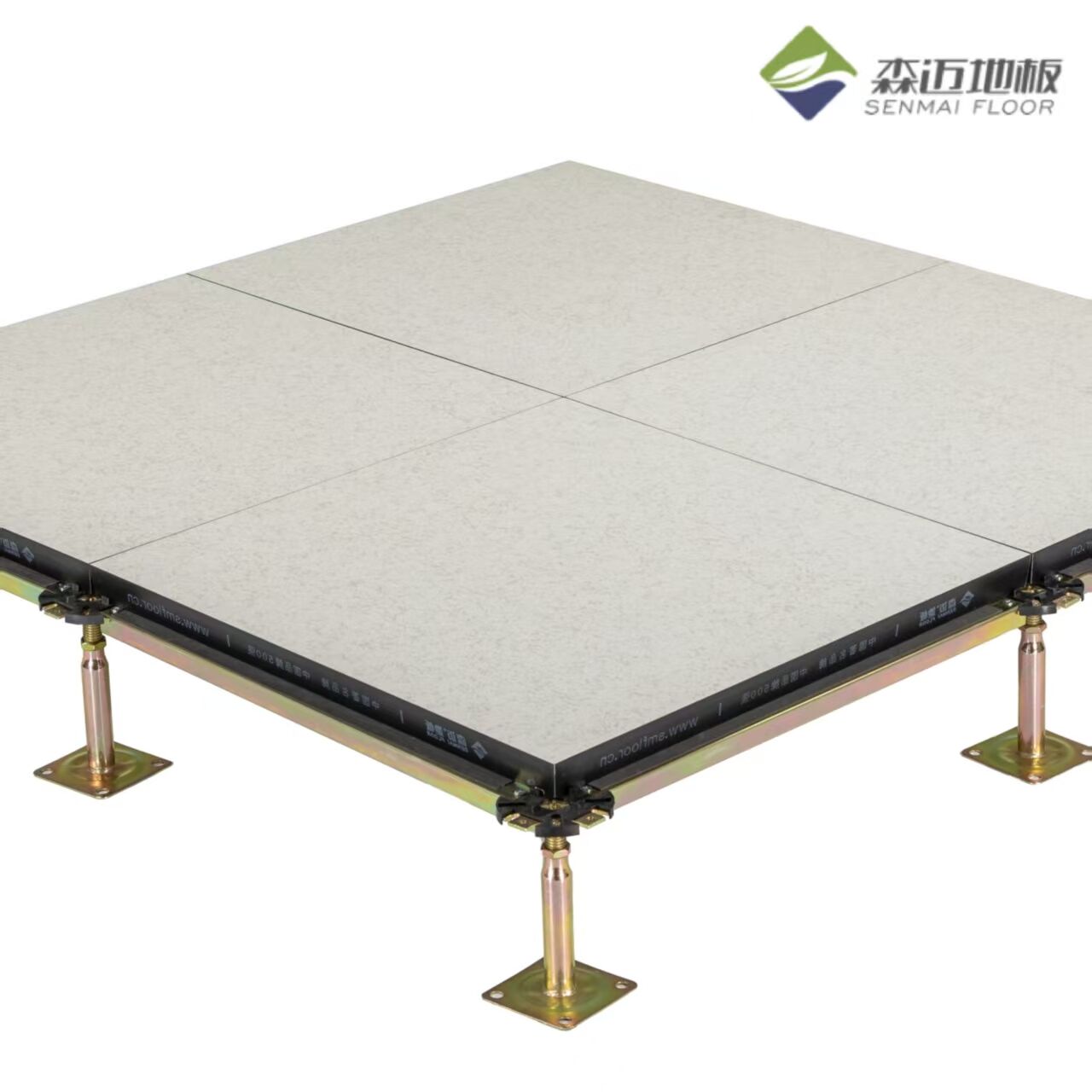
HPL EN 438-2 9J impact energy Electrical Tool Drops During Maintenance
PVC ASTM D4065 5J impact energy Rolling Equipment Impacts
Ceramic ISO 10545-5 3J impact energy Corner Impacts from Trolleys
This impact resistance explains the structural integrity of HPL raised access Flooring in the presence of Storage Carts that are used to transport materials in a Hospital to cover all Flooring in a Room.
Why Ceramic Hardness ≠ Enhanced Longevity in Dynamic Raised Access Floor Environments
Ceramics rank high in Mohs hardness at 7 to 8, but their inflexibility can result in significant drawbacks when used in a raised floor system. With fracture toughness ranging from 1.5 to 2.5 MPa√m, ceramics are susceptible to brittle failure due to flexing of the substrate, impact from falling tools, or thermal expansion stress within HVAC zones. The Facility Maintenance Report 2023 found that ceramic tiles were replaced 73% more often than HPL in data center aisles. In environments with dynamic access floors, the flexibility of a material is a more important factor in determining longevity than its hardness.
Fire Safety and Risk Mitigation of HPL for Raised Access Floor Systems
Comparison of reaction-to-fire classifications: EN 13501-1 Class B-s1,d0 (HPL) vs. Class C/D (PVC) vs. A1 (Ceramic)
The correct classification of EN 13501-1 is critical for fire safety in raised access floors. HPL surfaces typically fall within Class B-s1,d0, demonstrating very limited flame spread and negligible smoke production, therefore, compliance with the majority of commercial and institutional building regulations is achieved. Meanwhile, PVC finishes fall within Classes C and D, showing increased flame spread and measurable smoke output. Although ceramic tiles are rated non-combustible A1, overall system performance must be assessed through the core and substructure. An HPL raised access floor with a Class B-s1,d0 surface in an office or data-center environment achieves a significant fire safety risk reduction. When combined with cavity fire barriers and suppression systems, the safety gap between B and A1 is significantly reduced, helping designers to better balance fire safety with cost, appearance, and fulfillment of regulatory requirements.
Impacts of Plenum Smoke Toxicity, Flame Spread, and Cavity Fire Behavior
When it comes to Plenum Cavity, HPL is on another level compared to others. While PVC provides little protection to sensitive devices and evacuation, HPL vaporizes and shrinks, PVC shrinks and releases dense, toxic smoke when exposed to flame. HPL releases far less dense smoke and maintain fire structural integrity. HPL has class S1 flame behavior and low smoke developed rating which provides low flame and smoke. With disciplined cable management and intumescent barriers, HPL Systems improve the code and occupant protection provisions of modern buildings for fire and smoke behavior.
Importance of Maintaining Cleanliness and Hygiene in Sensitive/ Critical Places
Especially in healthcare and laboratory work, the hygiene of the floor coverings is a major factor in the prevention of cross-contamination. HPL on raised access floors provides a seamless, uninterrupted surface that is non-porous. PVC, on the other hand, allows the growth of bacteria and is too flexible, which allows micro-cracks after scrubbing harshly. HPL has superior chemical resistance maintaining integrity of the surface after multiple disinfections. A HPL surface improved with static-dissipative properties ensures that dust and particles are attracted to the surface and therefore easily removed, allowing the facility to meet the requirements for Class 5 to 8 ISO standards without the application of additional coatings to the floor.
Moisture, Thermal, and Dimensional Stability for Long-Term Reliability of HPL Raised Access Floors
Raised access floors are vulnerable to high humidity. Variability of temperature and moisture in the environment leads to expansion and contraction. These stresses lead to failure of the substrate. Raised access floors are constructed using High Pressure Laminate (HPL). Ceramic systems and PVC systems expand out of shape with changes in the environment. HPL does not expand out of shape with changes in the environment.
Performance under 95% RH, thermal cycling, and substrate movement: HPL vs. PVC vs. ceramic tile
Material Moisture Resistance (95% RH) Thermal Cycling Stability Substrate Movement Tolerance
HPL < 0.3% dimensional change Minimal expansion High flexibility
PVC Up to 1.5% swelling 1.5–2% expansion Moderate flexibility
Ceramic Negligible absorption No expansion Low (cracking risk)
Certified tests on PVC show that under certain thermal conditions the plasticizers evaporate causing rapid deterioration, especially with strong heating and cooling cycles of the air. The rigidity of ceramic systems causes failure of grouts when the floor settles, resulting in a trip hazard. For mission-critical applications HPL systems perform the best under the most demanding conditions.
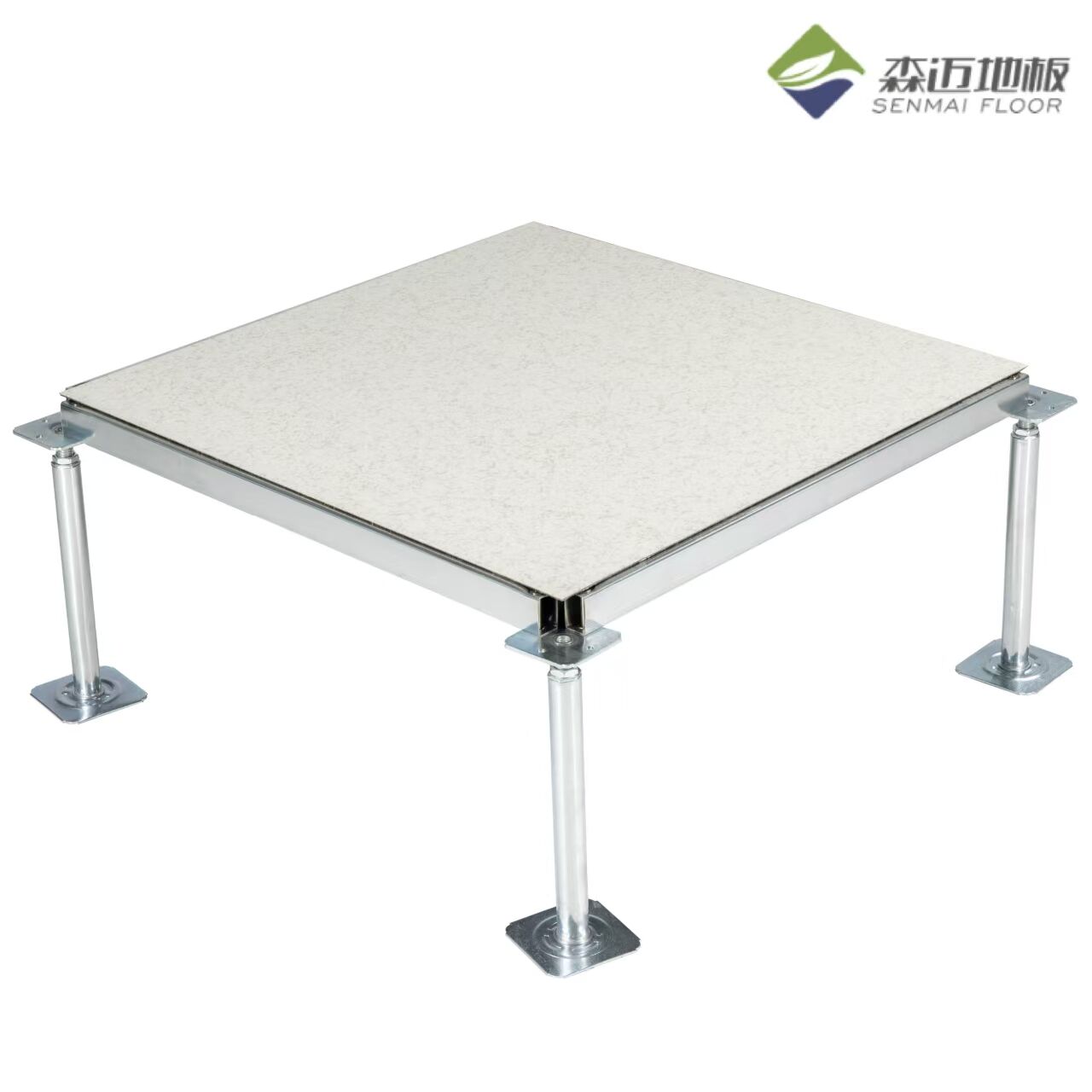
Lifecycle Cost Efficiency of HPL Raised Access Floor Finishes
HPL Raised Access Floors: Speed, Maintenance, Replacement Labor, and Operational Impact Over 5 Years
Comparing life cycle costs of HPL raised access floor finishes vs. PVC and ceramic finishes, HPL proves superior. Due to its modular design, HPL can be installed 30% faster compared to ceramic tiles, leading to a significant reduction in labor costs. Maintenance is required the least of the three options; HPL only needs periodic damp mopping while PVC needs quarterly waxing and ceramic requires special cleaning of the ceramic grout. Replacement of HPL is also the easiest; individual panels can be replaced in a matter of minutes with no disturbance to the surrounding panels, resulting in zero operational impact. This is in contrast to ceramic systems which require full section demolition to replace, and HPL's full area recoating. All of this results in a total cost of ownership over a five year period that is 25-35% lower than the other options.
FAQ
What is HPL and how does it compare to PVC and ceramic?
HPL stands for High-Pressure Laminate. HPL is a product for raised access floors in high-traffic areas and is comprised of multiple layers. Of the three, HPL is the cost and performance balance winner.
Is HPL suitable for high-humidity environments?
HPL performs best in humid conditions, 95% relative humidity, as shown in testing per standard EN 438.
How fire-safe are raised access floors with HPL finishes?
HPL finishes are rated a Class B-s1,d0, per standard EN 13501-1. Flame spread is rated low with very little smoke emitted. When used with fire containment, and fire suppression systems, HPL finishes are compliant with the requirements.
Can HPL hold heavy machinery and rolling loads?
Definitely, HPL's impact resistance and structural stability means it can stand up to heavy equipment usage in data centers, hospitals, and industrial areas.
What can you say about HPL's hygiene in critical environments?
HPL can resist microbes, it's easy to clean, and it can even support ISO Class 5-8 cleanroom standards, which is why it's considered one of the most hygienic building materials.