
 EN




Why Partnering with a Specialized Raised Floor Factory Matters
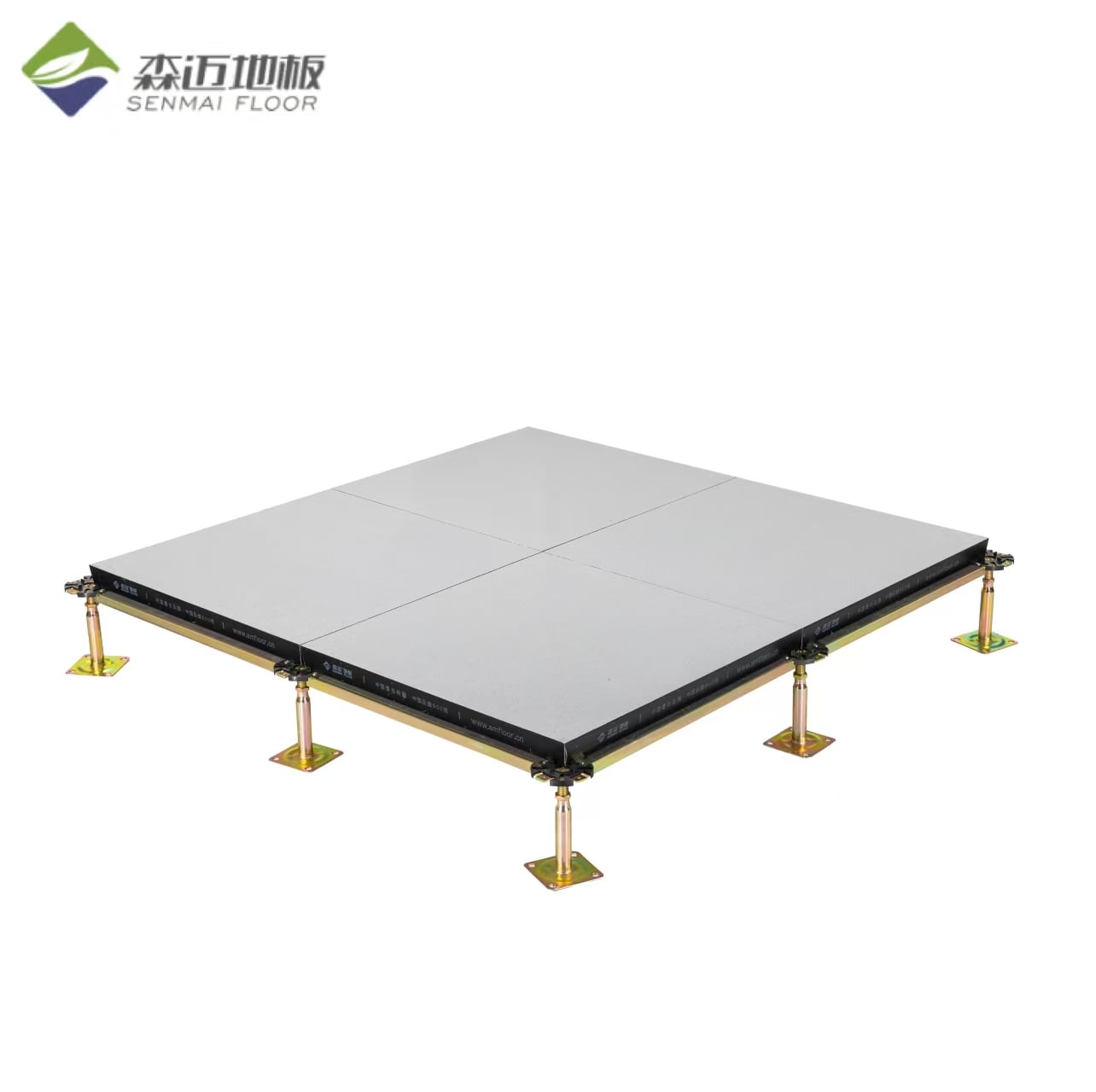
Partnering with a specialized raised floor factory transforms a basic procurement decision into a long-term infrastructure advantage. General construction material suppliers often lack the nuanced understanding of access flooring dynamics—particularly airflow management, static control, and load distribution—leading to performance gaps that compromise critical environments. A dedicated factory embeds these requirements into every production run: ISO-certified manufacturing ensures consistent panel flatness and pedestal calibration, directly reducing on-site installation errors and costly callbacks. Custom engineering support is built-in—not bolted on—enabling modifications to panel dimensions, height ranges, or conductive finishes to meet exacting data center or cleanroom standards. Traceable raw material sourcing and comprehensive factory testing deliver floors engineered to withstand thousands of equipment roll loads over decades. This specialization also streamlines after-sales service and ensures global compliance with benchmarks like TIA-942 and ASTM. In effect, choosing a focused raised floor manufacturer means you’re not just buying panels—you’re securing a reliable, performance-driven system that minimizes downtime and protects mission-critical IT infrastructure. The collaboration shifts risk away from your project and onto a partner that lives and breathes raised floor solutions.
Key Capabilities to Evaluate in a Raised Floor Factory
When vetting a raised floor factory, two capabilities determine long-term reliability: ISO-certified manufacturing precision and responsive custom engineering. These fundamentals directly influence load safety, dimensional stability, and project-specific adaptability—protecting data centers and commercial spaces from expensive retrofits or operational interruptions.
Precision Manufacturing and ISO-Certified Production Lines
ISO 9001-certified facilities maintain strict dimensional tolerances on every panel and pedestal. Automated panel welding lines, laser cutting, and CNC-controlled edge finishing ensure consistent flatness and squareness—preventing rocking, gapping, or uneven load transfer under heavy equipment. A 2023 industry survey found floors manufactured in certified plants show 40% fewer leveling defects over a five-year lifecycle than uncertified alternatives. Verify that the factory monitors key parameters—including powder coating thickness, weld integrity, and panel deflection—in-line, not just in batch samples. This disciplined process guarantees the deck meets both static and dynamic load ratings required by modern server racks.
Custom Engineering Support for Load, Height, and Finish Requirements
No two server rooms are identical. A competent factory provides dedicated engineering teams to tailor static load capacity (to 2,500 kg/m² or more), pedestal height ranges, and surface finishes—including high-pressure laminate for rolling loads, conductive vinyl for static dissipation, or perforated panels for optimized airflow. Factory-based structural analysis simulates real-world forces, ensuring the floor system passes concentrated load tests per ASTM E1265 and EN 12825. This level of support reduces on-site cutting and welding, shortening installation time by up to 15%, according to project managers. Choose a partner that collaborates from design review through final factory acceptance testing to eliminate field surprises.
How a Trusted Raised Floor Factory Ensures Project Success
A reliable raised floor factory turns a specification into a secure, high-performing installation by combining strict quality oversight with flawless logistics. This dual focus minimizes on-site surprises and keeps data center or commercial timelines intact.
End-to-End Quality Control from Raw Material Sourcing to Packaging
Trusted manufacturers inspect incoming steel, aluminum, or calcium sulfate for tensile strength and surface integrity before production begins. In-line checks verify panel flatness, weld consistency, and pedestal threading at every stage. Finished floors undergo static and rolling load tests aligned with project requirements—validated against ASTM E1265 and EN 12825—then are packed in protective, moisture-resistant wrapping. This end-to-end chain reduces defect rates and ensures each floor panel and pedestal arrives ready for immediate, error-free assembly.
Logistics Efficiency and Global Compliance (CE, UL, ASTM)
Top factories coordinate container loading, palletization, and ocean or air freight to deliver floors on schedule. Packaging prevents transit damage, while clear labeling simplifies on-site inventory management. Products comply with CE (Conformité Européenne), UL (Underwriters Laboratories), and ASTM standards—meeting mandatory safety and performance benchmarks across North America, Europe, and APAC markets. This seamless, compliant logistics approach eliminates border delays and supports multi-site rollouts without disruption.
Red Flags to Avoid When Selecting a Raised Floor Factory
A poor factory choice introduces project risks that can cascade from budget overruns to structural failures. Recognizing these red flags early protects both your schedule and safety margins. The most dangerous pitfall is prioritizing the lowest unit price—an estimate that undercuts the market often signals compromised core density or thinner steel, which directly reduces load capacity. Treat an absence of verifiable product testing as a critical deal-breaker: reliable supply chains provide systematic proof, such as third-party concentrated load performance and anti-static resistance reports—the only objective evidence that a panel meets its stated rating. Flimsy packaging that leads to edge damage during global transit can delay an entire data center build-out by months. A factory that refuses to disclose production lead times or lacks on-the-ground project references is likely masking inconsistent output capacity. According to the 2025 Raised Floor Procurement Trends Review, only 18% of buyers prioritized verification of raw material sourcing during pricing audits—a gap that exposed them to mid-project quality shifts. Selecting a partner that operates with transparency in certifications and quality control documentation remains the definitive shield against these threats.
Frequently Asked Questions (FAQs)
Why is ISO certification important for raised floor factories?
ISO certification ensures consistent production quality, minimizing defects such as uneven load distribution or leveling gaps. It guarantees the factory adheres to international standards for precision manufacturing.
How can custom engineering support improve raised floor systems?
Custom engineering allows factories to tailor panels to specific requirements, such as load capacity, height ranges, and surface finishes, ensuring optimal performance for data centers or cleanrooms.
What should I look for when evaluating a raised floor factory?
Focus on ISO certification, product testing data, raw material sourcing transparency, and the factory's ability to provide detailed engineering support throughout the project.
What risks are associated with choosing the lowest-cost manufacturer?
Low-cost estimates often signal compromised material quality or lack of testing, which can lead to structural failures, delayed timelines, and long-term performance issues.
How does logistics efficiency affect project success?
Efficient logistics ensure timely delivery, damage-free transit, and clear inventory management, reducing the risk of project delays and complications during installation.
Table of Contents
- Why Partnering with a Specialized Raised Floor Factory Matters
- Key Capabilities to Evaluate in a Raised Floor Factory
- How a Trusted Raised Floor Factory Ensures Project Success
- Red Flags to Avoid When Selecting a Raised Floor Factory
-
Frequently Asked Questions (FAQs)
- Why is ISO certification important for raised floor factories?
- How can custom engineering support improve raised floor systems?
- What should I look for when evaluating a raised floor factory?
- What risks are associated with choosing the lowest-cost manufacturer?
- How does logistics efficiency affect project success?