
 EN
EN



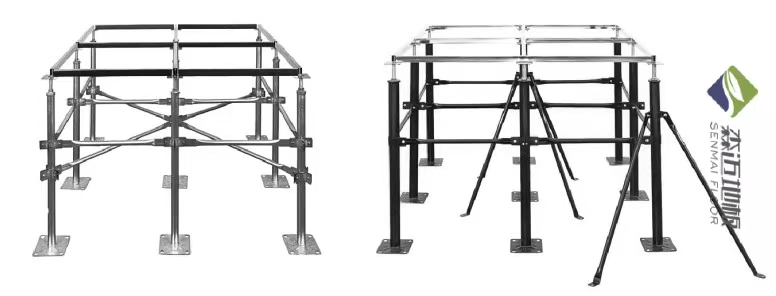
आधुनिक वाणिज्यिक वास्तुकला और डेटा केंद्र इंजीनियरिंग में, एक मॉड्यूलर फर्श नेटवर्क के लिए विनिर्देशन करते समय प्रारंभिक लोड रेटिंग्स के साथ-साथ दीर्घकालिक अनुकूलन क्षमता का भी मूल्यांकन करना आवश्यक होता है। सुविधा प्रबंधकों और संरचनात्मक इंजीनियरों के बीच एक आम और महत्वपूर्ण प्रश्न यह है कि क्या उठाए गए फ्लोर के पेडेस्टल इसे पूरी सतह के टाइल्स या पेवर्स को पूरी तरह से लगाए जाने के बाद समायोजित किया जा सकता है। इस क्षमता के वाणिज्यिक प्रभाव महत्वपूर्ण हैं। भवन प्राकृतिक रूप से समय के साथ हल्के संरचनात्मक अवसाद (सेटलिंग) का अनुभव करते हैं, और भारी कॉर्पोरेट उपकरणों की व्यवस्था में परिवर्तन फर्श ग्रिड पर भार वितरण को बदल सकता है। स्थापना के बाद ऊँचाई सुधार करने की तकनीकी क्षमता होने से एक पूर्णतः समतल चलने वाली सतह सुनिश्चित होती है, खतरनाक फर्श के दोलन (रॉकिंग) को समाप्त करती है, और संवेदनशील अधः-फर्श केबलिंग की रक्षा करती है, बिना संपूर्ण स्थानिक अवसंरचना को महंगे और व्यवधानकारी ढांचागत विघटन की आवश्यकता के।
स्थापना के बाद कैलिब्रेशन और क्षेत्र इंजीनियरिंग की वास्तविकताओं को समझना
संक्षिप्त उत्तर है—हाँ, विशिष्ट अधो-संरचना समर्थनों को इस प्रकार डिज़ाइन किया गया है कि भारी ऊपरी पैनलों को सुदृढ़ रूप से स्थापित करने के बाद भी ऊँचाई समायोजन संभव हो। अनुभवी प्रोजेक्ट प्रबंधकों और फर्श लगाने वाले विशेषज्ञों को यह समझ होती है कि मोटी निर्माण अवस्था के दौरान प्रारंभिक समतलन वास्तविक दुनिया के जीवित भार वितरण को लगभग कभी ध्यान में नहीं रखता है। एक बार सर्वर रैक, कार्यालय के कार्यस्थल या भारी पत्थर के पैवर्स स्थापित कर दिए जाने के बाद, व्यक्तिगत समर्थन बिंदु स्थानीय भार प्रोफाइल के आधार पर थोड़े से संपीड़ित हो जाते हैं। हाल ही में एक कॉर्पोरेट मुख्यालय परियोजना में, अधो-फर्श के स्तर का एक सूक्ष्म असंरेखण केवल वास्तुशिल्प समापन कार्य पूर्ण होने के बाद ही स्पष्ट हुआ। ग्रिड को विघटित करने के बजाय, स्थापना दलों ने पैनल जोड़ों के माध्यम से समर्थन शिकंजा-जैक तंत्र को सूक्ष्म-समायोजित करने के लिए विशिष्ट समायोजन चाबियों और पहुँच उपकरणों का उपयोग किया, जिससे न्यूनतम अवरोध के साथ पूर्ण समतलता पुनः प्राप्त की गई।
संरचनात्मक यांत्रिकी और ऊँचाई सुधार तंत्र का विश्लेषण
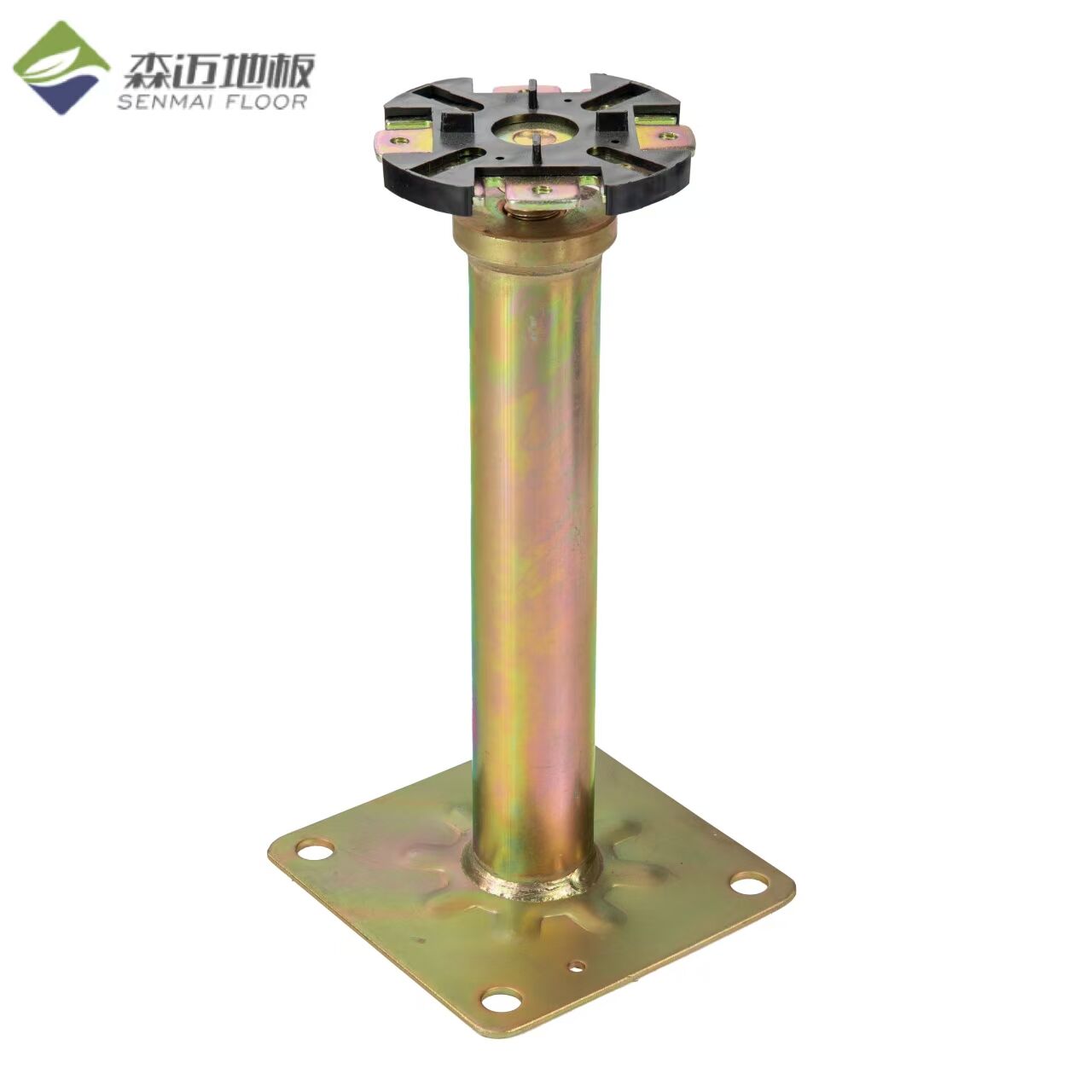
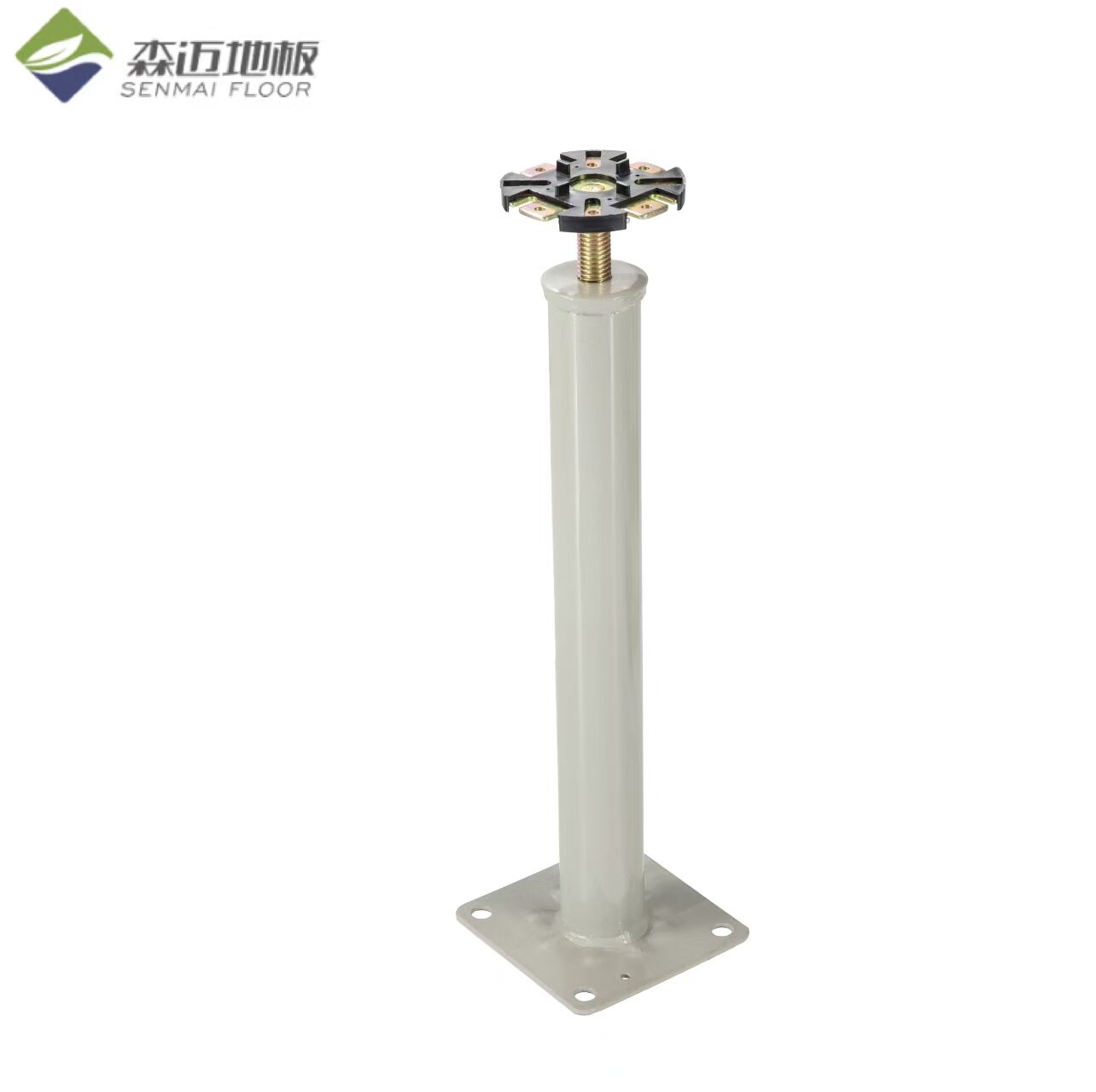
एडजस्टेबल सपोर्ट सिस्टम के पीछे का इंजीनियरिंग उच्च-परिशुद्धता वाले थ्रेड पिच और मजबूत यांत्रिक लॉकिंग सुविधाओं पर आधारित है। विशेषीकृत भारी-ड्यूटी सपोर्ट यूनिट्स में एकीकृत एडजस्टमेंट रिंग्स या शीर्ष-संलग्न स्क्रू तंत्र होते हैं, जिन्हें लोड के अधीन सिर संयोजन को ऊपर या नीचे करने के लिए घुमाया जा सकता है। कई प्रीमियम सिस्टम्स में विशेष ढलान समायोजन ट्विस्ट-हेड्स भी शामिल होते हैं, जो निचली सतह के ढलान परिवर्तनों को स्वचालित रूप से एक निश्चित प्रतिशत ढलान तक सुधारते हैं। यह गहन इंजीनियरिंग लचीलापन सुनिश्चित करता है कि चाहे सिस्टम को बाहर ढलान वाली ड्रेनेज कंक्रीट स्लैब पर स्थापित किया गया हो या अंदर किसी बहु-स्तरीय उपयोगिता ट्रेंच पर, चलने की सतह पूर्णतः क्षैतिज संरेखण बनाए रखती है जबकि नीचे की ओर लगने वाले बलों को निचली सतह पर समान रूप से वितरित करती है।
इन तकनीकी समायोजन क्षमताओं को भवन के जीवन चक्र के विभिन्न चरणों के दौरान विशिष्ट संचालन आवश्यकताओं से कैसे संबंधित किया जाता है, इसे स्पष्ट करने के लिए निम्नलिखित मैट्रिक्स में मुख्य सिस्टम विचारों का अवलोकन दिया गया है:
| कैलिब्रेशन चरण | मुख्य तकनीकी फोकस | समायोजन पद्धति | संचालन सुविधा |
| प्रारंभिक मोटा संरेखण | प्राथमिक लेज़र-स्तर आधार ऊँचाइयों की स्थापना | अंतिम भारण से पहले केंद्रीय थ्रेडेड कॉलम का हस्तचालित घुमाव | अनियमित सबफ्लोर स्लैब्स पर एक समान ग्रिड आधार रेखा का निर्माण |
| भारण के बाद सूक्ष्म समायोजन | स्थानीय उपकरण भार संपीड़न की भरपाई | पैनल जोड़ों के माध्यम से या अस्थायी रूप से एकल पैनल को हटाकर विशेषीकृत शीर्ष-कुंजी समायोजन | टाइल्स के हिलने को समाप्त करता है और ग्रिड विच्छेद के बिना निर्बाध जोड़ संरेखण सुनिश्चित करता है |
| दीर्घकालिक रखरखाव | छोटे भवन अवसाद या लेआउट पुनर्व्यवस्थाओं के लिए सुधारात्मक उपाय | आवधिक निरीक्षण और संरचनात्मक समायोजन वलयों के माध्यम से धागे को पुनः लॉक करना | वास्तुकला फर्श संपत्ति के कुल जीवनकाल को बढ़ाता है |
दीर्घकालिक स्थिरता और ढीलेपन के विरुद्ध सुरक्षा सुनिश्चित करना
हालांकि स्थापना के बाद ऊंचाई को समायोजित करने की क्षमता अत्यधिक लचीलापन प्रदान करती है, फिर भी इससे भवन की अंतिम संरचनात्मक सुरक्षा को कोई हानि नहीं पहुँचानी चाहिए। एडजस्टेबल अंडर-फ्लोर सपोर्ट्स के साथ मुख्य इंजीनियरिंग चुनौती थ्रेड क्रीप या निरंतर पैदल यातायात के कंपन और गतिशील रोलिंग भारों के कारण अनजाने में घुमाव रोकना है। इस संरचनात्मक जोखिम को कम करने के लिए, अनुपालनकारी प्रणालियाँ उन्नत यांत्रिक लॉकिंग रिंग्स, रासायनिक थ्रेड-लॉकिंग यौगिकों या इंटरलॉकिंग कैस्टेलेटेड हेड डिज़ाइनों का उपयोग करती हैं। एक बार स्थापना के बाद समायोजन अंतिम रूप दे दिया जाने के बाद, ये सुरक्षा तंत्र सक्रिय कर दिए जाते हैं ताकि थ्रेडेड कॉलम को स्थायी रूप से स्थिर किया जा सके, जिससे संयोजन पार्श्व विस्थापन और संकेंद्रित भार क्षमताओं से संबंधित कठोर अंतर्राष्ट्रीय भवन सुरक्षा विनियमों का पालन करता है।
परिवर्तनशील वातावरणों में स्वच्छता संबंधी लचीलापन और सामग्री की टिकाऊपन
एडजस्टेबल फ्लोरिंग सपोर्ट्स का दीर्घकालिक प्रदर्शन अधो-फ्लोर वॉइड की पर्यावरणीय परिस्थितियों से गहराई से प्रभावित होता है। चाहे इन्हें जलवायु-नियंत्रित आंतरिक डेटा केंद्रों में तैनात किया गया हो या वाणिज्यिक प्लाज़ा पर परिवर्तनशील बाहरी मौसमी परिस्थितियों के संपर्क में रखा गया हो, सपोर्ट घटकों को क्षरण के प्रति प्रतिरोधी होना आवश्यक है। उच्च-प्रदर्शन वाले यूनिट्स प्रीमियम गैर-संक्षारक सामग्रियों, जैसे गर्म-डुबोया गया जस्तीकृत इस्पात या यूवी-स्थायी, उच्च-घनत्व वाले बहुलक यौगिकों से निर्मित किए जाते हैं। ये उन्नत सामग्रियाँ सुनिश्चित करती हैं कि धागेदार समायोजन तंत्र दशकों तक की सेवा के दौरान कभी भी जम नहीं जाते या जंग नहीं खाते, जिससे रखरखाव टीमें भवन के लेआउट में भविष्य में होने वाले पुनर्विन्यास के समय संरचनात्मक समायोजन आत्मविश्वास के साथ कर सकें।
उन्नत निर्माण और संरचनात्मक आपूर्ति श्रृंखलाओं का लाभ उठाना
एक एडजस्टेबल फ्लोरिंग लेआउट से विश्वसनीय, मिलीमीटर स्तर की सटीकता प्राप्त करने के लिए अंततः एक उत्पादन साझेदार की आवश्यकता होती है जो उन्नत पॉलिमर और धातुकर्म निर्माण को कठोर गुणवत्ता नियंत्रण उपायों के साथ एकीकृत करने में सक्षम हो। यह उन्नत इंजीनियरिंग और आपूर्ति क्षमता ठीक वहीं है जहाँ शीर्ष स्तर के विनिर्माण नेटवर्क, जैसे सेनमाई , अंतरराष्ट्रीय ठेकेदारों और रियल एस्टेट विकासकर्ताओं को अतुलनीय वाणिज्यिक मूल्य प्रदान करते हैं। स्वचालित इंजेक्शन मोल्डिंग लाइनों, अत्याधुनिक धातु स्टैम्पिंग और निरंतर चक्र तनाव परीक्षण का उपयोग करके, उत्पादन सुविधाएँ विविध संरचनात्मक समाधान प्रदान करती हैं जो स्थापना के बाद बिना किसी दोष के समायोजन के लिए अनुकूलित होते हैं। तकनीकी नवाचार और मजबूत लॉजिस्टिक्स समर्थन का यह सुगम संयोजन सुनिश्चित करता है कि वैश्विक निर्माण परियोजनाओं को जीवनभर की अनुकूलन क्षमता के लिए डिज़ाइन किए गए पूर्ण रूप से प्रमाणित, उच्च-प्रदर्शन वाले मॉड्यूलर फ्लोरिंग फ्रेमवर्क प्राप्त हों।
विषय-सूची
- स्थापना के बाद कैलिब्रेशन और क्षेत्र इंजीनियरिंग की वास्तविकताओं को समझना
- संरचनात्मक यांत्रिकी और ऊँचाई सुधार तंत्र का विश्लेषण
- दीर्घकालिक स्थिरता और ढीलेपन के विरुद्ध सुरक्षा सुनिश्चित करना
- परिवर्तनशील वातावरणों में स्वच्छता संबंधी लचीलापन और सामग्री की टिकाऊपन
- उन्नत निर्माण और संरचनात्मक आपूर्ति श्रृंखलाओं का लाभ उठाना